You’ve just given your car a fresh, shiny coat of paint, and it looks amazing. Now, you’re probably wondering: how long do you need to wait before you can wax it?
Waxing too soon can damage your new paint, but waiting too long means missing out on that extra shine and protection. You’ll discover the perfect timing to wax your freshly painted car so you can keep it looking flawless without risking any harm.
Keep reading to find out exactly when your car is ready for that first wax!
Paint Drying Time
Knowing the right paint drying time is key before waxing a freshly painted car. The paint must be ready to handle wax without damage. Rushing this process can harm the finish and reduce the paint’s life. Understanding the difference between drying and curing helps set the right expectations. Several factors also change how long the paint takes to dry. This knowledge helps protect the car’s new look and ensures a smooth waxing job.
Curing Vs Drying
Drying means the paint feels dry on the surface. You can touch it without sticking. Curing means the paint has fully hardened inside. This process takes longer than just drying. Waxing too soon after drying can trap moisture or dirt. Curing helps the paint resist damage from wax and weather. Most paints need days or weeks to cure fully. Understanding this difference keeps the car’s paint strong and shiny.
Factors Affecting Drying Time
Temperature is a big factor in drying time. Warm air speeds up drying while cold slows it down. Humidity also affects drying. High moisture in the air makes paint take longer to dry. The type of paint matters too. Some paints dry fast, others need more time. The thickness of the paint layer changes drying speed. Thick layers take longer to dry and cure. Proper ventilation helps by moving air around the car. These factors combine to decide how long to wait before waxing.
Recommended Waiting Period
Knowing the right time to wax a freshly painted car protects the new paint. Waxing too soon can damage the paint’s finish and shine. Waiting allows the paint to fully cure and harden. This section explains the recommended waiting period before waxing.
Manufacturer Guidelines
Car paint manufacturers suggest waiting 30 to 60 days before waxing. This time allows the paint to harden and cure completely. Waxing earlier can trap moisture or solvents under the wax. Follow the specific instructions on the paint can or product label. Different paints may have different curing times.
Professional Painter Advice
Professional painters often recommend waiting at least 30 days. They stress patience to avoid ruining the paint job. Some painters suggest even longer, up to 90 days, for deep or custom paint. They advise using gentle cleaning methods during this period. This helps keep the paint safe until it cures fully.
Risks Of Waxing Too Soon
Waxing a freshly painted car too soon can lead to problems. The paint needs time to cure and harden. Waxing early can affect the surface and the wax’s ability to stick. Understanding these risks helps protect your car’s finish and keeps it looking great.
Surface Damage
Applying wax on wet or soft paint can cause scratches. The wax may trap dirt or dust particles. These particles can scrape the paint when rubbed. The paint might also peel or bubble under the wax. This happens because the paint is not fully dry. Surface damage lowers the shine and smoothness of the paint.
Wax Adhesion Issues
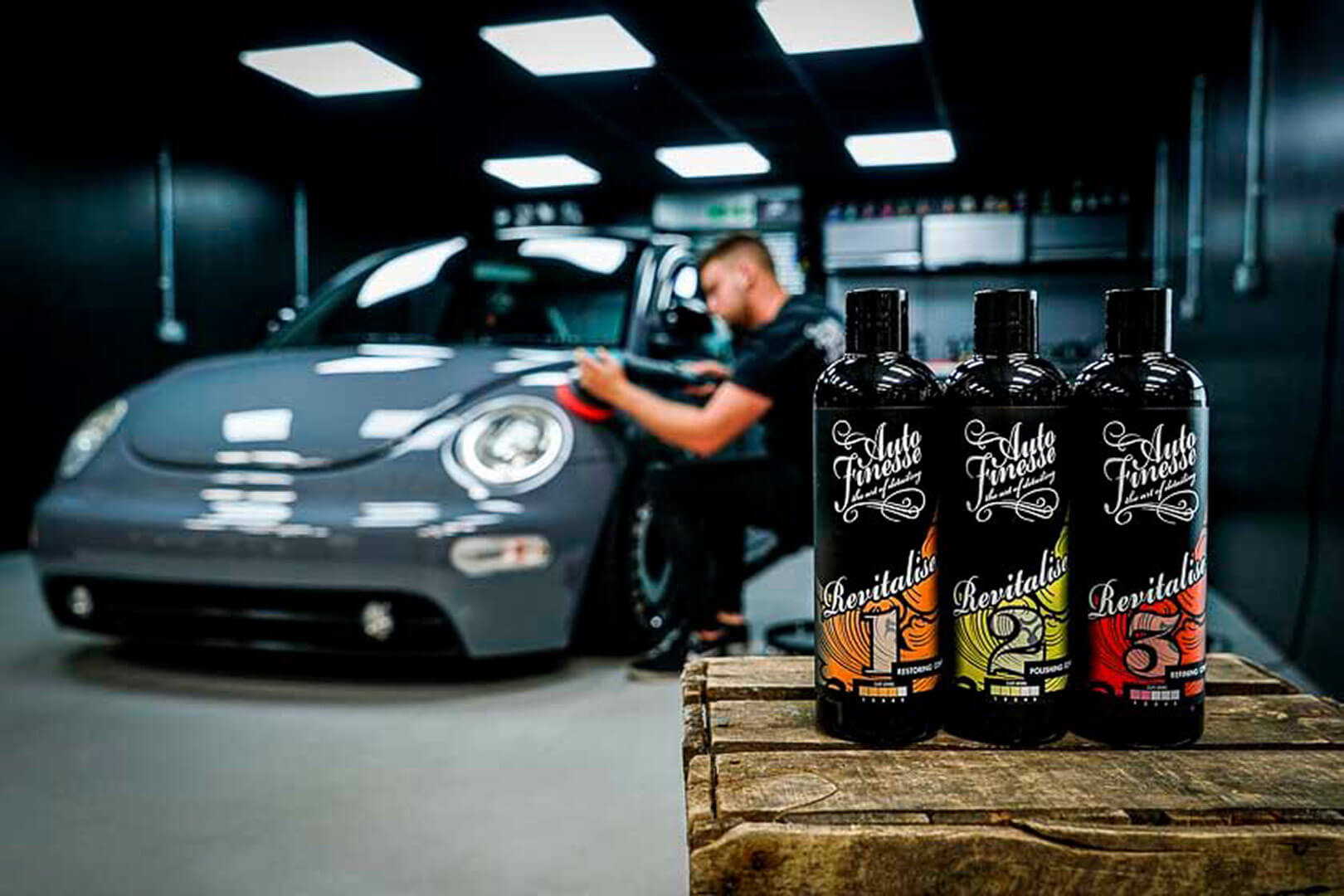
Wax needs a solid, dry surface to stick well. Fresh paint releases gases during curing. These gases can make the wax peel off easily. Wax applied too early may not form a strong bond. This weak layer wears off quickly in sun or rain. Poor adhesion means less protection for your car.
Credit: www.autofinesse.com
Best Wax Types For New Paint
Choosing the best wax for new paint is important. Fresh paint is soft and needs gentle care. The right wax protects and shines without damage. Some waxes work better on new paint than others.
This section explains types of wax and coatings that suit fresh paint. It helps keep the paint safe and looking great.
Synthetic Vs Natural Waxes
Synthetic waxes are made from man-made chemicals. They last longer and resist water well. Synthetic wax forms a strong, smooth layer on paint. It protects paint from dirt and sun.
Natural waxes come from carnauba, a plant-based source. They give a warm, deep shine. Natural wax is softer and less durable. It may need reapplying more often than synthetic types.
For new paint, synthetic wax is often better. It protects without harming soft paint layers.
Sealants And Coatings
Sealants are like synthetic wax but thicker. They create a hard shell on paint. Sealants last longer and protect from harsh weather.
Coatings are advanced products with strong chemicals. They bond tightly to paint. Coatings can last months or years. They offer strong protection and great shine.
For fresh paint, use sealants or coatings only after paint cures well. Early use may trap moisture or chemicals under the layer.
Preparation Before Waxing
Before waxing a freshly painted car, preparation plays a key role. It helps protect the paint and gives the wax a smooth surface to stick to. Without proper preparation, the wax may not work well or could even harm the paint.
Preparation starts with making sure the car’s surface is clean and free of dust or dirt. Then, checking the paint’s hardness is important. This step ensures the paint is ready for waxing and won’t get damaged.
Cleaning The Surface
Start by washing the car with mild soap and water. Use a soft cloth or sponge to avoid scratching the paint. Remove all dirt, dust, and grease. Dry the car completely with a clean towel. A clean surface helps the wax stick better and last longer.
Checking Paint Hardness
Fresh paint needs time to harden before waxing. Test the paint by gently pressing your fingernail on it. If it feels soft or leaves a mark, wait longer before waxing. Hard paint holds wax better and prevents damage. Usually, waiting at least 30 days after painting is safe.
Credit: www.carstar.com
Waxing Techniques For Fresh Paint
Waxing a freshly painted car needs care to protect the new finish. Using the right techniques helps keep the paint shiny and safe. Wax adds a layer that guards against dirt, water, and sun damage. Applying wax too soon or the wrong way can harm the paint.
Follow simple steps to wax correctly and keep the paint perfect. This section shares tips and tools that work best on fresh paint.
Application Tips
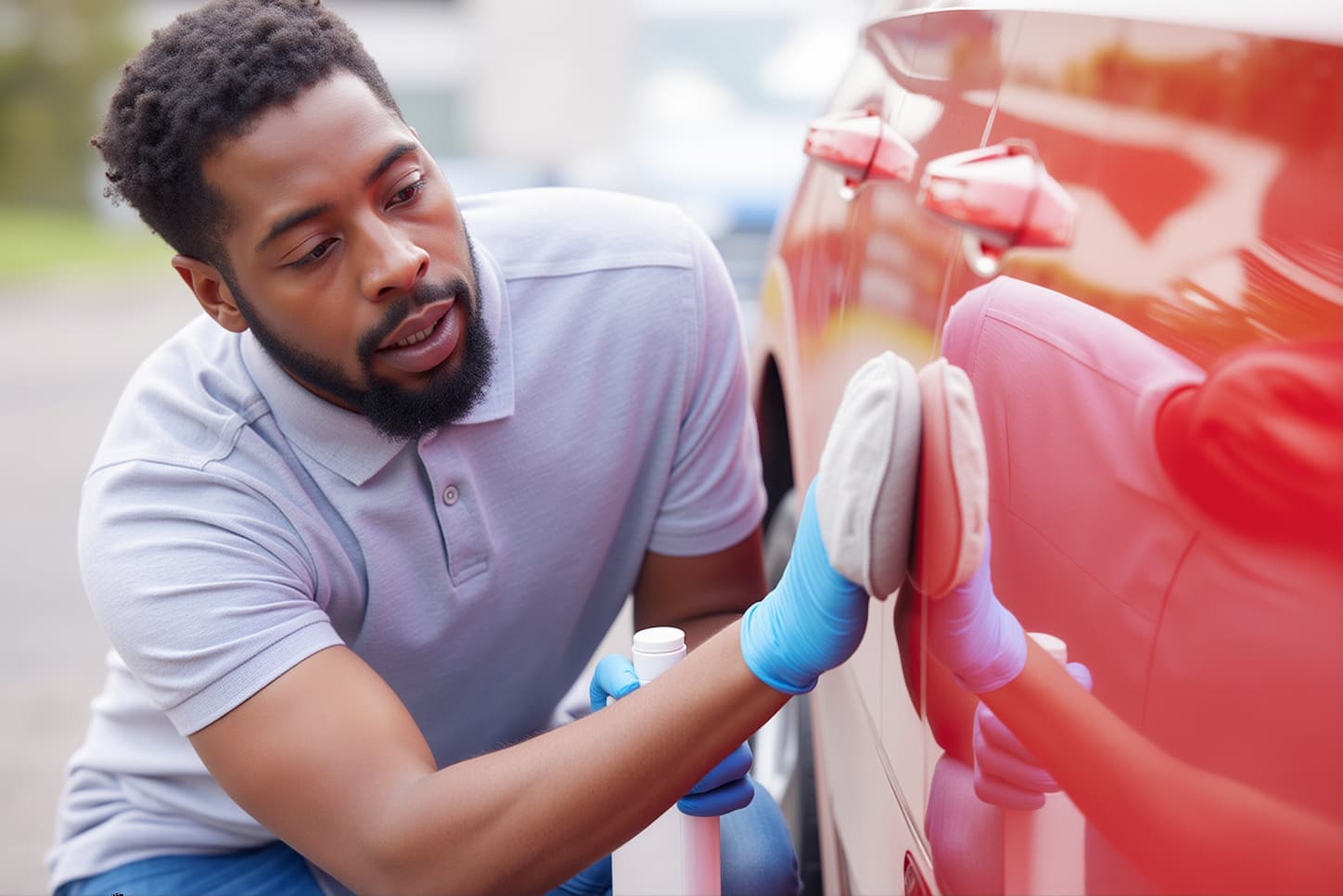
Start with a clean, dry car. Dirt or water can cause scratches when waxing. Use small amounts of wax. Too much wax makes it hard to remove later. Apply wax in thin, even layers. Work in circular motions to cover the surface well. Avoid waxing under direct sunlight or on hot paint. Let each layer dry before buffing gently with a soft cloth. Test wax on a small area first. This checks for any reaction with the paint. Patience is key to a smooth finish.
Tools To Use
Choose soft microfiber cloths or foam applicator pads. These materials prevent scratches on fresh paint. Avoid rough or dirty cloths that can damage the surface. Use a clean, soft buffing cloth to remove wax residue. Electric buffer machines can be too strong for fresh paint. Hand application gives better control and reduces risk. Store your tools clean and dry to keep them ready for use.
Maintenance After Waxing
Maintaining your car’s shine after waxing keeps the paint fresh and protected. Proper care helps the wax last longer. It also prevents dirt and grime from sticking to the surface. Simple steps can keep your car looking great every day.
Regular Washing
Wash your car often to remove dirt and dust. Use a mild soap made for cars. Avoid harsh detergents that can strip wax away. Rinse well with clean water to prevent spots. Dry the car with a soft cloth to avoid scratches.
Reapplying Wax
Wax does not last forever. Reapply wax every few months to keep the protection strong. Follow the instructions on the wax product. Apply thin layers and buff gently for the best shine. Regular waxing helps prevent paint damage and keeps your car bright.

Credit: www.newellsautobody.com
Frequently Asked Questions
How Long Should I Wait Before Waxing A New Car Paint?
Wait at least 30 days before waxing freshly painted car surfaces. This allows the paint to fully cure and harden. Waxing too soon can trap solvents and damage the finish.
Can Waxing Damage Fresh Car Paint?
Yes, waxing fresh paint too early can cause streaks and dullness. It may also trap chemicals, leading to uneven curing and paint defects.
What Is The Ideal Curing Time For Car Paint Before Waxing?
Car paint typically requires 30 to 60 days to cure completely. This time ensures the paint hardens and bonds properly, making waxing safe and effective.
How Does Waxing Benefit A Freshly Painted Car?
Waxing protects the paint from UV rays, dirt, and moisture. It enhances gloss and extends the life of the paint job once fully cured.
Conclusion
Waiting at least 30 days before waxing is best. This time lets the paint fully harden and cure. Waxing too soon can cause damage or dullness. Patience protects your car’s fresh paint job. After the wait, apply wax gently and evenly.
This keeps your car shiny and safe from dirt. Taking care now saves you from costly repairs later. A little patience gives your car a long-lasting glow. Trust the process and enjoy a smooth, beautiful finish.