If your car’s brakes are making noise or not stopping as smoothly, you might be wondering: how much will new rotors and brakes cost? Knowing the price ahead of time can help you avoid surprises and keep your vehicle safe.
You’ll discover the typical costs involved, what affects the price, and how to get the best value for your money. Keep reading to make sure your car stays in top shape without breaking the bank.
Brake System Basics
The brake system is a vital part of any vehicle. It helps stop the car safely and quickly. Understanding the basics of brakes and rotors can help you know why repairs cost what they do. This knowledge helps you keep your car in good shape.
Role Of Rotors And Brakes
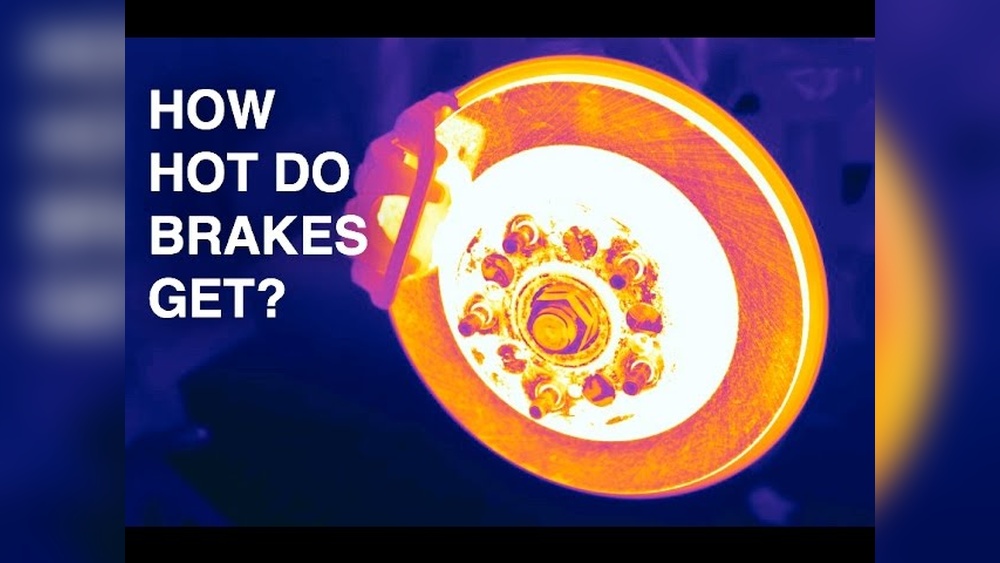
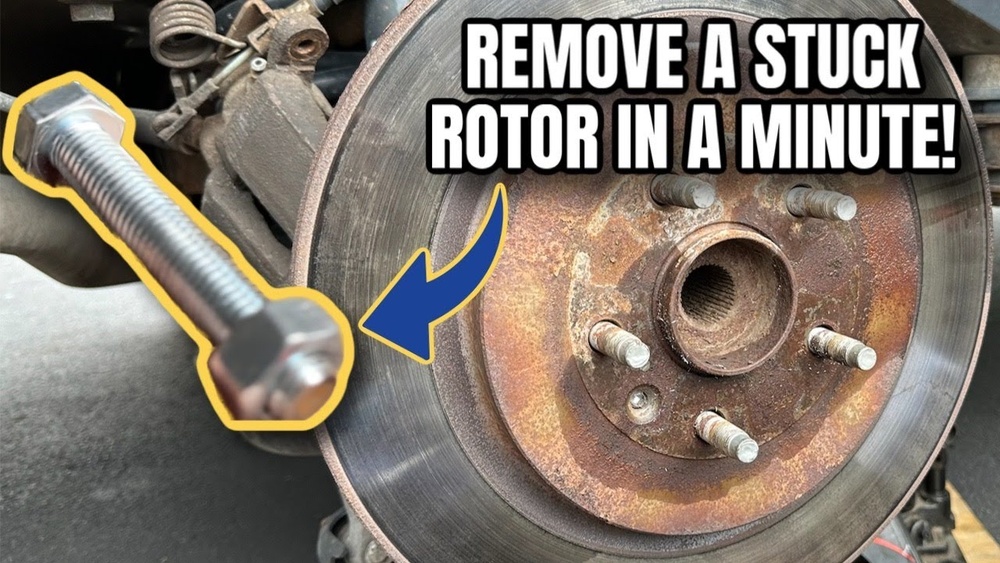
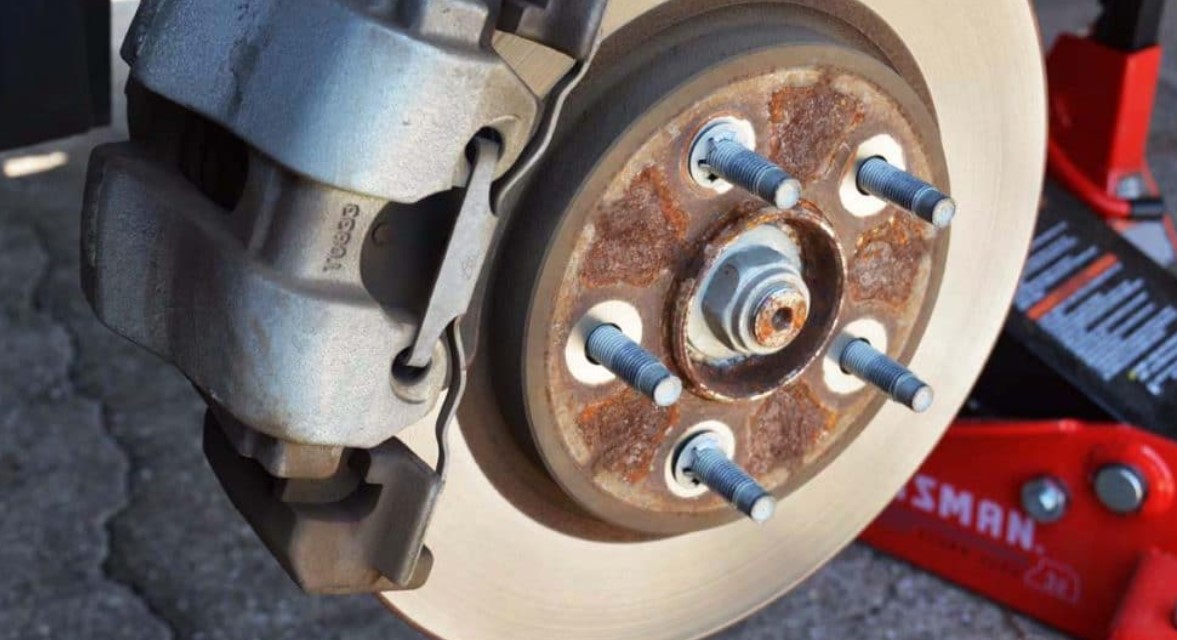
Rotors are metal discs attached to the wheels. When you press the brake pedal, brake pads press against the rotors. This creates friction, which slows down the wheels. Both parts work together to stop your car safely.
Types Of Brake Rotors
There are several types of brake rotors. Solid rotors are simple and common. Ventilated rotors have cooling channels to reduce heat. Drilled rotors have holes to improve cooling and performance. Each type has benefits depending on driving needs.
Brake Pad Varieties
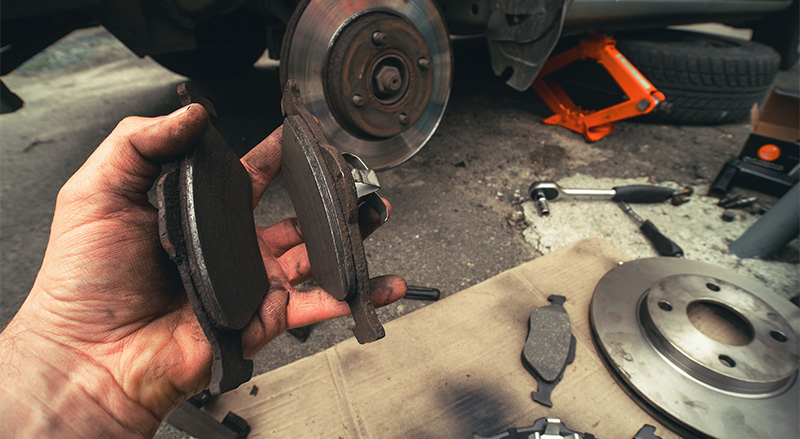
Brake pads come in different materials. Organic pads are soft and quiet but wear faster. Semi-metallic pads are strong and last longer but can be noisy. Ceramic pads offer quiet braking and less dust. Choosing the right pads affects brake performance and cost.
Credit: blog.napacanada.com
Factors Affecting Costs
Several factors influence the cost of new rotors and brakes. Understanding these elements helps plan your budget better. Prices can vary widely based on different aspects. Each plays a key role in the final bill.
Vehicle Make And Model
The type of vehicle affects rotor and brake prices. Luxury cars often need expensive parts. Common models usually have cheaper options. Some vehicles require special sizes or designs. This raises the cost of parts and service.
Rotor And Brake Pad Quality
Quality impacts both price and performance. Standard parts are less costly but wear faster. Premium rotors and pads last longer and perform better. High-quality materials like ceramic or carbon increase costs. Choose parts that fit your driving needs and budget.
Labor Charges
Labor costs vary by location and shop. Dealerships often charge more than independent mechanics. Complex brake systems take longer to repair. This increases labor time and cost. Always ask for an estimate before work begins.
Additional Parts And Services
Sometimes other parts need replacement during brake work. Brake fluid, calipers, or sensors may add to the cost. Resurfacing rotors instead of replacing can save money. Extra services like wheel alignment might be recommended. These add to the total price but improve safety and performance.
Average Price Range
Knowing the average price range for new rotors and brakes helps plan your car maintenance budget. Prices vary by vehicle type, part quality, and labor costs. Expect to pay differently for front and rear brakes. Brake caliper replacement adds to the total expense. Here is a clear breakdown.
Cost Of Front Rotors And Pads
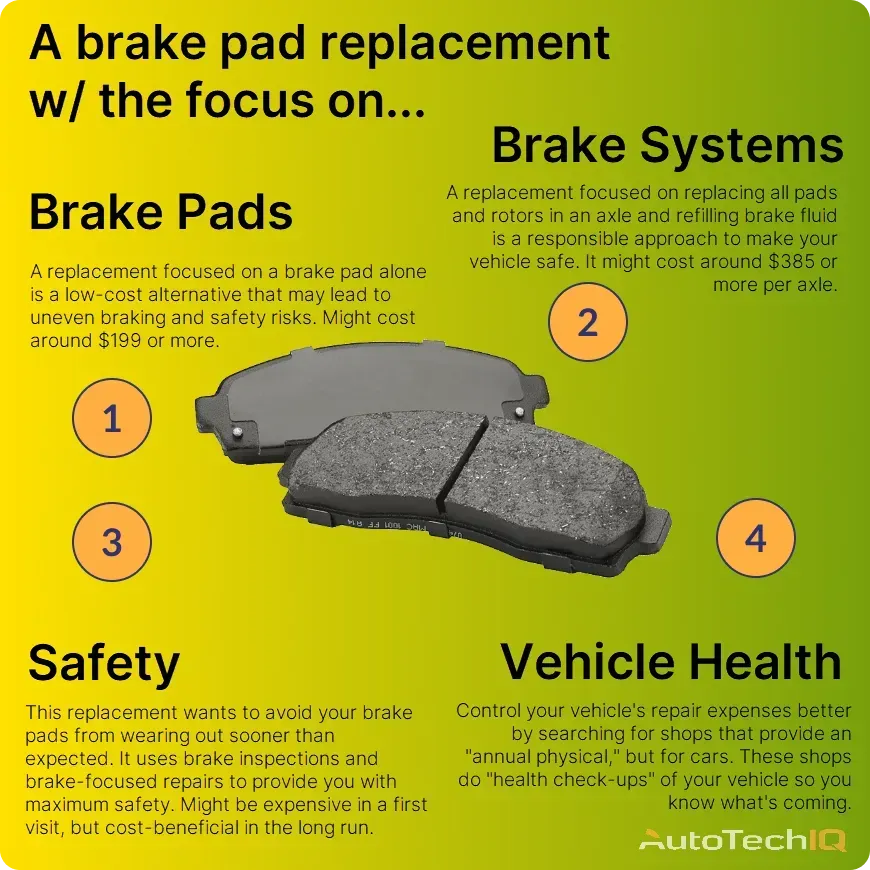
Front rotors and pads are the most common parts replaced. The average price for front rotors is between $100 and $250 each. Brake pads usually cost from $30 to $80 per set. Labor can add $100 to $150 to the bill. Total front brake replacement often ranges from $250 to $500.
Cost Of Rear Rotors And Pads
Rear rotors and pads often cost less than front ones. Rear rotors typically range from $80 to $200 each. Pads for the rear brakes cost about $25 to $70 per set. Labor charges are similar to the front, around $100 to $150. Overall, rear brake service may cost between $200 and $400.
Brake Caliper Replacement Costs
Brake calipers help press the pads against the rotors. Replacing one caliper can cost from $150 to $300 for the part. Labor usually adds $80 to $120 per caliper. Some vehicles need caliper replacement on both sides. This can push the total cost to $300-$600 or more.
Credit: www.autotechiq.com
Affordable Replacement Options
Replacing rotors and brakes does not have to be expensive. Many options fit different budgets without sacrificing safety. Choosing the right parts helps save money and keeps your car running well. Understanding affordable replacement options is key to making smart choices.
These options include different types of parts and materials. Each has pros and cons for cost and quality. This guide explains how to find affordable rotors and brakes that work for you.
Aftermarket Vs Oem Parts
Aftermarket parts are made by companies other than the car maker. They cost less than OEM parts. OEM parts come from the car manufacturer and often have higher quality. Aftermarket parts can be safe and reliable if bought from trusted brands. They offer good value for budget repairs.
OEM parts may last longer but cost more upfront. Aftermarket parts help lower initial expenses. Both types fit your car, but prices vary widely.
Budget-friendly Brake Pads
Brake pads wear out faster than rotors. Many budget-friendly brake pads use ceramic or semi-metallic materials. Ceramic pads are quiet and last longer but cost more than semi-metallic ones. Semi-metallic pads are cheaper and offer good stopping power.
Choosing the right pad depends on driving style and budget. Affordable pads still meet safety standards. Buy from brands that test their products for quality.
Refurbished Rotors
Refurbished rotors are used rotors that are cleaned and resurfaced. They cost less than new rotors. Refurbished rotors can work well if checked for damage. They help save money on repairs.
Ensure a trusted shop inspects the rotors before buying. Refurbished rotors may not last as long as new ones but provide a good budget choice.
Diy Vs Professional Installation
Deciding between DIY and professional installation for new rotors and brakes depends on skill, time, and tools. Both options have benefits and drawbacks. Understanding these can help save money and ensure safety on the road.
Pros And Cons Of Diy
Doing the job yourself can save labor costs. You control the process and learn more about your car. It feels rewarding to fix your own brakes.
On the downside, mistakes can happen. Brake work requires care and accuracy. Missing a step risks brake failure or damage. It takes time and patience to do it right.
When To Seek Professional Help
Choose a mechanic if you lack tools or experience. Professionals ensure proper installation and testing. They spot hidden problems and fix them fast. This choice offers peace of mind and safety.
If your car has complex brake systems, a shop is best. Also, seek help for emergency repairs or if brakes feel strange after DIY work.
Tools Needed For Diy Replacement
Essential tools include a jack, lug wrench, and C-clamp. You also need a socket set, brake cleaner, and brake grease. Safety gear like gloves and eye protection is important. Having the right tools makes the job easier and safer.
Maintenance Tips To Save Money
Keeping your brakes and rotors in good shape saves money and keeps you safe. Simple care steps help your brakes last longer. This lowers repair costs and avoids sudden problems on the road.
Regular Inspection
Check your brakes often for wear and damage. Look for squeaking sounds or a soft brake pedal. Early signs help fix small issues before they become costly. Inspect brake pads and rotors every 10,000 miles or during routine service.
Brake Fluid Management
Brake fluid helps your brakes work well. Old or dirty fluid reduces brake power. Change brake fluid every two years or as your car manual says. Check fluid levels regularly to avoid brake failure and expensive repairs.
Driving Habits That Protect Brakes
Drive smoothly to save your brakes. Avoid sudden stops and hard braking. Use engine braking on hills by shifting to a lower gear. This reduces wear on brake pads and rotors, extending their life and cutting costs.
Signs You Need New Rotors And Brakes
Knowing the signs that your rotors and brakes need replacement is important. Bad brakes can cause serious safety risks. Early detection helps you avoid bigger problems and extra costs.
Common Warning Signs
You may hear squealing or grinding noises while braking. This sound means the brake pads are worn out. Another sign is a vibration or pulsing feeling in the brake pedal or steering wheel. It shows the rotors might be warped or uneven. Also, notice if your car takes longer to stop. Soft or spongy brake pedals are a warning too. These signs mean the braking system needs attention soon.
Consequences Of Delaying Replacement
Delaying new rotors and brakes can cause serious damage. Worn brakes reduce stopping power, increasing crash risk. Damaged rotors can lead to uneven brake wear. This causes more vibration and noise. Repair costs rise as damage spreads. Ignoring brake problems can also hurt other parts. Safety is at stake every time you drive with bad brakes.
Credit: omegaautocare.com
Frequently Asked Questions
How Much Do New Brake Rotors Cost?
New brake rotors typically cost between $30 and $75 each. Prices vary based on brand and vehicle type. Labor charges can add $100 to $200. High-performance rotors cost more. Always compare prices and quality before purchasing.
What Is The Average Cost For New Brake Pads?
Brake pads usually cost between $25 and $70 per set. Labor fees for installation range from $80 to $150. Prices depend on the vehicle and pad type. Ceramic pads tend to be pricier but last longer.
Can I Replace Rotors And Brakes Myself?
Yes, DIY replacement is possible with the right tools and skills. However, improper installation can affect safety. Professional service ensures correct fitting and braking performance. Consider your experience before attempting self-replacement.
How Often Should Rotors And Brakes Be Replaced?
Brake pads need replacement every 30,000 to 70,000 miles. Rotors last about 50,000 to 70,000 miles but vary with driving habits. Regular inspections help detect wear early and maintain vehicle safety.
Conclusion
Replacing rotors and brakes can vary in cost. Factors like car make, part quality, and labor affect prices. Choosing the right parts helps keep your car safe. Regular brake checks save money and prevent bigger issues. Budgeting for these repairs keeps you prepared.
Good brakes mean better control and safer driving. Don’t wait until problems get worse. Stay informed and maintain your vehicle well.