Have you ever been stuck wondering how long a car battery replacement might take? If your car won’t start, the battery is often the first thing to check—and knowing the time it takes to replace it can save you stress and help you plan better.
Whether you’re doing it yourself or heading to a mechanic, understanding the process will keep you prepared. Keep reading, and you’ll discover exactly what to expect, so you’re never caught off guard when it’s time for a new battery.
Signs You Need A New Battery
Knowing the signs of a bad car battery helps avoid surprise breakdowns. A failing battery can leave you stranded without warning. Watch for clear clues from your car. These signs show when a battery needs replacement soon.
Common Battery Issues
Car batteries often fail due to age or weather. Cold temperatures drain battery power quickly. A slow engine start or clicking sound means weak battery power. Dim headlights or electrical problems also point to battery trouble. Corrosion on battery terminals can block power flow. Swollen or leaking battery cases show serious damage.
How To Test Your Battery
Testing a battery is simple and quick. Use a multimeter to check voltage. A healthy battery reads about 12.6 volts when off. Below 12.4 volts shows a weak battery. Load testing simulates engine start to check strength. Many auto shops offer free battery testing. Regular tests help catch problems before failure.
Factors Affecting Replacement Time
Several factors influence the time needed for a car battery replacement. These factors affect how quickly the process finishes. Understanding them helps set the right expectations.
Car Make And Model
Different cars have different battery setups. Some models have easy access to the battery. Others hide the battery under seats or panels. This makes reaching the battery harder and takes more time.
Luxury and electric vehicles often have complex systems. These systems require extra care during battery replacement. Mechanics may need special tools or follow specific steps. This adds to the replacement time.
Battery Type And Location
Standard lead-acid batteries are common and usually quick to replace. Newer battery types, like AGM or lithium-ion, might need extra handling. They require specific tools and knowledge. This slows down the process.
The battery location plays a big role too. Batteries in the engine bay are easier to swap. Batteries placed in the trunk or under the back seat take longer. Removing covers and securing parts adds time to the job.
Step-by-step Replacement Process
Replacing a car battery is a task many can handle with some basic guidance. The process is straightforward and does not take much time. Knowing each step helps make the replacement smooth and safe. This section breaks down the replacement into clear stages to follow.
Gathering Tools And Materials
Start by collecting all necessary tools and materials. You need a new battery that fits your car model. A wrench or socket set is essential for loosening battery terminals. Safety gloves and glasses protect you from acid or sparks. A battery cleaning brush helps remove corrosion. Prepare a container to hold the old battery safely.
Removing The Old Battery
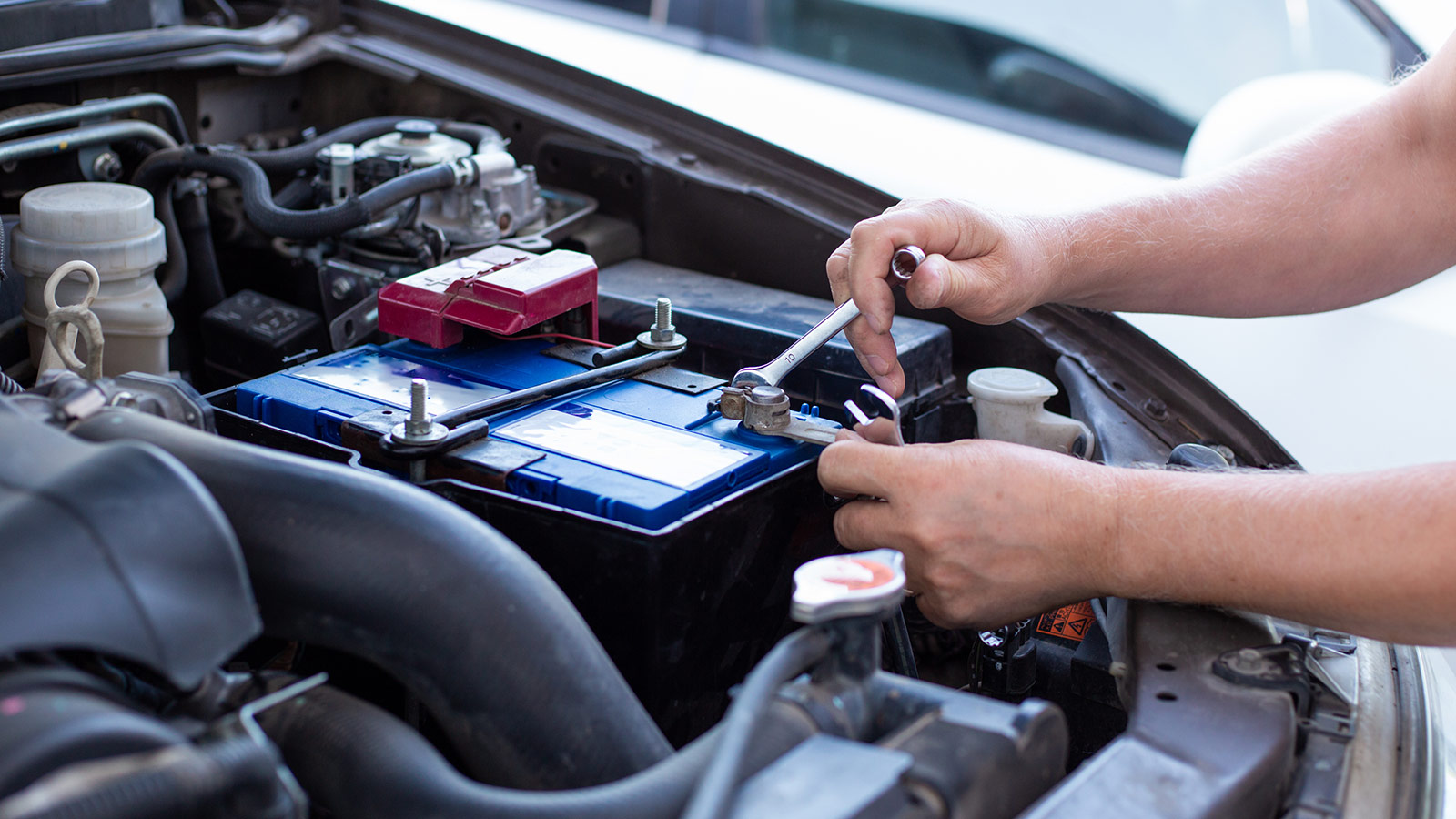
Turn off the engine and remove the car keys. Open the hood and locate the battery. Identify the negative terminal, usually marked with a minus sign. Always disconnect the negative terminal first to avoid sparks. Then, disconnect the positive terminal. Remove any brackets or clamps holding the battery in place. Carefully lift the old battery out of the tray. Be cautious; car batteries are heavy.
Installing The New Battery
Place the new battery into the tray in the same position. Secure it with brackets or clamps to prevent movement. Connect the positive terminal first, then the negative terminal. Tighten the terminal bolts firmly but do not overtighten. Clean any corrosion on terminals before connecting. Check that all connections are secure and tight.
Safety Tips During Replacement
Wear gloves and glasses at all times. Avoid touching your face or eyes. Work in a well-ventilated area away from flames. Do not smoke near the battery. Handle the battery carefully to prevent acid spills. Dispose of the old battery at a recycling center. Follow vehicle manual instructions for specific details. These steps keep you safe and protect your car.
.png)
Credit: www.recurrentauto.com
Diy Vs Professional Replacement
Deciding between doing a car battery replacement yourself or hiring a professional can affect how long the process takes. Both options have pros and cons. Understanding these can help you choose the best path.
Benefits Of Diy
Replacing a car battery yourself saves money on labor costs. It can take about 30 minutes if you have the right tools. You gain hands-on experience and learn about your car. It also gives you control over the timing. You can replace the battery anytime without waiting for an appointment. Many car batteries are designed for easy installation. Just be sure to follow safety steps to avoid damage or injury.
When To Call A Mechanic
A mechanic should handle the replacement if you lack tools or knowledge. Complex battery setups or hybrid vehicles require expert care. Professionals can spot hidden issues during the replacement. They often complete the job faster, usually within 20-30 minutes. A mechanic also safely disposes of the old battery. If your car has electrical problems, a mechanic can diagnose and fix them. Calling a professional reduces the risk of mistakes and keeps your car safe.
Post-replacement Care
After replacing a car battery, proper care is important to keep it working well. Good care helps the battery last longer and saves money on future replacements. Understanding how to maintain the battery and what signs to watch for can prevent many common problems.
Battery Maintenance Tips
Keep battery terminals clean and free from dirt. Dirt can stop the battery from charging properly. Check the terminals every few weeks. Use a wire brush to clean any buildup.
Make sure the battery is tightly secured. A loose battery can cause damage or reduce performance. Avoid leaving the car unused for long periods. If you must, start the engine regularly to keep the battery charged.
Turn off all lights and electronics before you stop the car. This prevents draining the battery when the engine is off. Check your battery’s water level if it is not sealed. Add distilled water if needed, but do not overfill.
Troubleshooting After Replacement
Sometimes, new batteries can have issues too. If your car does not start, check the battery connections first. Make sure they are tight and clean. Look for signs of corrosion or loose wires.
If the battery drains quickly, the charging system might have a problem. A mechanic can test the alternator and other parts. Strange noises or warning lights on the dashboard may signal battery or electrical issues.
Keep track of any problems soon after replacement. Early action can stop bigger repairs later. Regular checks help catch trouble before it grows.

Credit: www.adrianflux.co.uk
Credit: auto.howstuffworks.com
Frequently Asked Questions
How Long Does A Typical Car Battery Replacement Take?
A typical car battery replacement takes about 30 to 45 minutes. This includes removing the old battery, cleaning terminals, and installing the new one. Time may vary based on the vehicle type and mechanic’s experience.
Can I Replace My Car Battery Myself Quickly?
Yes, replacing a car battery yourself can take 15 to 30 minutes. Ensure you have the right tools and safety knowledge. Follow proper steps to disconnect and reconnect terminals safely.
Does The Type Of Car Affect Battery Replacement Time?
Yes, battery replacement time varies by car model and battery location. Some vehicles have easy-to-access batteries, while others require removing components. Luxury and hybrid cars may need more time due to complex setups.
How Long Should I Wait After Battery Replacement To Start My Car?
You can start your car immediately after battery replacement. Ensure terminals are tightly connected and free of corrosion. If the car doesn’t start, check the connections or seek professional help.
Conclusion
Replacing a car battery usually takes about 30 to 60 minutes. Skilled mechanics can do it faster with the right tools. You might spend extra time if your car has a tricky battery setup. Knowing this helps you plan your day better.
Keep your battery checked regularly to avoid surprises. A quick replacement can get your car running smoothly again. Simple steps save time and keep you safe on the road.