
You want your car to look its best, shining like it just rolled off the showroom floor. But washing and waxing your car properly isn’t as simple as grabbing a hose and some soap.
If you miss a step or use the wrong technique, you could damage your paint or waste time and money. In this guide, you’ll discover easy, effective ways to wash and wax your car that protect its finish and keep it gleaming for months.
Follow these proven tips, and your car will turn heads wherever you go. Ready to learn how to do it right? Let’s dive in.
Preparing Your Car
Preparing your car is the first step for a clean and shiny finish. It helps remove dirt and protects the paint. Proper preparation makes washing and waxing easier and more effective. Start with these simple steps to get your car ready.
Gathering Supplies
Collect all the necessary items before you begin. You will need car shampoo, a bucket, microfiber cloths, a soft sponge, and wax. Also, have a hose or a large container of water ready. Having everything close saves time and keeps the process smooth.
Choosing The Right Location
Pick a shaded and flat spot to wash your car. Direct sunlight can dry soap quickly, leaving spots. A driveway or garage works well. Avoid windy places that can blow dust onto the wet surface. A clean area helps keep your car dirt-free during the wash.
Inspecting The Car Surface
Look closely at your car’s paint and body. Check for bugs, bird droppings, or tough stains. Notice any scratches or dents. This helps you decide how much care and effort the wash and wax need. Removing heavy dirt first prevents damage to the paint.
Credit: www.pellmansauto.com
Washing Your Car
Washing your car is the first step to keep it looking fresh and new. Clean cars last longer and stay shiny. Proper washing removes dirt and protects the paint. Follow these simple steps to wash your car the right way.
Rinsing Off Loose Dirt
Start by rinsing your car with water. This removes loose dirt and dust. Use a hose with moderate pressure. Avoid high pressure that can damage the paint. Rinse the entire car, including the wheels. This step helps prevent scratches during washing.
Selecting Car Wash Soap
Use soap made for cars only. Household soaps can strip wax and damage paint. Car wash soap is gentle and cleans well. Choose a soap that creates plenty of suds. This helps lift dirt from the surface. Always follow the instructions on the soap bottle.
Using The Two-bucket Method
Fill one bucket with soapy water. Fill the other with clean water. Dip your wash mitt into the soapy water first. Wash a small section of your car. Rinse the mitt in the clean water bucket before dipping it back in soap. This stops dirt from scratching the paint.
Cleaning Wheels And Tires
Wheels and tires need extra care. Use a separate brush or mitt for them. Apply wheel cleaner if available. Scrub the tires and rims to remove brake dust and grime. Rinse thoroughly to avoid leaving residue behind.
Drying Techniques
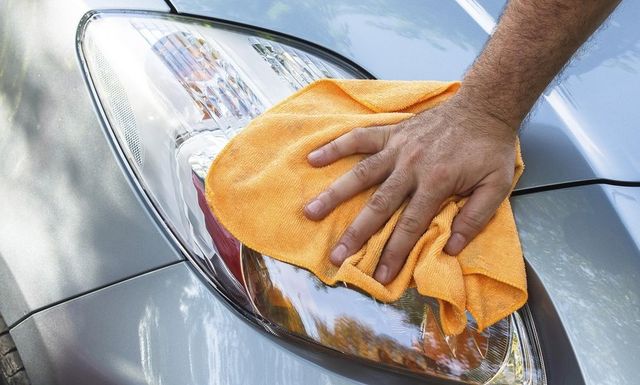
Dry your car with a soft microfiber towel. Avoid regular towels or rags that can scratch. Pat the surface instead of rubbing. Work from top to bottom to catch drips. Drying quickly prevents water spots and streaks.
Waxing Your Car
Waxing your car protects the paint and keeps it shiny. It creates a barrier against dirt, water, and sunlight. Wax also makes washing easier and prevents damage over time. Follow these steps to wax your car properly and achieve a smooth, glossy finish.
Picking The Best Wax Type
Choose a wax that fits your needs and budget. Paste wax lasts longer but needs more effort to apply. Liquid wax is easier to spread and good for quick jobs. Spray wax offers fast application but wears off faster. Look for carnauba wax for a deep shine or synthetic wax for long-lasting protection.
Applying Wax Correctly
Apply wax on a clean, dry car in the shade. Use a foam or microfiber applicator pad. Work in small sections using circular motions. Apply a thin, even layer of wax. Avoid thick layers as they take longer to dry and buff off.
Buffing For Maximum Shine
Let the wax dry until it looks hazy. Use a clean microfiber cloth to buff the surface. Use light pressure and circular motions to remove residue. Buffing reveals a smooth, glossy finish. Change cloth sides often to avoid smearing wax back onto the paint.
Waxing Frequency Tips
Wax your car every three to four months. This keeps the paint protected and shiny. More frequent waxing may be needed in harsh weather or heavy use. Regular waxing saves paint from fading and damage. Avoid waxing over dirt or dust to prevent scratches.

Credit: www.turtlewax.com
Maintaining The Shine
Maintaining the shine of your car keeps it looking fresh and new. A bright, glossy finish shows care and protects the paint. Regular attention helps keep the wax layer strong and dirt-free. Small steps between full washes make a big difference. Protecting the car from harsh elements extends the life of the shine.
Quick Wash Between Full Washes
Use a gentle car shampoo for quick washes. These remove dust and light dirt without harming the wax. Rinse the car well with water to avoid scratches. Use a soft sponge or microfiber cloth to clean. Focus on areas that collect grime like wheels and bumpers. Quick washes keep dirt from building up and dulling the shine.
Using Detail Sprays
Detail sprays refresh the shine without a full wash. Spray lightly on the car’s surface and wipe with a clean cloth. These sprays add a thin protective layer that boosts gloss. They remove fingerprints, dust, and water spots easily. Use detail sprays regularly to keep the car looking polished between washes.
Protecting Against Environmental Damage
Park your car in shaded or covered areas to avoid sun damage. UV rays can fade and dull the paint quickly. Bird droppings and tree sap can eat into the wax and paint. Clean these off immediately using a gentle cleaner. Wax acts as a barrier, but regular care is needed to prevent damage. Cover your car if you leave it outside for long times.
Troubleshooting Common Issues
Troubles can happen during washing and waxing. They can spoil your car’s shine. Knowing how to fix these problems helps keep the car looking great. Below are common issues and easy solutions.
Removing Water Spots
Water spots leave white marks on your car’s paint. They happen when water dries too fast. Use a mix of equal parts water and white vinegar. Spray on the spots and wipe gently with a soft cloth. This breaks down the minerals causing the spots. Rinse with clean water and dry with a microfiber towel for best results.
Fixing Wax Streaks
Wax streaks look like uneven patches or cloudy areas. They appear if you apply wax too thick or miss spots while buffing. Use a clean microfiber cloth to buff the area in small circles. Light pressure works best. If streaks remain, apply a little more wax and buff again. This evens out the wax layer and restores shine.
Dealing With Scratches
Small scratches can ruin a smooth finish. Use a scratch remover product designed for cars. Apply a small amount on a soft cloth. Rub gently on the scratch in a circular motion. Wipe off the excess and check results. Repeat if needed. For deep scratches, visit a professional for repair to avoid more damage.

Credit: www.thedetailingmafia.com
Frequently Asked Questions
How Often Should I Wash My Car To Maintain Shine?
Wash your car every two weeks to remove dirt and contaminants. Regular washing prevents paint damage and maintains a glossy finish. Use gentle car soap and soft cloths for best results.
What Is The Best Technique For Waxing A Car?
Apply wax in thin, even layers using a foam applicator. Work in small sections and allow wax to haze before buffing. This method ensures a smooth, long-lasting protective coat.
Can I Wash My Car In Direct Sunlight?
Avoid washing your car in direct sunlight to prevent soap spots. Heat causes water and soap to dry too quickly. Choose a shaded area or wash during cooler parts of the day.
Should I Wax My Car After Every Wash?
No, waxing every 2-3 months is sufficient for protection. Over-waxing can cause buildup and dull the finish. Regular washing between waxing keeps your car clean and shiny.
Conclusion
Washing and waxing your car keeps it looking fresh and new. Clean the surface gently to avoid scratches. Use quality wax to protect the paint. Regular care helps your car shine longer. It also stops dirt and damage. A little effort goes a long way.
Take your time and enjoy the process. Your car will thank you with a great look. Keep these steps in mind for lasting results. Simple care makes a big difference.

