

You want your car to look great and last longer, right? But how often should you wash and wax it to keep that shine and protect your paint?
Washing and waxing your car isn’t just about appearances—it can save you money by preventing damage. If you’re unsure about the best routine, this guide will clear things up. Keep reading to discover simple tips that make caring for your car easy and effective.
Your car deserves the best, and so do you.
Frequency Of Car Washing
Keeping your car clean is important for its look and value. Knowing how often to wash it helps protect the paint and parts. Washing too little can cause dirt and damage. Washing too much might wear down the paint. Finding the right balance matters for every car owner.
Factors Influencing Wash Intervals
Road conditions affect how often to wash your car. Dusty or muddy roads make cars dirty fast. Salt from winter roads can cause rust. Bird droppings and tree sap harm paint quickly. Parking under trees might increase dirt and debris. Consider these factors to decide your washing schedule.
Washing Schedules For Different Climates
In dry climates, cars stay cleaner longer. Washing every two weeks may be enough there. Rainy or humid areas cause more dirt and grime. Wash your car once a week in wet climates. Snowy regions need regular washing to remove salt. Adjust your schedule to fit the weather around you.
Impact Of Driving Habits On Washing Frequency
How often you drive affects car cleanliness. Long trips on highways may bring less dirt. Short trips in the city expose your car to more grime. Off-road driving needs more frequent washing. Frequent driving in dusty places calls for quick washes. Tailor washing to your driving style for best results.
Credit: www.peoriavw.com
Timing For Wax Application
Applying wax to your car at the right time keeps it protected and shiny. Wax creates a barrier against dirt, water, and harmful UV rays. Knowing the best time to wax helps maintain your car’s look and value. Regular waxing also makes washing easier and prevents paint damage.
Benefits Of Regular Waxing
Waxing your car often keeps the paint safe from fading and scratches. It adds a smooth layer that repels water and dust. This layer makes the car look glossy and new. Regular waxing also stops rust and dirt buildup. Your car stays cleaner for longer periods.
Seasonal Waxing Recommendations
Wax more in harsh weather seasons. Before winter, wax protects against salt and snow. In summer, wax guards against sun damage and bird droppings. Spring and fall are good times to clean off old wax and apply fresh layers. This keeps protection strong all year.
Signs Your Car Needs Waxing
Look for dull or faded paint to know when to wax. Water no longer beads on the surface. The car feels rough or dry when you touch it. Dirt sticks more easily and washing takes longer. These signs mean the wax layer has worn off.
Types Of Car Wash Methods
Choosing the right car wash method keeps your vehicle clean and protects its paint. Different methods suit different needs and budgets. Understanding these options helps you care for your car better.
Some methods focus on convenience, while others prioritize thorough cleaning or eco-friendliness. Each has pros and cons to consider before washing or waxing your car.
Hand Washing Vs. Automated Washes
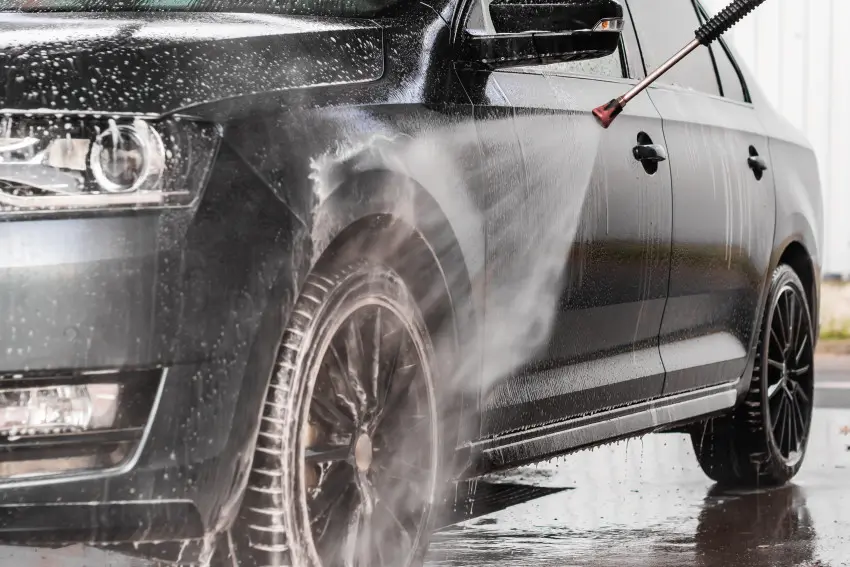
Hand washing lets you clean every detail carefully. You control the pressure and avoid scratches. It takes more time but can be gentler on your car’s paint.
Automated washes are fast and easy. Machines use brushes or cloth strips to clean the car. Some may cause minor scratches if brushes are dirty. Choose touchless options to reduce this risk.
Eco-friendly Washing Options
Waterless car washes use special sprays to clean without rinsing. They save water and reduce pollution. Ideal for areas with water restrictions or if you want to protect the environment.
Biodegradable soaps break down quickly and harm nature less. Use them if washing at home. Avoid runoff into storm drains to protect local waterways.
Common Mistakes To Avoid
Never wash your car under direct sunlight. It causes soap to dry too fast and leaves spots. Use shade or wash during cooler parts of the day.
Avoid using household detergents. They strip wax and damage paint. Use car-specific shampoos instead.
Don’t reuse dirty towels or sponges. They can scratch the surface. Use clean, soft cloths or microfiber towels for drying.
Choosing The Right Wax
Choosing the right wax for your car is important. The wax protects your car’s paint and keeps it shiny. Different waxes work best for different needs and conditions. Understanding the types of wax and how to use them helps you keep your car looking great longer.
Natural Vs. Synthetic Waxes
Natural waxes come from plants, like carnauba wax. They give a deep, warm shine. Natural waxes protect well but may not last very long. Synthetic waxes are made in labs. They create a strong, long-lasting shield. Synthetic waxes often resist dirt and water better than natural ones. Choose natural wax for shine. Choose synthetic for durability.
Wax Formulations And Their Effects
Waxes come in paste, liquid, and spray forms. Paste wax usually lasts the longest. It needs more effort to apply. Liquid wax is easy to spread and dries fast. Spray wax is quick but may not protect as long. Some waxes include extra cleaners or sealants. Pick the formulation that suits your time and protection needs.
How To Apply Wax Properly
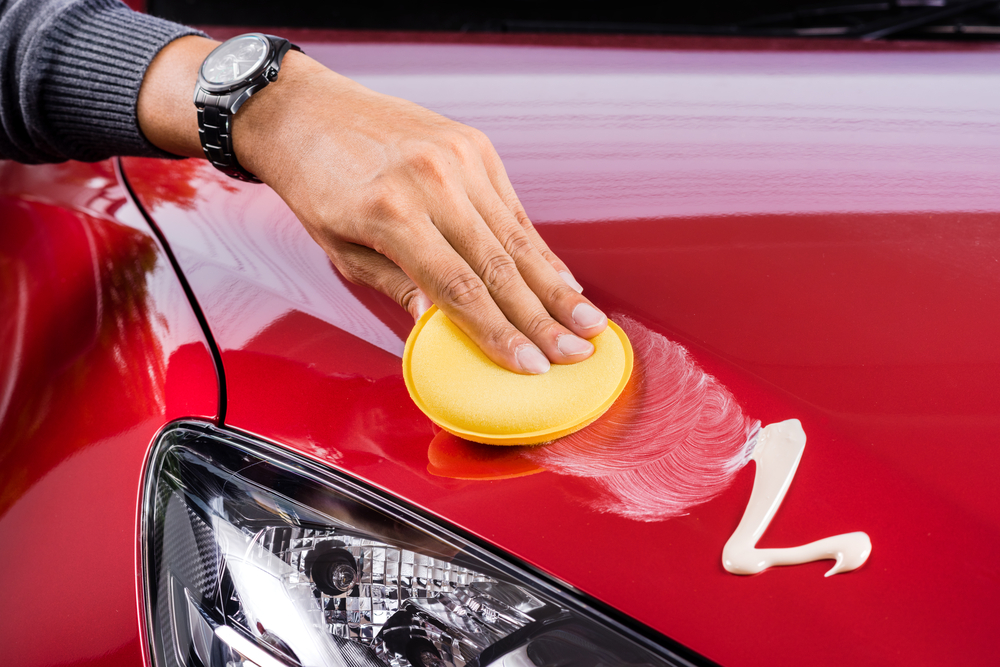
Start with a clean, dry car surface. Use a soft cloth or foam applicator to apply wax. Apply wax in small, circular motions. Let the wax dry until it looks hazy. Buff off the wax with a clean microfiber cloth. Avoid applying wax in direct sunlight or on hot surfaces. Proper application makes your wax work better and last longer.
Maintaining Paint Protection
Keeping your car’s paint in good shape takes regular care. Dirt, sun, and rain can harm the paint over time. Washing helps remove dirt, but waxing adds a protective layer. This protection keeps the paint shiny and safe. Understanding how to protect your car’s paint helps it look new longer. Simple steps can make a big difference.
Role Of Wax In Paint Longevity
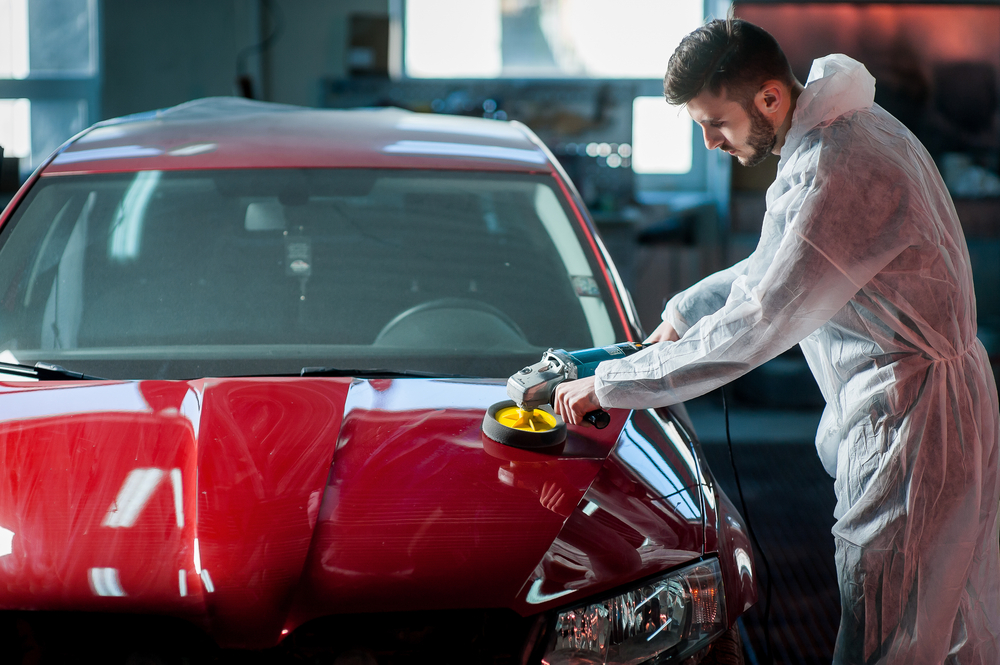
Wax acts like a shield for your car’s paint. It blocks harmful UV rays from the sun. These rays can fade and dry out the paint. Wax also stops water and dirt from sticking to the surface. This prevents stains and rust spots. Applying wax every few months keeps the paint fresh. It slows down damage and extends the life of your paint.
Additional Protective Coatings
Besides wax, other coatings offer strong protection. Ceramic coatings create a hard layer on the paint. This layer resists scratches and chemicals better than wax. Paint sealants also protect by creating a smooth surface. They last longer than wax but need fewer applications. These options help keep your car’s paint safe in tough conditions.
Tips For Long-lasting Shine
Wash your car regularly to remove dirt and grime. Use gentle soap made for cars to avoid damage. Dry the car with a soft cloth to prevent water spots. Apply wax or sealant after washing for the best results. Avoid washing in direct sunlight to stop streaks. Store your car in shade to protect paint from the sun.
Credit: www.washmenow.ca
Cost And Time Considerations
Washing and waxing a car takes both money and time. These factors affect how often car care happens. Balancing cost and time helps keep a car looking good without stress. Understanding these details makes car maintenance easier and more effective.
Budgeting For Car Care
Car washing and waxing costs vary a lot. DIY supplies cost less but add up over time. Professional services cost more per visit but save effort. Set a monthly or yearly budget for car care. This helps avoid surprises and keeps the car in good shape.
Time Investment For Washing And Waxing
Washing a car usually takes 30 to 60 minutes. Waxing needs more time, often up to an hour. Doing both on the same day can take two hours or more. Regular care spreads the time needed over weeks. This makes car care less tiring and more manageable.
Diy Vs. Professional Services
Doing car care yourself saves money and gives control. It needs time, effort, and some skill. Professional services cost more but save time and hassle. They offer better results for hard-to-reach spots. Choose the option that fits your budget and schedule best.
Special Cases And Exceptions
Some cars need special care for washing and waxing. Different conditions affect how often and how you should clean your car. This section talks about unique cases that need extra attention. Understanding these helps keep your car’s paint safe and looking good.
Washing And Waxing New Cars
New cars have a fresh factory paint layer. This layer can be delicate at first. Avoid washing or waxing new cars too soon. Wait at least 30 days before the first wax. Gentle washing with soft cloths is best in the beginning. This protects the paint from scratches and damage.
Handling Older Or Damaged Paint
Old paint can be thin or cracked. Washing too hard may cause more damage. Use mild soap and soft sponges for cleaning. Waxing older paint helps protect it but don’t overdo it. Apply wax less often to avoid buildup. Watch for peeling or flaking paint and treat it carefully.
Adjusting Care For Specialty Vehicles
Specialty vehicles include sports cars, vintage cars, and those with matte paint. Matte paint needs no wax; it can dull the finish. Use cleaners made for matte surfaces. Sports and vintage cars may need extra cleaning after drives. Use high-quality wax to protect these cars well. Tailor care routines to the vehicle’s specific needs.
Credit: www.fbitn.com
Frequently Asked Questions
How Often Should I Wash My Car?
Wash your car every two weeks to remove dirt and grime. Frequent washing protects paint and prevents rust. In harsh conditions, wash more often to maintain appearance and value.
When Is The Best Time To Wax A Car?
Wax your car every three months for optimal protection. Waxing creates a protective layer against UV rays and contaminants. Regular waxing keeps the paint shiny and prolongs its life.
Can Washing Too Often Damage Car Paint?
Washing too often can damage paint if done improperly. Use gentle soap and soft cloths to avoid scratches. Proper technique and products prevent damage while keeping your car clean.
Does Waxing Improve Car Paint Durability?
Yes, waxing improves paint durability by adding a protective barrier. It shields against sun, rain, and dirt. Regular waxing maintains the car’s glossy finish and resale value.
Conclusion
Washing and waxing your car keeps it looking clean and new. Wash it every two weeks to remove dirt and grime. Wax your car every three months to protect the paint. This routine helps prevent damage from weather and road salt.
Clean cars also hold their value better over time. A little effort goes a long way in care. Keep your car shining and protected with regular care. Simple steps make a big difference for your vehicle.


