

Do you know when your car really needs an oil change? Ignoring this simple task can lead to big problems and costly repairs.
But how can you tell if it’s time to change the oil without guessing? You’ll discover easy signs your car is trying to tell you it needs fresh oil. By paying attention to these clues, you’ll keep your engine running smoothly and avoid unexpected breakdowns.
Keep reading to find out exactly what to look for and how to protect your car’s health.
Check The Mileage
Checking your car’s mileage is a simple way to know when it needs an oil change. Cars have a recommended number of miles to drive before changing the oil. This number helps keep the engine healthy and running well.
Every car model has different mileage guidelines. Usually, the range is between 3,000 and 7,500 miles. Following this advice prevents engine damage and costly repairs.
Find Your Car’s Oil Change Interval
Look in the owner’s manual to see the oil change interval. It tells the exact mileage for your car model. This number is based on the engine type and oil used.
Track Your Current Mileage
Check the odometer to see how many miles you have driven since the last oil change. Keep a note or use an app to track this number. It helps you remember when the next oil change is due.
Consider Driving Conditions
Short trips and stop-and-go traffic can wear out oil faster. In tough conditions, change oil sooner than the recommended mileage. This keeps your engine clean and protects parts from damage.
Monitor Oil Color And Consistency
Monitoring your car’s oil color and consistency helps spot problems early. Clean oil is vital for engine health. It reduces friction and keeps parts running smoothly.
Checking oil regularly prevents engine damage and costly repairs. Learn how to identify signs that your oil needs changing.
Check The Oil Color
Fresh oil is amber or light brown. Over time, oil darkens as it collects dirt and engine particles. Very dark or black oil means it is dirty and needs replacement. If oil looks milky or frothy, it might indicate water or coolant contamination.
Feel The Oil Consistency
Oil should feel smooth and slick between your fingers. Gritty or rough oil means dirt or metal particles are present. Thick or sticky oil shows it has broken down and lost effectiveness. Thin, watery oil suggests it may be mixed with fuel or coolant.
Use The Dipstick Correctly
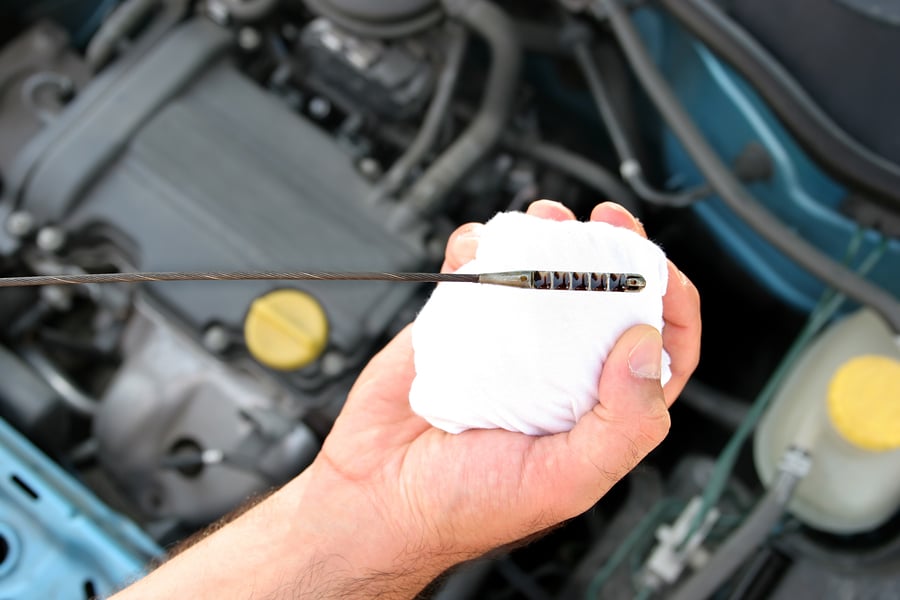
Pull out the dipstick and wipe it clean. Reinsert it fully, then pull it out again to check oil color and texture. Hold the dipstick up to the light to see the color clearly. Smell the oil; burnt smell signals old oil. Regular dipstick checks help catch oil problems early.
Watch For Engine Noise
Engine noise can tell a lot about your car’s health. Oil keeps engine parts moving smoothly and quietly. Old or low oil makes the engine work harder. This causes unusual sounds. Listening to your engine helps catch problems early.
Identifying Unusual Ticking Or Knocking Sounds
Ticking or knocking sounds often come from low oil levels. Oil cushions metal parts inside the engine. Without enough oil, parts hit each other. This creates a ticking or knocking noise. Pay attention to these sounds during startup or acceleration.
Noticing Loud Or Rough Engine Operation
A loud or rough engine can mean oil is old or dirty. Clean oil reduces friction and noise. Dirty oil cannot protect engine parts well. The engine may sound harsh or rough. This noise shows the oil needs changing soon.
Recognizing Engine Noise During Idling
Engine noise while idling is a clear warning sign. The engine should run smoothly when idle. If you hear grinding or rattling, check the oil. Poor oil condition causes these noises. Regular oil changes keep the engine quiet at idle.
Look For Oil Warning Light
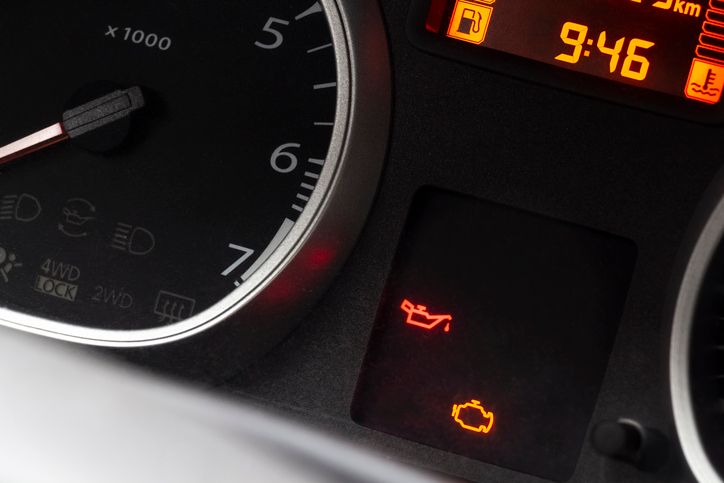
The oil warning light on your car’s dashboard is a key sign of oil issues. It alerts you to low oil pressure or low oil level. Ignoring this light can cause serious engine damage.
Understanding this warning helps you act fast. It can save repair costs and keep your car running smoothly.
What Does The Oil Warning Light Mean?
The oil warning light shows up when oil pressure drops. This means oil might not be circulating well. Low oil pressure can hurt engine parts.
The light can also mean low oil level. Oil may leak or burn off without you noticing. The warning light tells you to check the oil.
When The Oil Warning Light Comes On
If the light glows while driving, stop the car safely. Turn off the engine to avoid damage. Check the oil level with the dipstick.
Add oil if the level is low. If the light stays on, call a mechanic. The problem could be more serious.
Ignoring The Oil Warning Light Risks
Driving with the oil light on can cause engine failure. Oil keeps the engine parts cool and clean. Without enough oil, parts wear out fast.
Ignoring this warning can lead to costly repairs. Regular oil changes help prevent this issue. Pay attention to the light to protect your car.
Notice Reduced Fuel Efficiency
Notice reduced fuel efficiency is a key sign your car needs an oil change. Old or dirty oil makes the engine work harder. This leads to using more fuel than usual. You might feel your car is not driving as smoothly. The miles per gallon (MPG) can drop without clear reasons.
Fuel efficiency drops slowly. You may not see it right away. Paying attention to this change can save money on gas and repairs. Clean oil helps the engine run well and burn fuel better. Dirty oil thickens and causes friction inside the engine. This reduces power and wastes fuel.
How Dirty Oil Affects Fuel Economy
Dirty oil loses its ability to lubricate engine parts. This causes more friction and heat. The engine works harder to move parts. More effort means more fuel is needed. Over time, this reduces your car’s fuel economy. Changing oil regularly keeps the engine clean and smooth.
Signs Of Reduced Fuel Efficiency
You may notice you fill up the gas tank more often. The car might feel sluggish during acceleration. The engine can sound rough or louder than usual. These signs often point to dirty oil. Tracking your fuel usage helps detect this early.
Checking Your Car’s Fuel Efficiency
Monitor your mileage regularly. Write down how many miles you travel per tank. Compare it to past records. A sudden drop in miles per gallon is a red flag. Use a fuel log or app to track this easily. This simple step can help catch oil problems fast.

Credit: www.youtube.com
Detect Overheating Issues
Detecting overheating issues can help you know when your car needs an oil change. Engine oil keeps the engine cool and running smoothly. Low or dirty oil causes the engine to heat up quickly. Overheating may damage engine parts and lead to costly repairs.
Watch for signs of overheating to protect your car. Early detection allows you to fix oil problems before serious damage occurs.
Check The Temperature Gauge
The temperature gauge on your dashboard shows the engine heat level. If the needle moves into the red zone, the engine is too hot. This may mean the oil is old or not enough. Stop driving and check the oil immediately.
Look For Warning Lights
Your car has warning lights for engine problems. A glowing thermometer or oil can symbol means trouble. These alerts often appear if the engine oil is low or dirty. Do not ignore these lights. They need quick attention.
Notice Strange Smells Or Smoke
Burning oil smells or smoke from under the hood signal overheating. These signs show the oil may be breaking down. Old oil loses its ability to cool the engine. Check oil condition and level at once.
Feel For Engine Heat
Touch the hood or engine area carefully after driving. If it feels hotter than usual, overheating might be happening. Warm engine parts mean the oil is not doing its cooling job. Consider an oil change to fix this.
Check For Exhaust Smoke
Checking your car’s exhaust smoke gives clues about oil health. Smoke color and amount tell you about engine issues.
Watching the exhaust can alert you to oil problems early. It helps avoid costly repairs and keeps your car running well.
White Smoke From The Exhaust
White smoke means coolant or water enters the engine. It can also show a bad head gasket or oil seal. This smoke is thin and looks like steam.
Blue Or Gray Smoke From The Exhaust
Blue or gray smoke means burning oil inside the engine. It shows worn piston rings or valve seals. This smoke is thin and smells oily.
Black Smoke From The Exhaust
Black smoke means too much fuel burns in the engine. It can happen if oil is dirty or thick. This smoke is thick and smells strong.
When To Act On Exhaust Smoke
Notice smoke during startup or driving. Smoke that lasts or grows means a problem. Changing oil on time can stop smoke and protect the engine.
Feel For Engine Performance Changes
Feeling changes in your engine’s performance is a key sign that your car might need an oil change. Oil keeps the engine parts moving smoothly and stops them from wearing out. When the oil gets old or dirty, the engine can start to feel different. You might notice less power or strange noises. These signs help you know it’s time for fresh oil.
Reduced Acceleration And Power
The car may not speed up like before. It might feel slow or weak. Old oil makes the engine work harder. This reduces the power the car can give. Pay attention if your car struggles on hills or during quick starts.
Rough Engine Idle
The engine might shake or vibrate more than usual when stopped. Rough idling is a sign oil is losing its strength. Clean oil helps the engine run smoothly even when idle. Notice if your car feels shaky or uneven at stoplights.
Strange Engine Noises
Listen for knocking or ticking sounds from the engine. These noises can mean parts aren’t lubricated well. Old oil loses its ability to protect the engine parts. New oil reduces friction and noise, keeping the engine quiet.
Inspect Oil Level Regularly
Checking your car’s oil level often helps keep the engine healthy. Oil lubricates engine parts and stops them from wearing out fast. Low or dirty oil can cause serious damage.
Regular oil checks catch problems early. This saves money and avoids breakdowns. It only takes a few minutes but protects your car a lot.
Locate The Dipstick
Open the car hood and find the oil dipstick. It usually has a bright handle. Pull it out carefully. Wipe it clean with a cloth or paper towel.
Check Oil Level On Dipstick
Insert the dipstick back fully into its tube. Pull it out again and look at the oil mark. Oil should be between the low and full marks. Below low means you need more oil.
Inspect Oil Color And Texture
Good oil is amber and clear. Dark or black oil means it is dirty and old. If oil feels gritty or thick, it needs changing soon. Clean oil protects the engine better.
Set A Regular Schedule
Check oil every few weeks or before long trips. Keep a reminder on your phone or calendar. Regular checks help you spot leaks or oil burning early.
Credit: www.hollenshades.com
Follow Manufacturer’s Recommendations
Following the manufacturer’s recommendations is the best way to know when your car needs an oil change. Every car model has specific guidelines for oil change intervals. These guidelines are made to keep your engine running smoothly and avoid damage.
The owner’s manual contains all the important details about oil type and change frequency. Ignoring these instructions can lead to engine problems and costly repairs. The manufacturer tests the car and knows the best schedule for maintenance.
Check The Owner’s Manual
The owner’s manual is the first place to check for oil change advice. It tells you how often to change oil based on mileage or time. It also lists the right oil type for your engine. Follow these instructions closely to protect your car.
Understand Oil Change Intervals
Oil change intervals vary by car model. Some cars need changes every 3,000 miles, others every 7,500 miles or more. The manual gives clear numbers to follow. Stick to these intervals to keep your engine clean and efficient.
Follow Oil Type Recommendations
Using the correct oil type is important. The manufacturer specifies the grade and quality of oil. The wrong oil can harm engine parts or reduce fuel efficiency. Always use the recommended oil for the best results.
Credit: www.hoodsupquicklube.com
Frequently Asked Questions
How Often Should I Change My Car’s Oil?
Most cars need an oil change every 3,000 to 5,000 miles. Check your owner’s manual for specific intervals. Regular changes keep your engine running smoothly and prevent damage.
What Are Signs My Car Needs An Oil Change?
Look for dark, dirty oil, engine noise, or warning lights. Also, check for sluggish performance or unusual exhaust smoke. These signs indicate it’s time for an oil change.
Can Low Oil Levels Cause Engine Problems?
Yes, low oil can cause engine overheating and wear. It reduces lubrication, increasing friction and potential damage. Regularly check and top off oil to avoid issues.
Why Is My Oil Change Light On?
The oil change light signals that your oil needs replacing. It activates based on mileage or oil quality sensors. Don’t ignore it; schedule an oil change soon.
Conclusion
Knowing the signs of an oil change keeps your car running well. Dark, thick oil means it’s time to change. Strange engine noises or warning lights also signal a need. Regular oil changes protect your engine and save money. Check your oil level often to avoid problems.
Clean oil helps your car drive smoothly and last longer. Don’t wait for trouble—stay ahead with simple oil care. Your car will thank you with better performance and fewer repairs. Keep an eye on oil; it’s key to safe driving.


