

Is your bike or car making strange noises every time you brake? A bent disc brake rotor might be the cause.
It can feel frustrating and even unsafe, but fixing it doesn’t have to mean costly replacements or trips to the mechanic. What if you could learn a simple way to straighten that rotor yourself? In this guide, you’ll discover easy, step-by-step tips to get your brakes working smoothly again.
Keep reading, and take control of your ride’s safety and performance right now.
Signs Of A Bent Rotor
A bent disc brake rotor can cause several issues while riding. It affects the bike’s safety and comfort. Spotting the signs early helps prevent bigger problems. Knowing these signs lets you fix the rotor on time. This section explains the common symptoms and how braking performance changes.
Common Symptoms
A bent rotor often causes a noticeable wobble. You may hear a clicking or rubbing noise. The brake lever might feel uneven or pulsing. Vibrations can travel through the handlebars or pedals. Visual checks show a rotor that moves side to side.
Impact On Braking Performance
Braking becomes less smooth with a bent rotor. You might need more force to stop the bike. The brake pads wear out faster and unevenly. Stopping distances can increase, raising safety risks. Consistent pressure on the brake lever may feel hard to maintain.
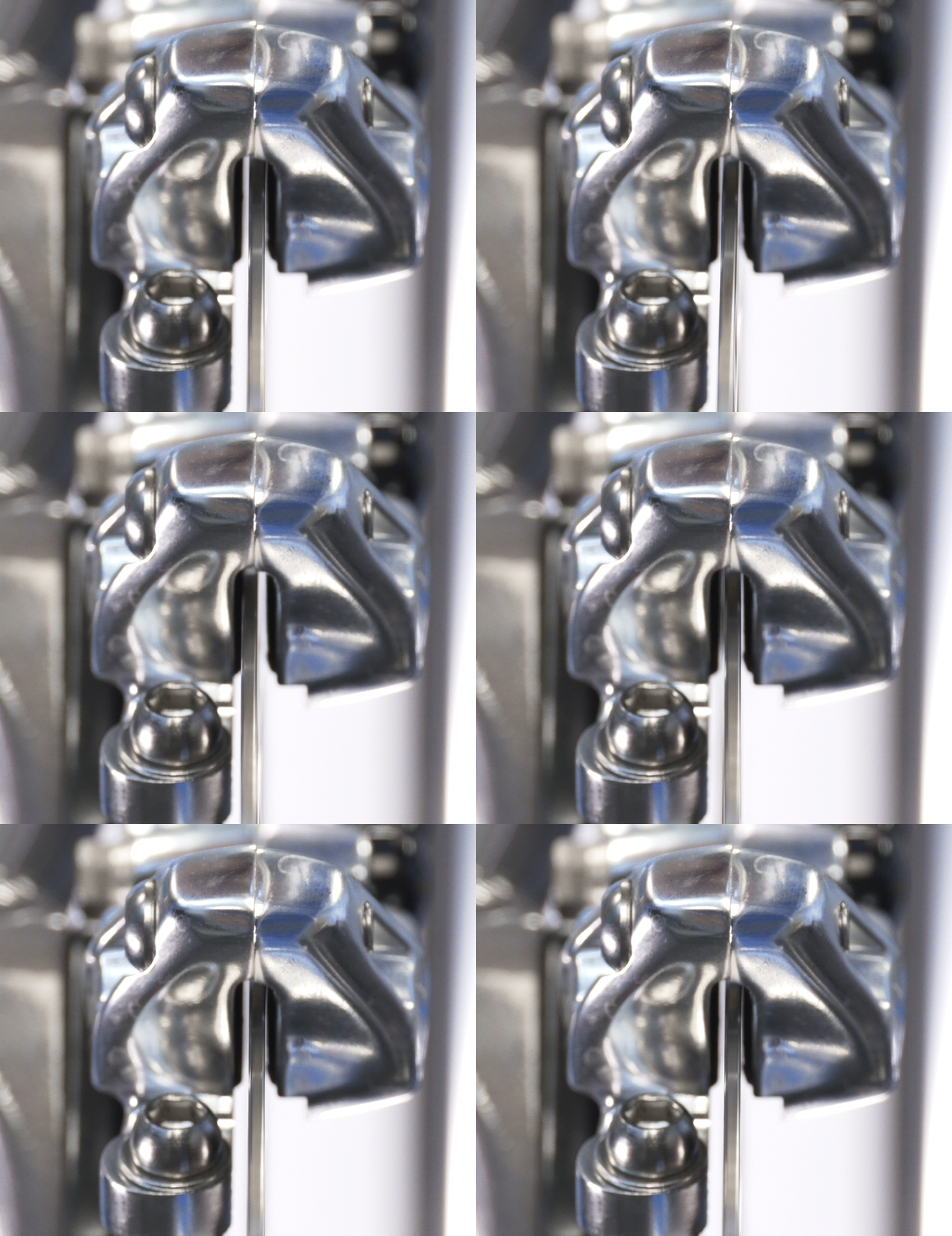
Credit: www.parktool.com
Tools Needed For Repair
Fixing a bent disc brake rotor needs the right tools. Having these tools ready makes the repair easier and safer. You don’t need many items, but the correct ones help you get the job done properly.
Essential Tools
A repair stand or bike frame stand helps hold the wheel steady. A dial indicator or rotor truing gauge measures how bent the rotor is. A rubber mallet or small hammer helps gently bend the rotor back. You also need a wrench or Allen key to remove the wheel and rotor if needed. A clean cloth wipes dirt and grease off the rotor surface before and after repair.
Safety Gear
Wear safety glasses to protect your eyes from metal shards or debris. Gloves protect your hands from sharp edges on the rotor. Use ear protection if you work in a noisy area. Dress in close-fitting clothes to avoid catching on bike parts.
Preparing The Bike
Preparing your bike is the first step to straighten a bent disc brake rotor. A clean and accessible rotor makes the repair easier. Start by removing the wheel and cleaning the rotor. These steps help you see the damage clearly and work safely.
Removing The Wheel
Flip your bike upside down or place it on a stand. Loosen the quick-release lever or unscrew the axle nuts. Carefully take the wheel off the bike frame. Keep the wheel in a safe place. Removing the wheel gives you full access to the rotor. It also stops the bike from moving while you work.
Cleaning The Rotor
Use a clean rag and rubbing alcohol to wipe the rotor. Remove all dirt, grease, and brake dust. A clean rotor shows bends and damage clearly. Avoid touching the rotor with bare hands. Oils from your skin can reduce braking power. Clean the rotor thoroughly before you start straightening it.

Credit: www.youtube.com
Methods To Straighten The Rotor
Bent disc brake rotors can cause noise and reduce braking power. Straightening the rotor helps restore smooth braking and safety. Several methods exist to fix a bent rotor. Each method uses different tools and techniques. Choose one that fits your tools and skills.
Using A Rotor Truing Tool
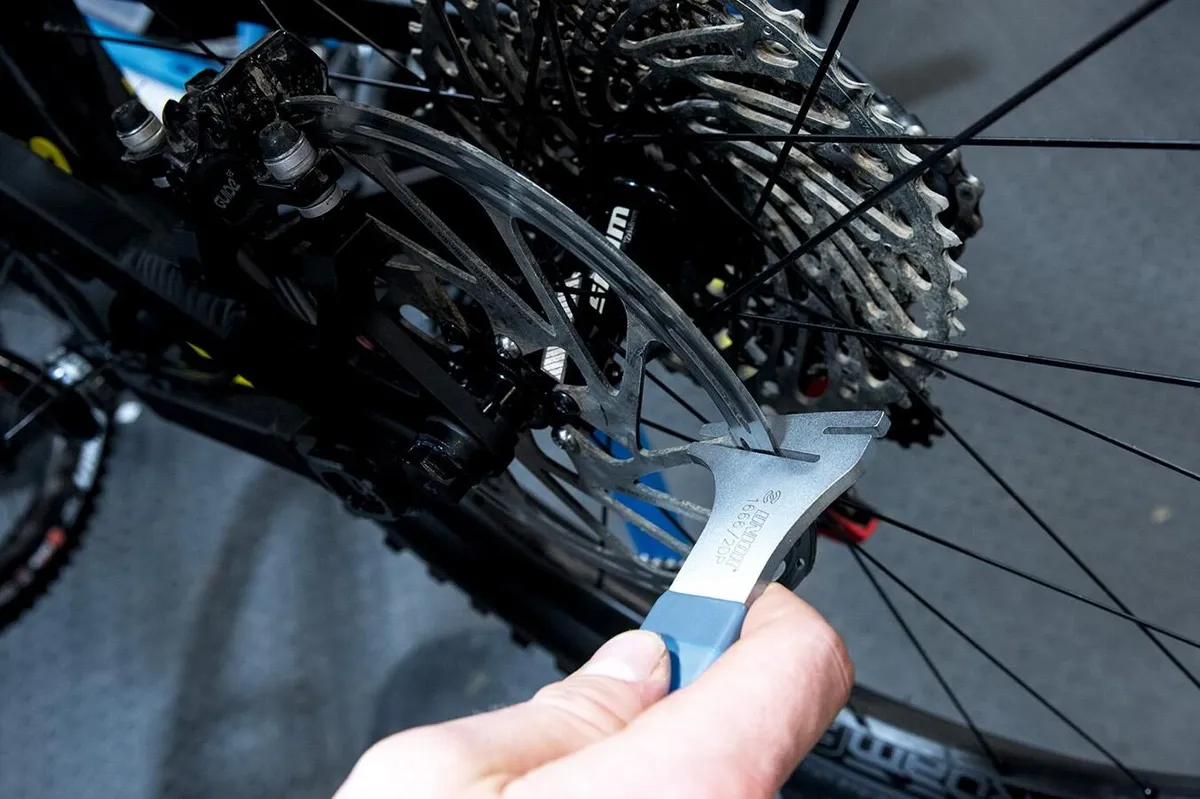
A rotor truing tool is made to fix bent rotors easily. It grips the rotor and lets you bend it back gently. Place the tool on the bent area. Turn the knob slowly to push the rotor straight. Check the rotor often to avoid over-bending. This tool gives precise control and reduces damage risk.
Diy Fix With An Adjustable Wrench
An adjustable wrench can fix a bent rotor in a pinch. Hold the rotor firmly with one hand. Use the wrench to apply gentle pressure on the bent spot. Bend the rotor slowly back to shape. Move the wheel to check rotor alignment. Repeat the process until it spins evenly. Be careful not to use too much force.
Alternative Techniques
Other ways include using a hammer and a block of wood. Place the wood behind the rotor bend. Tap gently with the hammer to straighten the metal. Another way is heating the bent area slightly. Warm metal bends easier but do not overheat. Always test the rotor after any fix. These methods require caution and patience.
Checking Rotor Alignment
Checking rotor alignment is a key step before straightening a bent disc brake rotor. It helps identify if the rotor is damaged or just slightly out of shape. Proper alignment ensures smooth braking and avoids further damage.
Begin by examining the rotor carefully. Then test its spin to spot any wobble or uneven movement. These checks guide you on how much correction the rotor needs.
Visual Inspection
Look closely at the rotor surface. Check for any visible bends or warps. Use a flashlight to see small cracks or dents. A bent rotor may show uneven gaps between the rotor and brake pads. Mark any spots that look out of place.
Inspect the rotor edges too. Bent edges often cause noise or vibration during braking. Note if the rotor looks thicker on one side. This uneven wear means the rotor needs straightening or replacement.
Spin Test
Spin the wheel slowly to watch the rotor movement. Look for side-to-side wobbling. A smooth spin means the rotor is aligned. Wobbling shows the rotor is bent and touching brake pads unevenly.
Listen for rubbing sounds as the rotor spins. These sounds indicate misalignment. Try spinning the wheel while pressing the brake lever. This test reveals if the rotor rubs more under pressure. Use this information to plan your repair steps.
Preventing Future Bends
Preventing future bends in your disc brake rotor keeps your bike safe and performing well. Small bends can grow into bigger problems fast. Taking steps to avoid damage saves money and time on repairs. Simple habits and regular care help your rotor last longer and work smoothly.
Proper Riding Habits
Ride carefully over rough roads and obstacles. Avoid hitting curbs or potholes at high speed. Slow down on uneven surfaces to reduce stress on the rotor. Use brakes gently instead of sudden hard stops. Keep your bike balanced to prevent side impacts. These habits protect your rotor from bending.
Regular Maintenance Tips
Check your rotor for damage before each ride. Clean your brakes and rotors to remove dirt and debris. Tighten bolts and screws to keep parts secure. Replace worn brake pads to avoid uneven pressure. Have a mechanic inspect your brakes regularly. Routine care prevents small issues from becoming serious.
Credit: www.bikeradar.com
Frequently Asked Questions
How Can I Tell If My Disc Brake Rotor Is Bent?
A bent rotor causes uneven brake pad wear and a pulsating brake pedal. You may also hear a rubbing or scraping noise while braking. Visual inspection can reveal warping or visible bends on the rotor surface.
What Tools Do I Need To Straighten A Bent Rotor?
You need a rotor truing tool or an adjustable wrench, a dial indicator for precision, and safety gloves. Some may also use a rubber mallet or a rotor straightening jig for better control during the process.
Is It Safe To Straighten A Bent Disc Brake Rotor?
Yes, if done carefully, straightening is safe and restores braking performance. However, severe bends may compromise rotor integrity, requiring replacement. Always inspect for cracks or significant damage before deciding to straighten.
How Do I Prevent My Disc Brake Rotor From Bending?
Avoid aggressive braking and sudden impacts. Regularly check rotor alignment and keep the wheel properly secured. Ensure brake calipers and pads are correctly installed to minimize uneven pressure and rotor stress.
Conclusion
Straightening a bent disc brake rotor can save time and money. Take your time and work carefully to avoid damage. Use the right tools and follow safety steps. Check the rotor often to see your progress. A smooth rotor helps your brakes work better and last longer.
Keep your bike or car safe by fixing brake issues quickly. With patience, you can fix minor bends at home. Remember, proper care keeps your ride running smoothly.


