
Your car’s braking system is one of the most important parts to keep safe and working smoothly. If your brake calipers and rotors get dirty, it can affect how well your brakes perform—and that’s not something you want to risk.
But cleaning these parts might seem tricky if you’ve never done it before. Don’t worry. In this guide, you’ll learn simple, step-by-step ways to clean your brake calipers and rotors like a pro. By the end, you’ll know exactly how to keep your brakes in top shape and drive with confidence.
Ready to get started? Let’s dive in.
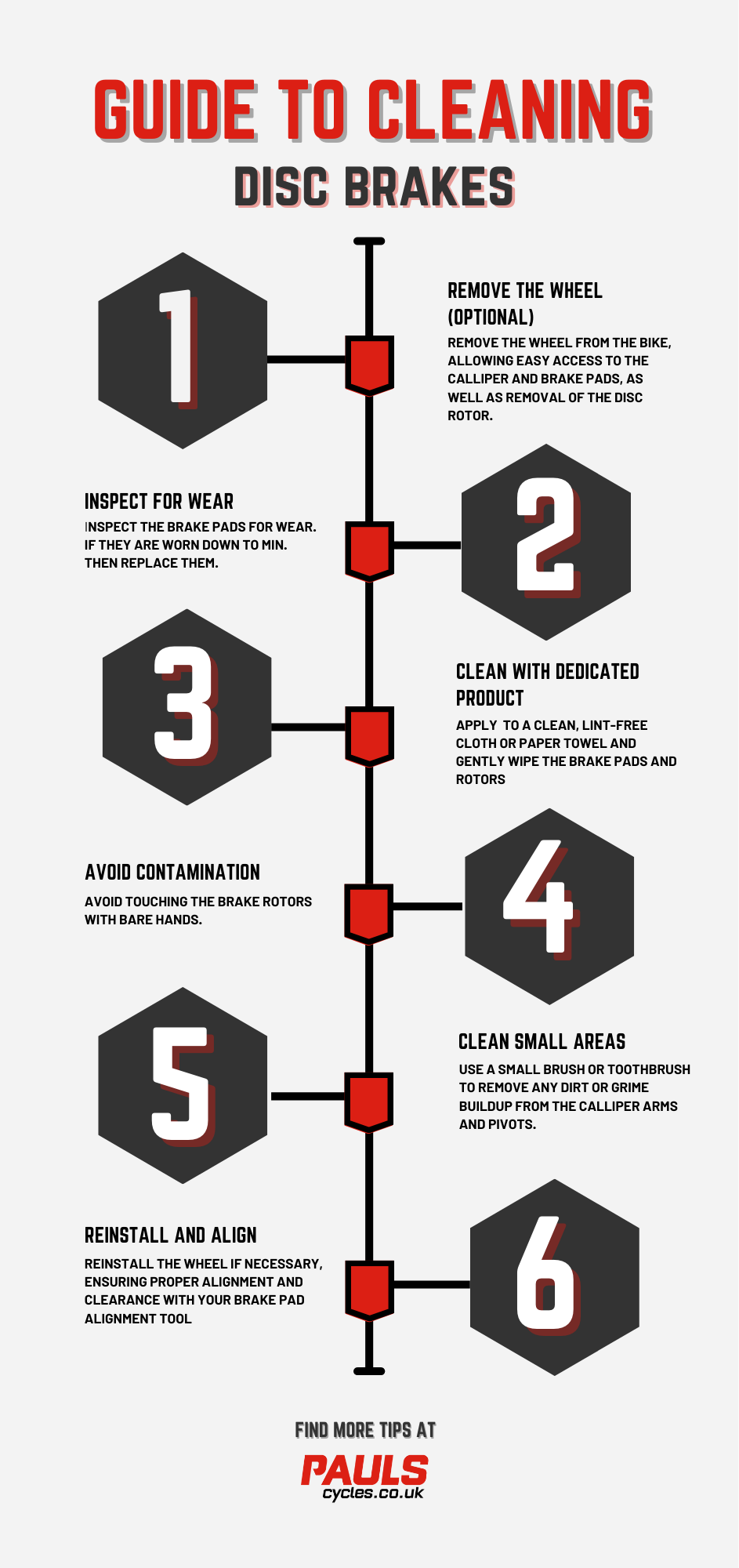
Credit: www.paulscycles.co.uk
Tools And Materials Needed
Cleaning brake calipers and rotors requires specific tools and materials. Having the right supplies makes the job easier and safer. Prepare all items before starting the process.
Essential Cleaning Supplies
You need a brake cleaner spray to remove dirt and grease. Use a wire brush to scrub away rust and debris. A clean cloth or rag helps wipe surfaces dry. Brake grease or lubricant is important for moving parts. Also, keep a bucket of warm water and mild soap handy for general cleaning.
Safety Gear
Wear safety goggles to protect your eyes from chemicals and dust. Gloves shield your hands from harmful cleaners and sharp edges. A dust mask prevents breathing in brake dust or particles. Use old clothes or a protective apron to avoid stains and damage.
Optional Equipment
A cordless drill with a wire brush attachment speeds up cleaning. Compressed air helps blow away loose dirt and dust. Jack stands or ramps keep your vehicle stable while working. A torque wrench ensures proper tightening of bolts after cleaning.

Credit: www.youtube.com
Preparing Your Vehicle
Preparing your vehicle is the first step to clean brake calipers and rotors safely. It helps you work with ease and prevents accidents. Take time to set up your car correctly before starting any brake work.
Proper preparation protects both you and your vehicle. It also makes the cleaning process faster and more effective.
Lifting And Securing The Car
Begin by parking your car on a flat, solid surface. This keeps the vehicle stable. Use a reliable jack to lift the car at the correct points. Check your owner’s manual for the proper jack locations.
Once lifted, place jack stands under the car. Never rely on the jack alone. Jack stands hold the car securely while you work. Give the car a gentle push to ensure it is steady before moving on.
Removing The Wheels
Loosen the wheel lug nuts while the car is still on the ground. Use a lug wrench and turn them counterclockwise. Raise the car and remove the lug nuts completely.
Take off the wheels carefully and place them aside. This exposes the brake calipers and rotors. Keep the wheels safe to avoid damage or loss during cleaning.
Cleaning Brake Calipers
Cleaning brake calipers is important for safe driving and good car care. Dirt and dust build up on calipers over time. This can affect how well your brakes work. Proper cleaning helps keep the calipers in good shape and extends their life.
The process is simple and does not take much time. You only need a few tools and some brake cleaner. Follow these steps to clean your brake calipers effectively.
Removing Surface Dirt
Start by wiping off loose dirt from the calipers. Use a dry cloth or a soft brush. Remove dust, mud, and leaves carefully. This makes the next steps easier and more effective.
Using Brake Cleaner
Spray brake cleaner directly on the caliper surface. The cleaner removes grease and brake dust quickly. Let it sit for a minute to break down grime. Avoid using other cleaners that can damage parts.
Scrubbing Stubborn Grime
Use a small brush to scrub tough dirt and rust spots. A toothbrush works well for tight spaces. Brush gently to avoid scratching the caliper. Rinse with brake cleaner or water after scrubbing.
Cleaning Brake Rotors
Cleaning brake rotors is essential for safe driving and better brake performance. Dirt, rust, and grime can build up on the rotor surface. This buildup may cause noise, vibration, or uneven braking. Regular cleaning keeps rotors smooth and effective. It also extends the life of your brake system.
Inspecting Rotor Condition
Start by checking the rotor for damage. Look for deep grooves, cracks, or warping. These signs mean the rotor needs repair or replacement. Also, check for rust spots or heavy dirt. A clean, smooth rotor surface is crucial for good brake contact.
Applying Cleaner Safely
Use a brake cleaner spray made for rotors. Avoid oily or harsh cleaners that leave residue. Spray the cleaner evenly on the rotor surface. Do this in a well-ventilated area. Let the cleaner sit for a minute to dissolve dirt and grease.
Removing Rust And Debris
Use a soft wire brush or brake cleaning pad. Gently scrub the rotor to remove rust and debris. Do not use hard tools that can damage the rotor. After scrubbing, wipe the rotor with a clean cloth. Repeat spraying and cleaning until the rotor looks clean.
Reassembling And Finishing Touches
After cleaning the brake calipers and rotors, it is time to put everything back together. This step is crucial to ensure the brakes work safely and smoothly. Reassembling the parts carefully will help avoid problems later on. Follow each step with care and check your work as you go.
Reinstalling Wheels
Place the wheels back onto the wheel hubs. Align the holes with the bolts. Hand-tighten the lug nuts first. This helps keep the wheel in place. Use a wrench to tighten the nuts in a star pattern. This way, the wheel stays even and secure. Do not fully tighten the nuts yet.
Lowering The Vehicle
Slowly lower the vehicle using the jack. Keep your hands clear of moving parts. Once the vehicle is back on the ground, tighten the lug nuts fully. Use a torque wrench for the correct tightness. This prevents the nuts from coming loose.
Final Inspection
Check all parts to ensure they are secure. Look for any signs of damage or loose bolts. Spin the wheels by hand to check for rubbing. Press the brake pedal several times. This resets the brake pads and improves brake response. Make sure everything feels firm and safe before driving.

Credit: www.youtube.com
Maintenance Tips For Longevity
Keeping brake calipers and rotors clean helps them last longer. Dirt, dust, and grime reduce their performance. Regular care prevents costly repairs and keeps your brakes safe. Follow simple maintenance tips to protect these parts.
Regular Cleaning Schedule
Set a cleaning routine every few months. Use brake cleaner spray and a soft brush. Remove dirt and brake dust from calipers and rotors. Avoid water that can cause rust. Dry parts well before driving again.
Check brakes during tire changes or oil changes. Early cleaning stops buildup that wears parts faster. A clean brake system works quietly and efficiently.
Avoiding Common Mistakes
Do not use harsh chemicals or household cleaners. They damage brake components. Avoid using a wire brush that can scratch rotors. Never spray brake cleaner on painted surfaces.
Do not ignore unusual brake sounds or vibrations. These signs mean cleaning or repairs are needed. Avoid over-tightening bolts when reassembling. Too much force can damage parts and cause brake failure.
Frequently Asked Questions
How Often Should Brake Calipers And Rotors Be Cleaned?
Brake calipers and rotors should be cleaned every 20,000 to 30,000 miles. Regular cleaning prevents brake dust buildup and ensures optimal braking performance. Always inspect them during tire rotations or brake service for safety.
What Materials Are Best For Cleaning Brake Calipers And Rotors?
Use brake cleaner spray, a soft brush, and microfiber cloths. Avoid harsh chemicals and water to prevent damage. These materials effectively remove dust, grime, and grease without harming brake components.
Can I Clean Brake Calipers And Rotors Myself Safely?
Yes, you can clean brake calipers and rotors safely at home. Wear gloves and eye protection, use the right tools, and follow step-by-step instructions. Proper cleaning improves brake function and extends component life.
What Signs Indicate Brake Calipers Need Cleaning?
Signs include squeaking noises, reduced braking power, and uneven brake pad wear. Visible dirt or rust buildup on calipers also indicates cleaning is necessary. Regular checks prevent costly repairs and maintain safety.
Conclusion
Cleaning brake calipers and rotors keeps your car safe and smooth. Dirt and rust can cause noise and poor braking. Regular cleaning helps your brakes last longer. Use the right tools and cleaners for best results. Take your time and work carefully.
Clean brakes improve driving comfort and control. Keep up with brake maintenance to avoid costly repairs. A little effort goes a long way. Safe driving starts with well-maintained brakes.


