Are you feeling unusual vibrations or hearing strange noises when you hit the brakes? These could be signs that your brake rotors are warped.
But how can you be sure? Knowing whether your brake rotors are in good shape is crucial for your safety and your car’s performance. You’ll discover simple and effective ways to check if your brake rotors are warped—without needing to be a mechanic.
Keep reading to protect yourself and avoid costly repairs down the road.
Signs Of Warped Rotors
Warped brake rotors cause serious driving issues. They affect how your vehicle stops and can be dangerous. Knowing the signs helps you spot the problem early. This way, you can fix it before it gets worse.
Vibrations While Braking
Feel shaking or pulsing in the brake pedal? This often means rotors are warped. The uneven surface causes the brakes to grab and release quickly. Vibrations usually get stronger with speed. This makes braking less smooth and less safe.
Squealing Or Scraping Noises
Unusual noises during braking can signal warped rotors. Squealing sounds mean the brake pads are rubbing unevenly. Scraping noises suggest the rotor surface is rough or damaged. These sounds warn you to check your brakes soon.
Uneven Brake Pad Wear
Warped rotors wear out brake pads unevenly. You might see more wear on one side of the pad. This happens because the rotor does not spin evenly. Uneven pad wear lowers braking performance and can cause more damage.

Credit: www.reddit.com
Tools Needed For Inspection
Checking if your brake rotors are warped needs some basic tools. These tools help you measure and inspect the rotors carefully. Using the right tools makes the process safe and accurate. Here is a list of tools you will need for the inspection.
Jack And Jack Stands
A jack lifts your car off the ground safely. Jack stands hold the car up while you work. Never rely on the jack alone for support. Jack stands keep the car stable and protect you.
Dial Indicator Or Micrometer
A dial indicator measures small movements in the rotor’s surface. It shows if the rotor is warped or uneven. A micrometer measures the rotor’s thickness. Both tools give precise readings needed for a good check.
Lug Wrench And Socket Set
A lug wrench helps remove the wheel nuts easily. A socket set allows you to remove bolts from the brake system. These tools make it simple to take off the wheel and brake parts for inspection.
Visual Rotor Inspection
Visual rotor inspection is a simple first step to check for warped brake rotors. It helps identify obvious problems without special tools. You can spot damage, uneven wear, or rust that affects performance. This inspection also shows if the rotor needs replacement or resurfacing. Follow these clear steps to examine your rotors closely.
Checking For Surface Damage
Look at the rotor surface for grooves, cracks, or hot spots. Grooves feel like rough lines on the rotor face. Cracks appear as thin lines or splits on the metal. Hot spots show as blue or dark patches caused by overheating. Surface damage causes vibrations and noise when braking. Take note of any irregular marks or discoloration.
Inspecting Rotor Thickness
Rotor thickness should be even across the entire disc. Use a caliper or a thickness gauge to measure it. Check if the rotor is thinner in some parts than others. Uneven thickness means the rotor is warped or worn out. Compare your measurements to the manufacturer’s minimum thickness. Rotors thinner than the limit need replacing for safety.
Looking For Rust And Corrosion
Rust on the rotor can reduce braking power and cause noise. Small surface rust is normal but heavy buildup is a problem. Corrosion can eat into the metal, creating pits or rough spots. Check the rotor edges and the area near the hub. Clean light rust with a wire brush, but deep corrosion means the rotor must be replaced.

Credit: www.youtube.com
Measuring Rotor Runout
Measuring rotor runout is a key step to check if brake rotors are warped. Runout means the amount the rotor surface moves up and down as it spins. Too much runout causes vibrations and uneven braking. A dial indicator tool helps measure this runout precisely. The process involves setting up the dial indicator, rotating the rotor, and reading the measurements. Each step needs care for accurate results.
Setting Up The Dial Indicator
Attach the dial indicator to a stable part near the rotor. Position the indicator tip gently against the rotor surface. Make sure it touches the rotor edge where braking happens. The tip must be perpendicular to the rotor surface. Zero the dial indicator to start from a baseline. This setup ensures precise runout measurement.
Rotating The Rotor For Measurement
Turn the rotor slowly by hand. Watch the dial indicator needle carefully. Note the highest and lowest needle points during rotation. Avoid fast spinning to prevent errors. Check the entire rotor circumference. This step shows the rotor’s unevenness clearly.
Interpreting Runout Readings
Compare the runout values to your vehicle’s specifications. Runout over 0.003 inches usually means the rotor is warped. Small runout can be normal due to manufacturing. High runout causes brake pedal vibration and noise. If runout is high, the rotor needs machining or replacement. Accurate readings help keep brakes safe and smooth.
Test Drive Tips
Test driving your car helps check if the brake rotors are warped. This simple method reveals issues through how the car feels and reacts. Pay close attention to speed, steering, and pedal behavior. Each clue gives insight into rotor condition.
Braking On Different Speeds
Try braking at slow and faster speeds. Notice if the car shakes or vibrates during stops. Warped rotors often cause a pulsing feeling in the brake pedal. Uneven braking at different speeds points to rotor problems.
Feeling For Steering Wheel Feedback
Hold the steering wheel tightly while braking. Feel for any shaking or wobbling in the wheel. Warped rotors can cause the steering wheel to vibrate. This vibration usually grows stronger as speed increases.
Noticing Brake Pedal Response
Press the brake pedal firmly and watch how it feels. A pulsating or uneven pedal pressure indicates rotor warping. Smooth and steady pedal response means the rotors are likely fine. Check for any unusual noises too.
When To Replace Or Resurface Rotors
Knowing when to replace or resurface brake rotors is key for safe driving. Warped rotors cause vibrations and reduce braking power. Fixing this problem quickly avoids bigger damage and keeps your car safe.
Deciding between replacement and resurfacing depends on several factors. These include how thin the rotors are, how bad the warping is, and the costs involved. Understanding these points helps you make the right choice.
Manufacturer Thickness Limits
Every rotor has a minimum thickness set by the maker. This limit ensures the rotor remains strong and safe. Mechanics measure the rotor thickness using a micrometer. If the rotor is thinner than the limit, resurfacing is unsafe. The rotor must be replaced to keep braking efficient and safe.
Severity Of Warping
Light warping can often be fixed by resurfacing. This process smooths the rotor surface and removes small bumps. Severe warping causes deep grooves or cracks. Such damage cannot be fixed by resurfacing. Replacement becomes necessary to restore proper braking function.
Cost And Safety Considerations
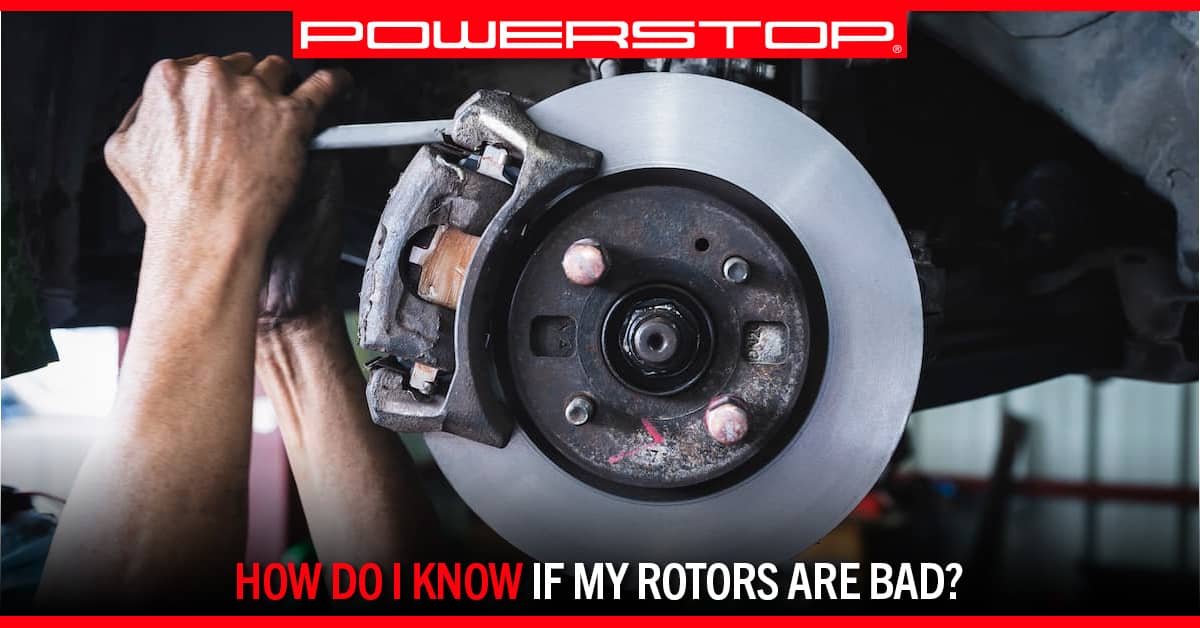
Resurfacing is cheaper than buying new rotors. It works well if the rotors are still thick and lightly warped. However, resurfacing adds labor time and may shorten rotor life. Replacing rotors costs more but provides better safety and long-term reliability. Safety should always come before saving money.
Credit: www.powerstop.com
Frequently Asked Questions
How Do I Know If Brake Rotors Are Warped?
You may feel a vibration or pulsation in the brake pedal. Uneven brake wear or noise also indicates warped rotors. Visual inspection can show scoring or uneven surface.
What Causes Brake Rotors To Warp?
Brake rotors warp due to excessive heat from hard braking, poor quality rotors, or uneven tightening of lug nuts. Frequent stopping on steep hills can also cause warping.
Can I Drive With Warped Brake Rotors?
Driving with warped rotors is unsafe. It causes reduced braking efficiency and increased stopping distance. Get rotors checked and replaced promptly for safety.
How To Check Brake Rotors Without Removing Wheels?
Use a dial indicator to measure rotor runout. Feel for vibrations when braking at low speed. Inspect rotor surface for visible signs of damage.
Conclusion
Checking brake rotors for warping is important for safe driving. Listen for unusual noises or vibrations when braking. Look for visible signs like grooves or uneven wear on the rotors. Feel if the brake pedal pulses or shakes. These signs can help you know when to replace or fix the rotors.
Regular checks keep your car stopping smoothly and safely. Don’t ignore small problems—they can become big issues fast. Stay alert and keep your brakes in good shape for peace of mind on the road.