Have you ever wondered how long you can keep driving with bad brakes and worn-out rotors? It might seem like a small problem at first, but ignoring it can quickly turn dangerous—and expensive.
Your brakes are one of the most important parts of your car, and when they start to fail, every trip becomes a risk. You’ll discover the hidden dangers of driving on bad brakes and rotors, how to spot the warning signs early, and why waiting too long could cost you more than you think.
Keep reading to protect yourself, your passengers, and your wallet.
Credit: carfromjapan.com
Signs Of Brake And Rotor Damage
Brake and rotor damage can be dangerous. Early signs help you catch problems fast. Knowing these signs can keep you safe on the road. It also saves money by preventing bigger repairs.
Squeaking And Grinding Noises
Squeaking sounds often mean worn brake pads. They warn you before damage worsens. Grinding noises are more serious. They happen when pads wear down completely. Metal rubs against metal, harming rotors. This noise means urgent brake service is needed.
Reduced Braking Power
Bad brakes take longer to stop your car. The brake pedal may feel soft or loose. You might press harder to slow down. This loss of power can cause accidents. Always check your brakes if stopping feels different.
Vibrations And Pulsations
Vibrations happen when rotors are warped or damaged. You feel shaking in the brake pedal or steering wheel. Pulsations occur as you brake hard or slow down. These signs show uneven rotor surfaces. Fixing them prevents further damage and improves control.

Credit: www.reddit.com
Causes Of Brake And Rotor Wear
Brake and rotor wear happens for many reasons. Understanding these causes helps you maintain your vehicle. It also keeps you safe on the road. Let’s explore the main causes of brake and rotor wear.
Normal Wear And Tear
Brakes and rotors wear down over time. Every time you press the brake pedal, friction occurs. This friction slowly wears the brake pads and rotors. Even careful driving cannot stop this process. Parts need replacement after a certain distance.
Driving Habits Impact
How you drive affects brake life. Hard braking causes faster wear. Frequent stop-and-go traffic also wears brakes quickly. Riding the brakes or resting your foot on the pedal adds extra pressure. Smooth, gentle braking helps parts last longer.
Environmental Factors
Road and weather conditions influence brake and rotor wear. Driving on rough or gravel roads causes more damage. Rain, snow, and salt speed up rust and corrosion. Hot weather can cause brakes to overheat. These factors reduce the lifespan of brake parts.
Risks Of Driving On Bad Brakes
Driving with bad brakes is very dangerous. The brakes are key to stopping your car safely. When brakes or rotors fail, the risks increase fast. Understanding these risks helps you act quickly and keep safe.
Increased Stopping Distance
Bad brakes make your car take longer to stop. Worn pads and damaged rotors reduce friction. This means your car slides more before stopping. It is risky in traffic or emergencies. Longer stopping distance can cause crashes easily.
Brake Failure Possibility
Brakes can fail completely with damage or wear. A sudden failure means no way to slow down. This can happen without warning. Brake fluid leaks, worn pads, or warped rotors cause failure. Driving with bad brakes risks total brake loss.
Accident Risks
Accidents rise when brakes do not work well. You may not stop at stop signs or red lights. Rear-end collisions happen when you cannot slow down. Bad brakes also reduce control on slopes or curves. This puts everyone on the road in danger.
Risks Of Driving On Worn Rotors
Driving on worn rotors brings serious risks. These rotors play a key role in stopping your car safely. When they wear down, your braking ability drops. This can lead to dangerous situations on the road. Understanding the risks helps you avoid bigger problems and costly repairs.
Uneven Brake Pad Wear
Worn rotors cause brake pads to wear unevenly. This happens because the pads do not press evenly. Uneven wear reduces braking power and control. It also means you must replace brake pads more often. This adds to maintenance costs and risks on the road.
Brake System Damage
Bad rotors put extra stress on the brake system. The calipers and other parts may become damaged. This damage lowers the overall safety of your vehicle. It can cause brake failure or longer stopping distances. Repairing the entire brake system is expensive and time-consuming.
Costly Repairs
Ignoring worn rotors often leads to costly repairs. What starts as a simple rotor replacement can grow into bigger problems. You may need new brake pads, calipers, or even a full brake system overhaul. Fixing these issues costs much more than timely rotor replacement.
How Long Can You Drive With Bad Brakes And Rotors?
Driving with bad brakes and rotors is risky. These parts are vital for stopping your car safely. Knowing how long you can drive before fixing them helps protect you and others. The answer depends on many things. This section explains the key points to consider.
Factors Affecting Duration
Brake condition varies by use and damage. Light wear may allow short driving. Deep grooves or cracks reduce safety fast. Driving style also matters. Hard braking wears parts quicker. Road conditions play a role too. Hills and traffic increase strain. Vehicle weight affects brake stress as well.
Expert Recommendations
Mechanics say do not ignore brake issues. Fix them as soon as possible. Some suggest no more than a few hundred miles. Others warn against driving at all if brakes feel weak. Experts stress safety over convenience. They advise immediate repair for noisy or vibrating brakes.
When To Stop Driving
Stop driving if brakes make loud noises. Feeling a spongy or soft brake pedal is danger. If your car pulls to one side when braking, stop. Burning smells after braking means serious trouble. Any sign of brake failure needs immediate attention. Do not risk your life or others’ on the road.
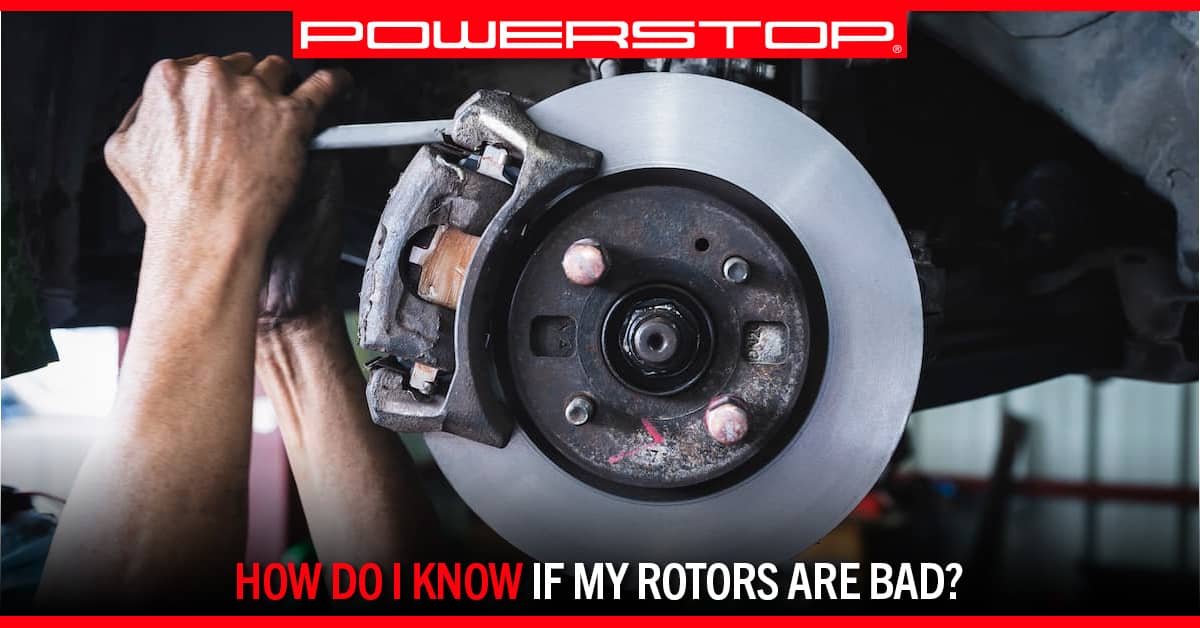
Credit: www.powerstop.com
Preventive Measures And Maintenance
Preventive measures and maintenance keep your brakes and rotors in good shape. They help avoid accidents and costly repairs. Taking care of brakes early saves money and ensures safety. Simple steps can extend the life of your braking system.
Regular Inspections
Check your brakes and rotors often. Look for signs like squeaking, grinding, or vibration. Inspect brake pads for thickness. Thin pads need quick attention. Rotors should be smooth without deep grooves. Regular checks catch problems early. This prevents bigger damage and unsafe driving.
Timely Repairs And Replacements
Fix brake issues as soon as you notice them. Replace worn pads and damaged rotors quickly. Driving with bad brakes can cause accidents. Timely repairs stop minor problems from growing. Use quality parts for better performance. Proper maintenance keeps your car reliable and safe.
Safe Driving Tips
Drive gently to protect brakes. Avoid hard stops and sudden braking. Maintain a safe distance from other vehicles. This reduces brake wear and tear. Use engine braking on hills to ease brake load. Smooth driving saves your brakes and keeps you safe on the road.
Frequently Asked Questions
How Long Can You Safely Drive On Bad Brakes?
You should avoid driving on bad brakes altogether. Driving with worn brakes is unsafe and can cause accidents. If unavoidable, limit driving to a few miles at low speeds. Get your brakes inspected and repaired immediately for safety.
What Are The Risks Of Driving With Bad Rotors?
Driving on bad rotors can cause vibration, noise, and reduced braking power. It increases stopping distance and risks brake failure. Damaged rotors also wear down brake pads faster. This compromises your safety and vehicle performance.
How To Know If Brakes Or Rotors Need Replacement?
Listen for squealing, grinding sounds, or feel vibration when braking. Soft or spongy brake pedals also indicate problems. Visual rotor damage like scoring or warping means replacement is needed. Regular brake inspections help detect issues early.
Can Bad Brakes Damage Other Car Parts?
Yes, bad brakes can strain the brake system and suspension. Worn rotors can damage brake pads, increasing repair costs. Neglecting brake issues may lead to costly damage to wheel hubs or tires. Prompt repairs prevent further damage.
Conclusion
Driving on bad brakes and rotors is risky and unsafe. Stopping distance grows longer, and control weakens. Small problems can quickly turn into big, costly repairs. Your safety and others’ safety depend on good brakes. Fix brake issues as soon as you notice them.
Don’t wait for a complete failure or accident. Safe driving means checking brakes regularly and acting fast. Protect yourself by keeping your car’s braking system in good shape.