How often do you wax your car? You might think once a year is enough, but is that really true?
Waxing your car isn’t just about making it shine; it protects your paint, keeps your car looking new, and even helps maintain its value. But how many times should you actually do it to get the best results? Keep reading, and you’ll discover the perfect waxing schedule tailored for your car.
This simple step can save you money and keep your ride looking its best all year long. Don’t miss out on these easy tips that can make a big difference!

Credit: auto.howstuffworks.com
Benefits Of Waxing Your Car
Waxing your car offers many important benefits. It helps keep the car looking new and clean. Regular waxing protects your investment and saves money on repairs. Simple care like waxing makes a big difference for your car’s finish.
Protecting Paintwork
Wax forms a thin layer on the car’s surface. This layer shields paint from sunlight and dirt. It prevents fading and damage caused by UV rays. Wax also guards against small scratches and stains. The paint stays strong and fresh for longer.
Enhancing Shine
Wax adds a smooth, glossy finish to your car. It makes colors look deeper and brighter. A shiny car looks well-cared for and attractive. Wax smooths the surface so light reflects evenly. This creates a beautiful, mirror-like shine.
Repelling Dirt And Water
Wax helps water bead and roll off the car. Dirt does not stick easily to the smooth wax layer. This keeps the car cleaner for more time. Washing becomes easier and faster after waxing. The car stays neat and dry even in rain.
Factors Affecting Waxing Frequency
Several factors affect how often you should wax your car each year. These factors influence how well the wax protects your car’s paint. Understanding them helps keep your car looking shiny and new for longer.
Climate And Weather Conditions
Weather plays a big role in waxing frequency. Hot sun can dry out wax faster. Rain and snow wash away wax protection. Salt on roads can damage paint. Cars in harsh climates need waxing more often. Mild weather means waxing less often.
Type Of Wax Used
Different waxes last for different times. Natural carnauba wax usually lasts a few weeks. Synthetic wax can last several months. Some waxes offer stronger protection than others. Choose wax based on how long you want it to last.
Car Usage And Storage
Cars driven daily need more frequent waxing. Constant exposure to dirt and pollution wears wax off. Cars kept in a garage stay cleaner longer. Indoor storage protects wax from sun and rain. Less use means waxing less often.
Paint Type And Condition
New cars with fresh paint may need less waxing. Older paint can be rough and absorb wax quickly. Clear coats protect paint but can also wear out. Damaged paint needs special care and more wax. Regular waxing helps keep paint smooth and safe.
Recommended Waxing Schedule
Waxing your car protects its paint and keeps it shiny. The right waxing schedule depends on how often you use your car and where you drive it. Following a proper waxing routine helps prevent damage from sun, dirt, and rain. Here is a simple guide to help you decide how often to wax your car.
Monthly Waxing For High-use Cars
Cars driven every day face more dirt and weather damage. Waxing once a month keeps the paint safe. It creates a strong layer to block dirt and water. This routine works well for city drivers and those in harsh climates. Monthly waxing helps keep your car looking new longer.
Seasonal Waxing For Moderate Use
Cars used less often need waxing every few months. Waxing four times a year matches the seasons. It protects your car from rain, snow, and sun changes. Seasonal waxing keeps your paint fresh and shiny. This schedule suits weekend drivers and those in mild climates.
Annual Waxing For Minimal Use
Cars that sit most of the year need waxing once annually. This helps stop dust and moisture from harming the paint. Annual waxing works if you drive your car only occasionally. It offers basic protection and maintains the car’s look. Use this schedule for stored or classic cars.
Signs Your Car Needs Waxing
Your car’s paint needs care to stay shiny and protected. Waxing helps keep the paint safe from dirt, sun, and water damage. Knowing the signs that your car needs waxing helps you keep it in top shape. Spotting these signs early stops damage and keeps your car looking new.
Dull Or Faded Paint
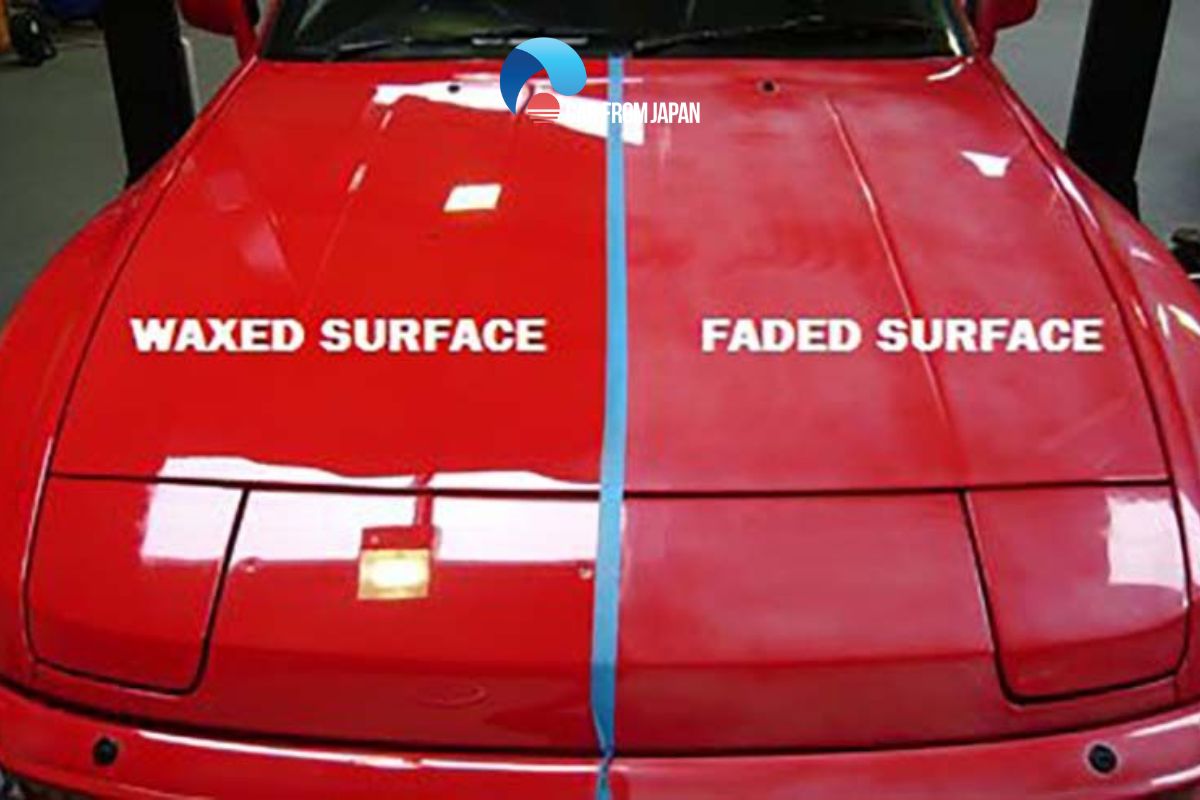
Paint that looks dull or faded shows it needs waxing. Wax adds a layer of shine and protection. Without wax, sun rays and dirt break down the paint’s surface. A dull finish means the wax has worn off. It is time to apply a new coat of wax.
Water Spots And Streaks
Water spots and streaks on the car’s surface tell you wax protection is low. Wax helps water slide off the paint smoothly. Without it, water dries and leaves marks. These spots can harm the paint over time. Waxing helps prevent these unsightly water stains.
Surface Roughness
Run your hand over the car’s paint. If it feels rough or gritty, wax is missing. Wax fills small scratches and smooths the surface. A rough feel means dirt and grime have stuck to the paint. Waxing restores smoothness and protects the surface from damage.
Choosing The Right Wax
Choosing the right wax for your car is important. It protects the paint and keeps the shine longer. Different waxes suit different needs. Understanding the types helps you pick the best one. This guide breaks down the options clearly.
Natural Vs. Synthetic Waxes
Natural waxes come from carnauba, a plant-based source. They give a deep, warm shine. These waxes are eco-friendly but may not last long. Synthetic waxes use man-made chemicals. They create a strong, shiny coating. Synthetic types often last longer and resist dirt better.
Liquid, Paste, Or Spray Options
Liquid waxes spread quickly and are easy to apply. They dry faster than paste waxes. Paste waxes take more time but offer thick protection. They work well for older cars. Spray waxes are the fastest to use. They give a quick shine but less durability.
Durability And Protection Levels
Durability depends on wax type and car use. Synthetic waxes often protect for months. Natural waxes may need reapplication every few weeks. Consider your climate too. Hot sun or heavy rain can wear wax faster. Choose wax that matches how often you want to reapply.

Credit: lambencydetailing.com
Waxing Techniques And Tips
Waxing your car keeps its paint shiny and protected. Using the right techniques makes waxing easier and more effective. Follow simple steps for a smooth, lasting finish.
Preparing The Car Surface
Start with a clean car. Wash it well to remove dirt and dust. Dry the surface completely with a soft cloth. Check for any scratches or spots. Fix small issues before waxing. A clean, dry surface helps wax stick better.
Applying Wax Properly
Use a small amount of wax on a foam applicator. Spread wax in small, circular motions. Work on one section at a time. Avoid putting wax on hot or sunny areas. Let the wax dry until it looks hazy. This means it is ready to buff.
Buffing For Best Results
Use a clean, soft microfiber cloth to buff. Rub gently in circular motions. Remove all wax residue for a smooth shine. Buffing brings out the car’s gloss and protection. Finish by checking for missed spots or streaks.
Common Waxing Mistakes To Avoid
Waxing your car keeps it shiny and protected. But many make simple mistakes that hurt results. Avoid these errors to get the best shine and long-lasting protection. Small steps make a big difference in car care.
Waxing Over Dirt
Never apply wax on a dirty car. Dirt and dust can scratch the paint. Always wash your car first. Dry it well before waxing. Clean surface helps wax stick better and last longer.
Skipping Preparation Steps
Preparation is key for smooth waxing. Use clay bar or polish if needed. This removes old wax and grime. Skipping this can cause uneven finish. Clean surface means better wax coverage and shine.
Using Too Much Or Too Little Wax
Apply the right amount of wax. Too much wax wastes product and leaves streaks. Too little wax won’t protect well. Use a thin, even layer. Follow product instructions for best results.
Alternatives To Traditional Waxing
Traditional waxing is popular for protecting car paint. Yet, many drivers seek easier, longer-lasting options. Alternatives to waxing offer different benefits. They can save time and keep your car shiny. Explore these choices to find what fits your needs best.
Sealants And Coatings
Sealants are synthetic products that protect paint. They last longer than wax, sometimes up to six months. Sealants create a hard, glossy layer on the car’s surface. This layer repels dirt and water well. Applying sealants is usually simple and quick. They keep your car looking clean for weeks.
Ceramic Protection
Ceramic coatings are a newer option for paint care. They bond with the paint to form a strong shield. This shield can last for years with proper care. Ceramic coatings resist scratches, chemicals, and UV rays. They make washing your car easier. The shine stays deeper and brighter than wax.
Quick Detail Sprays
Quick detail sprays are handy for fast touch-ups. Use them between washes to remove dust and light dirt. They add a thin protective layer that boosts shine. These sprays do not replace waxing or sealing. They help keep your car looking fresh daily. Perfect for last-minute cleaning before a drive.
Credit: carfromjapan.com
Frequently Asked Questions
How Often Should You Wax Your Car Annually?
Most experts recommend waxing your car 3 to 4 times a year. This frequency protects the paint and maintains shine effectively. Seasonal waxing helps combat environmental damage and keeps the car looking fresh.
Does Frequent Waxing Damage Car Paint?
No, waxing does not damage car paint if done correctly. Using quality wax and proper technique protects the paint and adds a protective layer. Over-waxing may cause buildup but won’t harm the paint itself.
What Are The Benefits Of Regular Car Waxing?
Regular waxing shields your car from UV rays, dirt, and moisture. It enhances the paint’s gloss and prevents fading or oxidation. Waxing also makes cleaning easier by repelling dust and grime.
Can Waxing Extend Your Car’s Paint Life?
Yes, waxing extends paint life by creating a protective barrier. It reduces exposure to harmful elements like sun, rain, and pollutants. This protection slows down paint deterioration and keeps the car looking newer longer.
Conclusion
Regular car waxing keeps your vehicle looking fresh and protected. Aim to wax at least two to three times a year. This helps remove dirt and shields the paint from damage. Waxing often saves money by preventing costly repairs later.
It also makes washing easier and gives your car a nice shine. Don’t wait for scratches or fading to start waxing. Keep a simple schedule and enjoy a clean, bright car all year. Small effort, big difference.