

You want your car to look its best, shining bright and protected from the elements. But after you spend time waxing your car, you might wonder: how long does that shine really last?
Knowing the answer helps you keep your car looking fresh without wasting effort or money. You’ll discover exactly what affects your wax’s durability and how to make your car’s finish stay glossy for longer. Ready to unlock the secrets to lasting car shine?
Keep reading and take your car care to the next level.
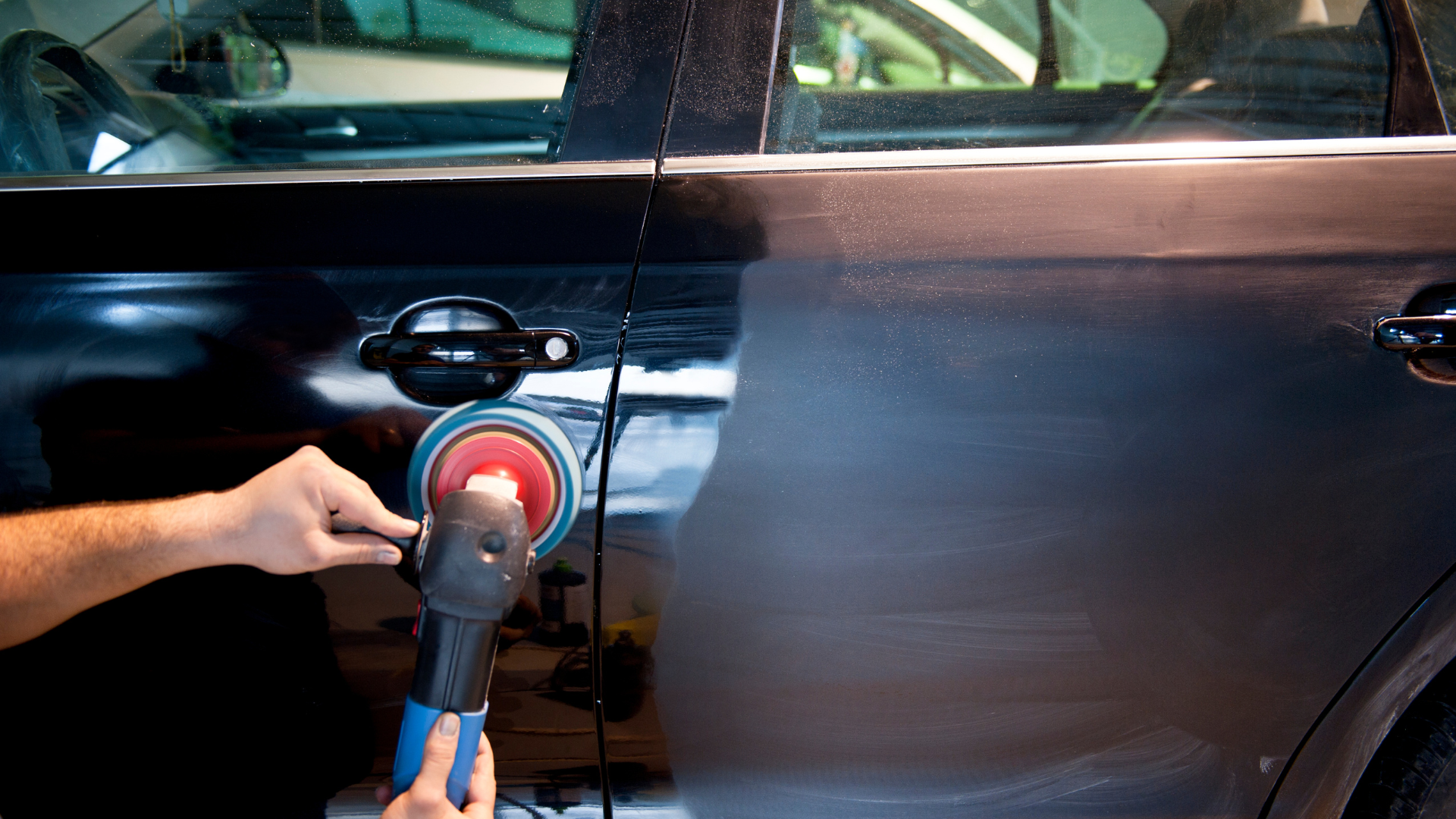
Credit: rocketcarwash.com
Types Of Car Wax
Car wax protects your vehicle and keeps it shining. Different types of wax offer various benefits. Choosing the right wax affects how long the shine lasts.
Understanding wax types helps you pick the best for your car’s needs. Let’s explore the main kinds of car wax.
Natural Vs Synthetic Waxes
Natural waxes come from carnauba, a plant-based source. They provide a deep, warm shine. Natural waxes usually last about 4 to 6 weeks.
Synthetic waxes are made with polymers and chemicals. They create a harder, longer-lasting shield. Synthetic waxes can protect your car for 2 to 3 months or more.
Natural wax feels softer and smells nice. Synthetic wax often resists water and dirt better. Both types work well but last different times.
Paste, Liquid, And Spray Options
Paste wax is thick and needs more effort to apply. It offers a strong, durable coating. Many people like paste for its long-lasting shine.
Liquid wax spreads easily and works faster than paste. It suits busy people who want quick results. Liquid wax can last a few weeks to a couple of months.
Spray wax is the fastest to use and very light. It gives a quick boost to shine but wears off sooner. Spray wax often lasts only a few days to two weeks.
Each form of wax fits different needs and schedules. Choose based on how much time and effort you want to spend.

Credit: www.kanatamazda.com
Factors Affecting Wax Longevity
Waxing your car adds a shiny layer that protects the paint. The wax does not last forever. Several factors decide how long the wax stays effective. Understanding these factors helps you keep your car looking great longer.
Climate And Weather Conditions
Hot and dry weather can wear off wax faster. Rain and snow also reduce the wax’s life. Salt used on roads in winter harms the wax layer. Humid places can make wax break down quicker. Cars in mild climates usually keep wax longer.
Frequency Of Washing
Washing your car often helps keep it clean. But washing too much can remove the wax. Using strong soaps or brushes can damage the wax layer. Gentle washing with soft cloths and mild soap is best. Find a balance to protect the wax while keeping the car clean.
Exposure To Sunlight And Elements
Direct sunlight breaks down wax over time. UV rays cause the wax to fade and crack. Dust, dirt, and pollution also wear out wax. Parking in the shade or garage helps protect the wax. Covering the car during bad weather keeps wax longer.
Average Duration Of Wax Protection
Waxing your car helps protect its paint from dirt, sun, and water. The wax forms a shield that keeps the surface shiny and smooth. But how long does this protection last? The duration depends on the type of wax you use and how you care for your car.
Typical Lifespan For Different Wax Types
Car wax comes in many forms. Natural carnauba wax usually lasts about 4 to 6 weeks. It gives a deep shine but wears off quicker. Synthetic waxes can last longer, from 2 to 4 months. They create a stronger barrier but may not shine as brightly.
Sealants are a type of synthetic wax that can protect your car for up to 6 months. These last the longest but often lack the warm glow of carnauba wax. Choosing the right wax depends on your needs for shine and durability.
Real-world Vs Manufacturer Claims
Manufacturers often claim their wax lasts for months. These claims come from ideal test conditions. In real life, rain, dust, and washing reduce the wax’s life. Sunlight and chemicals also break down the wax faster.
Most drivers see their wax protection last shorter than advertised. Reapplying wax every 4 to 8 weeks keeps the car safe and shiny. Regular care helps maintain the paint and the wax shield.
Signs Your Car Needs Re-waxing
Knowing the signs that your car needs re-waxing saves time and effort. Wax protects your car’s paint from dirt, sun, and water. Over time, wax wears off and loses its power. Watch for clear signs to keep your car shiny and safe.
Loss Of Shine
Your car looks dull or faded compared to before. The bright, glossy finish starts to disappear. This means the wax layer has worn thin or gone. A shiny car shows wax is still working well.
Water Beading Reduction
Water no longer forms small, round beads on your car. Instead, water spreads out and stays flat. Wax creates a water-repellent surface. When this effect fades, it’s time to re-wax.
Surface Texture Changes
The car’s surface feels rough or uneven to touch. Wax fills tiny scratches and smooths the paint. Without wax, the surface feels less smooth and protected. This change shows wax needs renewal.
Tips For Prolonging Wax Effectiveness
Waxing your car adds shine and protects the paint. To keep this effect longer, follow simple care tips. These habits help your wax last and keep your car looking fresh.
Small changes in how you wash and store your car can make a big difference. Use wax-friendly products and protectants to extend the life of your wax.
Proper Washing Techniques
Use gentle car shampoo, not household cleaners. Harsh soaps strip the wax faster. Wash your car with a soft sponge or microfiber cloth. Avoid scrubbing too hard to protect the wax layer. Rinse thoroughly to remove all soap. Dry with a clean, soft towel to prevent water spots.
Using Sealants And Coatings
Apply paint sealants for extra protection over wax. Sealants last longer and shield against dirt and rain. Ceramic coatings create a strong barrier and improve wax durability. These products reduce the need for frequent waxing. Use them as a second layer after waxing.
Garage Storage Benefits
Park your car inside a garage or covered area. Sun, rain, and dust wear down wax quickly. Shade slows down wax fading and cracking. Avoid parking under trees that drop sap or bird droppings. Clean your car quickly if it gets dirty. Garage storage helps keep the wax fresh longer.

Credit: www.youtube.com
Step-by-step Waxing Process
Waxing your car helps protect the paint and keeps it shiny for weeks. The process is simple but requires care. Follow these steps to get the best results and make your car look great.
Preparing The Car Surface
Start by washing your car thoroughly. Remove dirt, dust, and old wax. Use a mild car shampoo and a soft sponge. Rinse well and dry with a clean towel. A clean surface helps the wax stick better and last longer.
Applying Wax Correctly
Choose the right wax type for your car. Use a foam applicator or a soft cloth. Apply wax in small, circular motions. Work on one section at a time. A thin, even layer works best. Avoid using too much wax. Let it dry to a haze before moving on.
Buffing For Maximum Shine
Use a clean microfiber cloth for buffing. Rub gently in circular motions. This removes excess wax and reveals the shine. Keep buffing until the surface feels smooth. Buffing enhances the wax’s protection and makes your car sparkle.
Common Waxing Mistakes To Avoid
Waxing your car protects its paint and keeps it shiny longer. But common mistakes can reduce how long the wax lasts. Avoiding these errors helps your car look better and saves time and money. Let’s explore key mistakes to skip during waxing.
Applying Wax In Direct Sunlight
Waxing under the hot sun dries the wax too fast. This makes it hard to spread evenly. The wax can leave streaks and spots. It also becomes difficult to remove without smudging. Choose a shaded area or a cool time of day for waxing.
Using Too Much Or Too Little Wax
Too much wax creates a thick, uneven layer. It takes longer to dry and buff off. This wastes wax and effort. Too little wax does not protect the paint well. A thin, even coat works best. Follow the instructions on the wax product carefully.
Neglecting Surface Preparation
Waxing a dirty or dusty car traps grime under the wax. This can scratch the paint over time. Always wash and dry the car before waxing. Use a clay bar if needed to remove stubborn dirt. Clean surfaces help wax bond better and last longer.
Frequently Asked Questions
How Long Does Car Waxing Typically Last?
Car waxing usually lasts between 4 to 6 weeks. The duration depends on wax type, weather, and washing frequency. Synthetic waxes tend to last longer than natural ones. Regular maintenance can help extend the protection and shine of your car’s surface.
Does Weather Affect Wax Durability On Cars?
Yes, weather greatly affects wax durability. Intense sun, rain, and extreme temperatures can wear down wax faster. UV rays break down wax molecules, reducing protection. Frequent exposure to harsh elements requires more frequent waxing for optimal results.
How Often Should I Wax My Car?
Wax your car every 4 to 6 weeks for best protection. Frequent washing and harsh weather may require waxing more often. Regular waxing maintains shine and protects paint from contaminants and UV damage.
Can Washing Frequency Reduce Car Wax Life?
Yes, frequent washing, especially with harsh detergents, shortens wax life. Use gentle car shampoos to preserve wax. Avoid automatic car washes with abrasive brushes to maintain wax protection longer.
Conclusion
Waxing your car helps protect its paint and keep it shiny. Typically, wax lasts about one to three months. Weather, washing habits, and wax type all affect how long it stays. Regular waxing keeps your car looking fresh longer. It also helps stop dirt and water from sticking.
Check your car’s shine often to know when to reapply. A well-waxed car looks cleaner and newer. Simple care goes a long way in maintaining your vehicle’s appearance.


