Are you wondering how to send your car to Mexico without any hassle? Whether you’re moving, buying a vehicle, or helping family, getting your car across the border can feel confusing.
You want a clear, step-by-step guide that makes the process simple and stress-free. You’ll discover exactly what you need to do, from paperwork to shipping options, so you can move your car safely and quickly. Keep reading to learn the insider tips that will save you time and money.
Choose A Shipping Method
Choosing the right shipping method is key to sending a car to Mexico. The method affects cost, safety, and delivery time. Understanding the options helps make the best choice for your needs.
Two main factors to decide are the type of transport and the delivery style. Each option has pros and cons. Knowing these helps avoid surprises and extra fees.
Open Vs Enclosed Transport
Open transport is the most common and cost-effective. Cars ride on an open trailer, exposed to weather and road dirt. It is faster and usually cheaper.
Enclosed transport offers full protection from weather and debris. It is safer for luxury or classic cars. This option costs more and may take longer.
Choose open transport for everyday vehicles and lower cost. Pick enclosed transport to protect high-value cars during the trip.
Door-to-door Vs Terminal-to-terminal
Door-to-door service delivers your car right at your address. It is convenient and saves time. This method costs more but reduces hassle.
Terminal-to-terminal means you drop off and pick up your car at shipping terminals. It is cheaper but less flexible. You may need extra transport to reach terminals.
Door-to-door suits those who want ease and speed. Terminal-to-terminal fits people who want to save money and don’t mind extra steps.

Credit: www.easyhaul.com
Find A Reliable Shipping Company
Finding a reliable shipping company is key to sending your car to Mexico safely. A trustworthy company handles your vehicle with care and completes the process smoothly. It reduces stress and avoids unexpected problems. Take time to choose a company that meets your needs.
Check Reviews And Ratings
Reviews and ratings show past customers’ experiences. Look for companies with high scores and positive feedback. Pay attention to comments about delivery times and car condition. Avoid companies with many complaints or unresolved issues. Good reviews build trust and confidence.
Verify Licensing And Insurance
A licensed shipping company follows legal rules and regulations. Ask for proof of their license before hiring. Insurance protects your car from damage or loss during transport. Confirm the company has valid insurance coverage. This step ensures your vehicle is safe and protected.
Prepare Your Car For Shipping
Preparing your car for shipping to Mexico is an important step. It helps avoid delays and extra costs. Taking time to get your vehicle ready ensures a smooth shipping process.
Clean And Inspect The Vehicle
Wash your car inside and out. Dirt can hide damage or leaks. A clean car is easier to inspect before shipping. Take photos of your car from all sides. These pictures help prove the condition before shipping.
Remove Personal Items
Take out all personal belongings. Shipping companies do not insure items inside the car. Removing items also lowers the car’s weight. This can reduce shipping costs. Keep valuables with you for safety.
Check For Leaks And Mechanical Issues
Look under your car for oil or fluid leaks. Fix any leaks before shipping. Check tires for proper pressure. Make sure the car starts and runs well. Mechanical problems can cause delays or extra fees.
Gather Required Documents
Sending a car to Mexico needs careful preparation. The most important step is to gather all required documents. These papers prove you own the car and meet legal rules. Without them, your shipment may face delays or extra costs. Check each document to avoid problems at customs or during transport.
Title And Registration
The car’s title shows who owns the vehicle. It must be clear and in your name. The registration proves the car is allowed on roads. Both should be up to date and valid. Keep original documents ready for inspection. Copies alone often do not work for export.
Proof Of Ownership
Proof of ownership confirms you have the legal right to send the car. This can include a bill of sale or purchase receipt. Make sure it matches the name on the title. Having consistent documents speeds up customs checks. Without proof, the car might be held or returned.
Customs Paperwork
Customs paperwork is needed to clear the car through Mexico’s border. You need to complete import forms and pay any duties. A temporary import permit might be necessary for some vehicles. Work with a customs broker to avoid mistakes. Keep all forms safe until the car reaches its destination.
Understand Mexican Import Regulations
Sending a car to Mexico requires understanding the country’s import rules. These rules help control vehicle safety and taxes. Knowing them avoids delays and extra costs. You must learn the difference between temporary and permanent imports. Also, you need to understand duties and taxes that apply.
These regulations protect Mexico’s roads and economy. Following them ensures your car entry is smooth. Before shipping, get familiar with all requirements.
Temporary Vs Permanent Import
A temporary import lets you bring a car into Mexico for a short time. This is common for tourists or short visits. You get a permit that lasts from a few days to months. The car must leave Mexico before the permit ends.
A permanent import means the car stays in Mexico. You must meet strict rules for safety and emissions. The vehicle may need to be older than a certain year. You also need to register it with Mexican authorities. This process is longer and costs more than temporary import.
Duties And Taxes
Importing a car to Mexico requires paying certain fees. Duties depend on the car’s age, value, and type. Newer cars usually have higher taxes. Used cars may pay less or no duties in some cases.
You must also pay a Value Added Tax (VAT). This tax is usually 16% of the car’s value. Other fees may include customs processing and inspection charges. Paying these fees on time avoids fines and problems.
Schedule The Pickup And Delivery
Scheduling the pickup and delivery is a crucial step in sending your car to Mexico. It ensures your vehicle moves safely and arrives on time. Proper planning avoids delays and confusion.
Start by setting clear dates for when the car will be picked up and delivered. Communicate these dates with the shipping company. Keep track of all details to stay organized throughout the process.
Coordinate With The Shipping Company
Contact the shipping company to confirm pickup and delivery times. Share your preferred dates and locations early. Ask about any specific instructions they need to follow.
Make sure you provide accurate information about the car’s size and condition. Confirm who will be responsible for loading and unloading. Clear communication helps avoid last-minute issues.
Track Your Vehicle
Use the tracking service provided by the shipping company. It shows your car’s location during transit. Tracking gives peace of mind and helps plan for delivery.
Check the status regularly to catch any delays or changes. Contact the company if you notice unusual updates. Staying informed makes the process smoother.
Receive And Inspect Your Car In Mexico
Receiving your car in Mexico is an important step after shipping. Careful inspection ensures the vehicle arrived safely. You want to spot any issues right away. This helps avoid problems later and protects your investment.
Take your time to check every detail of the car. Make sure paperwork is complete before you leave the delivery point. These steps keep the process smooth and clear.
Check For Damage
Look closely at the car’s exterior and interior. Check for scratches, dents, or broken parts. Take photos of any damage. This proof is useful if you need to claim a repair or refund. Also, test lights, windows, and doors to confirm they work properly.
Complete Final Paperwork
Review all shipping documents carefully. Sign the delivery receipt only after confirming the car’s condition. Keep copies of the bill of lading, import permits, and customs forms. These papers are essential for legal ownership and registration in Mexico.
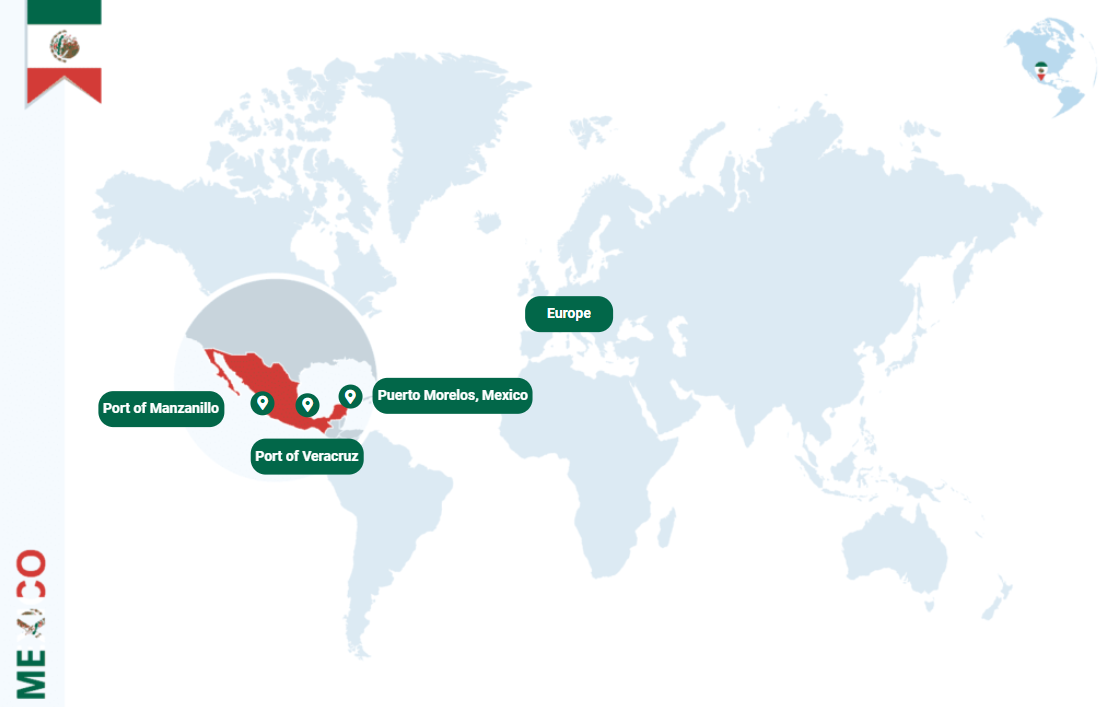
Credit: www.brlogistics.net

Credit: www.a1autotransport.com
Frequently Asked Questions
How Do I Ship My Car To Mexico Legally?
To ship a car to Mexico legally, you must provide ownership proof, valid ID, and customs forms. Use a licensed auto transport company experienced with Mexico shipments for smooth clearance and compliance with Mexican import regulations.
What Documents Are Needed To Send A Car To Mexico?
You need the car title, registration, valid ID, and a Mexican import permit. Also, prepare a bill of sale and proof of insurance to ensure your vehicle clears Mexican customs without issues.
Can I Drive My Car Into Mexico Instead Of Shipping?
Yes, you can drive your car into Mexico, but you need a temporary import permit. Ensure your insurance covers Mexico, and comply with customs regulations to avoid fines or vehicle seizure.
How Much Does It Cost To Ship A Car To Mexico?
Car shipping costs to Mexico vary by distance, vehicle size, and transport method. Expect prices between $500 and $1500, depending on these factors and additional customs fees.
Conclusion
Sending a car to Mexico takes careful planning and clear steps. Know the rules for customs and paperwork first. Choose a trusted shipping service to avoid problems. Keep track of all documents and payments. Prepare your car to meet Mexican import standards.
Taking these actions helps your car cross the border smoothly. Stay patient and follow the process closely. This way, your vehicle arrives safely and on time.