

Have you ever wondered why your car isn’t running as smoothly as it used to? One simple part you might be overlooking is the fuel filter.
It plays a key role in keeping your engine clean and efficient. But how often should you change the fuel filter to avoid costly repairs and keep your ride performing at its best? You’ll discover the signs that it’s time for a change and practical tips to help you maintain your vehicle effortlessly.
Keep reading—you’ll thank yourself later when your car runs like new.
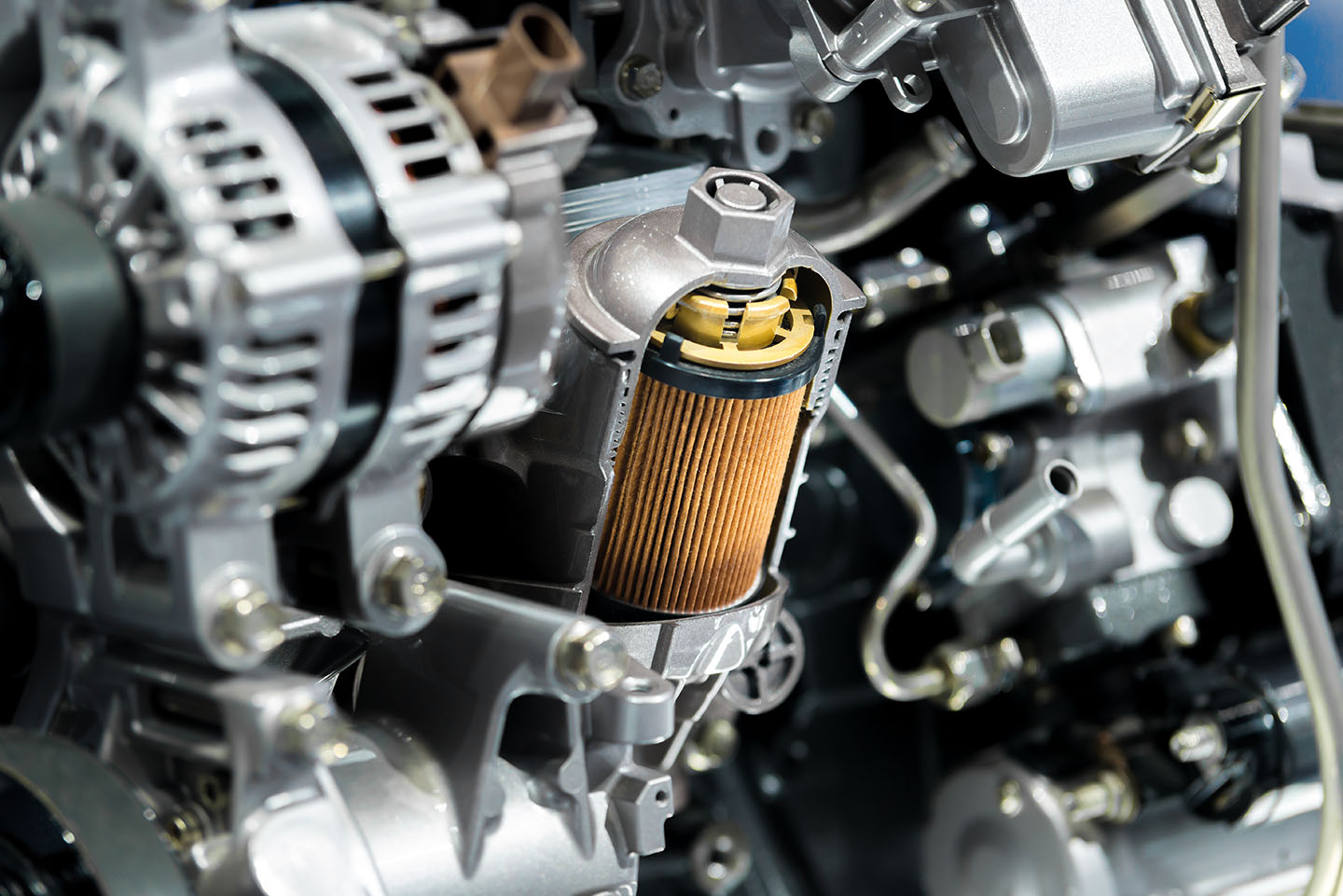
Credit: bostechauto.com
Role Of The Fuel Filter
The fuel filter plays an important role in your vehicle’s fuel system. It keeps the fuel clean by removing dirt and particles. This helps protect the engine and other parts from damage. A clean fuel filter ensures your car runs smoothly and efficiently.
Understanding the fuel filter’s role helps you know why it needs regular changing. It is a small part but has a big impact on your car’s performance and lifespan.
Purpose In The Fuel System
The fuel filter stops dirt, rust, and debris from reaching the engine. It traps harmful particles found in fuel before they enter the fuel injectors. This prevents clogging and damage inside the engine. Clean fuel helps the engine burn fuel better and last longer. The filter acts like a barrier, protecting critical engine parts from wear and tear.
Impact On Engine Performance
A dirty or clogged fuel filter reduces fuel flow to the engine. This causes poor engine performance such as rough idling and stalling. The engine may lose power and use more fuel. Replacing the fuel filter keeps fuel flowing smoothly. It helps maintain engine power, improves fuel efficiency, and reduces emissions. A healthy fuel filter supports strong engine performance every day.
Signs Of A Clogged Fuel Filter
A clogged fuel filter stops fuel from flowing smoothly to the engine. It causes many problems that affect your car’s performance. Noticing signs early helps avoid expensive repairs and keeps your vehicle running well.
Symptoms To Watch For
The engine may struggle to start or fail to start at all. It might run rough or stall while driving. You may hear unusual noises from the engine. The car can hesitate or lose power during acceleration. These signs show the fuel filter might be blocked.
Effects On Fuel Efficiency
A clogged fuel filter lowers fuel flow, making the engine work harder. This wastes more fuel and reduces miles per gallon. You might notice you fill the tank more often. Poor fuel efficiency can increase your travel costs. Changing the filter helps restore better fuel use.
Recommended Replacement Intervals
Knowing the right time to change your fuel filter helps keep your engine healthy. The recommended replacement intervals vary. Following these intervals can prevent engine problems and save money. Understanding the guidelines and factors helps you maintain your vehicle well.
Manufacturer Guidelines
Car makers set specific replacement intervals for fuel filters. These guidelines appear in the owner’s manual. Usually, the interval ranges from 20,000 to 40,000 miles. Some modern cars have longer intervals. Sticking to these recommendations keeps the fuel system clean and efficient.
Factors Influencing Frequency
Driving conditions affect how often you change the fuel filter. Dusty or rough roads cause the filter to clog faster. Frequent short trips can also reduce filter life. Using low-quality fuel may increase the need for changes. Check the filter more often if you face these conditions.

Credit: kbmotorsports.biz
Diy Fuel Filter Replacement
Replacing your fuel filter by yourself saves money and helps you learn about your car. It is a good way to keep the engine clean and running well. This guide will walk you through the tools needed and the steps to replace the fuel filter safely and easily.
Tools Needed
- New fuel filter that fits your vehicle model
- Wrenches or socket set
- Screwdrivers (flathead and Phillips)
- Fuel line disconnect tool (if required)
- Rags or paper towels
- Safety glasses and gloves
- Container to catch fuel spills
Step-by-step Process
- Park your car on a flat surface. Turn off the engine and let it cool.
- Relieve fuel system pressure by removing the fuel pump fuse and running the engine until it stops.
- Locate the fuel filter. It is usually near the fuel tank or engine bay.
- Put on safety glasses and gloves to protect yourself.
- Place a container under the filter to catch any fuel.
- Use wrenches or the fuel line tool to disconnect fuel lines from the filter.
- Remove the old filter carefully to avoid spilling fuel.
- Install the new filter the same way the old one was positioned.
- Reconnect the fuel lines securely.
- Replace the fuel pump fuse and start the engine. Check for leaks around the filter.
- Dispose of the old filter and any spilled fuel safely.
Professional Maintenance Tips
Professional maintenance keeps your vehicle running smoothly. Changing the fuel filter at the right time avoids engine problems. Experts know the signs of a clogged fuel filter. They use the best tools for quick and safe service.
Trusting professionals helps you save money and time. They check other parts that affect fuel flow. Regular check-ups prevent costly repairs later. Professionals also follow your car’s manual for exact fuel filter changes.
When To Seek Expert Help
Look for warning signs like engine hesitation or poor acceleration. Strange noises from the fuel pump also need attention. If your car stalls often or takes longer to start, see a mechanic. Professionals can test fuel pressure and inspect the filter condition. They spot problems early before damage grows.
Choosing A Reliable Service
Pick a service center with good reviews and certified technicians. Ask about their experience with your car model. Check if they use quality fuel filters matching your vehicle’s needs. A trusted shop offers clear pricing and warranty on parts. Reliable services keep your fuel system healthy and efficient.
Consequences Of Neglecting Fuel Filter Changes
Neglecting to change the fuel filter can cause many problems for your car. The fuel filter cleans dirt and debris from the fuel before it reaches the engine. Over time, this filter gets clogged and stops working properly. This can lead to serious issues that affect your vehicle’s performance and safety.
Engine Damage Risks
A clogged fuel filter blocks fuel flow to the engine. This can cause the engine to run poorly or stall. Dirt and debris can reach the engine, causing wear and damage. Over time, this can lead to costly repairs or even engine failure. Keeping the fuel filter clean helps the engine run smoothly and last longer.
Increased Repair Costs
Ignoring the fuel filter can raise repair bills. A dirty filter causes other parts to work harder and wear out faster. Fuel pumps and injectors may fail, leading to expensive replacements. Regular fuel filter changes prevent damage and save money on repairs. It is cheaper to maintain the filter than fix major problems later.
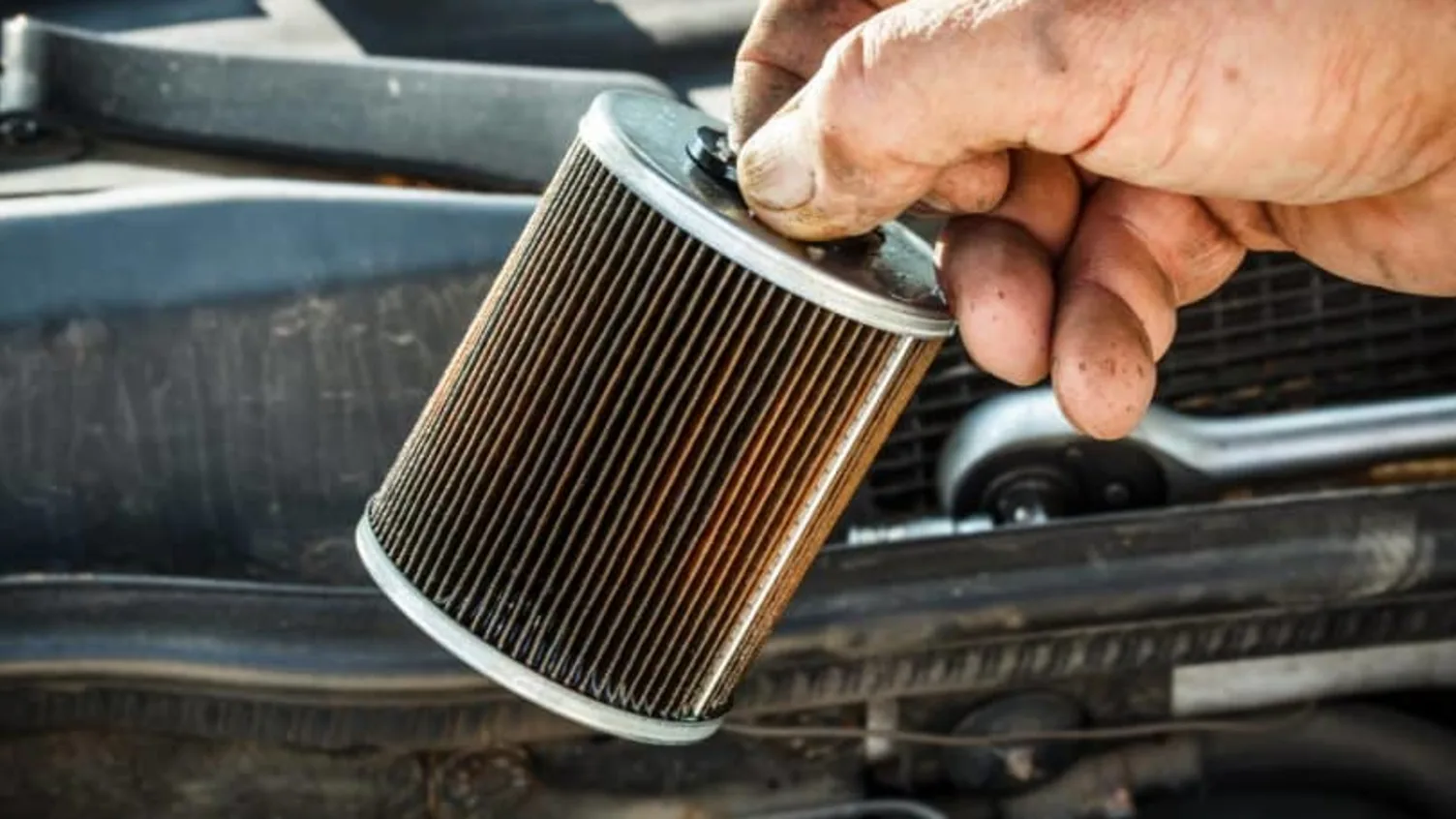
Credit: www.bigboxcars.com.au
Frequently Asked Questions
How Often Should I Replace My Car’s Fuel Filter?
Most manufacturers recommend changing the fuel filter every 20,000 to 40,000 miles. Check your owner’s manual for exact intervals. Regular replacement ensures clean fuel flow and prevents engine issues. Neglecting it can cause poor performance and costly repairs.
What Are Signs Of A Clogged Fuel Filter?
Common signs include engine misfires, stalling, reduced power, and poor acceleration. You may also notice difficulty starting the engine. If fuel flow is restricted, the filter likely needs replacement to maintain optimal vehicle performance.
Can A Dirty Fuel Filter Affect Fuel Efficiency?
Yes, a clogged fuel filter reduces fuel flow, causing the engine to work harder. This leads to increased fuel consumption and lower miles per gallon. Replacing the filter on time helps maintain fuel efficiency and engine health.
Is Fuel Filter Replacement Necessary For All Vehicles?
Most vehicles require periodic fuel filter changes, but intervals vary by model and fuel type. Some modern cars have lifetime filters needing less frequent replacement. Always consult your vehicle manual or a trusted mechanic for guidance.
Conclusion
Changing the fuel filter keeps your engine clean and healthy. Most cars need a new filter every 20,000 to 40,000 miles. Check your car’s manual for the best advice. A clean filter helps your car run smoothly and saves money on repairs.
Don’t wait for problems to start. Regular changes protect your engine and improve fuel efficiency. Simple steps like this make a big difference. Stay on top of fuel filter changes for a safer drive.


