

If you own a Ford F150, you know how important it is to keep your truck running smoothly. One key part that often gets overlooked is the fuel filter.
When it gets clogged, your engine struggles, and your ride suffers. But don’t worry—you don’t need to be a mechanic to fix it. In this guide, you’ll learn exactly how to remove the fuel filter from your Ford F150 quickly and safely.
By the end, you’ll feel confident taking this simple step to boost your truck’s performance. Ready to get started? Let’s dive in.
Tools Needed
Removing the fuel filter from a Ford F150 requires specific tools. Having the right tools makes the job easier and safer. Gather everything before you start to avoid interruptions.
Basic Tools
You will need a wrench set to loosen fuel line fittings. A screwdriver helps remove clamps or covers. A fuel line disconnect tool may be required for some models. A container is useful to catch any fuel spills. Have clean rags ready to wipe any mess.
Safety Equipment
Wear safety glasses to protect your eyes from fuel splashes. Use gloves to keep your hands clean and safe. Work in a well-ventilated area to avoid inhaling fumes. Keep a fire extinguisher nearby as a precaution. Safety is the top priority during this task.

Credit: www.youtube.com
Locate The Fuel Filter
Finding the fuel filter on your Ford F150 is the first step in replacing or cleaning it. Knowing its location saves time and makes the job easier. This section helps you find the fuel filter quickly.
Common Filter Locations
The fuel filter on a Ford F150 is usually near the fuel tank or under the hood. Older models often have the filter along the frame rail, near the fuel tank. Newer models might have the filter inside the fuel pump assembly or under the hood in the engine bay. Checking your truck’s manual can confirm the exact spot. Most filters are cylindrical and made of metal or plastic.
Accessing The Filter
Accessing the fuel filter may require lifting the truck or removing some parts. For filters near the fuel tank, use a jack to raise the truck safely. Always use jack stands for support. Filters under the hood are easier to reach but may need you to remove a cover or air intake. Wear gloves and eye protection when handling fuel parts. Take care to avoid fuel spills during removal.
Prepare The Vehicle
Preparing your Ford F150 before removing the fuel filter is important for safety and ease. Taking simple steps helps avoid accidents and damage. Follow these instructions carefully to get ready.
Relieve Fuel Pressure
Start by relieving the fuel pressure in the system. This stops fuel from spraying when you disconnect the filter. Locate the fuel pump fuse in the fuse box. Remove the fuse and try starting the engine. The engine will stall. This shows the fuel pressure is gone. Wait a few minutes before proceeding.
Disconnect Battery
Next, disconnect the battery to prevent electrical sparks. Use a wrench to remove the negative cable from the battery terminal. Secure the cable away from the battery. This step protects you while working near fuel. Never skip disconnecting the battery.
Remove The Old Fuel Filter
Removing the old fuel filter from your Ford F150 is a key step in keeping the engine healthy. The filter stops dirt and rust from reaching the fuel system. Over time, it clogs and needs replacement. This section guides you through the removal process. Follow each step carefully for safety and success.
Disconnect Fuel Lines
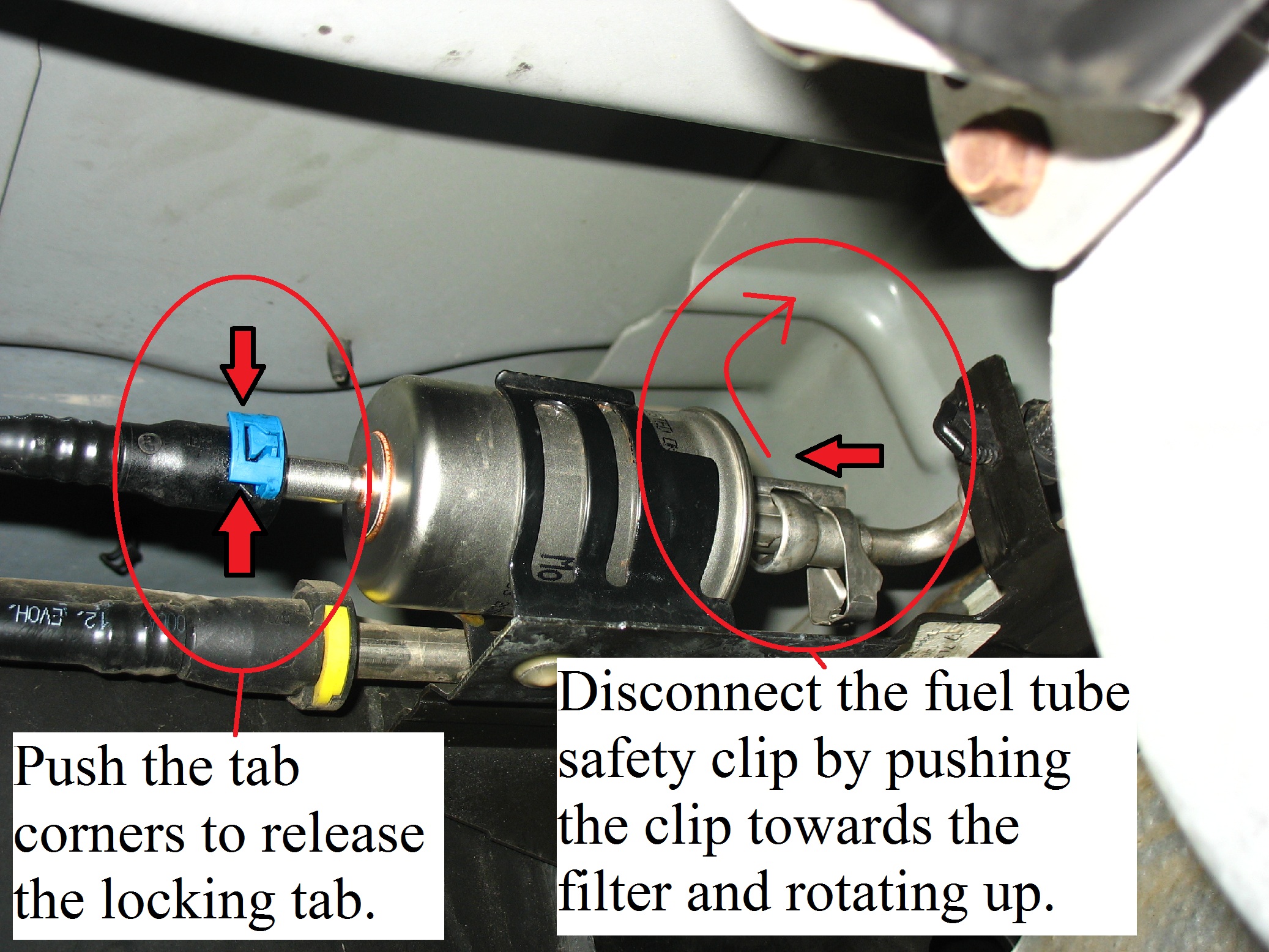
Start by relieving fuel system pressure. Open the hood and locate the fuel filter. Use a rag to catch any fuel spills. Carefully disconnect the fuel lines from the filter. Use a wrench or quick-connect tool if needed. Work slowly to avoid damaging the lines. Plug the lines to stop leaks and dirt entry.
Remove Mounting Bracket
Next, find the mounting bracket holding the filter. Use the correct size socket or wrench. Loosen and remove the bolts or screws. Keep the hardware safe for reinstallation. Pull the fuel filter out from the bracket. Handle it carefully to prevent fuel spills. The old filter is now ready to be replaced.
Install New Fuel Filter
Installing a new fuel filter in your Ford F150 is a key step for a smooth engine. The process needs care and proper placement to avoid leaks. Follow clear steps to ensure the filter fits perfectly.
Positioning The Filter
Start by holding the new fuel filter in the correct direction. Look for arrows showing fuel flow direction. Align the filter so fuel moves the right way. Place it where the old filter sat. Make sure it fits tightly without forcing.
Reattach Fuel Lines And Bracket
Reconnect the fuel lines carefully to the filter ends. Push or clip them firmly in place. Check for a secure connection to stop leaks. Then, fasten the bracket or clamp that holds the filter. Tighten it enough to keep the filter steady. Avoid over-tightening to prevent damage.
Check For Leaks
After removing and replacing the fuel filter on your Ford F150, checking for leaks is essential. Leaks can cause engine problems and pose safety risks. This step ensures your fuel system works correctly and safely.
Start The Engine
Turn the key to start your Ford F150 engine. Listen for any unusual sounds like sputtering or stalling. These sounds can mean fuel is not flowing properly. Watch for the smell of gasoline, which indicates a possible leak. Let the engine run for a few minutes to stabilize fuel pressure.
Inspect Connections
Look closely at all fuel line connections near the filter. Check for wet spots or fuel drips on hoses and fittings. Tighten any loose clamps or fittings with a wrench. Use a clean rag to wipe around connections and see if any fresh fuel appears. Fix leaks immediately to avoid damage or fire risks.
Maintenance Tips
Proper maintenance of your Ford F150’s fuel filter is key to a smooth-running engine. Regular care helps avoid costly repairs and keeps fuel flowing well. Knowing when and how to check the filter saves time and money. Below are some simple tips to help you maintain your fuel filter effectively.
Replacement Intervals
Change the fuel filter every 20,000 to 30,000 miles. This depends on driving conditions and fuel quality. Rough roads or dirty fuel can clog the filter faster. Always check your owner’s manual for specific recommendations. Timely replacement avoids engine problems and keeps fuel clean.
Signs Of A Clogged Filter
Watch for engine hesitation or poor acceleration. Your truck may stall or have trouble starting. A clogged filter reduces fuel flow and engine power. Check for unusual noises from the fuel pump. These signs mean it’s time to replace the fuel filter soon.
Credit: www.f150forum.com
Credit: www.reddit.com
Frequently Asked Questions
How Do I Locate The Fuel Filter On A Ford F150?
The fuel filter on a Ford F150 is usually under the truck near the fuel tank. Check along the frame rail or inside the engine bay. Consult your owner’s manual for the exact location specific to your F150 model year.
What Tools Are Needed To Remove The Fuel Filter?
You need a wrench or socket set, safety gloves, and eye protection. Some models require a special fuel line disconnect tool. Having a container to catch fuel spills is also helpful.
Is It Safe To Remove The Fuel Filter Myself?
Yes, if you follow safety steps like relieving fuel pressure and disconnecting the battery. Work in a well-ventilated area away from flames. If unsure, consult a mechanic to avoid injury or damage.
How Often Should I Replace The Fuel Filter On Ford F150?
Replace the fuel filter every 20,000 to 30,000 miles or as recommended in your owner’s manual. A clean fuel filter ensures proper engine performance and prevents fuel system damage.
Conclusion
Removing the fuel filter from your Ford F150 is not too hard. Follow each step carefully and take your time. Keep tools and safety gear nearby to avoid problems. Check for leaks after installing the new filter. Regular filter changes keep your truck running smooth.
Simple care helps your engine last longer. Now, you can handle this task with confidence. Give your Ford F150 the attention it deserves. Your truck will thank you with better performance.


