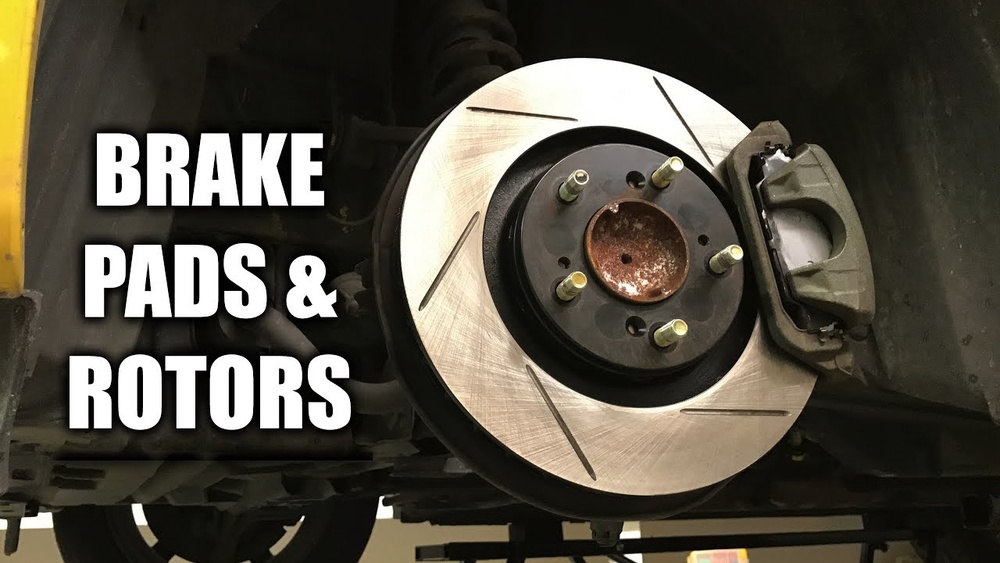
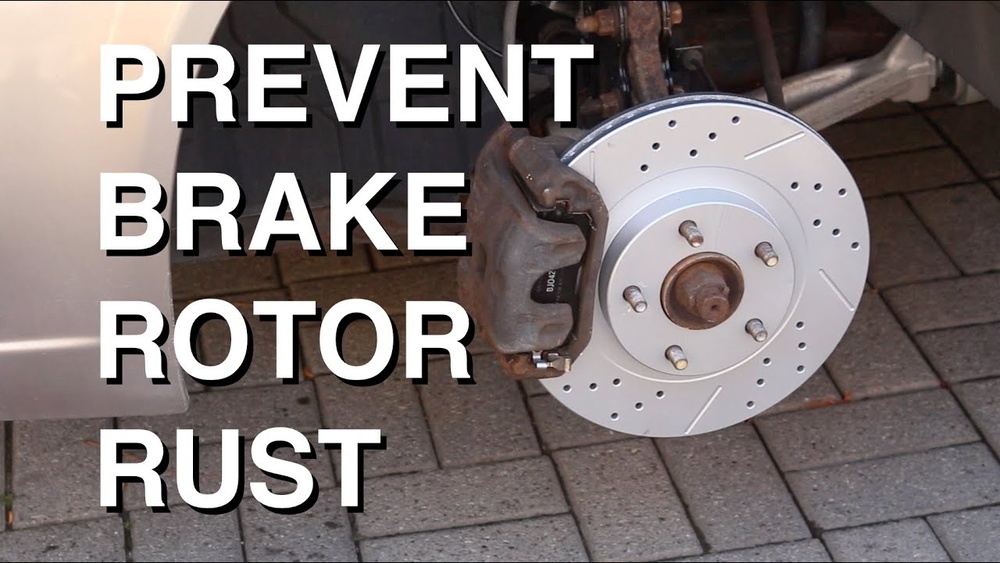
Your car’s brakes and rotors are crucial for your safety every time you hit the road. But do you know how often you should change them?
Ignoring this can lead to costly repairs or, worse, dangerous driving conditions. If you want to keep your vehicle running smoothly and protect yourself and your passengers, understanding when to replace these parts is key. Keep reading to find out the signs to watch for and the best practices to keep your brakes and rotors in top shape.
Credit: www.reddit.com
Signs You Need New Brakes
Knowing the signs of worn brakes is key to staying safe on the road. Brakes wear down over time and need replacing to keep your car stopping well. Early detection helps avoid costly repairs and accidents. Watch for clear signals that your brakes need attention.
Squeaking And Grinding Noises
Squeaking sounds often mean brake pads are thin. They warn you before serious damage happens. Grinding noises are worse. They mean metal is rubbing on metal. This can damage rotors and needs quick fixing.
Reduced Braking Performance
Brakes that feel weak or slow to respond need checking. You might press the pedal harder to stop. This shows brake pads or fluid might be low. Poor braking increases accident risk.
Vibrations While Braking
Feel shaking or pulsing in the pedal or steering wheel? This means rotors could be warped. Warped rotors reduce brake power and cause discomfort. Replacing them improves safety and smooth driving.

Credit: www.hawkperformance.com
Rotor Wear Indicators
Rotor wear indicators help you know when to change your brake rotors. These signs show the condition of the rotors. Checking them keeps your brakes safe and working well. Watch for these key indicators regularly to avoid brake problems.
Visible Grooves And Cracks
Grooves on the rotor surface mean the rotor is wearing out. Deep grooves reduce brake efficiency. Cracks are even more serious. They can cause rotor failure. Always check the rotor for these marks. Replace rotors if you see deep grooves or cracks.
Rotor Thickness Measurement
Rotors get thinner as they wear down. Measure rotor thickness with a micrometer or caliper. Each vehicle has a minimum thickness limit. If the rotor is thinner than this limit, replace it. Thin rotors can cause poor braking and heat damage.
Warped Rotors And Their Effects
Warped rotors cause vibration when braking. You may feel shaking in the brake pedal or steering wheel. Warping happens from heat and stress on the rotor. It lowers brake performance and can damage other parts. Replace warped rotors to keep brakes smooth and safe.
Recommended Replacement Intervals
Knowing the right time to replace brake pads and rotors is key for safe driving. Regular checks prevent costly repairs and keep your car stopping well. Replacement intervals vary but understanding the basics helps you plan maintenance better.
Brake Pad Lifespan
Brake pads usually last between 30,000 and 70,000 miles. This range depends on the type of pad and driving style. Soft pads wear faster but stop well. Hard pads last longer but may be less quiet. Checking pads every 10,000 miles is a good habit.
Rotor Replacement Frequency
Rotors often need replacement every 50,000 to 70,000 miles. Rotors wear slower than pads but can warp or crack. Signs of rotor wear include vibrations and noise when braking. Rotors may be replaced less often if pads are changed regularly.
Factors Affecting Wear Rates
Driving habits greatly affect brake wear. Frequent hard stops shorten pad and rotor life. City driving causes more wear than highway driving. Weather conditions like rain or snow increase brake use. Heavy loads and steep hills also add stress to brakes.
Driving Habits Impact
Driving habits greatly affect how fast your brake rotors and pads wear out. Different styles and conditions put varying stress on these parts. Understanding these impacts helps you know when to replace them.
City Vs Highway Driving
City driving means frequent stops and starts. This constant braking heats up rotors and wears pads faster. Stop-and-go traffic increases friction, causing quicker wear.
Highway driving involves steady speeds with fewer stops. Brakes face less stress and last longer. Rotors stay cooler, reducing the risk of warping or damage.
Aggressive Braking Consequences
Hard braking puts extra pressure on rotors and pads. Sudden stops create heat spikes that degrade brake material. This leads to faster wear and possible rotor cracks.
Gentle braking extends brake life by reducing heat and stress. Smooth stops help maintain rotor and pad condition over time.
Heavy Loads And Towing Effects
Carrying heavy loads or towing adds strain on brakes. Extra weight requires more braking force to slow down. This causes rotors and pads to wear out quickly.
Use lower gears and engine braking to reduce brake use. This helps prevent overheating and preserves brake parts longer.
Material Differences
Material differences in brake pads and rotors affect how often you need to change them. Each material type wears at a different rate. Knowing these differences helps you maintain your brakes better. It also saves money and keeps your car safe on the road.
Types Of Brake Pads
Brake pads come in three main types: organic, semi-metallic, and ceramic. Organic pads are soft and quiet but wear out quickly. Semi-metallic pads last longer but can be noisy and cause more rotor wear. Ceramic pads offer the best balance of noise, wear, and performance. They cost more but often last the longest.
Rotor Materials And Durability
Rotors are usually made from cast iron, steel, or carbon composites. Cast iron rotors are common and affordable. They provide good braking but wear down faster. Steel rotors last longer but can be more expensive. Carbon composite rotors are very durable and lightweight. They are mostly used in high-performance or racing cars.
Performance Vs Longevity Trade-offs
High-performance materials stop your car faster but wear out quicker. Longer-lasting materials may not perform as well under heavy braking. Choosing the right material depends on your driving style. Frequent city driving needs different brakes than highway or sporty driving. Balance your needs between performance and how often you want to replace parts.
Maintenance Tips For Longevity
Maintaining your rotors and brakes extends their life and ensures safety. Simple care steps keep parts working well longer. Follow easy tips to avoid early wear and costly repairs.
Regular Inspections
Check brake pads and rotors often for signs of wear. Look for cracks, grooves, or thinning parts. Inspect at least every 10,000 miles or during oil changes. Early detection prevents bigger problems and saves money.
Proper Bedding-in Procedures
New brakes need a break-in process called bedding-in. Drive gently and avoid hard stops for the first 200 miles. This helps pads and rotors work smoothly together. Proper bedding reduces noise and improves braking power.
Avoiding Common Mistakes
Do not ride your brakes or brake hard often. Avoid overheating rotors with constant heavy braking. Use quality parts that fit your vehicle. Poor habits and wrong parts cause faster brake wear.
Professional Inspection And Replacement
Professional inspection and replacement of rotors and brakes keep your car safe. Experts check the condition of brake pads and rotors carefully. They spot wear and damage early. This helps avoid costly repairs later. Regular checks improve brake performance and extend part life.
When To Seek Expert Help
Strange noises or vibrations from brakes need quick attention. If brakes feel weak or take longer to stop, call a mechanic. Experts use tools to measure rotor thickness and pad wear. They find hidden problems you may not see or feel. Regular visits help catch issues before they become serious.
Cost Considerations
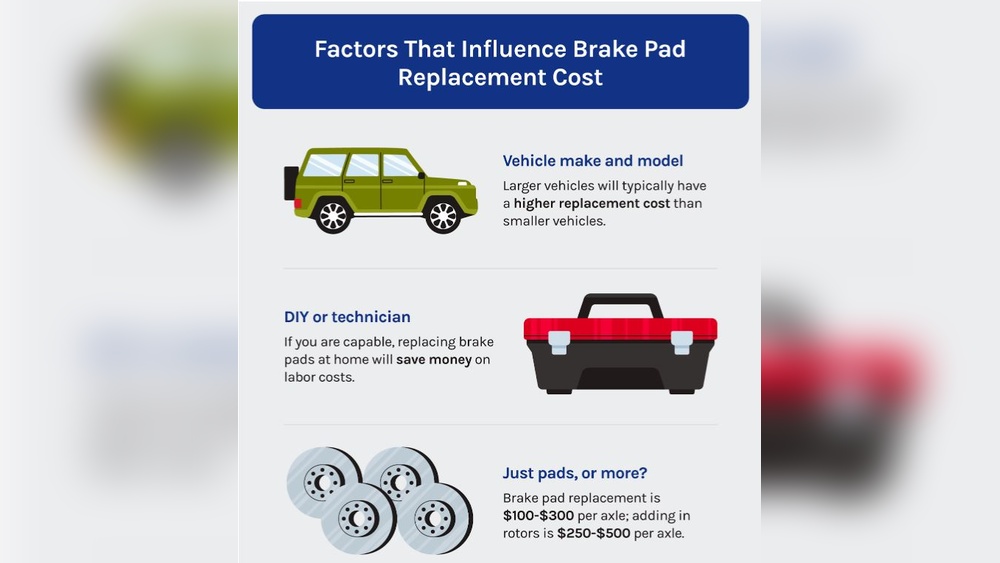
Brake and rotor replacement costs vary by car model and part quality. Labor charges depend on the repair shop and work done. Choosing cheaper parts may save money but could wear out fast. Spending more on quality parts often saves money long-term. Ask for a clear estimate before work starts to avoid surprises.
Choosing Quality Parts
Good parts improve brake safety and last longer. OEM parts fit perfectly and meet factory standards. High-quality aftermarket parts can also work well if chosen carefully. Avoid very cheap parts with unknown brands. Check reviews and ask your mechanic for advice. Quality parts protect your car and your life on the road.

Credit: www.brakestoyou.com
Frequently Asked Questions
How Often Should Brake Rotors Be Replaced?
Brake rotors generally need replacement every 30,000 to 70,000 miles. This varies by driving habits and rotor quality. Regular inspections help spot wear and warping early to maintain safe braking performance.
When Is It Time To Change Brake Pads?
Brake pads should be replaced every 25,000 to 50,000 miles. Listen for squealing noises or feel reduced braking efficiency. Regular checks ensure pads don’t wear too thin, protecting rotors and ensuring safe stops.
Can Worn Rotors Cause Brake Problems?
Yes, worn rotors can cause vibrations, noise, and reduced braking power. Warped or thin rotors affect braking safety. Timely rotor replacement prevents further damage and maintains smooth, effective braking performance.
What Factors Affect Rotor And Brake Lifespan?
Driving style, road conditions, and vehicle type impact brake and rotor lifespan. Frequent hard braking or hilly terrain causes faster wear. Regular maintenance and cautious driving extend brake system durability and safety.
Conclusion
Regularly checking and changing your rotors and brakes keeps driving safe. Worn parts can cause noise, poor stopping, or damage. Most rotors last 30,000 to 70,000 miles, but this varies. Brake pads often need replacement sooner. Watch for signs like squeaking or vibration.
Routine maintenance saves money and prevents accidents. Stay alert to how your car feels and sounds. Timely care helps your vehicle perform well longer. Don’t wait until problems get worse. Safety always comes first on the road.