Have you ever wondered if your brake rotors are too corroded to keep you safe on the road? Ignoring this problem can lead to costly repairs and, more importantly, dangerous driving conditions.
Knowing the signs of rotor corrosion is key to protecting yourself and your vehicle. You’ll learn exactly what to look for and when it’s time to take action. Keep reading—your safety depends on it.

Credit: www.reddit.com
Signs Of Rotor Corrosion
Brake rotors face constant wear and tear. Over time, corrosion can damage them severely. Recognizing signs of rotor corrosion helps keep your brakes safe. Early detection prevents costly repairs and dangerous driving situations.
Here are key signs to watch for on your brake rotors.
Visible Rust Patterns
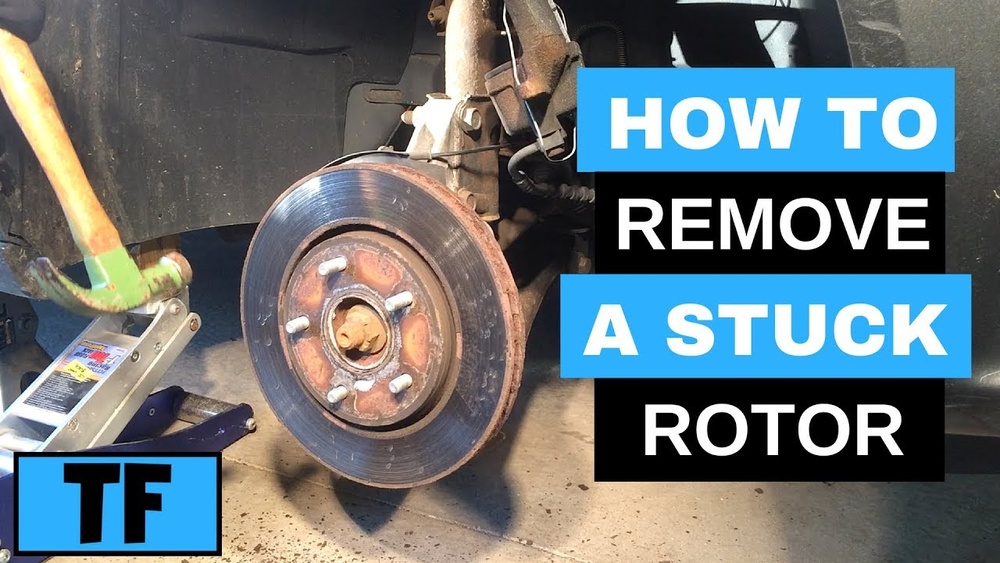
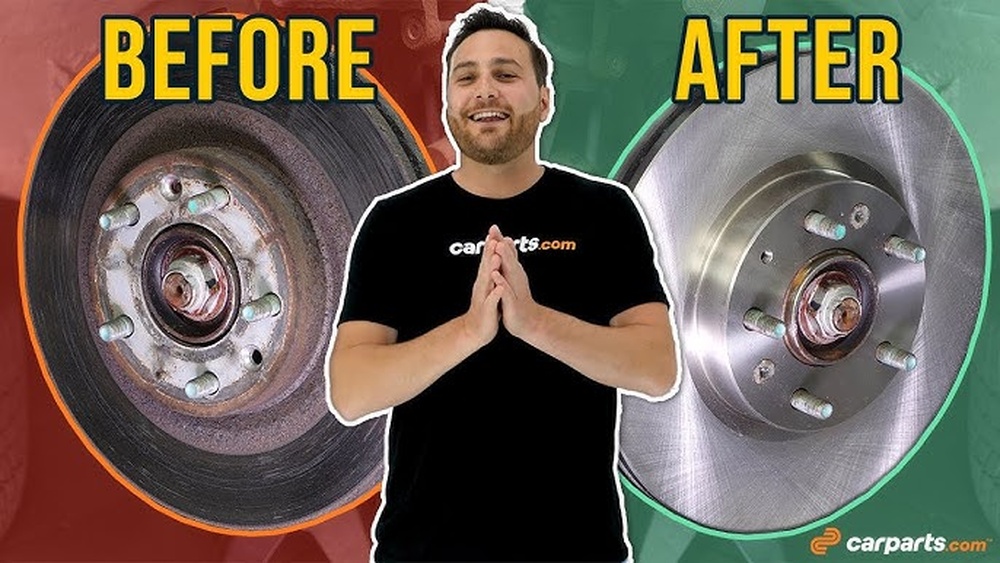
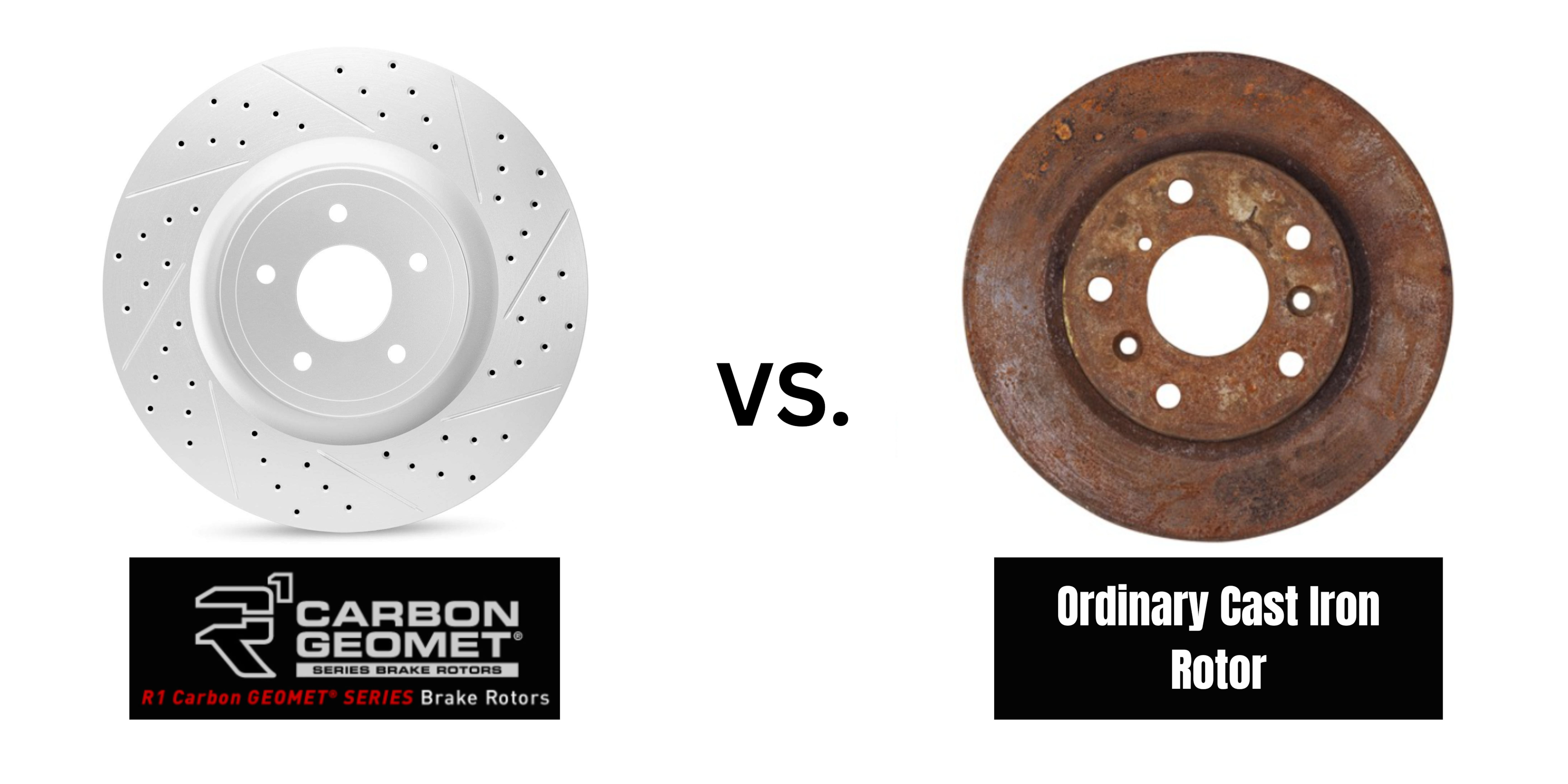
Rust often appears as an orange or brown layer on rotors. Some rust is normal after rain or washing. But thick, flaky rust means corrosion is deep. This kind of rust weakens the rotor’s metal. It can cause braking problems and noise.
Surface Pitting
Surface pitting looks like tiny holes or rough spots. Corrosion eats away small parts of the rotor’s surface. Pits reduce smooth contact with brake pads. This leads to vibrations and less effective braking. Pitting usually grows worse over time.
Uneven Wear Marks
Uneven wear shows as grooves or ridges on the rotor. Corroded areas wear down faster than others. This causes the rotor surface to become lumpy. Uneven wear can cause brake pulsing or shaking. It also shortens rotor and pad life.
Impact On Braking Performance
Brake rotors play a key role in stopping your vehicle safely. When rotors become too corroded, they affect how well your brakes work. This can make driving dangerous. Understanding the impact of corrosion on braking helps you know when to get your rotors checked or replaced.
Reduced Stopping Power
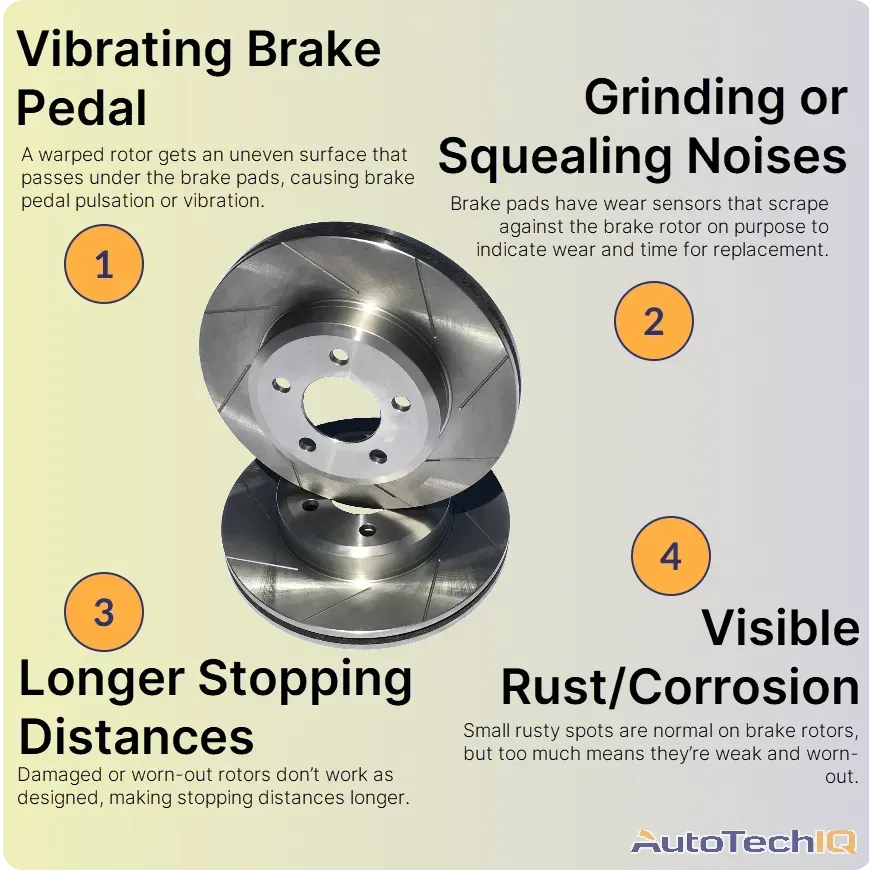
Corroded rotors reduce the contact area with brake pads. This lowers the friction needed to stop your car quickly. You may notice your vehicle takes longer to stop. This delay can increase the risk of accidents, especially in emergencies.
Brake Noise And Vibration
Rusty rotors often cause squealing or grinding sounds when braking. Vibrations may also occur through the brake pedal or steering wheel. These signs indicate uneven rotor surfaces. They reduce smooth braking and signal rotor damage.
Longer Brake Pedal Travel
Corroded rotors can make the brake pedal feel soft or spongy. You might need to press the pedal further to slow down. This longer travel means your brakes are less responsive. It lowers your control over the vehicle.
Inspection Techniques
Inspecting brake rotors for corrosion is key to safe driving. Proper checks help spot issues early. These techniques show if rotors need replacement or repair.
Visual Check Methods
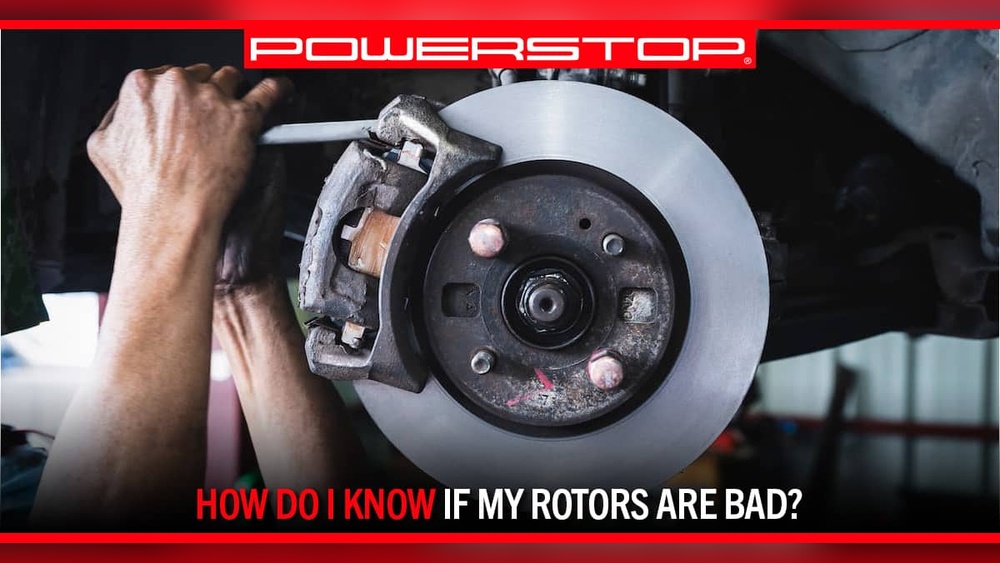
Start by looking closely at the rotor surface. Check for deep rust patches or rough spots. Light rust can be normal, but heavy corrosion is a warning. Look for cracks or grooves too. These signs mean the rotor may fail soon.
Measuring Rotor Thickness
Use a micrometer or caliper to measure thickness. Each rotor has a minimum safe thickness. Check this number in your car manual. If the rotor is thinner than allowed, replace it. Thin rotors heat up fast and wear quickly.
Professional Diagnostic Tools
Mechanics use special tools to test rotors precisely. They check for warping and uneven surfaces. Some tools measure vibration during braking. These tests find hidden rotor problems. Professionals detect issues you might miss.
Credit: www.r1concepts.com
When To Replace Rotors
Knowing when to replace brake rotors is key for safe driving. Rotors wear down and corrode over time. Ignoring signs can cause poor braking and costly repairs. Watch for clear signals that rotors need replacement.
Manufacturer’s Thickness Limits
Each rotor has a minimum thickness limit set by the maker. Measure thickness with a micrometer or caliper. If the rotor is thinner than the limit, replace it. Thin rotors heat up fast and may crack.
Excessive Rust Damage
Some surface rust is normal, but heavy corrosion is a problem. Deep rust can weaken the rotor structure. Look for pitted or flaking rust on the rotor face. Large rust spots mean it’s time to change the rotors.
Persistent Braking Issues
Feel vibrations or pulsing in the brake pedal? Rotors might be warped or uneven. Squealing or grinding noises also show rotor problems. If brake problems stay after pad replacement, check rotors carefully.
Preventing Rotor Corrosion
Brake rotors can corrode over time, reducing their performance and safety. Preventing rotor corrosion helps keep brakes working well and lasting longer. Simple steps can protect rotors from rust and damage.
Regular Cleaning Tips
Clean rotors often to remove dirt and moisture. Use a soft brush or cloth with mild soap. Avoid harsh chemicals that can harm metal parts. Dry rotors completely to stop rust from forming. Regular cleaning keeps rotors smooth and safe.
Protective Coatings
Apply anti-rust sprays or coatings to brake rotors. These protect metal from moisture and air. Choose products made for automotive use. Reapply coatings after cleaning or heavy rain. Protective layers slow down rust and help rotors last longer.
Driving And Storage Habits
Drive regularly to prevent moisture buildup on rotors. Short drives after rain or washing dry rotors well. Store vehicles in dry, covered areas to avoid rust. Avoid parking on grass or dirt, which trap moisture. Good habits keep brake rotors free from corrosion.
Credit: www.autotechiq.com
Frequently Asked Questions
How Can I Identify Corroded Brake Rotors?
Look for visible rust, rough surfaces, and uneven wear on the rotors. Corrosion often causes vibration when braking.
What Symptoms Indicate Brake Rotor Corrosion?
You may hear squealing, grinding noises, or feel pulsation in the brake pedal. These signs suggest rotor corrosion.
Is It Safe To Drive With Corroded Brake Rotors?
Driving with corroded rotors reduces braking efficiency and safety. Replace or resurface them promptly to avoid accidents.
Can Rusted Brake Rotors Cause Brake Failure?
Yes, heavy corrosion weakens rotors, leading to brake fade or failure. Timely maintenance prevents serious issues.
Conclusion
Brake rotors show signs when corrosion becomes a problem. Rust buildup can cause noise and reduce braking power. Deep grooves or uneven surfaces mean it’s time to act. Driving with corroded rotors can be unsafe. Regular checks help spot issues early.
Clean rotors may last longer and work better. Don’t ignore strange sounds or vibrations while braking. Taking care of brake rotors keeps your car safe on the road. Simple maintenance saves money and avoids bigger repairs later. Stay alert and keep your brakes in good shape.