If your car’s brakes are making noise or your stopping distance has increased, it’s time to take action. Knowing how to replace your front brakes and rotors can save you money and keep you safe on the road.
You might think this job is too complicated, but with the right steps, you can do it yourself. In this guide, you’ll learn exactly what to do, step by step, so you can feel confident and in control. Ready to get your car back to peak performance?
Let’s dive in.
Tools And Materials Needed
Replacing front brakes and rotors requires specific tools and materials. Having the right items ready makes the job easier and safer. This section lists everything needed to complete the task smoothly.
Basic Hand Tools
Start with a good set of wrenches and sockets. A ratchet wrench saves time removing bolts. You will also need a flathead screwdriver for prying off parts. A C-clamp or brake caliper tool helps compress the brake piston.
Safety Equipment
Wear safety glasses to protect your eyes from dust and debris. Gloves keep your hands clean and safe from sharp edges. A jack stand is essential to hold your car securely after lifting it with a jack.
Replacement Parts
New brake pads and rotors match your vehicle’s specifications. Always buy quality parts for better performance and longer life. Some kits include brake hardware, which helps the brakes work quietly and smoothly.
Additional Supplies
Brake cleaner removes dust and grease from rotors and pads. Brake grease lubricates caliper pins to prevent sticking. A torque wrench ensures you tighten bolts to the correct pressure.
Credit: www.buybrakes.com
Preparing Your Vehicle
Start by parking your car on a flat surface and turning off the engine. Gather all tools and safety gear before lifting the vehicle with a jack. Ensure the wheels are secured to prevent movement during the brake and rotor replacement.
Securing The Car
Start by parking your car on a flat, stable surface. Avoid slopes to keep the vehicle steady. Apply the parking brake firmly. Place wheel chocks behind the rear wheels. This stops the car from rolling while you work. Always double-check the car is secure before lifting.
Removing The Wheel
Loosen the lug nuts slightly before lifting the car. Use a lug wrench to break their tightness. Next, use a jack to raise the front of the vehicle. Lift it high enough for the wheel to clear the ground. Place jack stands under the car for safety. Then, remove the lug nuts completely. Pull the wheel straight off and set it aside. This gives clear access to the brakes and rotors.
Removing Old Brakes And Rotors
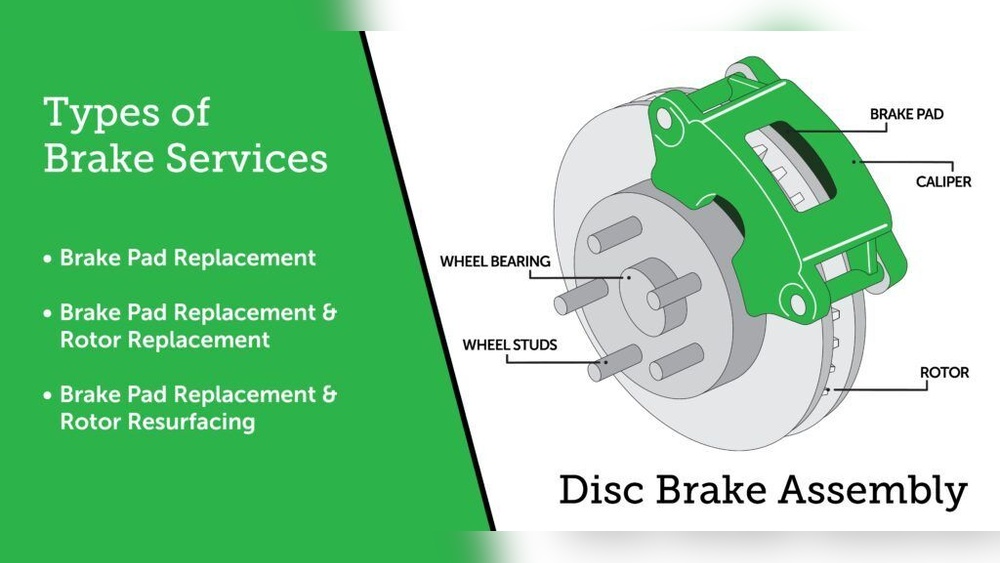
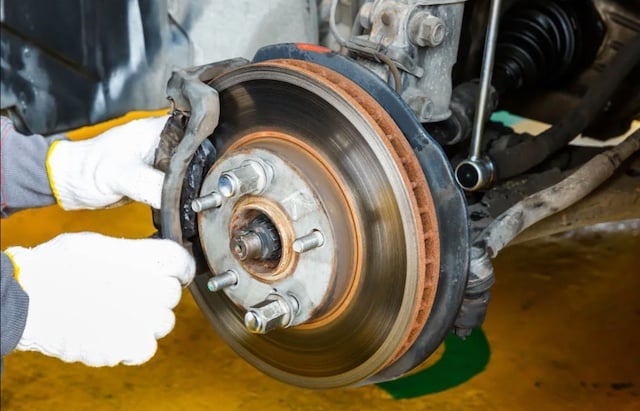
Removing old brakes and rotors is an important step in brake replacement. This process ensures the new parts fit correctly and work well. Taking off the worn components carefully helps avoid damage to other parts. Follow these steps to remove the caliper, brake pads, and rotor safely.
Detaching The Caliper
Start by locating the caliper bolts. Use a wrench to loosen and remove them. Gently pull the caliper away from the rotor. Support the caliper with a wire or hanger. Avoid letting it hang by the brake hose. This prevents damage to the brake line.
Removing Brake Pads
Look inside the caliper bracket for the brake pads. Slide the pads out carefully. Some pads may be held with clips or pins. Remove these parts if needed. Note how the pads are positioned for easy reinstallation later.
Taking Off The Rotor
Check if the rotor is held with screws or clips. Remove any fasteners found. If the rotor sticks, tap it lightly with a rubber mallet. Pull the rotor straight off the wheel hub. Clean the hub surface before installing the new rotor.
Installing New Rotors
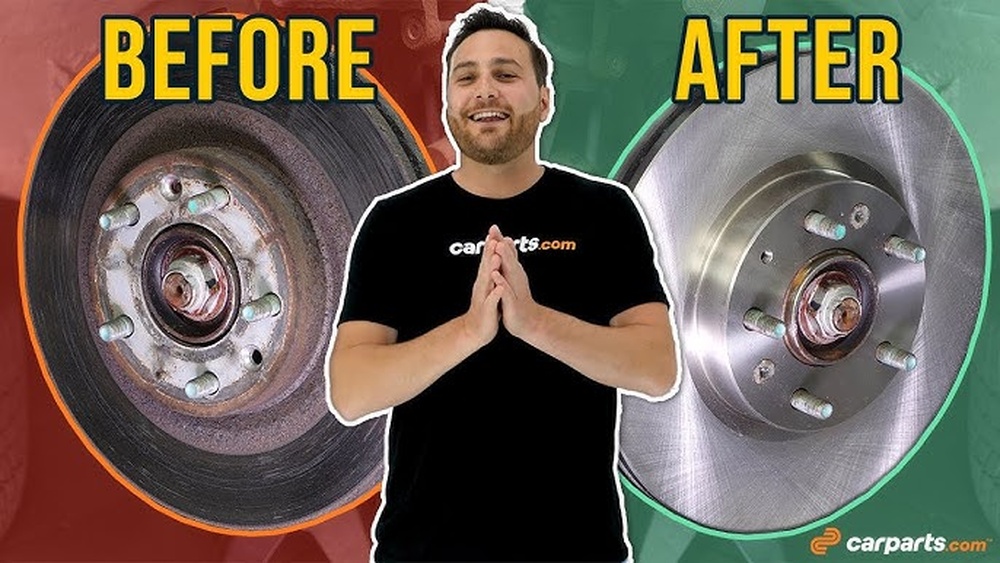
Replacing front brake rotors starts with removing the old parts carefully. Clean the area before fitting new rotors to ensure smooth braking. Tighten all bolts securely to keep everything in place and safe.
Cleaning The Hub
Start by cleaning the hub before installing the new rotor. Use a wire brush to remove rust and dirt. This step helps the rotor sit flat and prevents wobbling. Wipe the hub with a clean cloth to remove loose particles. A clean hub ensures better rotor performance and longer brake life.
Mounting The Rotor
Place the new rotor onto the hub carefully. Align the holes of the rotor with the wheel studs. Press the rotor firmly against the hub. Some rotors have a small screw to hold them in place; tighten it if present. Make sure the rotor is seated evenly to avoid brake issues.
Replacing Brake Pads
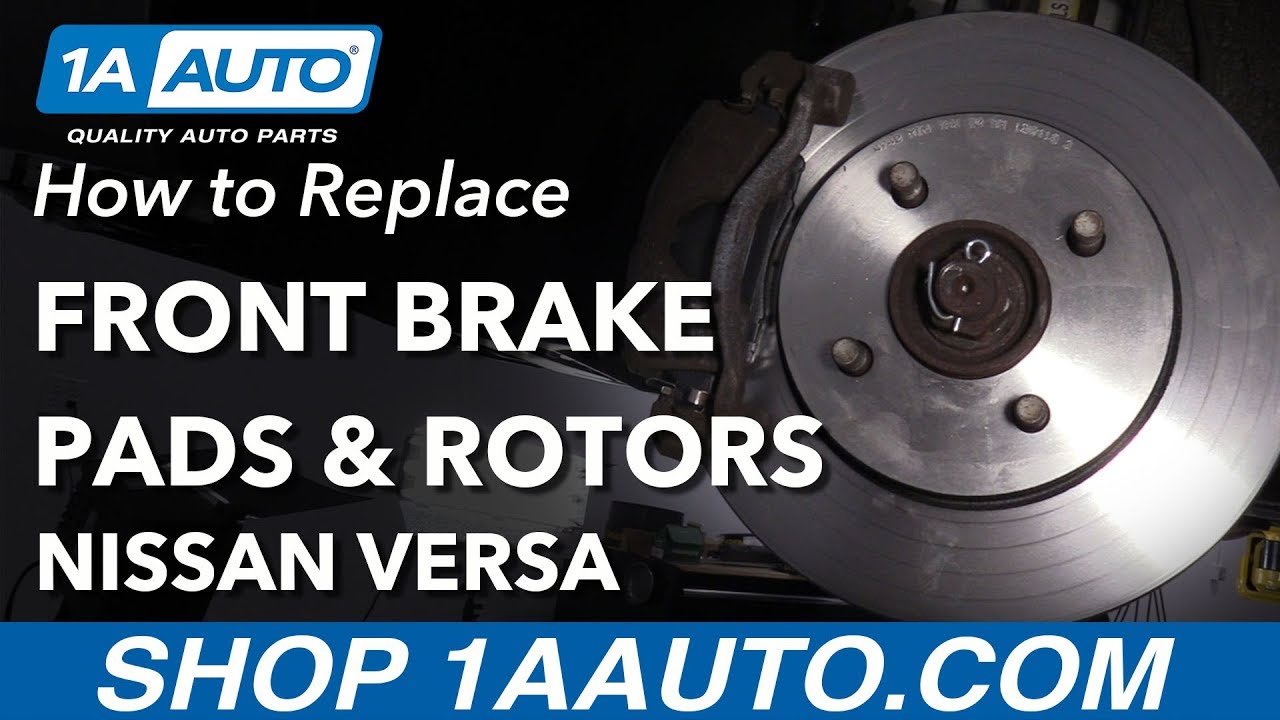
Replacing brake pads is a crucial step in maintaining your vehicle’s safety. Worn-out pads reduce braking power and increase stopping distance. Replacing them ensures smooth, efficient braking and protects the rotors from damage. This process requires care and the right tools. Follow the steps below to replace your front brake pads correctly.
Compressing The Caliper Piston
The caliper piston holds the brake pads against the rotor. It must be pushed back to fit the new, thicker pads.
First, remove the caliper bolts and lift the caliper off the rotor. Use a C-clamp or piston tool to press the piston slowly back into the caliper housing. Do this gently to avoid damage.
Check the brake fluid reservoir. Compressing the piston can push fluid back, so keep an eye on the fluid level to prevent overflow.
Installing New Pads
Place the new brake pads into the caliper bracket. Ensure they fit snugly and align with the rotor surface.
Reinstall the caliper over the new pads and rotor. Tighten the caliper bolts securely.
Test the brake pedal by pressing it a few times. This action seats the new pads against the rotor for proper braking.
Credit: www.1aauto.com
Reassembling The Brake Components
Reassembling the brake components is a vital step after replacing front brakes and rotors. It ensures the brake system works safely and smoothly. Careful handling during this process prevents damage and ensures proper function.
Start by positioning the caliper correctly over the new brake pads and rotor. Align it so the pads sit evenly on both sides of the rotor. This step is key to avoid uneven wear and noise.
Reattaching The Caliper
Place the caliper gently onto the rotor and pads. Check that the brake line is free and not twisted. The caliper should slide easily into place without forcing it. Proper alignment reduces stress on brake parts.
Push the caliper piston back if needed. This creates space for the new, thicker brake pads. Use a brake tool or C-clamp carefully. Avoid damaging the piston or caliper housing.
Securing With Bolts
Insert the caliper bolts by hand first. This prevents cross-threading and damage. Tighten the bolts in a crisscross pattern. Use a torque wrench to meet manufacturer specs.
Check all bolts are firm but not over-tightened. Loose bolts cause vibration and noise. Over-tightened bolts can strip threads or crack parts. Proper torque ensures safety and brake performance.
Finishing Up
After installing the new front brakes and rotors, it’s time to finish the job safely. This final stage ensures your vehicle works well and stops correctly. Take your time with each step. A proper finish protects your car and your safety on the road.
Reinstalling The Wheel
Place the wheel back onto the hub carefully. Align the holes with the wheel studs. Push the wheel onto the studs until it sits flush against the rotor. Hand-tighten the lug nuts to keep the wheel in place. Use a wrench to snug the nuts in a star pattern. This helps the wheel sit evenly and prevents damage.
Lowering The Vehicle
Use the jack to lift the car slightly and remove the jack stands. Slowly lower the vehicle to the ground. Make sure the car is stable and fully on the ground before removing the jack. Never work under a car supported only by a jack. Safety first.
Testing The Brakes
Before driving, press the brake pedal several times. This helps the brake pads settle against the rotors. Check for firm pedal feel and no strange noises. Start driving slowly and test the brakes gently. Confirm the car stops smoothly and straight. Proper testing ensures your brake job is successful.
Safety Tips And Maintenance
Replacing front brakes and rotors requires care and attention. Safety is the top priority during this task. Proper maintenance helps keep your vehicle safe and extends brake life. Follow these safety tips and maintenance steps to ensure a smooth brake replacement process.
Use Proper Safety Gear
Always wear safety glasses to protect your eyes from dust and debris. Use gloves to keep your hands clean and safe from sharp edges. Wear closed-toe shoes to protect your feet. Avoid loose clothing that can get caught in tools or parts.
Secure The Vehicle Correctly
Park on a flat, solid surface. Apply the parking brake firmly. Use wheel chocks behind the rear wheels to stop movement. Lift the car using a reliable jack and place jack stands under the frame for support. Never rely on the jack alone to hold the car.
Check Brake Fluid And Components
Inspect brake fluid levels before starting work. Look for leaks or damage in brake lines. Examine brake pads and rotors for wear and cracks. Replace parts that show signs of damage or extreme wear.
Clean And Lubricate Parts
Clean the brake caliper and surrounding area with brake cleaner. Remove dirt and rust to ensure proper function. Apply brake grease to sliding parts for smooth operation. Avoid getting grease on the rotor or brake pads.
Test Brakes After Replacement
Press the brake pedal several times before driving. This helps the brake pads settle in place. Perform a slow test drive in a safe area. Listen for unusual noises and check brake response. Stop immediately if brakes feel weak or spongy.

Credit: www.youtube.com
Frequently Asked Questions
How Often Should Front Brakes And Rotors Be Replaced?
Front brakes and rotors typically need replacement every 30,000 to 70,000 miles. Regular inspection helps identify wear and tear early, ensuring safety and optimal braking performance. Factors like driving habits and road conditions can affect this timeline.
What Tools Are Required To Replace Front Brakes And Rotors?
You need a jack, lug wrench, socket set, C-clamp, brake cleaner, and a torque wrench. These tools help safely remove wheels, calipers, and old parts while installing new brakes and rotors properly.
Can I Replace Front Brakes And Rotors Myself?
Yes, with basic mechanical skills and the right tools, you can replace them. Follow safety procedures, consult your vehicle manual, and work methodically for a successful brake job.
How Do I Know If My Front Rotors Need Replacement?
Signs include vibrations when braking, squealing noises, and visible grooves or warping on rotor surfaces. If these symptoms appear, inspect or replace rotors to maintain safe braking.
Conclusion
Replacing front brakes and rotors keeps your car safe and smooth. Take your time and follow each step carefully. Clean parts and tight bolts help brakes work well. Test your brakes before driving on busy roads. Regular checks stop problems before they grow.
You can save money and learn new skills. Trust your work and stay safe on the road. Simple care makes a big difference in driving.