If you own a Honda Accord made after 1999, knowing how to change the fuel pump and filter can save you time and money. These parts play a crucial role in keeping your car running smoothly.
When they start to fail, your engine may struggle or even stop working altogether. You’ll learn simple, step-by-step instructions to replace your fuel pump and filter yourself. By the end, you’ll feel confident tackling this task and keeping your Accord in top shape.
Ready to take control of your car’s performance? Let’s get started.
Fuel Pump Basics
The fuel pump is a key part of your 1999 Honda Accord’s engine system. It moves fuel from the tank to the engine. Without a working fuel pump, your car cannot run. Understanding the basics helps you spot problems early and keep your car healthy.
Role In Your Honda Accord
The fuel pump sends fuel through the fuel lines to the engine. It keeps the right pressure for smooth engine performance. This pressure helps fuel mix well with air for burning. A steady fuel supply means the engine runs without stalling or hesitation.
Signs Of A Failing Pump
A failing fuel pump causes engine trouble. The engine may sputter or lose power while driving. You might hear a whining noise from the fuel tank area. The car may struggle to start or not start at all. Watch for these signs to avoid breakdowns.

Credit: marciodidier.com.br
Fuel Filter Function
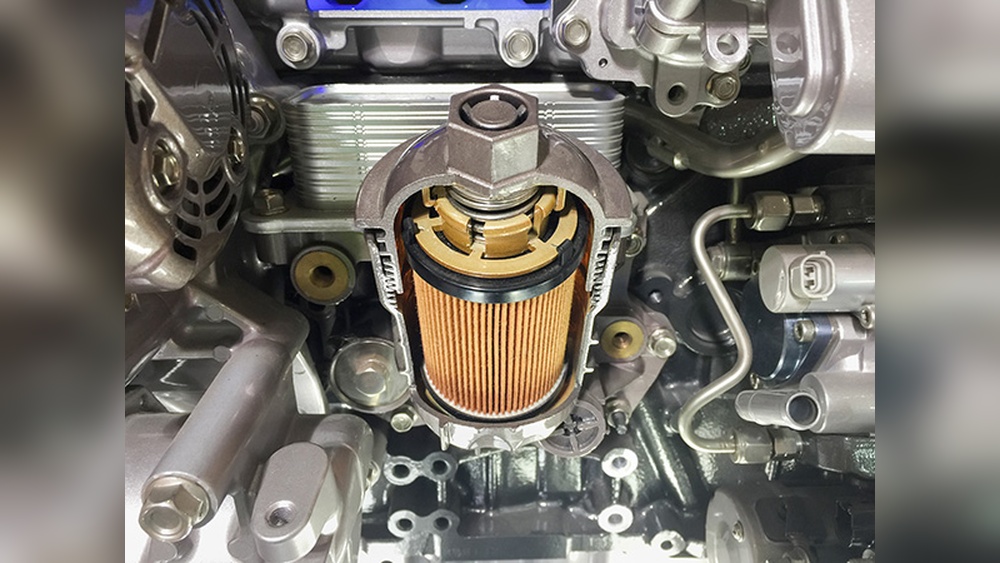
The fuel filter plays a key role in your 1999 Honda Accord’s fuel system. It cleans the fuel before it reaches the engine. Dirt, rust, and other particles get trapped in the filter. This stops them from damaging the fuel pump or engine parts.
A clean fuel filter helps the engine run smoothly. It ensures the right amount of fuel flows without blockage. Over time, the filter can get clogged and lose its job. Changing the fuel filter is important to keep your car in good shape.
Why It Matters
The fuel filter protects the fuel pump and engine. It stops harmful debris from entering the system. A clogged filter lowers fuel flow and engine power. This causes poor fuel efficiency and engine strain. Replacing the filter prevents costly repairs and keeps your car reliable.
Symptoms Of A Clogged Filter
Watch for engine hesitation during acceleration. The car may stall or have trouble starting. Notice a drop in fuel economy or rough idling. These signs point to a dirty fuel filter. Early replacement avoids bigger problems and keeps your Accord running well.
Tools And Materials Needed
Changing the fuel pump and filter on a 1999 or newer Honda Accord requires the right tools and parts. Preparing these items before starting saves time and avoids frustration. A clean workspace and proper equipment make the job easier and safer.
Essential Tools
- Socket wrench set with extensions
- Flathead and Phillips screwdrivers
- Fuel line disconnect tool
- Needle-nose pliers
- Jack and jack stands or ramps
- Safety glasses and gloves
- Drain pan for fuel collection
- Clean rags or shop towels
Recommended Replacement Parts
- OEM or high-quality fuel pump
- New fuel filter designed for the Accord
- Replacement O-rings and seals
- Fuel hose clamps, if old or damaged
- Fuel injector cleaner (optional)

Credit: www.ebay.com
Preparing For The Replacement
Preparing for the fuel pump and filter replacement on a 1999 Honda Accord requires careful steps. Proper preparation keeps the process safe and smooth. It helps avoid damage and injury. Taking time to prepare protects both you and your car.
Start by gathering all tools and replacement parts. Make sure the workspace is clean and well-lit. Have a fire extinguisher nearby as a safety measure. Clear any flammable materials from the area. Now, focus on specific safety steps before starting the job.
Safety Precautions
Always work in a well-ventilated area to avoid fuel fumes buildup. Wear safety goggles to protect your eyes. Use gloves to keep your hands clean and safe from fuel. Avoid open flames, sparks, or smoking near the car. Disconnect the battery to prevent electrical sparks. These steps reduce the risk of accidents.
Relieving Fuel System Pressure
Relieving fuel pressure is crucial before removing the fuel pump or filter. High pressure in the fuel system can cause fuel to spray out. This is dangerous and can cause injury. Locate the fuel pump fuse or relay and remove it. Start the engine and let it run until it stops. This uses up the remaining fuel pressure. Turn off the ignition and disconnect the negative battery cable. Now the system is safe to work on.
Removing The Old Fuel Pump
Removing the old fuel pump is the first step in replacing it on your 1999 Honda Accord. This process needs care and attention to avoid damage. The fuel system holds pressure even after the engine stops. Release this pressure safely before starting.
Following the right steps helps prevent fuel leaks and keeps you safe. The removal involves accessing the pump and disconnecting several components. Each step is important to reach the pump without issues.
Accessing The Fuel Pump
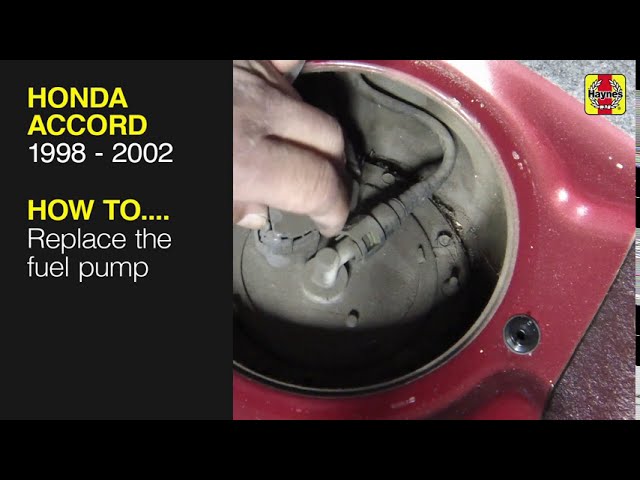
The fuel pump is inside the fuel tank. On a 1999 Honda Accord, access is usually through the rear seat or trunk area. Remove the rear seat cushion carefully to find the access panel. The panel covers the fuel pump and sending unit.
Unscrew the bolts holding the panel in place. Lift the panel gently to avoid damaging wires or connectors underneath. Clear any dirt or debris around the area. This prevents it from falling into the tank during removal.
Disconnecting Components
Before removing the pump, disconnect the fuel lines and electrical connectors. Fuel lines may have quick-release fittings; press or pull as needed. Keep a rag handy to catch any fuel drips. Label connectors to remember their position for reassembly.
Remove the retaining ring or bolts holding the pump in the tank. Use proper tools to avoid damage. Lift the old fuel pump out carefully. Avoid bending or breaking the pump or fuel level sensor.
Installing The New Fuel Pump
Replacing the fuel pump on a 1999 Honda Accord requires careful removal of the old pump and filter. Start by disconnecting the battery and fuel lines, then install the new parts securely. Proper installation ensures smooth engine performance and fuel flow.
Installing the new fuel pump in your 1999 Honda Accord is a key step after changing the old pump and filter. This process requires care and attention to ensure the pump works properly. A well-installed fuel pump helps your car run smoothly and saves fuel.
Take your time with each step. Correct installation avoids leaks and engine problems. Follow the instructions carefully for a safe and effective replacement.
Positioning And Securing
Place the new fuel pump in the exact spot of the old one. Make sure it fits snugly and aligns with the mounting points. Use the original screws or bolts to secure the pump firmly.
Do not overtighten the bolts. Tighten them just enough to hold the pump in place. A loose pump can cause vibrations and fuel leaks, while overtightening can damage parts.
Reconnecting Fuel Lines And Wiring
Attach the fuel lines back to the new pump carefully. Push the lines on fully to avoid leaks. Check that each line connects to the right port.
Reconnect the electrical wiring next. Match the connectors exactly. A wrong connection can cause the pump to fail or create a short circuit.
Double-check all connections before moving on. Secure the wires to keep them from moving or rubbing against other parts.
Replacing The Fuel Filter
Replacing the fuel filter in a 1999 or newer Honda Accord is a key part of fuel system maintenance. A clean fuel filter helps keep the engine running smoothly. It stops dirt and rust from reaching the fuel pump and engine. Changing the filter regularly can prevent poor performance and costly repairs.
This section explains how to find and replace the fuel filter safely and correctly. Follow these steps to keep your Accord’s fuel system in good shape.
Locating The Filter
The fuel filter on most 1999 and newer Honda Accords is inside the fuel tank. It is part of the fuel pump assembly. You will not find a separate filter under the car like older models. To access it, you need to remove the rear seat or open a service panel in the trunk area. Check your car’s manual for the exact location.
Removing And Installing The Filter
Before starting, relieve the fuel system pressure. This prevents fuel spray during removal. Disconnect the battery to avoid sparks. Remove the rear seat or access panel carefully. Unscrew the fuel pump assembly bolts. Pull out the assembly gently to avoid damage.
Replace the old filter with a new one attached to the fuel pump assembly. Make sure the new filter fits tightly and correctly. Reinstall the assembly back into the tank. Secure all bolts and reconnect any fuel lines. Reattach the rear seat or panel. Reconnect the battery and test the engine for proper function.
Post-installation Checks
After changing the fuel pump and filter on a 1999 Honda Accord, checking your work is important. These checks make sure everything works well. They help avoid problems and keep your car running smoothly.
Testing For Leaks
Start by looking for fuel leaks around the pump and filter. Use a flashlight to see clearly. Check all connections and hoses. Look for wet spots or fuel smells. Any leak can cause engine problems or fire hazards. Tighten fittings if needed. Do not start the engine until no leaks appear.
Starting The Engine And Performance Check
Turn the key and start the engine. Listen for smooth running sounds. The engine should start quickly without sputtering. Watch the dashboard for warning lights. Let the engine run for a few minutes. Check for steady idle speed. Test acceleration by driving slowly. The car should respond well without hesitation. These tests confirm the fuel pump and filter work correctly.
Maintenance Tips
Proper maintenance keeps your Honda Accord running smoothly after changing the fuel pump and filter. Simple steps help avoid early wear and costly repairs. Follow these tips to protect your fuel system and improve performance.
Regular Inspection Schedule
Check the fuel pump and filter regularly. Inspect every 12,000 miles or once a year. Look for signs like strange noises or fuel smell. Catch problems early to prevent breakdowns. Keep a maintenance log to track inspections and changes.
Extending Fuel Pump And Filter Life
Use clean, high-quality fuel to reduce dirt buildup. Avoid running the tank too low, which strains the pump. Replace the fuel filter as recommended in your owner’s manual. Clean fuel lines if needed to maintain flow. Regular care helps your fuel system last longer and work better.
Credit: www.youtube.com
Frequently Asked Questions
How Often Should I Change The Fuel Pump On A 1999 Honda Accord?
The fuel pump in a 1999 Honda Accord typically lasts 100,000 miles. Replace it sooner if you notice fuel delivery issues or engine stalling. Regular inspection helps maintain performance and avoid costly repairs.
What Are The Signs Of A Failing Fuel Pump In This Model?
Common signs include engine sputtering, loss of power under stress, and difficulty starting. A whining noise from the fuel tank also indicates pump issues. Early detection ensures safety and prevents breakdowns.
Can I Replace The Fuel Filter And Pump Myself On This Car?
Yes, with basic mechanical skills, you can replace both. Follow safety precautions, depressurize the fuel system, and use the correct tools. Refer to a repair manual for step-by-step guidance.
What Tools Are Required To Change The Fuel Pump And Filter?
You’ll need a socket set, screwdrivers, pliers, a jack, and safety goggles. A fuel line disconnect tool simplifies filter removal. Having all tools ready speeds up the job efficiently.
Conclusion
Changing the fuel pump and filter on a 1999 Honda Accord keeps your car running smooth. Clean parts help the engine work better and last longer. Regular maintenance stops problems before they start. Take your time and follow the steps carefully.
You save money and avoid bigger repairs later. A healthy fuel system means better fuel use and fewer breakdowns. Keep your Accord in good shape with this simple fix.