Thinking about giving your truck a fresh, new look with vinyl wrap? One of the biggest questions you probably have is: How much vinyl wrap do I need for my truck?
Getting this right is crucial. Too little wrap means you’ll run out halfway, causing delays and extra costs. Too much, and you’ll waste money on material you don’t need. You’ll discover simple tips to measure your truck accurately and calculate the exact amount of vinyl wrap required.
Keep reading, and you’ll avoid costly mistakes while transforming your truck like a pro.

Credit: metrorestyling.com
Calculating Truck Surface Area
Calculating the surface area of your truck is the first step to know how much vinyl wrap you need. This helps avoid buying too much or too little material. Accurate measurements save money and time. It ensures the wrap fits perfectly and covers every part of the truck. Follow simple steps to measure the truck’s size and shape.
Measuring Truck Dimensions
Start by measuring the length, height, and width of your truck. Use a tape measure for accuracy. Measure the main body from front to back. Note the height from the bottom to the roof. Measure the sides from door to door. Write down each number clearly. These numbers form the basic size for your vinyl wrap.
Accounting For Doors And Windows
Doors and windows take up space where vinyl wrap won’t stick. Measure the height and width of each door. Measure the windows separately, including side and rear windows. Subtract these areas from the total surface area. This gives a better estimate of the actual wrap needed. Remember, some wraps cover windows, so adjust measurements if needed.
Considering Curves And Contours
Trucks have curves and rounded edges that affect wrap material use. Curves require extra vinyl to cover without wrinkles. Measure curved parts like fenders and bumpers carefully. Add 10% to 15% extra material for these areas. This extra helps with stretching and fitting the wrap smoothly. Curves need attention to detail for a clean finish.
Vinyl Wrap Roll Sizes
Vinyl wrap roll sizes play a big role in wrapping your truck. Knowing these sizes helps you buy the right amount. Rolls come in different widths and lengths. Choosing the right roll size can save money and time. It also ensures the wrap fits your truck perfectly.
Standard Widths And Lengths
Vinyl wrap rolls usually come in widths of 24, 48, and 60 inches. The 48-inch width is the most common for trucks. Lengths vary from 10 to 100 feet. Most people buy rolls that are 25 or 50 feet long. This size covers most trucks without extra waste.
Some rolls come in custom sizes for special needs. Larger trucks may need wider or longer rolls. Smaller vehicles often use narrower rolls to reduce overlap.
Choosing The Right Roll Size For Your Truck
Measure your truck’s height and length before buying wrap. Add extra length for curves and overlaps. A 50-foot roll usually covers a full-size truck. For bigger trucks, consider rolls longer than 50 feet.
Wider rolls reduce seams and make wrapping easier. But they can be harder to handle alone. Narrower rolls take more time but are easier to work with.
Think about your skill level and truck size. Buy enough wrap to avoid running short. It’s better to have a little extra than not enough.
Estimating Vinyl Wrap Quantity
Estimating the amount of vinyl wrap needed for a truck is the first step in any wrapping project. Knowing the right quantity helps avoid extra costs and waste. It also ensures a smooth installation without running out of material.
Measuring carefully and planning can save time and money. The process involves simple math and some extra allowance for errors. This section explains how to estimate vinyl wrap quantity accurately.
Basic Calculation Method
Start by measuring your truck’s length and height. Multiply these two numbers to find the surface area of each side. Do this for all sides you want to cover.
Next, add the areas together for the total surface size. Use feet or meters, depending on your vinyl wrap’s unit. This total gives you the basic amount of vinyl needed.
Adding Extra For Mistakes And Overlaps
Always add extra vinyl for mistakes and overlaps. A good rule is to add 10 to 15 percent more than the basic calculation. This extra helps fix errors and cover edges properly.
Without extra vinyl, you risk running out during installation. Overlaps also prevent gaps and ensure a smooth finish. This extra material makes the wrapping process easier and neater.

Credit: www.carlawrap.com
Types Of Vinyl Wraps And Their Coverage
Choosing the right vinyl wrap affects how much material you need for your truck. Different types cover surfaces differently. Knowing these types helps estimate the right amount of vinyl.
Vinyl wraps come in various forms, each with unique features. Some are flexible and stretch well. Others are thicker and harder to shape. These differences impact how much wrap you must buy.
Cast Vs. Calendared Vinyl
Cast vinyl is thin and very flexible. It stretches easily around curves and edges. This makes it ideal for trucks with complex shapes. Cast vinyl usually lasts longer, about 8 to 12 years.
Calendared vinyl is thicker and less flexible. It works best on flat or simple surfaces. This type costs less but may not last as long, about 3 to 5 years. Calendared vinyl requires more material to cover tight curves properly.
Specialty Finishes And Their Impact On Usage
Vinyl wraps come in many finishes like matte, gloss, satin, and metallic. Specialty finishes need careful handling. Metallic and chrome wraps can be less stretchy and thicker.
Textured finishes like carbon fiber or brushed metal may need extra material for full coverage. They often require more precise cuts, which can increase waste. Glossy and matte finishes use standard amounts of vinyl.
Tools And Materials Needed
Wrapping a truck with vinyl requires the right tools and materials. These help achieve a smooth, lasting finish. Proper tools make the job easier and prevent damage to the wrap or truck surface.
Preparing the truck surface is just as important. Clean and smooth surfaces help vinyl stick better and last longer. Gather all supplies before starting to avoid interruptions.
Essential Wrapping Tools
A good squeegee is necessary to smooth out air bubbles. It helps press the vinyl onto the truck’s surface evenly. Use a heat gun to warm the vinyl for better flexibility. This tool makes it easier to wrap curves and corners.
Sharp knives or blades are needed to trim excess vinyl. Make sure they are new for clean cuts. A measuring tape helps to estimate vinyl size and cut it correctly. Lastly, gloves protect your hands and avoid fingerprints on the vinyl.
Surface Preparation Supplies
Clean the truck with soap and water to remove dirt. Use isopropyl alcohol to wipe down the surface and remove oils. Lint-free cloths or microfiber towels work best for cleaning. Avoid anything that leaves fibers behind.
Remove any wax or polish before wrapping. Sandpaper may be needed to smooth rough spots or rust. This ensures the vinyl sticks well and lasts longer on the truck.
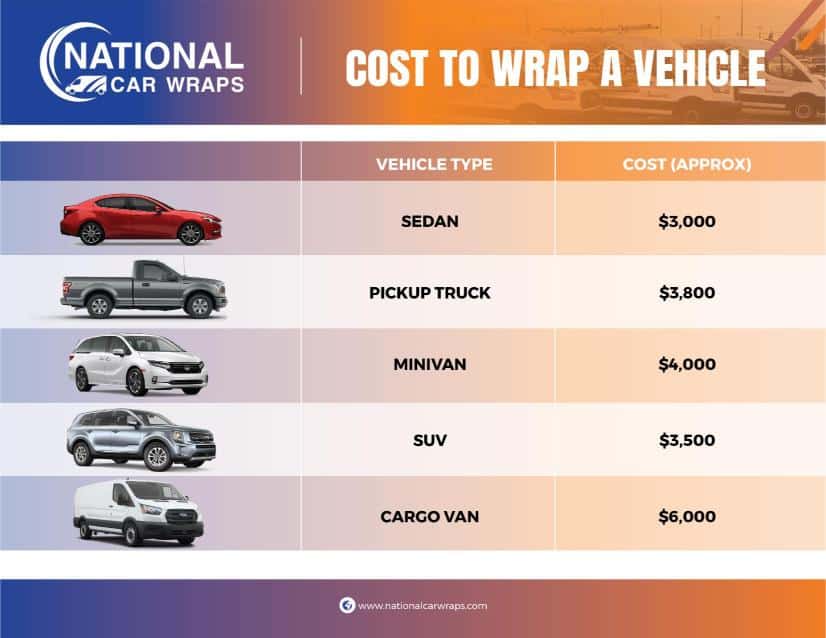
Credit: nationalcarwraps.com
Common Mistakes To Avoid
Applying vinyl wrap to a truck can be tricky. Avoiding common mistakes saves time and money. Many people think they need less material than they actually do. Others skip important steps before wrapping. These errors cause frustration and poor results. Learning what to avoid helps you get a smooth, lasting wrap.
Underestimating Material Needs
Many buyers order too little vinyl wrap. Trucks have large surfaces and curves that use more material. Cutting errors and practice attempts consume extra wrap. Always add 10-20% more than your measurements. This extra wrap covers mistakes and tricky spots. Running out halfway can stop your project and cost more.
Ignoring Surface Preparation
Clean the truck surface thoroughly before wrapping. Dirt, grease, and dust stop vinyl from sticking well. Small bumps or rough spots cause bubbles and wrinkles. Use soap and water, then dry fully. Some people skip sanding or removing old decals. Skipping preparation leads to peeling and short wrap life. A smooth, clean surface ensures strong adhesion.
Tips For Efficient Wrapping
Wrapping a truck with vinyl needs careful work to get good results. Efficient wrapping saves time and reduces mistakes. This section offers tips to wrap your truck better and faster.
Following these tips helps you use the right amount of vinyl. It also makes the process smoother and less stressful.
Planning The Wrap Layout
Start by measuring your truck carefully. Write down all dimensions, including the sides, hood, and tailgate. Plan how to cut the vinyl to cover each part. Think about the edges and curves. Mark areas that need extra vinyl. Planning avoids running out of material or wasting it.
Work on a flat surface to spread the vinyl. Check the direction of the vinyl grain. Align it with the truck’s shape for a neat look. Good layout reduces air bubbles and wrinkles later.
Working With A Partner
Wrapping a truck alone is tough. A partner helps hold and stretch the vinyl. They keep the vinyl steady while you smooth it out. Two people can spot air bubbles faster. One can pull the vinyl, the other can apply pressure.
Clear communication is key. Use simple words to guide each other. This teamwork saves time and stops damage to the vinyl. It makes the wrap look professional and clean.
Frequently Asked Questions
How Do I Measure My Truck For Vinyl Wrap?
Measure your truck’s length, width, and height accurately. Include mirrors and bumpers for full coverage. Add 10-15% extra vinyl to cover errors and overlaps.
How Much Vinyl Wrap Covers A Full-size Truck?
A full-size truck usually needs 50 to 75 square feet of vinyl wrap. This depends on the truck’s shape and if you wrap the roof or bed.
Can I Wrap My Truck Myself Or Hire A Professional?
You can wrap your truck yourself if experienced. However, hiring a professional ensures a smooth, bubble-free finish and saves time and effort.
What Factors Affect The Amount Of Vinyl Wrap Needed?
Truck size, design complexity, and coverage area affect vinyl quantity. Full wraps require more vinyl than partial or accent wraps.
Conclusion
Calculating vinyl wrap for your truck is simple with the right steps. Measure the truck carefully to avoid buying too much or too little. Remember to add extra wrap for curves and mistakes. Choose quality vinyl for a smooth, long-lasting finish.
Taking time to plan helps save money and effort. Now, you can wrap your truck confidently and enjoy its fresh look. Ready to start your project?