
Have you ever wondered what keeps your car’s engine running smoothly every time you turn the key? One small part plays a huge role in protecting your engine and ensuring your ride stays trouble-free: the fuel filter.
But how does a fuel filter work in your car, and why should you care about it? Understanding this simple yet vital component can save you from costly repairs and keep your vehicle performing at its best. Keep reading to discover exactly what a fuel filter does, why it matters to you, and how it helps your car run cleaner and stronger.
Fuel Filter Basics
A fuel filter is a small but important part of a car’s fuel system. It helps keep the engine clean and running smoothly. The filter stops dirt, rust, and other particles from reaching the engine. Clean fuel means better performance and longer engine life.
Fuel filters work quietly but play a big role. They protect the engine from damage caused by dirty fuel. Understanding the basics of fuel filters can help car owners take better care of their vehicles.
Role In Fuel System
The fuel filter cleans the fuel before it reaches the engine. It removes dust, dirt, and rust particles from the fuel. These particles can clog fuel injectors or damage engine parts. By filtering fuel, it helps the engine run efficiently. It also prevents costly repairs caused by dirty fuel. The filter sits between the fuel tank and the engine. Fuel passes through it every time the car runs. A clean filter means clean fuel and smooth engine performance.
Types Of Fuel Filters
There are several types of fuel filters used in cars. The most common are paper, mesh, and charcoal filters. Paper filters trap small particles and are widely used. Mesh filters use a metal screen to catch bigger debris. Charcoal filters help remove odors and impurities from fuel. Some cars have in-line filters placed in the fuel line. Others have filters inside the fuel tank. Each type works to protect the engine from harmful particles. Choosing the right filter depends on the car model and fuel system design.

Credit: www.fuelfixer.co.uk
Fuel Filtration Process
The fuel filtration process is a key part of keeping your car’s engine healthy. It cleans the fuel before it reaches the engine. Clean fuel helps the engine run smoothly and last longer. Without proper filtration, dirt and debris can harm engine parts and reduce performance.
Fuel passes through the filter, where impurities get trapped. This process protects the engine from damage and ensures better fuel efficiency. Understanding how this works helps you appreciate the role of a fuel filter.
Contaminant Removal
The fuel filter removes dirt, rust, and other particles from fuel. These contaminants come from the fuel tank or fuel itself. The filter’s material catches these tiny particles. This stops them from entering the engine and causing damage. Clean fuel means fewer breakdowns and better engine health.
Flow Of Fuel Through Filter
Fuel enters the filter under pressure from the fuel pump. It flows through a special filtering material. This material traps dirt while letting clean fuel pass. The clean fuel then moves on to the engine. The filter works continuously as you drive, keeping the fuel clean all the time.
Signs Of A Clogged Fuel Filter
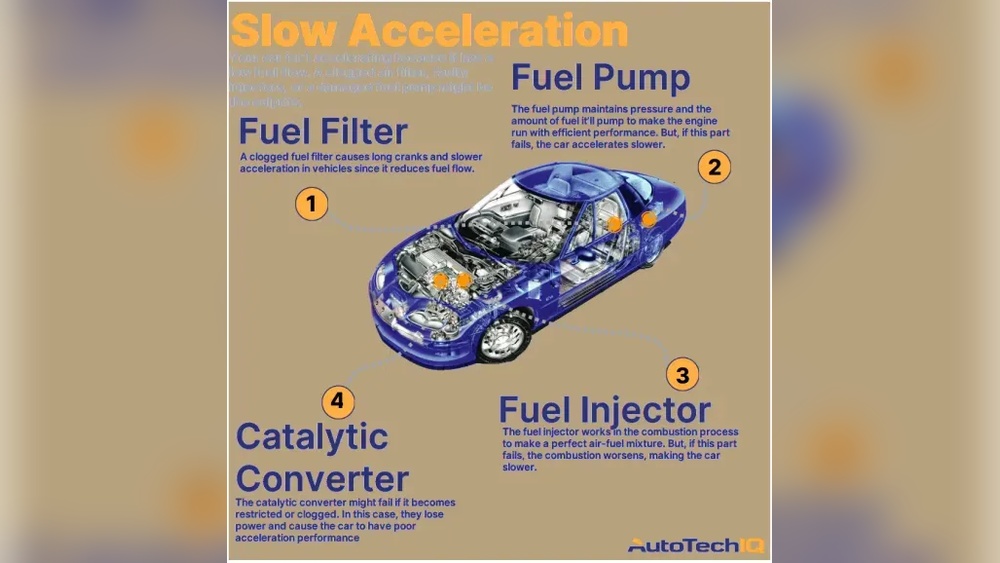
A fuel filter keeps dirt and debris out of the engine. Over time, it can get clogged. A clogged fuel filter blocks fuel flow. This causes problems with how the car runs. Knowing the signs helps you fix issues early. It can save you from costly repairs.
Watch for changes in engine performance and fuel use. These are common signs of a clogged fuel filter. Acting fast keeps your car running smoothly.
Engine Performance Issues
The engine may run rough or stall often. It can be hard to start the car. You might hear sputtering or coughing sounds. The engine might lose power, especially going uphill. These happen because fuel is not flowing well. The clogged filter stops enough fuel from reaching the engine.
Fuel Efficiency Impact
Your car may use more fuel than usual. A clogged filter makes the engine work harder. This wastes fuel and lowers miles per gallon. You will notice filling the tank more often. Poor fuel efficiency costs more money over time. Keeping the fuel filter clean helps save fuel.
Credit: afdc.energy.gov
Fuel Filter Maintenance
Fuel filter maintenance keeps your car running smoothly. A clean filter stops dirt and rust from clogging the fuel system. This helps the engine perform well and saves fuel. Regular care prevents engine damage and costly repairs.
Replacement Intervals
Most car makers suggest changing the fuel filter every 20,000 to 40,000 miles. This depends on your car model and driving conditions. Dusty roads or rough fuel can shorten filter life. Check the owner’s manual for exact guidance. Ignoring replacement can cause poor engine power and stalling.
Diy Vs Professional Service
Changing a fuel filter yourself saves money but needs caution. The fuel system is under pressure and fuel is flammable. Use proper tools and follow safety steps. If unsure, ask a mechanic to do the job. Professionals have experience and the right equipment. They ensure the filter fits well and no leaks occur.
Consequences Of Neglect
Neglecting the fuel filter can cause serious problems for your car. Dirt and debris build up inside the filter over time. This blocks the flow of fuel to the engine. Small particles can pass through and harm engine parts. The result is poor engine performance and breakdowns. Regular maintenance helps avoid these issues.
Engine Damage Risks
A clogged fuel filter restricts fuel flow to the engine. The engine may run lean, causing it to overheat. Tiny dirt particles can enter the engine, causing wear and tear. This damages fuel injectors and cylinders. Over time, this leads to engine misfires and loss of power. Repairing engine damage is difficult and time-consuming.
Costly Repairs
Ignoring the fuel filter often results in expensive repairs. Damaged fuel injectors need replacement. Engine parts affected by dirt require costly fixing. Your car may stall or fail to start. Repair bills rise quickly without filter maintenance. Changing the fuel filter regularly saves money in the long run.
Credit: afdc.energy.gov
Choosing The Right Fuel Filter
Choosing the right fuel filter is key to keeping your car running smoothly. A proper fuel filter stops dirt and rust from reaching the engine. This protects the engine and helps it last longer. Picking the correct filter needs some care and thought.
Compatibility With Vehicle
Each car needs a specific fuel filter type. Filters vary by size, shape, and fitting style. Using the wrong filter can cause leaks or poor engine performance. Check your car’s manual to find the right model. Also, note the fuel system type—diesel and gasoline cars use different filters.
Quality And Brand Considerations
Good quality filters catch more dirt and last longer. Cheap filters may clog quickly or break down. Trusted brands often test their filters for safety and efficiency. Look for filters with good reviews and warranties. Quality parts save money by preventing engine damage.
Frequently Asked Questions
What Is The Primary Function Of A Fuel Filter In Cars?
A fuel filter cleans dirt and debris from fuel before it reaches the engine. This prevents clogging and damage to engine parts, ensuring smooth performance and better fuel efficiency.
How Often Should A Car’s Fuel Filter Be Replaced?
Typically, replace the fuel filter every 20,000 to 40,000 miles. However, check your vehicle’s manual for specific intervals, as conditions and models vary.
Can A Clogged Fuel Filter Cause Engine Problems?
Yes, a clogged fuel filter restricts fuel flow, leading to poor engine performance, stalling, or difficulty starting the car. Timely replacement prevents these issues.
Where Is The Fuel Filter Located In A Car?
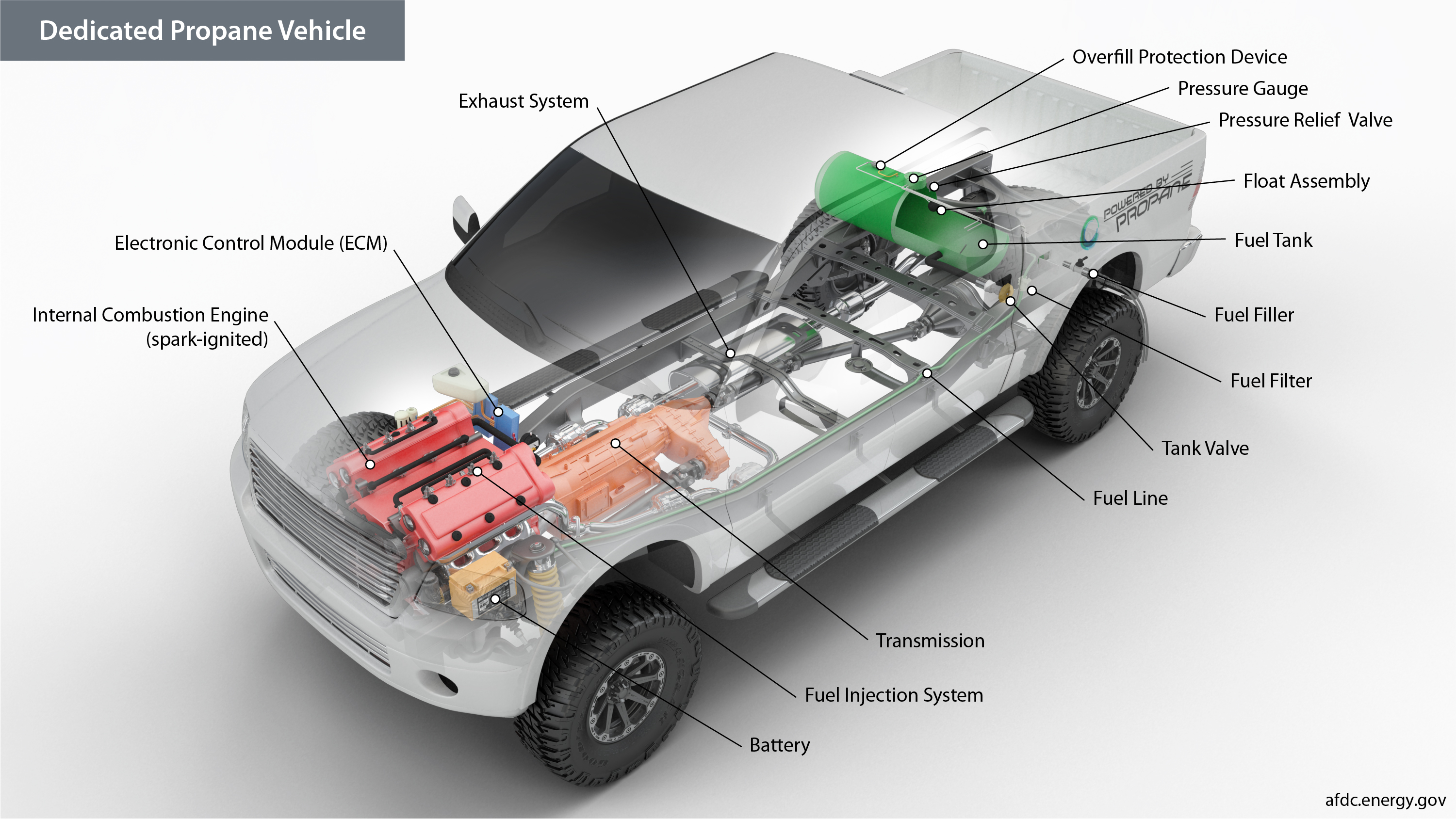
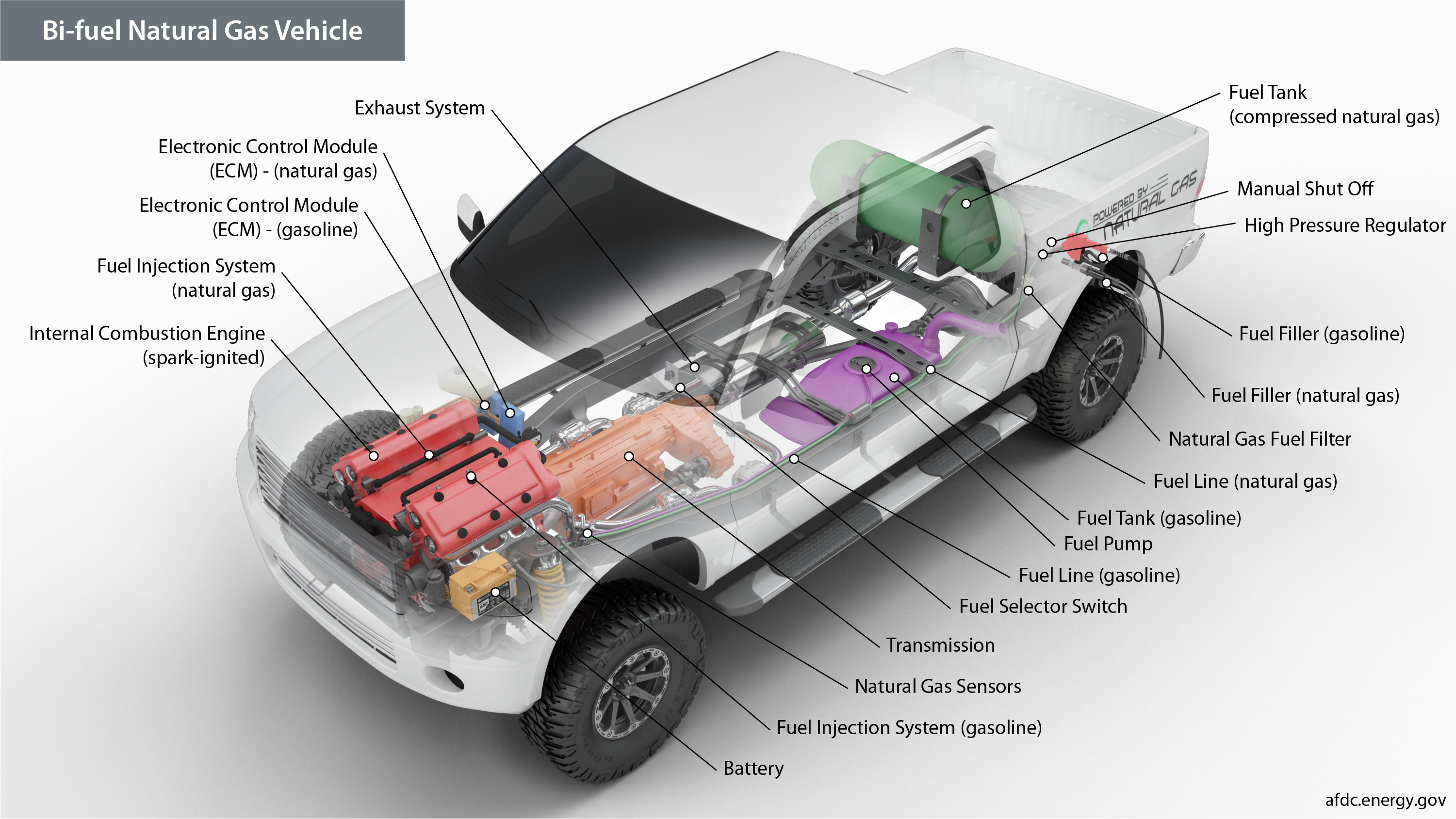
Fuel filters are usually located along the fuel line, either near the fuel tank or engine bay. Location depends on the car’s make and model.
Conclusion
A fuel filter keeps your car’s engine clean and running well. It catches dirt and rust before fuel reaches the engine. This helps avoid engine problems and saves money on repairs. Changing the fuel filter regularly keeps your car healthy and efficient.
Small parts like this play a big role in car care. Remember, a clean fuel filter means smoother rides and better fuel use. Keep it checked and replaced on time to avoid trouble. Simple steps like this make a big difference in car performance.


