

Have you ever felt your car’s brakes pulling or heard a strange grinding noise when you stop? These could be signs that your brake rotors need attention.
But how often should you replace your brake rotors to keep your vehicle safe and performing well? Knowing the right time to change them can save you money, prevent accidents, and give you peace of mind every time you drive.
Keep reading to discover the simple signs to watch for and the expert tips on when to replace your brake rotors before it’s too late.

Credit: www.hawkperformance.com
Signs Of Worn Brake Rotors
Worn brake rotors show clear signs. They affect your car’s stopping power and safety. Recognizing these signs helps you know when to replace rotors. Pay attention to noises, vibrations, and visible damage. These clues tell you if the rotors need attention.
Squeaking And Grinding Noises
Squeaking sounds come from worn rotors or brake pads. They occur when metal parts rub together. Grinding noises mean rotors are severely damaged. These sounds warn you to check brakes immediately.
Vibration While Braking
Feel vibrations through the brake pedal or steering wheel. Warped or uneven rotors cause this shaking. It makes braking less smooth and can be dangerous. Vibrations mean rotors need inspection or replacement.
Visible Rotor Damage
Look at the rotors through the wheel spokes. Deep grooves, cracks, or rust spots show damage. These marks reduce braking efficiency. Visible damage means the rotors should be replaced soon.
Factors Affecting Rotor Lifespan
Brake rotors do not last forever. Their lifespan depends on many factors. Knowing these helps you maintain your vehicle better. It also prevents unexpected repairs and keeps you safe.
Driving Habits And Conditions
Hard braking wears rotors faster. Frequent stop-and-go traffic adds extra strain. Driving on hilly or mountainous roads causes more heat. Heat can cause rotors to warp or crack. Smooth, gentle braking extends rotor life. Avoiding heavy loads reduces rotor stress.
Quality Of Brake Components
High-quality rotors last longer and resist damage. Cheap rotors wear quickly and may warp. Brake pads also affect rotor life. Good pads reduce wear and tear. Low-quality pads can cause uneven rotor wear.
Vehicle Type And Usage
Heavy vehicles put more pressure on rotors. Trucks and SUVs often need rotor replacement sooner. Light cars usually have longer rotor life. Frequent towing or carrying heavy loads shortens rotor lifespan. Daily city driving affects rotors differently than highway driving.
Recommended Replacement Intervals
Knowing when to replace brake rotors keeps your car safe and running well. Brake rotors wear down over time. Following the right replacement intervals helps avoid brake problems and costly repairs. Several factors affect how often you should replace them. Understanding these can save you time and money.
Manufacturer Guidelines
Car makers give specific advice on rotor replacement. Check your vehicle’s manual for their recommendations. These guidelines consider your car model and brake system. Following them ensures you replace rotors at the right time. Avoid guessing or waiting for damage to show.
Mileage-based Estimates
Many experts suggest changing rotors every 30,000 to 70,000 miles. The exact number depends on driving style and conditions. Frequent braking or heavy loads can wear rotors faster. Use mileage as a general rule, not a strict limit. Regular checks are still necessary.
Inspection Frequency
Inspect your brake rotors regularly for signs of wear. Look for grooves, cracks, or thickness loss. Check every 10,000 to 15,000 miles or during tire changes. Early detection prevents brake failure and costly damage. Trust your eyes and ears for unusual brake noises or vibrations.
Rotor Maintenance Tips
Proper care of brake rotors helps keep your vehicle safe and smooth. Simple maintenance steps extend rotor life and improve braking. Understanding key tips will guide you in keeping rotors in good shape.
Regular Inspections
Check rotors often for signs of wear or damage. Look for cracks, grooves, or rust on the rotor surface. Uneven wear can cause vibrations while braking. Early detection prevents costly repairs and unsafe driving conditions. Use a flashlight and mirror for a clear view behind wheels.
Proper Brake Pad Replacement
Replace brake pads before they wear down completely. Worn pads can damage rotors and reduce braking power. Always install pads that fit your vehicle specifications. Use quality pads to protect the rotor surface. Avoid replacing pads alone if rotors show deep grooves or warping.
Avoiding Overheating
Excess heat can warp or crack brake rotors. Avoid riding the brakes on long downhill drives. Use engine braking to slow the vehicle when possible. Give brakes time to cool after heavy use. Overheating reduces rotor strength and braking efficiency.
Consequences Of Delayed Rotor Replacement
Delaying the replacement of brake rotors can cause serious problems. Rotors wear down over time and lose their effectiveness. Ignoring this wear affects how well your brakes work and can lead to bigger issues. Understanding the consequences of delayed rotor replacement helps you stay safe and avoid extra costs.
Reduced Braking Efficiency
Worn rotors reduce the surface area for brake pads to grip. This lowers the braking power and increases stopping distances. You might feel vibrations or hear noises during braking. Less efficient brakes mean less control over your vehicle. This can be dangerous, especially in emergencies.
Increased Repair Costs
Delaying rotor replacement leads to damage to other brake parts. Brake pads wear out faster on bad rotors. This causes you to replace both parts sooner. Severe rotor damage may need full replacement, which costs more. Early rotor replacement saves money in the long run.
Safety Risks On The Road
Bad rotors increase the risk of brake failure. Poor braking can cause accidents and injuries. Wet or slippery roads make the risk higher. Safe driving depends on a well-maintained brake system. Replace rotors on time to keep yourself and others safe.
Choosing Quality Brake Rotors
Choosing quality brake rotors is key to safe driving and long-lasting brakes. Poor rotors wear out fast and can cause noise or poor stopping. Good rotors improve brake performance and protect your car’s braking system. Understanding what makes a rotor quality helps you pick the right one.
Focus on the material, brand reputation, and balance between cost and performance. These points guide you to a smart purchase that fits your needs and budget.
Material Types
Brake rotors come in different materials. Cast iron is common and affordable. It handles heat well but can rust. Carbon composite rotors are light and resist heat better. They cost more and suit high-performance cars. Steel rotors offer strength but may not absorb heat as well. Choose a material that matches your driving style and conditions.
Brand Reputation
Trusted brands often deliver reliable, tested rotors. They follow strict quality controls. New or unknown brands might save money but risk poor quality. Read reviews and check warranties. Well-known brands usually offer better customer support and parts availability. This can save trouble later.
Cost Vs. Performance
High price does not always mean best quality. Some mid-range rotors offer excellent performance and durability. Consider how often you drive and your braking needs. Spending a bit more can extend rotor life and improve safety. Avoid the cheapest rotors as they may wear quickly and cause damage.
Diy Vs Professional Replacement
Deciding between DIY and professional brake rotor replacement depends on several factors. Many car owners want to save money by doing it themselves. Others prefer the safety and certainty of a mechanic’s work. Understanding the differences helps you choose the best option.
Tools And Skills Needed
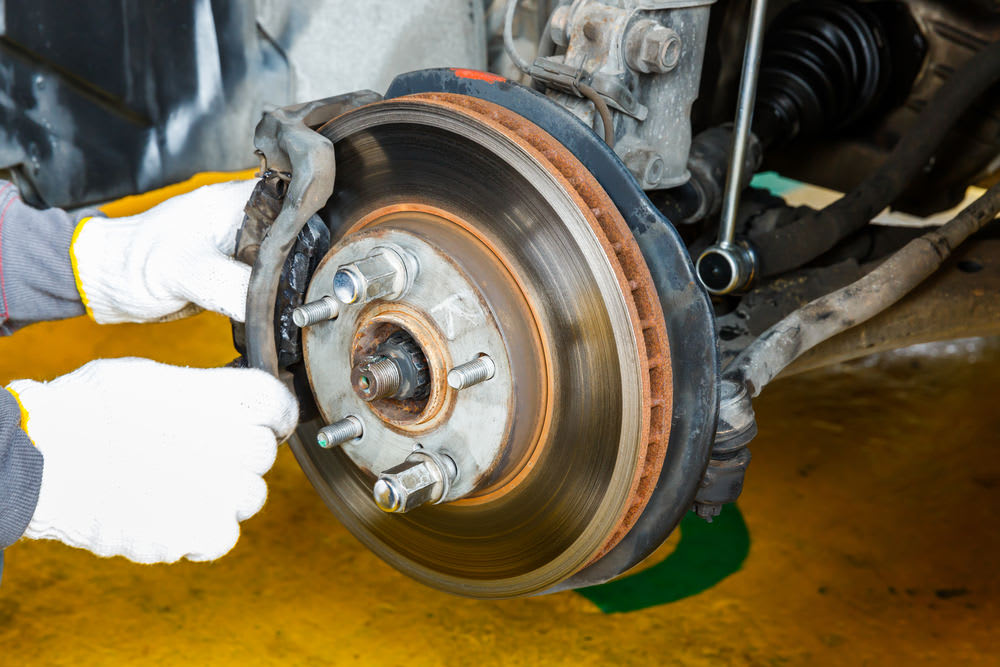
Replacing brake rotors requires specific tools like a jack, lug wrench, and socket set. You also need a C-clamp or brake caliper tool to compress the brake pads. Basic mechanical skills help to remove the wheel and brake components safely. Following step-by-step instructions is essential to avoid mistakes. Without these skills, the job can be risky and cause damage.
When To Seek A Mechanic
Choose a professional if you notice unusual noises or vibrations while braking. If the rotor is deeply worn or damaged, a mechanic can inspect it thoroughly. Complex brake systems need expert knowledge. Also, if you lack time or confidence, a mechanic ensures safe and proper installation. This protects your vehicle and your safety on the road.
Cost Comparison
DIY replacement saves labor costs, usually $100 to $200 per axle. Tools can cost $50 to $100 if you do not have them. Professional replacement includes labor and parts, typically $250 to $400 per axle. The higher cost covers warranty and quality assurance. Weigh the cost against your skills and safety needs before deciding.
Credit: www.reddit.com
Credit: www.yourmechanic.com
Frequently Asked Questions
How Often Should Brake Rotors Be Replaced?
Brake rotors typically need replacement every 30,000 to 70,000 miles. This varies by driving habits and rotor quality. Inspect rotors during brake pad changes for wear or damage to ensure safety and optimal performance.
What Are Signs Of Worn Brake Rotors?
Common signs include vibrations, squealing, or grinding noises when braking. You may notice reduced braking efficiency or visible grooves on the rotor surface. Prompt inspection and replacement prevent further damage and maintain brake safety.
Can I Replace Brake Rotors Myself?
Yes, with proper tools and mechanical knowledge, you can replace brake rotors. However, if unsure, consult a professional to ensure correct installation and maintain vehicle safety. Improper replacement may lead to brake failure.
Do Brake Rotors Wear Out Faster With Aggressive Driving?
Yes, aggressive driving causes heat and stress on rotors, accelerating wear. Frequent hard braking and high speeds reduce rotor lifespan. Regular inspection helps detect damage early and ensures timely replacement.
Conclusion
Brake rotors wear down with time and use. Check them regularly to stay safe on the road. Signs like vibrations or noise mean it’s time to replace. Don’t wait for serious damage or costly repairs. Proper maintenance keeps your brakes working well.
A smooth and safe drive depends on good rotors. Take care of your car, and it will take care of you. Simple checks save money and stress later. Stay alert and replace brake rotors as needed. Safety first, always.

