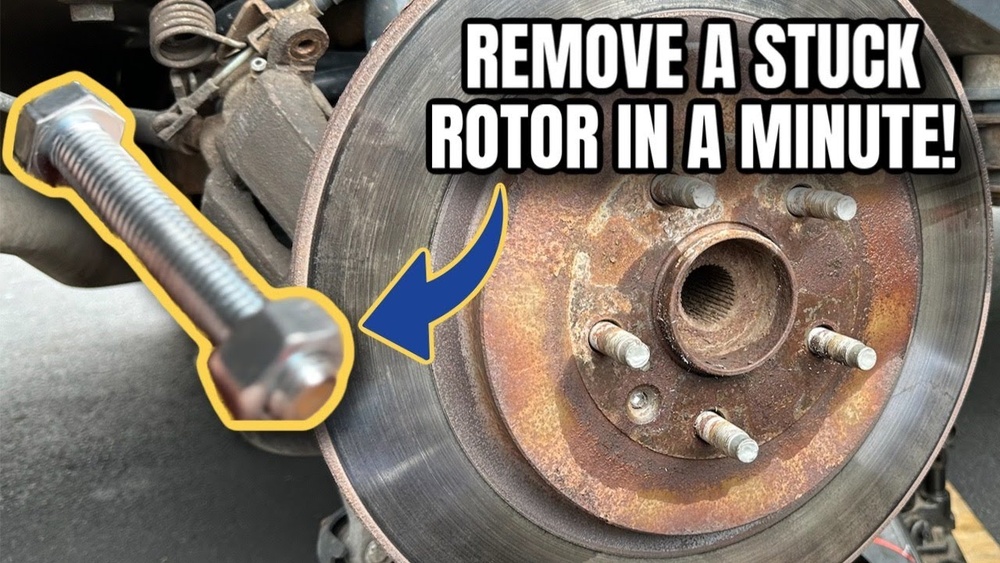
Have you ever wondered what happens when you press your car’s brake pedal? Understanding how brake rotors work can give you a clearer picture of your vehicle’s safety system.
Your brake rotors play a vital role in stopping your car smoothly and quickly. If you want to keep your rides safe and avoid costly repairs, knowing how these parts function is key. You’ll discover the simple science behind brake rotors and why they matter every time you hit the brakes.
Keep reading to learn how to protect your car and yourself on the road.
Brake Rotor Basics
Brake rotors are a key part of a car’s braking system. They help slow down or stop the vehicle safely. When you press the brake pedal, brake pads press against the rotors. This creates friction, which slows the wheels. Understanding brake rotors helps you keep your car safe.
Rotors come in different materials, types, and designs. Each has a role in how well your brakes work. Learning about these basics can help you choose the right parts and maintain your vehicle better.
Rotor Materials
Most brake rotors are made from cast iron. It is strong and handles heat well. Some rotors use steel or composites for better performance. Lightweight materials help reduce the car’s weight. This can improve fuel efficiency and handling. High-performance cars may use carbon or ceramic rotors. These materials resist heat and wear longer but cost more.
Rotor Types
There are two main types of rotors: solid and vented. Solid rotors are a single piece of metal. They work well for everyday driving. Vented rotors have air channels inside. These channels cool the rotor faster. Cooler rotors reduce brake fade during heavy use. Some rotors are drilled or slotted. These designs help remove gas and dust. They improve braking in wet or extreme conditions.
Rotor Design Features
Rotor design affects how brakes perform and last. Thickness and diameter matter for heat control. Larger rotors usually stop better but add weight. Surface finish also plays a role. Smooth surfaces reduce pad wear and noise. Some rotors have special coatings to prevent rust. Balanced rotors reduce vibrations for a smoother ride. These features combine to give safe, reliable braking.
Role In Braking System
Brake rotors play a key role in a vehicle’s braking system. They work with other parts to slow down or stop the car safely. Understanding their role helps you see why they need to be in good shape. Rotors convert the force from the brake pads into motion control. This process ensures the car stops smoothly and quickly. Their function is crucial for safe driving every day.
Interaction With Brake Pads
Brake rotors work closely with brake pads. When you press the brake pedal, the pads squeeze the rotors. This contact creates friction. The friction slows down the wheel’s rotation. The rotor’s smooth surface allows the pads to grip effectively. Both parts must be clean and undamaged to work well. Worn pads or rotors reduce braking power and safety.
Heat Generation And Dissipation
Friction between pads and rotors creates heat. This heat can become very high during braking. Rotors are designed to absorb and release this heat quickly. Good heat dissipation prevents the brakes from overheating. Overheated brakes can fail or become less effective. Many rotors have vents or slots to help cool them fast. Proper cooling keeps braking reliable and safe.
Stopping Power Mechanics
Brake rotors convert friction into stopping force. The pads press against the rotors, slowing the wheels down. The harder the pads push, the stronger the stop. Rotors need enough surface area to handle this force safely. Larger rotors often provide better stopping power. The design and material of the rotor affect how well it stops. Strong, well-maintained rotors ensure quick and safe stops.
Common Rotor Issues
Brake rotors are essential for vehicle safety and performance. Over time, rotors face several common issues that can reduce braking efficiency. Understanding these problems helps in keeping your car safe and running smoothly.
Warping Causes
Warping happens when rotors get too hot. Hard braking or riding the brakes often causes this heat. Uneven cooling after braking also leads to warping. Warped rotors make the brake pedal feel shaky or pulsing. This affects how well your car stops.
Cracking And Wear
Rotors crack from extreme heat or stress. Deep cracks weaken the rotor’s strength. Normal wear happens as rotors thin down over time. Thin rotors cannot handle heat well and may fail. Regular checks help spot cracking and wear early.
Signs Of Rotor Damage
Noises like squealing or grinding may indicate rotor damage. Vibrations during braking also signal problems. Visible grooves or scoring on rotors show wear. Longer stopping distances can mean rotor issues. Timely repairs prevent bigger brake system damage.
Credit: science.howstuffworks.com
Maintenance And Replacement
Brake rotors need regular care to keep your vehicle safe. Proper maintenance helps avoid costly repairs. It also ensures smooth braking and better control on the road. Understanding how to inspect, resurface, or replace rotors can save time and money.
Inspection Tips
Check rotors every 10,000 miles or during brake pad changes. Look for grooves, cracks, or rust on the rotor surface. Feel for vibration or noise when braking; these can signal rotor problems. Measure rotor thickness with a micrometer to spot wear. Thin rotors reduce braking power and need attention.
Rotor Resurfacing
Resurfacing smooths out small grooves and uneven spots on rotors. This process restores a flat surface for better brake pad contact. Shops use a lathe machine to carefully remove a thin layer of metal. Resurfacing extends rotor life but only if thickness remains safe. Avoid resurfacing very thin or cracked rotors.
When To Replace Rotors
Replace rotors if they are cracked, warped, or too thin. Deep grooves or heavy rust also mean replacement is necessary. Rotor replacement improves braking safety and performance. Always replace rotors in pairs for balanced braking. Use quality parts to ensure long-lasting results.
Performance Enhancements
Brake rotors are key parts of a car’s braking system. Their design affects how well your vehicle stops. Performance enhancements improve braking power, heat control, and durability. These upgrades help your car stop faster and safer. Understanding different types of rotors can help you choose the best option.
Slotted And Drilled Rotors
Slotted rotors have grooves that help remove dust and gas. This keeps the brake pad surface clean. Drilled rotors have holes to help cool the brakes faster. Both types reduce brake fade during hard stops. They work well in wet conditions by letting water escape.
Lightweight Materials
Using lightweight materials in rotors lowers the car’s unsprung weight. This improves handling and acceleration. Common materials include aluminum and carbon composites. These materials also help the rotors cool faster. Faster cooling means better braking during repeated stops.
Upgrading For Better Braking
Upgrading rotors boosts overall brake performance. It can increase the rotor’s resistance to heat and wear. High-performance rotors often come with better balance and durability. They provide smoother braking and reduce brake noise. Choose upgrades based on your driving needs and conditions.
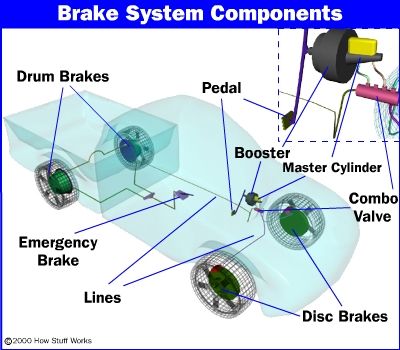
Credit: auto.howstuffworks.com
Installation And Compatibility
Installing brake rotors correctly is key for safe driving and smooth braking. Each vehicle needs rotors that fit perfectly. Understanding compatibility helps avoid costly mistakes and ensures the brakes work well.
Matching Rotors To Vehicles
Rotors come in different sizes and designs. Each car model has specific rotor requirements. Check the vehicle’s manual or parts guide to find the right rotor. Using the wrong rotor can cause poor braking and damage.
Consider rotor diameter, thickness, and bolt pattern. These details must match the vehicle’s specs exactly. Also, note if the rotor is vented, solid, or drilled for your car type.
Installation Steps
Start by lifting the vehicle and removing the wheel. Take off the brake caliper carefully. Remove the old rotor by sliding it off the hub. Clean the hub surface before placing the new rotor.
Put the new rotor in place and secure it if needed. Reinstall the caliper and check the brake pads. Tighten all bolts to the manufacturer’s torque specs. Finally, put the wheel back on and lower the vehicle.
Rotor And Brake Pad Pairing
Brake rotors and pads must work together well. Choose pads that fit the rotor type. For example, use pads designed for vented rotors with vented rotors only. Mismatched pairs reduce braking power and wear out faster.
Check the pad material too. Some pads suit smooth rotors better, while others fit drilled or slotted rotors. Proper pairing ensures better stopping and longer brake life.

Credit: science.howstuffworks.com
Frequently Asked Questions
What Is The Primary Function Of Brake Rotors?
Brake rotors provide a surface for brake pads to clamp, creating friction. This friction slows and stops the vehicle efficiently and safely.
How Do Brake Rotors Affect Braking Performance?
Brake rotors dissipate heat generated during braking. Good rotors prevent brake fade and ensure consistent stopping power under various conditions.
When Should Brake Rotors Be Replaced?
Brake rotors should be replaced if they are warped, cracked, or below minimum thickness. Regular inspection helps maintain optimal braking safety.
What Materials Are Commonly Used For Brake Rotors?
Brake rotors are usually made from cast iron or composite materials. These materials balance durability, heat resistance, and cost-effectiveness.
Conclusion
Brake rotors play a key role in car safety and performance. They help slow down the vehicle by creating friction with brake pads. Keeping them in good shape ensures smooth stopping and prevents accidents. Regular checks can spot wear or damage early.
Understanding how brake rotors work helps you care for your car better. Simple maintenance goes a long way in avoiding costly repairs. Remember, well-maintained brakes give you peace of mind on the road.