

Your car’s brakes are one of the most important safety features you have. But how do you know when it’s time to replace your brake rotors?
Ignoring worn-out rotors can lead to costly repairs and dangerous driving conditions. You’ll learn the simple signs that tell you it’s time for new brake rotors. By understanding these key indicators, you can keep your car running smoothly and stay safe on the road.
Keep reading—your brakes might be trying to tell you something right now.
Signs Of Worn Brake Rotors
Worn brake rotors can affect your car’s safety and performance. Knowing the signs helps you act fast. Detecting worn rotors early can save money and prevent accidents. Here are clear signs to watch for.
Unusual Noises While Braking
Squealing or grinding sounds mean brake rotors may be damaged. These noises happen when rotors wear unevenly or get rough. Strange sounds should never be ignored. They signal a need for inspection.
Vibration Or Pulsation In Brake Pedal
Feeling a shake or pulse while braking points to warped rotors. This happens if rotors heat unevenly or bend. The brake pedal may feel like it’s vibrating. This sign shows rotors need attention.
Visible Grooves Or Scoring
Look at the rotors closely for deep grooves or rough patches. These marks mean the rotors are worn down. Grooves reduce braking power and cause damage to brake pads. Clear signs to replace the rotors.
Brake Warning Light Activation
A brake warning light on your dashboard can mean rotor issues. The car’s system detects problems with brake components. Don’t ignore this light. It often points to rotor wear or brake system faults.
Performance Issues Indicating Rotor Wear
Performance issues often signal that brake rotors need replacement. These problems affect your car’s safety and control. Recognizing the signs early can prevent accidents and costly repairs.
Rotors wear down over time from heat and friction. This wear reduces braking power and causes other issues. Pay attention to how your brakes feel and perform during driving.
Reduced Braking Efficiency
Your brakes may feel weak or less responsive. Pressing the brake pedal might not slow the car as quickly. This happens because worn rotors cannot create enough friction with brake pads. Reduced braking efficiency means longer reaction times on the road.
Longer Stopping Distances
It takes more space to stop your vehicle. You might notice needing extra room at traffic lights or stop signs. This is dangerous in emergencies. Worn rotors decrease the braking force, causing longer stopping distances. Always test your brakes in a safe area to check stopping power.
Brake Fade During Heavy Use
Brake fade feels like a loss of braking power after repeated use. Driving downhill or in stop-and-go traffic can cause this. Heat builds up and wears down the rotors faster. When rotors are worn, they cannot cool properly, increasing fade risk. Brake fade signals that rotors may need replacement soon.
Visual Inspection Tips
Performing a visual inspection of your brake rotors helps catch problems early. It saves money and prevents unsafe driving. A careful look reveals signs of wear and damage. This guide shows simple ways to check your rotors at home.
Checking Rotor Thickness
Brake rotors wear down over time. Measure the thickness using a micrometer or caliper. Compare the result with the manufacturer’s minimum thickness. Thin rotors can cause poor braking and heat damage. Replace rotors that are too thin for safe use.
Identifying Rust And Corrosion
Rust usually forms on rotors when the car sits unused. Light surface rust can clear off after driving. Deep rust weakens the rotor and affects braking. Check for pitted or flaking areas. Severe rust means it’s time for new rotors.
Spotting Warped Or Cracked Rotors
Warped rotors cause vibration during braking. Look for uneven surfaces or wavy edges. Small cracks often appear near the rotor’s center or edges. Cracks grow over time and reduce rotor strength. Replace rotors with visible cracks or warping to maintain safety.
Credit: www.reddit.com
When To Replace Vs. Resurface
Knowing when to replace or resurface brake rotors helps keep your car safe and working well. Rotors wear down over time. You must check their condition to decide the best action. Some rotors can be resurfaced to fix minor damage. Others need full replacement for safety and performance.
Rotor Thickness Limits
Each rotor has a minimum thickness limit. This limit is set by the manufacturer. If the rotor is thinner than this, do not resurface it. Thinner rotors lose strength and may crack. Use a micrometer to measure the rotor’s thickness. Replace the rotor if it is below the limit.
Cost Considerations
Resurfacing rotors often costs less than buying new ones. It can be a quick fix for light wear and minor grooves. But deep damage or very thin rotors need replacement. New rotors provide longer life and better braking. Compare prices before deciding to resurface or replace.
Safety Implications
Brake safety is the top priority. Worn or damaged rotors reduce braking power. Resurfaced rotors may still have weak spots. New rotors give consistent performance and prevent brake failure. Always choose the option that ensures safe, reliable braking on the road.
Preventive Maintenance For Rotors
Preventive maintenance for brake rotors keeps your car safe and extends rotor life. Rotors wear down over time and need care to avoid costly repairs. Simple actions help spot problems early and keep brakes working well.
Regular Brake Inspections
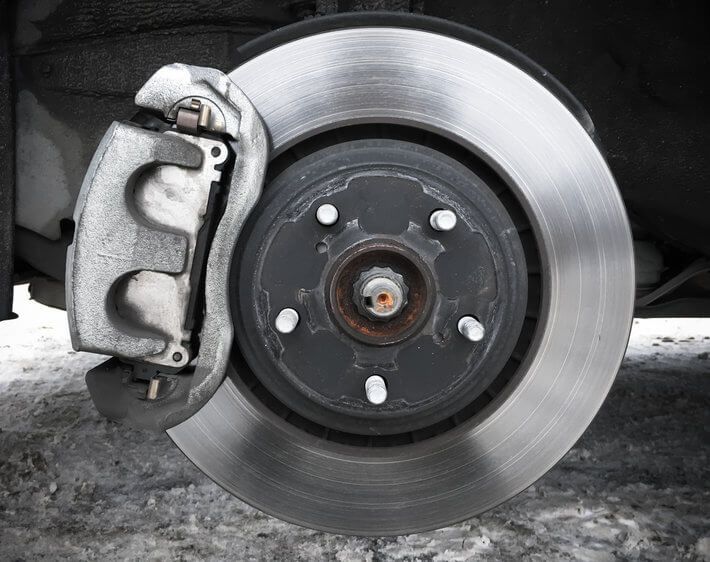
Check your brakes often to find rotor issues. Look for cracks, grooves, or uneven wear on the rotors. A mechanic can measure rotor thickness to see if replacement is needed. Regular inspections catch small problems before they grow.
Proper Driving Habits
Drive gently to protect your rotors. Avoid hard braking and sudden stops whenever possible. Slow down gradually instead of slamming brakes. Smooth driving reduces heat and stress on the rotors. This helps prevent warping and damage.
Timely Brake Pad Replacement
Replace brake pads before they wear out completely. Worn pads can damage rotors by causing metal-to-metal contact. New pads protect rotors and improve braking. Check pads regularly and change them as needed to save rotor life.
Credit: www.tiresplus.com

Credit: www.youtube.com
Frequently Asked Questions
How Do I Know If Brake Rotors Are Worn Out?
Worn brake rotors cause vibrations and squealing noises when braking. Visually, deep grooves or cracks on the rotor surface indicate wear. If your vehicle pulls to one side or braking feels less responsive, it’s time to inspect and possibly replace the rotors.
What Symptoms Indicate The Need For New Brake Rotors?
Common symptoms include brake pedal pulsation, unusual noises, and reduced braking performance. Warped rotors often cause a vibrating brake pedal. If you experience these signs, have a mechanic check your rotors to ensure safe driving conditions.
Can I Drive With Damaged Brake Rotors?
Driving with damaged rotors is unsafe and can worsen brake issues. It increases stopping distance and risk of brake failure. Replace or resurface rotors promptly to maintain vehicle safety and avoid costly repairs.
How Often Should Brake Rotors Be Replaced?
Brake rotors typically last 30,000 to 70,000 miles, depending on driving habits. Inspect rotors during regular brake maintenance. Replace them if they are below minimum thickness or show damage like warping or cracks.
Conclusion
Worn brake rotors affect your car’s safety and performance. Listen for unusual noises or vibrations when braking. Check for visible signs like grooves or cracks on the rotors. Feeling a pulsing pedal? That’s a clear warning. Regular inspections help catch problems early and save money.
Stay alert to these signs to keep your brakes working well. Don’t wait until damage gets worse or driving feels unsafe. Taking action now protects you and others on the road. Safe driving starts with good brake care.


