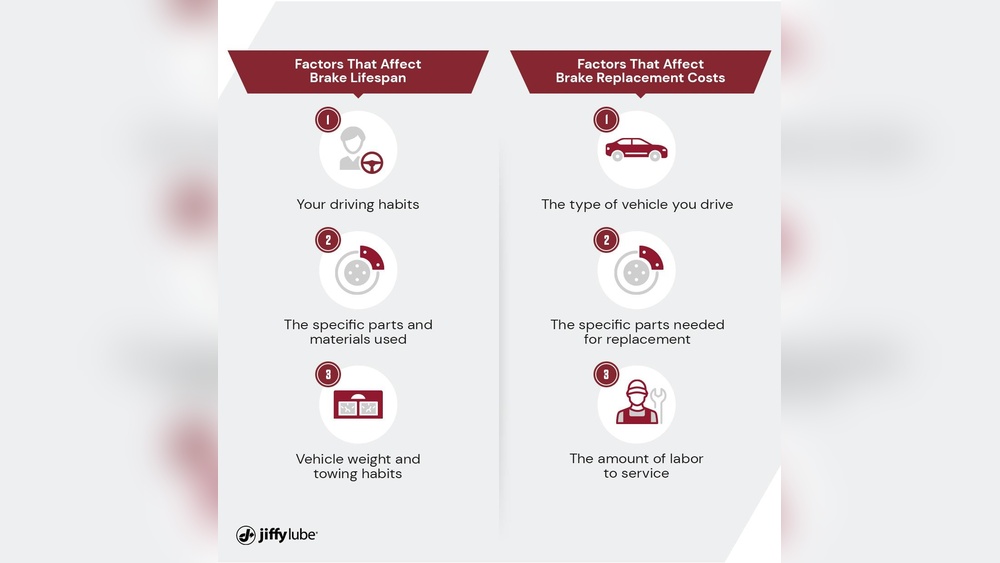
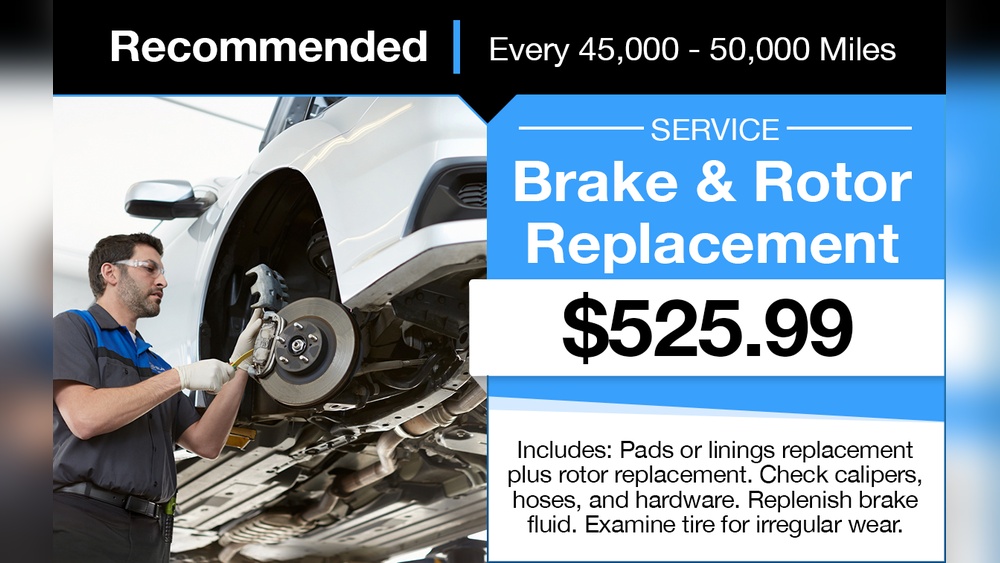
Are you tired of feeling that annoying vibration every time you brake? Warped brake rotors could be the culprit, and they can turn your daily drive into a frustrating experience.
But what if you could stop this problem before it starts? Understanding how to prevent your brake rotors from warping not only saves you money but also keeps your car running smoothly and safely. You’ll discover simple, effective steps you can take right now to protect your brake rotors and enjoy a smoother ride every time you hit the brakes.
Keep reading—you’ll thank yourself later.
Causes Of Rotor Warping
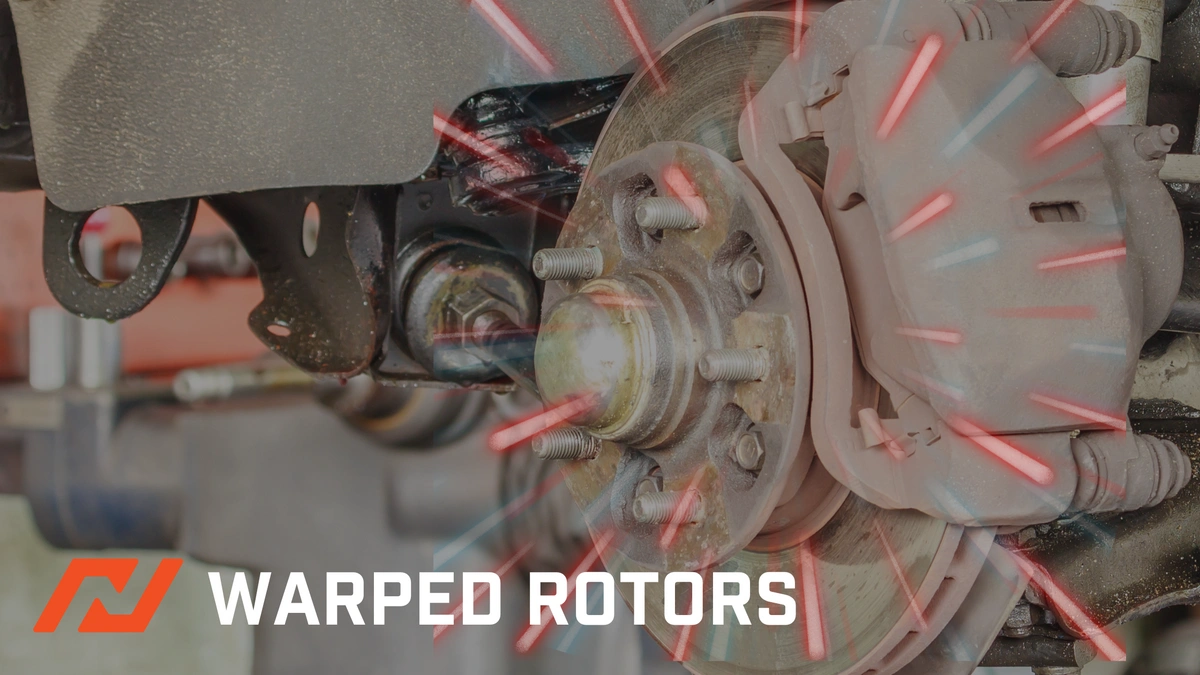
Brake rotor warping can cause vibrations and unsafe driving conditions. Understanding the causes helps prevent damage. Several factors lead to rotor warping, affecting their performance and lifespan. Knowing these causes can save money and improve safety.
Heat Build-up
Heat is the main cause of rotor warping. When brakes are used hard or often, rotors get very hot. High heat makes the metal expand unevenly. This expansion causes the rotor to bend or warp. Cooling too fast after heating also damages rotors.
Improper Installation
Incorrect rotor installation leads to uneven pressure. If rotors are not fixed tightly, they move during braking. This movement causes uneven wear and warping. Using the wrong tools or parts also harms the rotors.
Low-quality Materials
Cheap rotors wear out faster and warp easily. Low-quality metal does not handle heat well. These rotors crack or bend after short use. Spending a bit more on good rotors prevents warping problems.
Driving Habits
Aggressive braking puts stress on rotors. Sudden stops generate extreme heat quickly. Riding the brakes on downhill roads also causes heat build-up. Smooth and steady braking helps keep rotors cool and straight.
Signs Of Warped Rotors
Warped brake rotors can cause serious safety issues while driving. Knowing the signs early helps you fix problems fast. Watch for clear symptoms that show your rotors may be warped. Acting quickly can save money and keep your brakes working well.
Vibrations While Braking
Feel a shaking or vibration in the brake pedal or steering wheel? This often means the rotors are uneven. Vibrations grow stronger with more pressure on the brakes. It can make driving uncomfortable and unsafe.
Squealing Or Grinding Noises
Strange sounds while braking point to rotor problems. Squealing means the brake pads might be worn or the rotors are rough. Grinding sounds are worse and may mean metal is rubbing on metal. Both noises need immediate attention.
Uneven Brake Pad Wear
Check your brake pads regularly. Uneven wear shows the rotors are not smooth. This causes some parts of the pad to wear faster. Uneven wear reduces braking power and can lead to more damage.
Maintenance Tips
Maintaining your brake rotors is key to avoiding warping. Simple care steps help extend rotor life and improve safety. Regular checks and timely actions keep your braking system smooth and reliable.
Regular Inspections
Check your brake rotors often for signs of wear or damage. Look for grooves, cracks, or uneven surfaces. Early detection prevents bigger problems and costly repairs. Inspect rotors during routine vehicle maintenance or tire changes.
Proper Torque On Lug Nuts
Tighten lug nuts to the correct torque settings. Over-tightening or under-tightening can cause rotor stress and warping. Use a torque wrench to ensure even pressure on all nuts. This helps rotors stay flat and balanced.
Timely Brake Pad Replacement
Replace brake pads before they wear out completely. Worn pads cause metal-to-metal contact, damaging rotors quickly. New pads reduce heat buildup and rotor strain. Check pad thickness regularly and swap them out as needed.
Credit: nubrakes.com
Driving Practices To Avoid
Protecting your brake rotors from warping starts with smart driving habits. Certain actions put extra stress on rotors and cause them to heat unevenly. This leads to warping over time. Avoiding these common driving mistakes helps your brakes last longer and work better.
Avoid Sudden Hard Braking
Slamming on the brakes creates a lot of heat fast. This sudden heat can cause rotors to warp. Instead, brake gently and gradually whenever possible. Slow down early to reduce the need for hard stops. Smooth braking keeps rotor temperatures steady and prevents damage.
Limit Downhill Braking
Going downhill forces you to brake more often and harder. This makes rotors heat up quickly and unevenly. Use engine braking by shifting to a lower gear. Let the engine help slow the car. This reduces pressure on the brakes and keeps rotors cooler.
Allow Cooling Time
After driving hard or stopping often, let your brakes cool down. Avoid parking immediately after heavy braking. Heat trapped in rotors can warp them if not cooled properly. Give your vehicle a few minutes to rest before turning off the engine.
Upgrading Brake Components
Upgrading brake components helps protect your rotors from warping. Better parts handle heat and stress well. This reduces damage and keeps braking safe and smooth. Investing in quality parts can save money over time. Let’s explore some key upgrades that make a difference.
High-quality Rotors
Choose rotors made from durable materials. These rotors resist heat and wear better. Cast iron rotors with special coatings last longer. They cool down faster after stopping. This lowers the risk of warping during heavy use.
Performance Brake Pads
Use brake pads designed for strong stopping power. These pads create less heat and wear evenly. They match well with high-quality rotors. Good pads reduce stress on rotors, preventing damage. Look for pads that suit your driving style.
Brake Cooling Systems
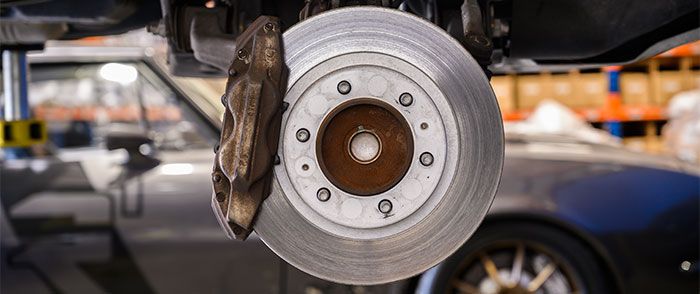
Brake cooling systems help keep rotors cool. Air ducts or fans direct airflow to the brakes. Cooler brakes reduce heat buildup and warping risk. Racing cars and trucks often use these systems. Adding cooling can improve brake life and safety.
Credit: www.r1concepts.com

Credit: asgindy.com
Frequently Asked Questions
How Do I Stop Brake Rotors From Warping?
To prevent rotor warping, avoid aggressive braking and allow rotors to cool. Regularly check for worn brake pads and replace them promptly.
What Causes Brake Rotors To Warp Quickly?
Brake rotors warp due to excessive heat from hard braking, uneven pad wear, or poor-quality rotors. Proper maintenance minimizes these risks.
Can Driving Habits Affect Rotor Warping?
Yes, frequent sudden stops and riding brakes generate heat, causing rotors to warp. Smooth, steady braking helps extend rotor life.
How Often Should Brake Rotors Be Inspected?
Inspect brake rotors every 12,000 miles or during brake pad changes. Early detection prevents severe warping and ensures safe braking.
Conclusion
Preventing brake rotor warping keeps your car safe and reliable. Drive smoothly and avoid sudden stops to reduce heat build-up. Regularly check brake pads and rotors for wear or damage. Use quality parts and follow proper installation steps. Cool down brakes after heavy use by driving gently.
Small actions can save you from costly repairs later. Stay alert and care for your brakes to enjoy smoother rides. Simple habits make a big difference in rotor life. Keep these tips in mind for safer driving every day.