

If you want your furniture to look smooth, shiny, and protected, applying finishing wax is a great choice. But did you know that using a car buffer can make this job faster and give your wood an even, professional shine?
In this guide, you’ll learn exactly how to apply furniture finishing wax with a car buffer, step by step. By the end, your furniture will stand out with a rich, polished finish that lasts. Ready to transform your woodwork with less effort and better results?
Keep reading!
Credit: www.servicemasterclean.com
Choosing The Right Wax
Choosing the right wax is key to a smooth and shiny finish on your furniture. Different waxes work better on different types of wood and finishes. The right wax also protects the wood and makes your work easier when using a car buffer. Understanding the types of wax and how to select one for your buffer will help you get the best results.
Types Of Furniture Wax
Furniture wax comes in various forms. Paste wax is thick and gives a strong protective layer. It is good for older wood or rough surfaces. Liquid wax is easy to apply and dries fast. It works well on smooth surfaces and for quick touch-ups. Beeswax is natural and safe for delicate wood. It adds a warm shine but may require more effort to buff. Carnauba wax is harder and more durable. It creates a glossy finish and lasts longer.
Selecting Wax For Buffers
Not all waxes work well with car buffers. Choose a wax that is soft enough to spread easily but firm enough to polish. Paste wax often needs to be softened before using a buffer. Liquid wax can be applied directly but may not last as long. Avoid waxes with heavy solvents or oils. These can damage the buffer pads or the wood surface. Test a small area first to see how the wax reacts to the buffer. This helps prevent mistakes and saves time.

Credit: www.axminstertools.com
Preparing Furniture Surface
Preparing the furniture surface is the first step before applying finishing wax with a car buffer. A smooth and clean surface helps the wax stick better and look shiny. Taking time to prepare ensures a long-lasting finish and a beautiful result.
Cleaning And Sanding
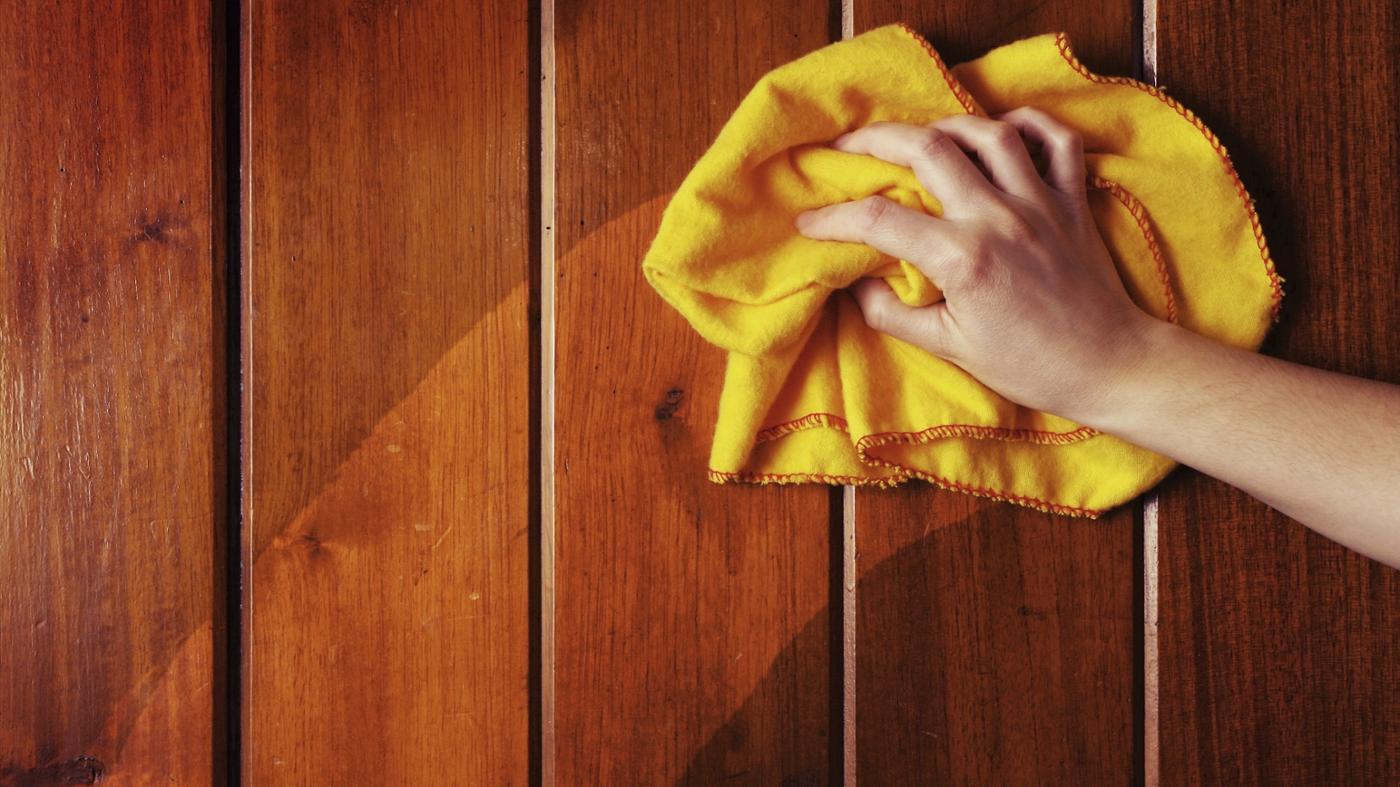
Start by wiping the furniture with a damp cloth to remove dust and dirt. Clean the surface well to avoid trapping grime under the wax. Next, sand the surface using fine-grit sandpaper. Sanding removes small scratches and rough spots. It also helps the wax bond evenly. Always sand along the wood grain to prevent damage.
Removing Old Finish
Old finishes like varnish or paint must be removed before waxing. Use a chemical stripper or sand the surface thoroughly. Removing old finish exposes fresh wood for better wax absorption. Check the surface carefully to ensure all old finish is gone. A clean slate gives the best results with the wax and buffer.
Setting Up The Car Buffer
Preparing your car buffer correctly is key to applying furniture finishing wax smoothly. Proper setup helps protect your furniture and gives a nice, even shine. This step saves time and avoids damage.
Focus on choosing the right pad and adjusting the speed settings. These two factors control how well the wax spreads and how safe the process is for your wood surfaces.
Selecting The Correct Pad
Choose a soft foam or wool pad for applying wax. Soft pads prevent scratching the wood. Wool pads work well for thicker wax layers.
A pad that is too rough can damage the finish. Too soft may not spread the wax evenly. Pick a pad size that fits your buffer and the furniture area.
Adjusting Speed Settings
Set your buffer to a low or medium speed. High speeds can heat up the wax and wood. This may cause streaks or uneven finish.
Start slow to test how the wax spreads. Increase speed slightly if needed. Keep the buffer moving to avoid staying in one spot too long.
Applying Wax With The Buffer
Applying wax with a car buffer makes the finishing process faster and smoother. It helps spread the wax evenly on furniture surfaces. This technique saves effort and gives a shiny, professional look. Using a buffer requires care to avoid damage. Follow simple steps to get the best results.
Loading Wax On The Pad
Start by applying a small amount of wax to the buffer pad. Use a soft, clean pad for best results. Dab the wax gently, spreading it in small spots. Avoid overloading the pad to prevent wax buildup. Too much wax can cause uneven application and mess.
Spreading Wax Evenly
Turn on the buffer at a low speed. Move the buffer in slow, circular motions. Cover the entire surface with light pressure. Work in small sections to ensure full coverage. Keep the pad flat to avoid scratches. Let the wax settle for a few minutes before buffing off.
Buffing Techniques
Buffing is a key step to get a smooth, shiny finish on your furniture. Using a car buffer makes this job faster and easier. Proper buffing techniques help spread the wax evenly and bring out the wood’s natural beauty. Follow these simple tips to get the best results.
Maintaining Consistent Pressure
Hold the buffer firmly but not too tight. Press evenly on the surface to avoid marks. Too much pressure can damage the finish. Too little pressure won’t spread the wax well. Keep your hand steady and move the buffer smoothly.
Working In Small Sections
Buff small areas one at a time. This helps you control the wax spread better. Cover each section completely before moving on. Small sections prevent the wax from drying unevenly. This way, you get a neat and polished look all over.
Finishing Touches
Finishing touches give your furniture a smooth, polished look. They make the wax coating even and shiny. Taking time with these steps improves the overall finish. The final result looks professional and lasts longer. Use careful inspection and extra layers to perfect the surface.
Inspecting For Missed Spots
Check the furniture closely under good light. Look for dull areas or uneven shine. These spots need more attention. Use the car buffer on low speed to gently polish these areas. Make sure you cover every inch without pressing too hard. This step prevents patchy finish and keeps the wood smooth.
Adding Additional Coats
Some furniture needs more than one wax coat. Apply the next layer only after the first dries fully. Use a soft cloth to spread wax thinly and evenly. Then, buff with the car buffer to blend it in. Extra coats increase protection and depth of shine. Avoid thick layers that look sticky or uneven.
Safety And Maintenance Tips
Applying furniture finishing wax with a car buffer can make your furniture shine beautifully. Safety and maintenance are very important during this process. Proper care keeps you safe and your tools working well. Follow these tips to protect yourself and keep your buffer clean.
Protecting Yourself
Wear safety goggles to protect your eyes from wax splashes. Use a dust mask to avoid breathing in wax particles. Wear gloves to keep your hands clean and safe. Avoid loose clothing to prevent it from catching in the buffer. Work in a well-ventilated area to reduce fumes. Take breaks to avoid fatigue and keep focus sharp.
Cleaning The Buffer After Use
Unplug the buffer before cleaning to avoid accidents. Remove any wax buildup on the pad with a soft cloth. Use a brush to clean hard-to-reach areas on the buffer. Wipe the buffer body with a damp cloth to remove dust. Let the pad dry completely before storing it. Regular cleaning extends the life of your buffer and keeps it running smoothly.

Credit: gilboys.co.uk
Frequently Asked Questions
How Do I Prepare Furniture Before Waxing With A Buffer?
Clean the furniture surface thoroughly to remove dust and dirt. Use a soft cloth and mild cleaner. Ensure the wood is dry before applying wax with the buffer for best results.
What Type Of Wax Works Best With A Car Buffer?
Use a high-quality furniture finishing wax designed for wood surfaces. Avoid automotive waxes. Choose a wax that offers a smooth finish and protection suitable for furniture.
Can A Car Buffer Damage Wooden Furniture?
If used incorrectly, a car buffer can damage wood. Use low speed and a soft pad. Apply gentle pressure to avoid scratches or uneven finish during waxing.
How Long Should I Buff Furniture After Waxing?
Buff the waxed furniture for 2 to 5 minutes. Use circular motions with moderate speed. This ensures an even shine and proper wax absorption.
Conclusion
Applying furniture finishing wax with a car buffer saves time and effort. It helps you get a smooth, shiny surface quickly. Always use light pressure and move the buffer steadily. This method protects your furniture and keeps it looking new longer.
Practice on a small area first to avoid mistakes. With patience and care, your wood will shine beautifully. Try this simple technique for a clean, polished finish every time.


