
Have you noticed your car acting up lately? Maybe it’s struggling to start, or the engine feels weak when you press the gas.
These signs might be telling you something important about your fuel filter. But how can you tell if your fuel filter is bad before it causes bigger problems? Understanding this simple part can save you time, money, and a lot of frustration.
Keep reading, and you’ll learn the key signs to watch for and what to do next to keep your vehicle running smoothly.
Symptoms Of A Bad Fuel Filter
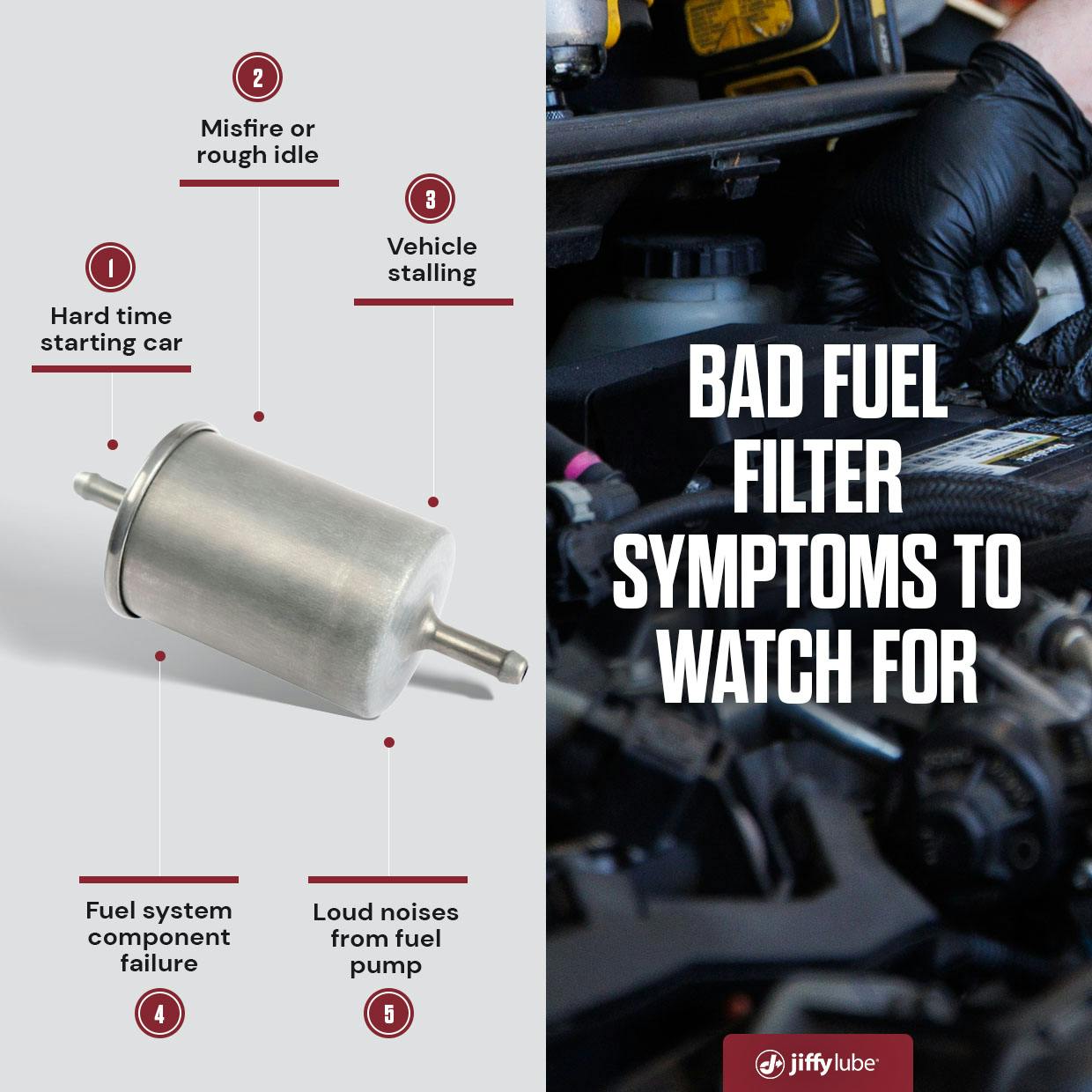
Recognizing the symptoms of a bad fuel filter can help prevent bigger engine problems. The fuel filter stops dirt and debris from reaching the engine. Over time, it can get clogged and reduce fuel flow. This causes several noticeable issues while driving.
Engine Misfires And Hesitation
A clogged fuel filter may cause the engine to misfire. The engine might hesitate during acceleration or when driving uphill. This happens because the engine gets less fuel than it needs. You may feel the car stutter or jerk unexpectedly.
Difficulty Starting The Engine
Starting the engine can become harder with a bad fuel filter. The fuel flow is weak, so the engine struggles to start. You might hear the engine crank longer than usual. Sometimes, the engine may not start at all.
Reduced Engine Power
A bad fuel filter lowers the engine’s power output. The car may feel sluggish or slow. It struggles to maintain speed, especially under heavy load. This happens because the engine does not get enough fuel to run well.
Stalling During Acceleration
The engine may stall or cut out during acceleration. This is a sign that fuel supply is inconsistent. The car might lose power suddenly while driving. It can be dangerous, especially in traffic or on highways.

Credit: www.youtube.com
Effects On Fuel Efficiency
A bad fuel filter can harm your car’s fuel efficiency. It blocks the flow of fuel to the engine. This makes the engine work harder. Your car uses more fuel than usual. Watch for signs that your fuel filter is failing. These signs show how it affects fuel use and engine power.
Increased Fuel Consumption
A clogged fuel filter reduces fuel flow. The engine gets less fuel than needed. To keep running, the engine burns extra fuel. This waste raises how much fuel your car uses. You might notice filling the tank more often. Your car’s fuel economy drops noticeably. This leads to higher fuel costs over time.
Poor Engine Performance
The engine struggles with poor fuel supply. It may hesitate or stall during driving. Acceleration feels weak and slow. The car may shake or run roughly. These problems happen because the fuel filter blocks dirt. Dirty fuel harms engine parts. Poor performance also means the engine uses more fuel. Fixing the filter can restore smooth driving.
Physical Signs To Inspect
Checking the fuel filter for physical signs helps spot problems early. A bad fuel filter can cause engine trouble and poor fuel flow. Simple visual checks can reveal if the filter needs replacing. Pay close attention to these signs during inspection.
Fuel Filter Appearance
Look at the fuel filter closely. It should be clean and intact. Dirt, rust, or damage on the surface means trouble. A dark or clogged filter shows it is full of debris. This condition blocks fuel flow and hurts engine performance.
Fuel Leakage
Check around the fuel filter for any wet spots. Fuel leaks near the filter show seal or crack issues. Leaks waste fuel and create fire hazards. Even small drops of fuel on or under the filter are a warning sign.
Unusual Odors
A strong fuel smell near the filter means a problem. This odor often comes from leaks or cracks. It can also point to a clogged filter causing fuel to back up. Smelling fuel while the engine runs is a sign to inspect the filter closely.

Credit: www.youtube.com
Diagnostic Methods
Knowing if your fuel filter is bad helps keep your car running well. Faulty filters stop fuel flow and cause engine problems. Use simple tests to check if the filter blocks fuel or is dirty. These tests show if the filter needs a change.
Checking Fuel Pressure
Fuel pressure tells how well fuel moves through the system. Use a fuel pressure gauge on the fuel rail. Low pressure means the filter might be clogged. Compare the reading to your car’s manual. A weak pressure reading points to a bad fuel filter.
Using Scan Tools
Scan tools connect to your car’s computer. They read error codes and fuel system data. Codes like P0087 or P0171 can suggest fuel delivery problems. These codes may indicate a dirty or blocked fuel filter. Scan tools provide quick, clear clues about filter health.
Professional Inspection
Mechanics can inspect the fuel filter directly. They check for dirt, rust, or damage. Professionals use special tools to test fuel flow and pressure. Their experience helps find issues hidden from basic checks. A professional look confirms if the filter needs replacement.
Preventive Measures
Taking care of your fuel filter helps keep your car running smoothly. Preventive measures stop problems before they start. They save you time and money on repairs. Simple habits protect your engine and improve fuel efficiency.
Regular Fuel Filter Replacement
Changing the fuel filter regularly keeps dirt and debris out of the engine. Check your car manual for the replacement schedule. Old filters block fuel flow and reduce engine power. Timely replacement ensures clean fuel and better performance.
Using Quality Fuel
Using good fuel reduces the risk of clogging the filter. Low-quality fuel has impurities that can damage the filter quickly. Choose fuel from trusted stations. Clean fuel helps the filter last longer and keeps the engine healthy.
Routine Vehicle Maintenance
Regular car check-ups spot fuel filter issues early. Mechanics inspect the filter during oil changes or tune-ups. Routine maintenance keeps the whole fuel system in good shape. It prevents unexpected breakdowns and costly repairs.
Credit: www.jiffylube.com
Frequently Asked Questions
How Do I Know If My Fuel Filter Is Clogged?
A clogged fuel filter causes engine sputtering and poor acceleration. You may notice difficulty starting and reduced fuel efficiency. Check for rough idling or engine misfires, which also signal a bad fuel filter.
What Are Common Signs Of A Bad Fuel Filter?
Common signs include engine hesitation, stalling, and slow acceleration. You might also experience frequent engine misfires and reduced power. These symptoms often point to restricted fuel flow caused by a dirty fuel filter.
How Often Should A Fuel Filter Be Replaced?
Typically, replace the fuel filter every 20,000 to 40,000 miles. However, follow your vehicle manufacturer’s recommendations. Regular replacement ensures optimal engine performance and prevents fuel system damage.
Can A Bad Fuel Filter Cause Engine Stalling?
Yes, a clogged fuel filter can cause engine stalling. It restricts fuel flow, leading to inconsistent engine performance. This results in sudden stalls and difficulty maintaining speed.
Conclusion
A bad fuel filter can cause many engine problems. Watch for rough idling, poor acceleration, or engine stalling. Strange noises or a strong fuel smell may also appear. Regular checks help keep your car running smoothly. Don’t wait until damage happens.
Replace the filter if you see any signs. This keeps fuel flowing cleanly to the engine. Taking care of your fuel filter saves time and money. Simple steps can prevent bigger, costlier repairs later. Stay alert and keep your vehicle healthy.

