Are you wondering what size wheel covers you need for your car? Choosing the right size isn’t just about looks—it affects your car’s safety and performance too.
If your wheel covers are too big or too small, they might not fit properly or could even fall off while driving. You’ll discover a simple way to find the perfect fit for your wheels. Keep reading to make sure your car looks great and stays safe on the road.

Credit: www.seatcoversolutions.com
Wheel Cover Sizes
Wheel cover sizes matter a lot for a proper fit. Choosing the right size keeps your wheels safe and your car looking good. Wrong sizes can cause damage or fall off while driving. Understanding sizes helps you pick the best cover quickly.
Wheel covers come in different dimensions. Knowing these sizes makes selection easy. You can measure your wheels yourself at home.
Common Wheel Cover Dimensions
Most wheel covers fit wheels between 13 and 17 inches. Popular sizes include 14, 15, and 16 inches. These sizes match the diameter of your wheel rim. Covers may also come in half-inch steps for a snug fit. Always check your wheel size before buying.
Measuring Your Wheels
To measure your wheel, use a tape measure. Measure across the wheel from one edge to the opposite edge. This is the diameter of your wheel. Make sure to measure the rim, not the tire. Write down the number in inches. This number tells you the size of the cover needed.
Choosing The Right Fit
Choosing the right fit for your wheel covers is important for both style and safety. A proper fit ensures the covers stay secure and look good on your wheels. It also prevents damage to the covers and your tires. Knowing the exact size and shape of your wheels helps you pick the best covers. Let’s explore how to match covers to your wheel size and consider tire width.
Matching Covers To Wheel Diameter
Wheel covers must match the diameter of your wheels exactly. Measure your wheel from edge to edge across the center. Most wheel covers come in standard sizes like 14, 15, 16, or 17 inches. Choose a cover size that matches your wheel diameter. A cover too small or too large won’t fit properly. It may fall off or look awkward. Accurate measurement is key to a perfect fit.
Considerations For Tire Width
Tire width also affects how well wheel covers fit. Wider tires may need covers designed with extra space. Narrow tires fit standard covers easily. Check your tire’s width printed on the sidewall. Covers with flexible edges work better for varying widths. Be sure the cover does not interfere with tire movement. Proper width fit keeps your wheel covers safe and snug.
Types Of Wheel Covers
Wheel covers come in different types. Choosing the right type affects the look and protection of your wheels. Knowing the main options helps you make a good choice. This section explains popular types of wheel covers.
Plastic Vs. Metal Covers
Plastic wheel covers are light and affordable. They are easy to install and replace. Plastic covers resist rust but can crack on impact. Metal wheel covers offer better durability. They handle bumps and wear well. Metal covers may add weight but last longer. Both types protect wheels from dirt and scratches.
Styles And Finishes
Wheel covers come in many styles. Some have simple, smooth surfaces. Others show detailed patterns or spoke designs. Finishes vary from shiny chrome to matte black. Painted covers add color to your wheels. Choose a style that fits your car’s look. The right finish enhances your vehicle’s appearance.
Credit: www.airskirts.com
Installation Tips
Installing the right size wheel covers is simple with the right tips. Proper installation keeps your covers secure and looking great. Follow these steps for a smooth process.
Tools Needed
Gather a few basic tools before you start. A flathead screwdriver helps with removing old covers. A rubber mallet can gently tap new covers into place. Gloves protect your hands during installation. Have a clean cloth handy to wipe the wheels.
Step-by-step Fitting
First, clean the wheel surface. Dirt stops the cover from fitting well. Next, align the wheel cover with the wheel. Make sure the valve hole matches the tire valve. Press the cover firmly onto the wheel. Use a rubber mallet to tap gently if needed. Check that the cover fits tight all around. Spin the wheel slowly to ensure the cover stays put. Repeat these steps for each wheel cover.
Common Fit Issues
Choosing the right size wheel covers is important to avoid common fit issues. These problems can cause covers to fall off or get damaged quickly. Understanding these issues helps keep your wheel covers in good shape and your wheels looking great.
Loose Covers
Loose wheel covers often happen when the size is not correct. Covers that are too big will not hold tightly on the wheel. They may move or even fall off while driving. Loose covers can also make noise and look unattractive. To prevent this, always measure your wheel size before buying covers. A snug fit keeps covers secure and stable.
Cover Damage Prevention
Incorrectly fitting covers can get damaged easily. Covers that are too small may crack when forced onto the wheel. Covers that are too loose can hit the road or other objects. This causes scratches and breaks. Choosing the right size reduces wear and tear. Handle covers carefully when installing or removing them. Proper care extends the life of your wheel covers.
Credit: www.tirecoverpro.com
Maintaining Wheel Covers
Maintaining wheel covers keeps them looking new and lasting longer. Dirt, dust, and road grime build up fast. Regular care protects your covers from damage and wear. Simple steps make a big difference in their appearance and function.
Cleaning Techniques
Use a soft cloth or sponge for cleaning wheel covers. Avoid harsh brushes that can scratch the surface. Warm water mixed with mild soap works best. Rinse thoroughly to remove all soap residue. Dry with a soft towel to prevent water spots. Clean covers regularly to stop dirt from hardening.
Repair And Replacement
Small scratches and cracks can often be fixed at home. Use plastic repair kits for minor damage. Replace covers that are broken or no longer fit well. Check size and model before buying new covers. Properly fitting covers stay secure and protect your wheels better. Timely replacement avoids further wheel damage.
Frequently Asked Questions
How Do I Find My Wheel Cover Size?
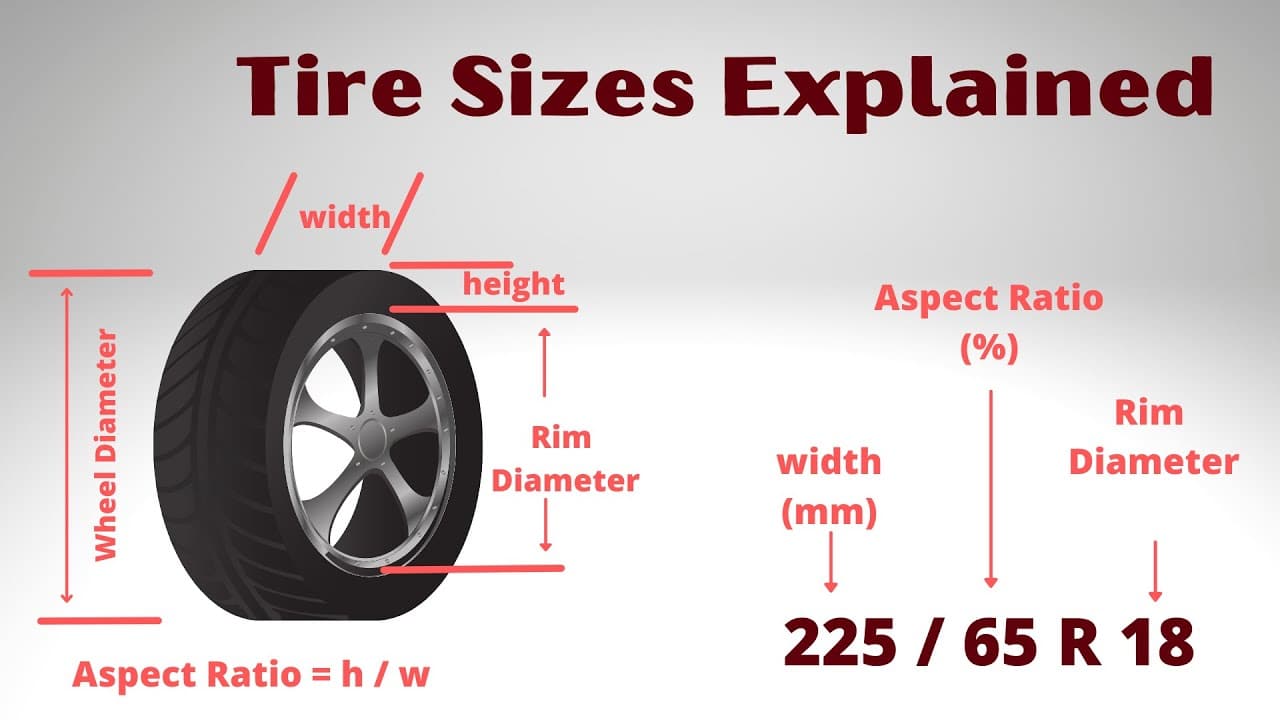
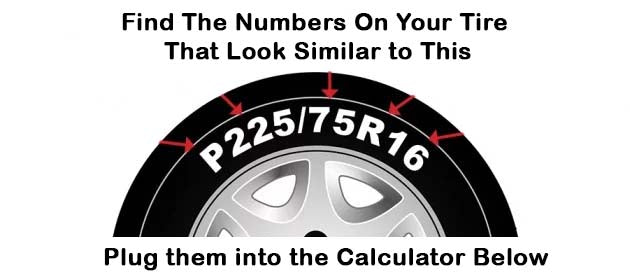
Check your tire’s sidewall for size numbers. Look for a number after the letter “R. ” This number shows your wheel diameter in inches, matching your wheel cover size.
Can I Use Larger Wheel Covers Than My Wheels?
No, wheel covers must match wheel diameter exactly. Using larger covers can cause fit issues and may fall off during driving.
Are Wheel Covers Universal Or Specific To Wheel Size?
Wheel covers are specific to wheel sizes. Each cover fits wheels with a particular diameter, so always buy covers matching your wheel size.
How Often Should I Replace My Wheel Covers?
Replace wheel covers when they crack, fade, or don’t fit properly. Properly fitting covers protect wheels and keep your vehicle looking good.
Conclusion
Choosing the right size wheel covers keeps your wheels safe and looking good. Measure your wheels carefully before buying covers. The correct fit prevents damage and makes driving smoother. Remember, wheel covers come in different sizes for different wheels. Taking time to pick the right size saves hassle later.
Keep your car’s style neat with well-fitted covers. Simple steps lead to better results on the road.