
Have you noticed your car acting up lately? Maybe it’s sluggish, or the engine feels rough when you start it.
These could be signs that your fuel filter is going bad. Your fuel filter plays a key role in keeping dirt and debris out of your engine. When it starts to fail, your vehicle’s performance can drop quickly. Knowing how to spot these warning signs can save you time, money, and a lot of frustration.
You’ll learn exactly what to look for and how to tell if your fuel filter needs attention before it causes bigger problems. Keep reading to protect your car and keep it running smoothly.
Symptoms Of A Failing Fuel Filter
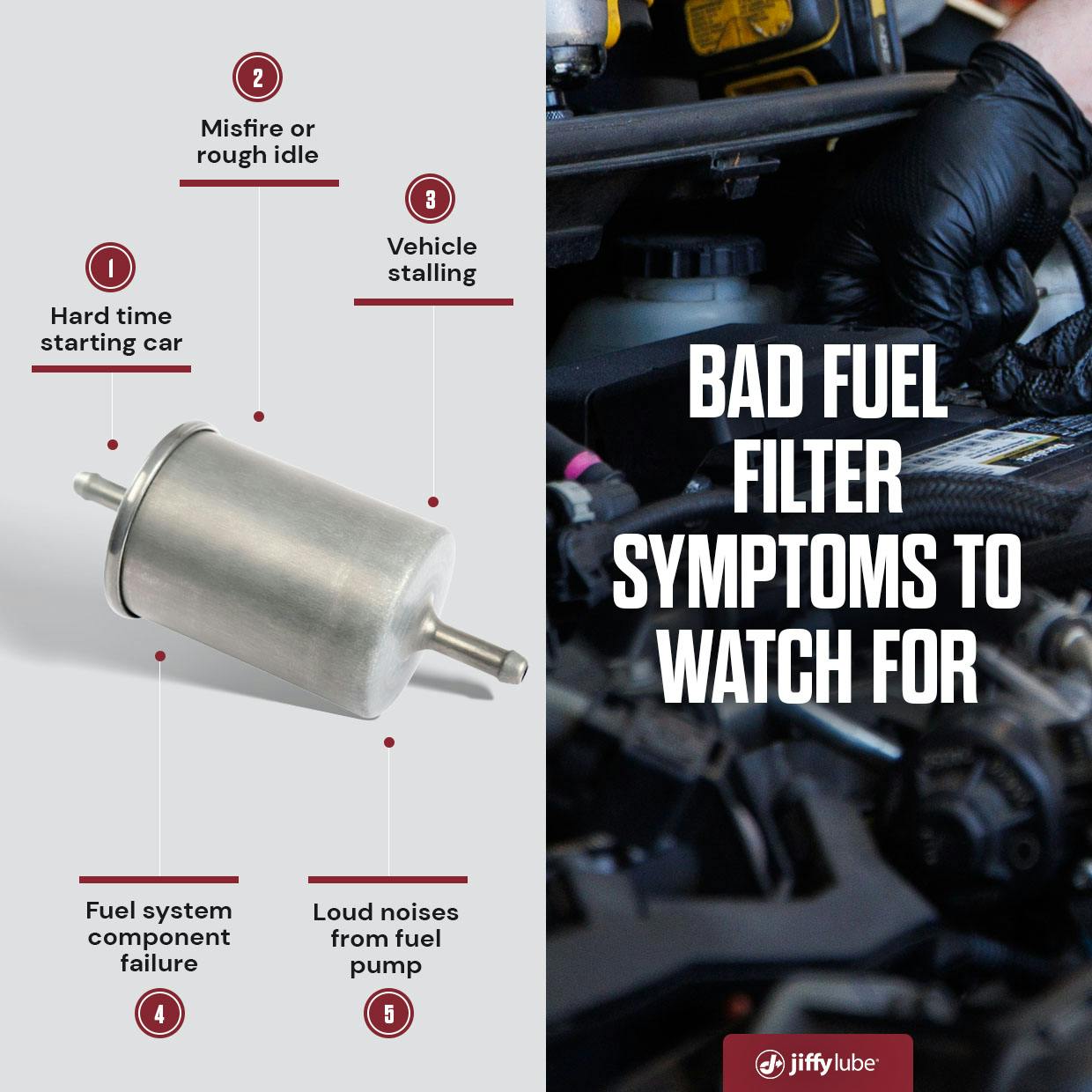
Knowing the symptoms of a failing fuel filter helps protect your engine. The fuel filter stops dirt and rust from reaching the engine. Over time, the filter can clog and cause issues. Watch for signs that your fuel filter needs attention. Early detection saves time and money on repairs.
Engine Misfires And Stalls
A clogged fuel filter can cause the engine to misfire. The engine may run unevenly or jerk during driving. Sometimes, the engine stalls completely without warning. These issues happen because the fuel flow is blocked. The engine does not get the fuel it needs to run smoothly.
Difficulty Starting The Engine
A bad fuel filter makes the engine hard to start. You might hear the engine crank longer than usual. The engine may fail to start on the first try. This happens because fuel cannot reach the engine quickly. A clean filter helps fuel flow easily to the engine.
Reduced Fuel Efficiency
Fuel filter problems can lower your car’s fuel efficiency. Your vehicle uses more fuel to run the same distance. The engine works harder to get fuel through a dirty filter. This causes more fuel to burn than normal. Watch your fuel consumption for sudden drops in efficiency.
Unusual Engine Noises
A failing fuel filter can cause strange engine sounds. You may hear knocking or sputtering noises from the engine. These sounds occur when fuel flow is irregular. The engine struggles to maintain a steady rhythm. Unusual noises often signal a clogged fuel filter problem.

Credit: www.youtube.com
Visual Signs Of Fuel Filter Issues
Visual signs can help you identify fuel filter problems early. These signs show up on the fuel filter itself. Spotting them saves time and money on repairs. It keeps your engine running smoothly. Watch for changes in the filter’s look. This gives clues about its condition.
Dirty Or Clogged Filter Appearance
A fuel filter looks dirty when clogged with particles. Dirt and debris block fuel flow. The filter may look dark or stained. A clean filter is usually light in color. If it appears black or brown, it needs attention. Sometimes, you see visible clumps stuck inside. This means the filter is no longer effective. A clogged filter reduces engine power and efficiency.
Fuel Contamination Indicators
Fuel contamination shows as oily or wet spots on the filter. Water or rust particles mix with fuel. This causes discoloration or rust marks on the filter surface. You might notice a strong smell of fuel or chemicals near the filter. These signs suggest the fuel quality is poor. Contaminated fuel harms engine parts over time. Checking for these indicators helps prevent bigger engine issues.
Impact On Vehicle Performance
The fuel filter plays a key role in keeping your vehicle running smoothly. When it starts to fail, you may notice changes in how your car drives. These changes affect the engine’s performance and can cause serious problems. Understanding these signs helps you act early and avoid costly repairs.
A bad fuel filter restricts fuel flow. This means your engine does not get enough fuel. The result is poor vehicle performance and a rough driving experience.
Loss Of Power During Acceleration
Your car may feel weak when you press the gas pedal. The engine struggles to increase speed. This happens because less fuel reaches the engine. You might notice the car lags or hesitates. It feels like the engine is not responding properly.
Engine Hesitation
The engine may pause or stumble while driving. This hesitation happens during acceleration or steady speed. It occurs because the fuel flow is uneven. The engine does not get a steady supply of fuel. This problem can make driving unsafe and frustrating.
Check Engine Light Activation
A clogged fuel filter can trigger the check engine light. This warning signals a fuel system problem. The car’s computer detects poor fuel delivery. Ignoring this light can lead to more serious engine issues. It is important to get the filter checked promptly.
Credit: www.jiffylube.com
Common Causes Of Fuel Filter Damage
The fuel filter plays a key role in keeping your engine clean. It stops dirt and debris from reaching the engine. Over time, the filter can get damaged or clogged. Understanding the common causes of fuel filter damage helps you spot problems early.
Poor Fuel Quality
Bad fuel contains dirt, water, and other impurities. These particles block the fuel filter quickly. Low-quality fuel often comes from unreliable gas stations. Using poor fuel wears out the filter faster. It also harms the engine’s performance and life.
Lack Of Regular Maintenance
Fuel filters need regular checks and replacements. Skipping maintenance causes dirt to build up inside the filter. This reduces fuel flow to the engine. Over time, it can cause engine misfires and poor acceleration. Following the manufacturer’s schedule keeps the filter healthy.
Testing And Diagnosing Fuel Filter Problems
Testing and diagnosing fuel filter problems helps find blockages or failures early. This process keeps the engine running smoothly. It also prevents damage caused by dirty fuel. Two main methods check the fuel filter condition: fuel pressure test and fuel flow inspection. Both give clear signs about the filter’s health.
Fuel Pressure Test
The fuel pressure test measures how much fuel pressure the filter allows. A drop in pressure often means the filter is clogged. Mechanics use a gauge to check the pressure at the fuel rail. The pressure should match the vehicle’s specifications. Low pressure can cause engine hesitation or poor performance. This test is quick and reveals if fuel flow faces resistance.
Fuel Flow Inspection
Fuel flow inspection watches the amount of fuel passing through the filter. It shows if the filter restricts fuel supply. This test involves disconnecting the fuel line after the filter. Fuel is collected in a container while the engine runs or the pump operates. A weak or slow flow signals a dirty or bad filter. This method confirms the fuel filter’s effectiveness directly.
Preventive Measures And Maintenance Tips
Taking care of your fuel filter helps keep your car running smoothly. Regular maintenance stops problems before they start. Simple steps can extend your fuel filter’s life and improve engine performance.
Recommended Replacement Intervals
Check your vehicle manual for fuel filter replacement timing. Most cars need a new filter every 20,000 to 40,000 miles. Sticking to this schedule prevents clogging and fuel flow issues. Replace the filter sooner if you drive in dusty or rough conditions.
Using High-quality Fuel
Choose clean, high-quality fuel to protect the filter. Low-grade fuel can contain dirt and water, which harm the filter. Good fuel reduces deposits and keeps the system clean. Always buy fuel from trusted stations.
Regular Vehicle Inspections
Inspect your fuel filter and fuel system regularly. Look for signs of leaks, cracks, or rust. A quick check helps spot problems early. Visit a mechanic for a thorough inspection every year or as recommended.

Credit: www.youtube.com
Frequently Asked Questions
How Do I Know If My Fuel Filter Is Clogged?
A clogged fuel filter causes engine misfires, reduced power, and poor acceleration. You may also notice stalling or difficulty starting the engine. Regular inspection helps catch these signs early and prevents damage to the fuel system.
What Symptoms Indicate A Bad Fuel Filter?
Common symptoms include rough idling, engine hesitation, and decreased fuel efficiency. You might hear sputtering noises or experience frequent stalling. These signs suggest the fuel filter is restricting fuel flow and needs replacement.
How Often Should A Fuel Filter Be Replaced?
Typically, replace your fuel filter every 20,000 to 30,000 miles. Check your vehicle’s manual for specific intervals. Frequent replacement ensures optimal engine performance and prevents costly repairs due to fuel contamination.
Can A Bad Fuel Filter Damage My Engine?
Yes, a bad fuel filter can cause engine damage by restricting fuel flow. This leads to poor combustion, overheating, and increased wear on engine components. Timely replacement protects your engine and maintains vehicle reliability.
Conclusion
A bad fuel filter can cause engine problems and reduce fuel flow. Watch for signs like rough idling, poor acceleration, or trouble starting. Regular checks help catch issues early and keep your car running smoothly. Replacing a clogged filter is simple and saves costly repairs later.
Stay alert to these signs to avoid breakdowns and maintain good engine health. Taking care of your fuel filter protects your vehicle’s performance and your safety on the road.

