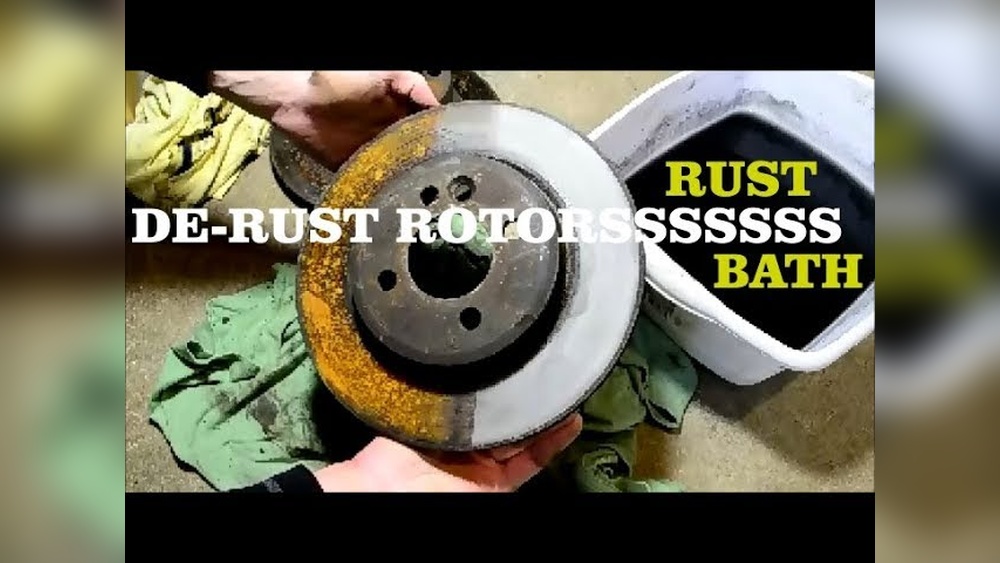
Your brakes and rotors are two of the most important parts of your car’s safety system. But how often should you change them to keep your vehicle running smoothly and, more importantly, keep you safe?
Ignoring worn brakes or rotors can lead to costly repairs and dangerous driving conditions. You’ll discover the key signs that tell you it’s time for a change, how to spot trouble early, and simple tips to extend their life. Keep reading to protect yourself, your passengers, and your wallet.

Credit: vatire.com
Signs You Need New Brakes
Brakes are one of the most important safety parts of your car. Knowing the signs of worn brakes helps you stay safe on the road. Worn brakes can cause serious problems if ignored. Watch for these clear signs that show it is time to change your brakes.
Listening and feeling your brakes often reveals early problems. Acting fast can save money and prevent accidents.
Squeaking And Grinding Noises
Squeaking sounds often mean brake pads are wearing thin. This noise comes from a small metal piece that warns you. Grinding noise means the pads are gone, and metal is touching metal. This can damage rotors and increase repair costs.
Reduced Braking Performance
Your car takes longer to stop. The brake pedal feels soft or sinks to the floor. Braking distance grows, making driving unsafe. These signs show your brakes are losing power and need checking.
Vibrations Or Pulsations
You feel shaking or pulsing in the brake pedal or steering wheel. This means rotors might be warped or damaged. Vibrations warn you of uneven brake wear or rotor problems. Ignoring this can cause poor brake control and danger.
Brake Warning Lights
The brake warning light on your dashboard stays on or flashes. This alerts you to brake system problems. The light can signal low brake fluid or worn brake pads. Never ignore this light; it means your brakes need attention.
When To Replace Brake Pads
Knowing when to replace brake pads is important for safe driving. Brake pads wear down over time and need changing before they cause problems. Worn pads reduce braking power and can damage rotors. Checking your brake pads regularly keeps your car safe and stops costly repairs.
Mileage Guidelines
Brake pads usually last between 30,000 and 70,000 miles. This range changes based on the car model and brake type. Check your car manual for specific recommendations. Track your mileage to plan brake pad changes at the right time. Regular inspections help catch wear early.
Thickness And Wear Indicators
Brake pads have a thickness that wears down with use. Replace pads when thickness drops below 3 millimeters. Many brake pads have wear indicators that make noise when pads are too thin. Listen for squealing or screeching sounds. These sounds warn that pads need replacement soon.
Driving Habits Impact
Driving style affects how fast brake pads wear out. Frequent stop-and-go traffic or heavy braking shortens pad life. Driving on hills or carrying heavy loads also wears pads faster. Gentle braking and highway driving help pads last longer. Adjust your brake check schedule based on how you drive.
Rotor Replacement Timing
Knowing the right time to replace your brake rotors is key for safe driving. Rotors wear down with use and can cause braking problems. Regular checks help keep your car stopping smoothly and safely. Below are important signs and rules for rotor replacement.
Visual Inspection Tips
Look at the rotor surface closely. Check for deep grooves or scoring marks. These lines show the rotor is worn out. Also, see if rust covers the rotor. Surface rust can be normal, but heavy rust means damage. Uneven wear or shiny spots can cause noise and poor braking.
Warping And Cracking Issues
Rotors can warp from heat and heavy use. Warped rotors cause the brake pedal to vibrate. Cracks may appear on the rotor surface too. Small cracks can grow and lead to rotor failure. Any sign of warping or cracking means the rotor needs replacement immediately.
Minimum Thickness Requirements
Each rotor has a minimum safe thickness. This number is stamped on the rotor or found in your car manual. Measure the rotor thickness with a tool called a micrometer. If the rotor is thinner than the limit, replace it. Thin rotors can overheat and crack, making braking unsafe.
Credit: www.reddit.com
Factors Affecting Brake And Rotor Lifespan
The lifespan of brakes and rotors depends on many factors. Knowing these helps you maintain your vehicle better. Some factors wear brakes faster. Others help them last longer. Understanding these points keeps driving safe and smooth.
Driving Conditions
City driving with frequent stops wears brakes faster. High-speed highway driving causes less brake use. Mountain roads with steep hills put extra pressure on brakes. Dusty or wet environments can cause rust and damage. Rough roads add stress to rotors and pads.
Vehicle Type And Weight
Heavier vehicles need stronger brakes and rotors. Trucks and SUVs often wear brakes quicker than small cars. Performance cars may have special brake materials that last longer. The vehicle’s weight affects how much force brakes need to stop it.
Brake Quality And Maintenance
High-quality brake pads and rotors last longer. Cheap parts may wear out fast and damage rotors. Regular checks and cleaning extend brake life. Changing brake fluid helps prevent corrosion. Ignoring brake noise or vibration leads to faster wear.
Routine Brake Maintenance Tips
Routine brake maintenance helps keep your car safe and smooth. Regular care prevents sudden brake failure. It also extends the life of your brake parts. Simple steps can save you money and stress. Follow these key tips to maintain your brakes well.
Regular Inspections
Check your brakes often for wear and tear. Look for thin brake pads or damaged rotors. Listen for strange sounds like squealing or grinding. Feel for vibrations or pulling when braking. Early detection helps avoid costly repairs.
Cleaning And Lubrication
Dirt and dust can build up on brake parts. Clean the brake components carefully to remove grime. Use proper brake cleaner spray for safety. Apply lubricant on moving parts like caliper pins. This keeps brakes working smoothly and quietly.
Brake Fluid Replacement
Brake fluid loses effectiveness over time. Replace brake fluid every two years or as the manual says. Fresh fluid improves brake response and prevents corrosion. Check fluid level regularly and top off if needed. Proper fluid helps your brakes perform well.

Credit: www.hawkperformance.com
Diy Vs Professional Replacement
Deciding between DIY and professional brake and rotor replacement depends on your skills, tools, and confidence. Changing brakes is vital for safety. Some car owners prefer to save money by doing it themselves. Others trust experts to ensure the job is done right.
Benefits Of Professional Service
Professionals have experience and proper tools. They can spot hidden problems early. Their work often comes with a warranty. This gives peace of mind. Professionals also dispose of old parts safely. They save time and effort for car owners.
Basic Diy Brake Checks
Simple brake inspections can be done at home. Check brake pads for thickness and wear. Look for deep grooves or cracks on rotors. Listen for unusual noises when braking. These checks help decide if a full replacement is needed.
Safety Considerations
Brakes are critical for safe driving. Mistakes in replacement can cause accidents. Proper tools and knowledge are essential. Avoid rushing the job. If unsure, choose professional service. Safety should always come first.
Frequently Asked Questions
How Often Should Brake Pads Be Replaced?
Brake pads typically need replacement every 30,000 to 70,000 miles. However, this varies based on driving habits and vehicle type. Regular inspections help identify wear early, ensuring safe braking performance and avoiding rotor damage.
When Is It Time To Change Brake Rotors?
Brake rotors usually last between 50,000 and 70,000 miles. Signs like vibrations, noise, or visible grooves indicate rotor wear. Timely replacement prevents brake failure and maintains smooth stopping power.
Can Worn Rotors Damage New Brake Pads?
Yes, worn rotors can cause uneven pad wear and reduce braking efficiency. Always inspect rotors before installing new pads. Replacing both together ensures optimal brake performance and safety.
What Factors Affect Brake And Rotor Lifespan?
Driving style, road conditions, and vehicle load impact brake and rotor lifespan. Frequent hard braking or mountainous terrain can accelerate wear. Regular maintenance and cautious driving extend their service life.
Conclusion
Regular brake and rotor checks keep your car safe on the road. Worn brakes can cause noise, poor stopping, and accidents. Rotors usually last longer but need replacement if damaged or warped. Pay attention to signs like squeaking or vibrations.
Changing parts at the right time saves money and stress. Follow your car’s manual for specific advice. Stay alert and maintain your brakes well. Safety matters most.