Have you noticed your car acting up lately? Maybe it’s losing power, stalling, or struggling to start.
These problems could be signs that your fuel filter is bad. Your fuel filter plays a crucial role in keeping your engine running smoothly by blocking dirt and debris from reaching it. But how can you tell if it’s time to replace it?
You’ll discover simple ways to spot a failing fuel filter before it causes bigger, more expensive issues. Keep reading to protect your car and save yourself from unexpected breakdowns.
Role Of A Fuel Filter
The fuel filter plays a key role in keeping your vehicle’s engine healthy. It cleans the fuel before it reaches the engine. Dirt, rust, and other particles can enter the fuel tank. These can block fuel injectors and damage the engine.
The fuel filter stops these harmful particles. It acts like a barrier. Only clean fuel passes through to the engine. This helps the engine run smoothly and last longer.
What Does A Fuel Filter Do?
The fuel filter catches dirt and debris from the fuel. This prevents clogging in the fuel system. It keeps the fuel flow steady and clean. Clean fuel means better engine performance and less wear.
Where Is The Fuel Filter Located?
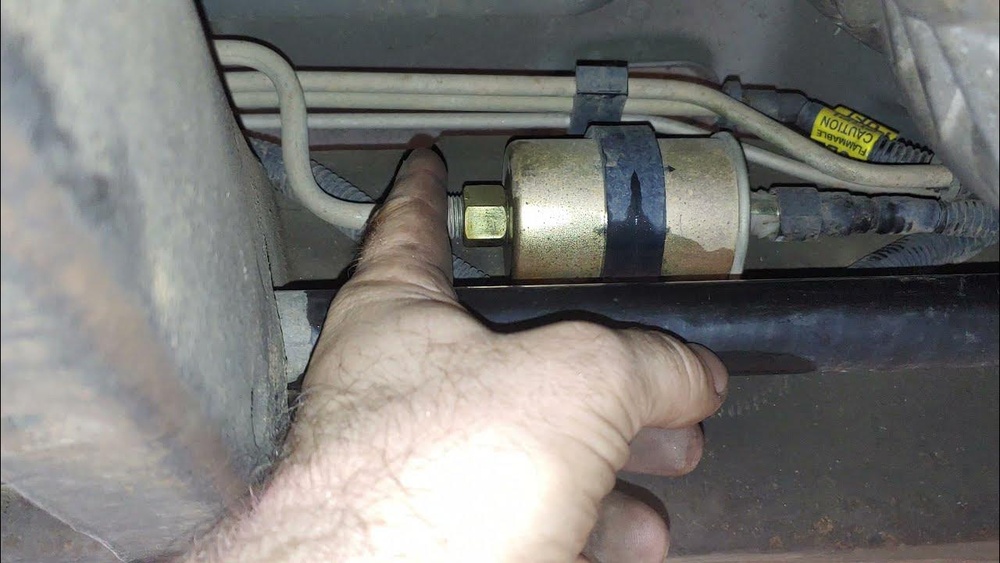
The fuel filter can be found near the fuel tank or engine. Its position depends on the car model. Some cars have filters inside the fuel tank. Others have them along the fuel line.
Why Is A Fuel Filter Important?
A dirty fuel filter can cause engine problems. It may reduce fuel efficiency and power. The engine might misfire or stall. Regular filter checks keep the engine safe and strong.
Common Fuel Filter Problems
Fuel filters keep your engine clean by blocking dirt and debris. Over time, these filters can fail. This causes issues that affect your car’s performance. Recognizing common fuel filter problems helps you fix them early. It also prevents bigger engine troubles and saves money.
Clogged Fuel Filter
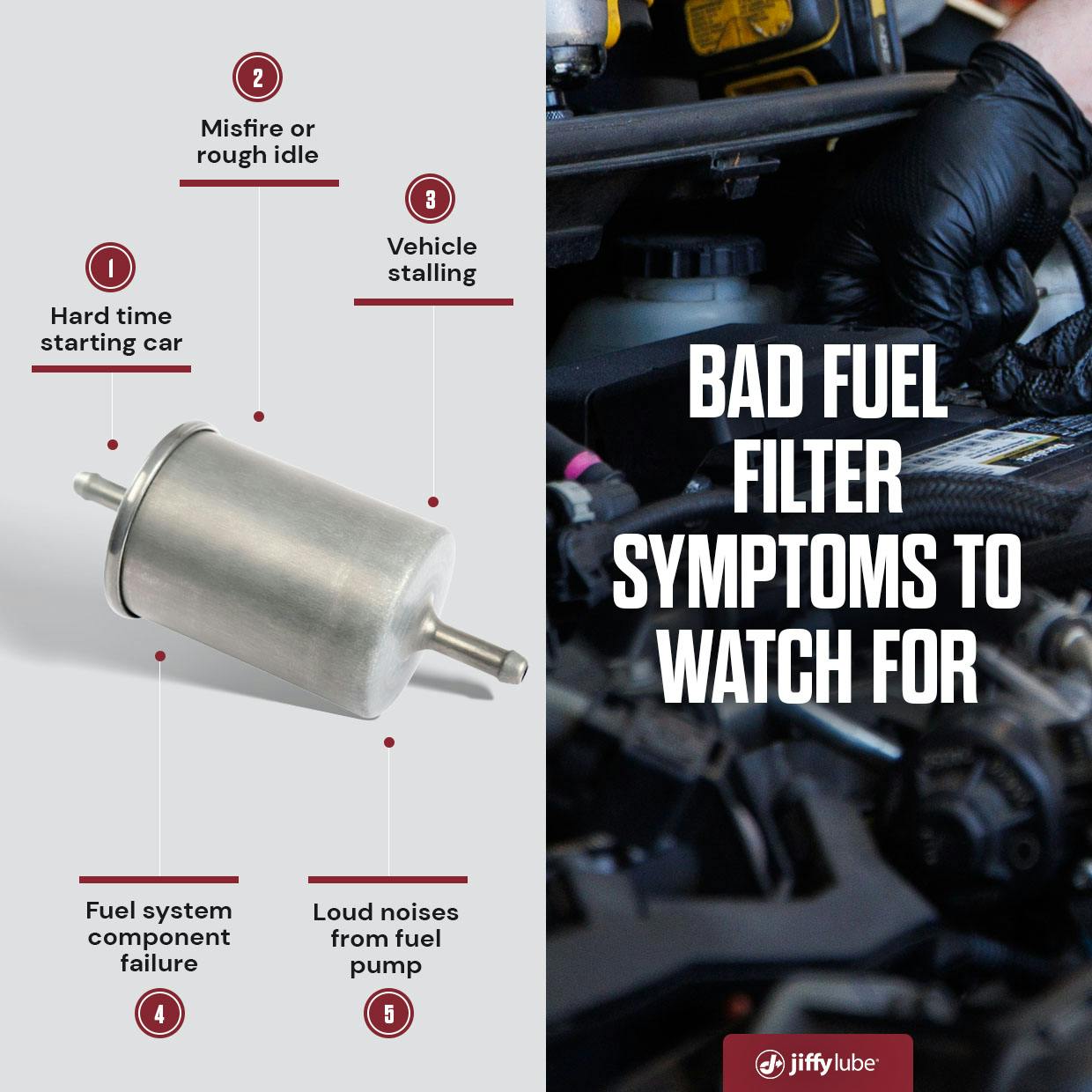
A clogged fuel filter stops fuel from flowing properly. Dirt builds up inside the filter. This reduces fuel flow to the engine. The engine may run rough or stall. You might notice a loss of power during acceleration.
Engine Misfires
A bad fuel filter can cause engine misfires. The engine gets less fuel than it needs. This causes uneven running or shaking. You may feel jerks while driving. Misfires also increase fuel consumption and emissions.
Hard Starting
Starting the engine becomes difficult with a bad fuel filter. The fuel flow is too low for ignition. The engine may crank longer than usual. Sometimes, it won’t start at all. This problem worsens as the filter clogs more.
Poor Fuel Economy
A dirty fuel filter can lower your fuel efficiency. The engine works harder to get enough fuel. This wastes gas and reduces miles per gallon. You spend more money on fuel. It also causes extra wear on the engine.
Engine Performance Issues
Engine performance issues often signal a bad fuel filter. The filter cleans dirt and debris from the fuel before it reaches the engine. A clogged or dirty filter blocks fuel flow. This causes the engine to run poorly. You may notice less power and strange engine behavior. These signs help identify fuel filter problems early.
Reduced Power And Acceleration
A bad fuel filter limits fuel supply to the engine. This causes reduced power during driving. The car may feel weak or slow. Acceleration becomes sluggish, especially when going uphill or carrying heavy loads. The engine struggles to get enough fuel. This makes the vehicle less responsive and harder to drive.
Engine Misfires And Stalling
Fuel blockage can cause the engine to misfire. Misfires occur when fuel does not burn smoothly. You might hear popping sounds or notice shaking. Stalling happens when the engine stops suddenly. This can occur during idle or while driving. Both issues point to fuel delivery problems, often caused by a bad fuel filter.

Credit: www.youtube.com
Starting Difficulties
Starting your car should be easy. But a bad fuel filter can cause serious starting difficulties. The fuel filter cleans dirt and debris from the fuel. When it gets clogged, fuel flow slows down. This makes it hard for the engine to start.
Bad fuel filters block the fuel. This means the engine does not get enough fuel to start. You may hear the engine cranking for a long time. Or it might not start at all. These are signs the fuel filter might be bad.
Engine Cranks But Won’t Start
The engine turns over but does not start. This happens because the clogged filter stops fuel flow. The engine needs fuel to ignite. Without enough fuel, it cannot start. This problem often points to a dirty fuel filter.
Longer Cranking Time
The engine takes longer to start than usual. A blocked fuel filter reduces fuel flow. The engine struggles to get the fuel it needs. This causes slow starting and longer cranking times. Watch for this symptom if your fuel filter is old.
Multiple Start Attempts
You may need to try starting your car more than once. A bad fuel filter makes fuel delivery uneven. This causes the engine to fail starting on the first try. Repeated attempts can drain your battery and waste fuel.
Fuel Odor And Leaks
Fuel odor and leaks are clear signs that something might be wrong with your vehicle’s fuel system. A bad fuel filter can cause these problems. The fuel filter stops dirt and debris from entering the engine. When it fails, fuel can leak or produce a strong smell. Detecting these signs early helps avoid bigger issues and costly repairs.
Recognizing The Smell Of Fuel
A strong fuel smell near your car is a warning. It may mean the fuel filter is clogged or damaged. Fuel leaks can cause this odor. Notice if the smell gets worse after driving. Fuel vapor is dangerous and needs quick attention.
Spotting Visible Fuel Leaks
Check under your car for wet spots or stains. Fuel leaks often appear as dark, shiny patches. Look around the fuel filter area closely. Leaks can drip fuel onto the ground or engine parts. Do not ignore any signs of leaking fuel.
Understanding The Risks Of Fuel Leaks
Fuel leaks are a fire hazard. Gasoline is highly flammable and can ignite easily. Leaks can also harm the environment. Fuel waste means your car uses more gas than usual. Fixing leaks quickly keeps you safe and saves money.
Check Engine Light Indicators
The check engine light is a key sign of car troubles. It can show up for many reasons. One reason could be a bad fuel filter. This light helps you know when your car needs care. Ignoring it can cause bigger problems.
The fuel filter cleans the fuel before it reaches the engine. Dirt or debris can block it. When blocked, fuel flow reduces. This affects engine performance and can trigger the check engine light.
What Does The Check Engine Light Mean?
The check engine light is a warning. It means the car’s computer found a problem. The problem might be with the fuel system. A bad fuel filter can cause fuel pressure issues. This triggers the light.
How To Read The Check Engine Light Codes
Use an OBD-II scanner to read the codes. These codes explain the problem. Codes related to fuel system issues may point to the fuel filter. This tool helps identify if the fuel filter is bad.
Common Symptoms Linked To The Check Engine Light
The check engine light may flash or stay on. Flashing means a serious problem. You might notice rough idling or engine stalling. These symptoms often relate to fuel delivery issues caused by a clogged filter.
Poor Fuel Efficiency
Poor fuel efficiency is a common sign of a bad fuel filter. A clogged or dirty fuel filter can block fuel flow. This makes the engine work harder to get fuel.
When the engine does not get enough fuel, it burns more fuel to keep running. This leads to lower miles per gallon and more frequent trips to the gas station.
Poor Engine Performance
A bad fuel filter can cause the engine to run rough or stall. The engine may hesitate during acceleration or feel weak. These problems reduce fuel efficiency by wasting fuel.
Increased Fuel Consumption
Fuel filters that are blocked cause fuel to be wasted. The engine may use more fuel to maintain speed. This results in higher fuel costs and less distance per tank.
Check Fuel Filter For Damage
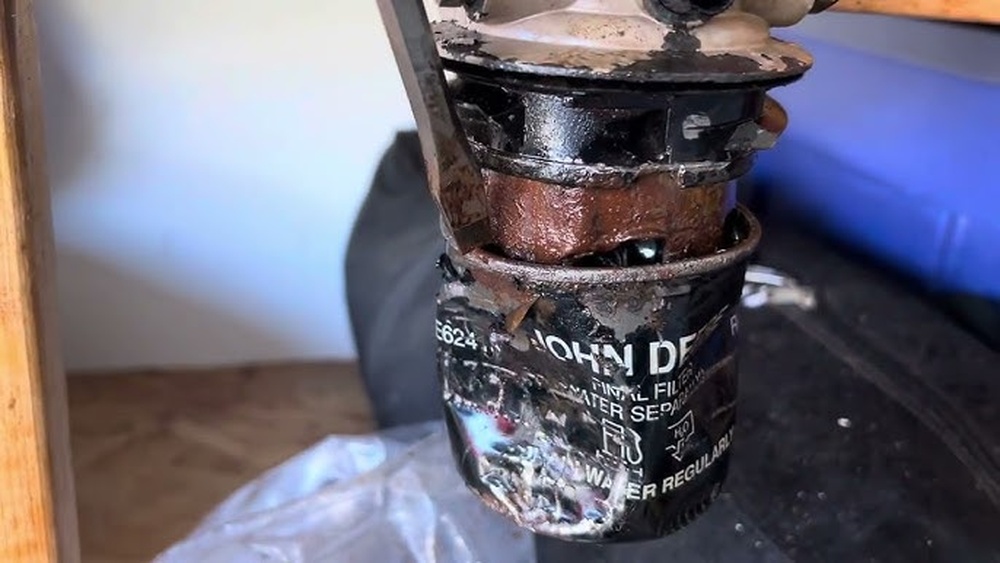
Inspect the fuel filter for dirt, rust, or cracks. A damaged filter cannot clean fuel properly. Replace it to improve fuel flow and efficiency.
Regular Maintenance Helps
Changing the fuel filter regularly keeps fuel flowing smoothly. This prevents fuel waste and keeps engine performance strong. Follow your vehicle’s service schedule for best results.
Credit: www.jiffylube.com
Noise From The Fuel Pump
Strange noises from the fuel pump can signal a bad fuel filter. A clogged filter makes the pump work harder, causing unusual sounds. This noise often means the filter needs checking or replacing soon.
What Causes Noise From The Fuel Pump?
The fuel pump normally runs quietly inside the fuel tank. A bad fuel filter can make the pump work harder. This extra strain causes unusual sounds. You might hear a whining or buzzing noise. This noise grows louder as the filter clogs more.
How To Recognize Fuel Pump Noise
Listen closely near the rear of your car. The fuel pump is often under or near the back seat. A healthy pump hums softly. A bad filter makes the pump sound louder and more high-pitched. The noise may come and go with the engine speed.
Why Noise Means Trouble
The fuel pump uses power to push fuel through the filter. A clogged filter blocks this flow. The pump strains to push fuel through the blockage. This strain causes the noise and can lead to pump failure. Early noise detection can save you from costly repairs.
Regular Maintenance And Replacement
Regular maintenance and replacement keep the fuel system working well. A clean fuel filter stops dirt and debris from reaching the engine. Over time, the filter clogs. This reduces fuel flow and lowers engine performance. Checking and changing the fuel filter helps avoid bigger problems.
Ignoring the fuel filter can cause poor engine starts and stalling. Regular service keeps your vehicle smooth and saves money on repairs. Understanding when to replace the filter is key to good car care.
Signs You Need To Replace The Fuel Filter
Watch for slow engine start and rough idling. These are common signs of a bad fuel filter. The engine may hesitate or lose power during acceleration. Fuel smells inside the car can also indicate a clogged filter. Timely replacement fixes these issues fast.
How Often To Replace The Fuel Filter
Car makers suggest changing the fuel filter every 20,000 to 40,000 miles. Check your vehicle’s manual for exact guidance. Driving in dusty areas or bad conditions may need more frequent changes. Staying on schedule prevents fuel system damage and keeps the engine healthy.
Steps For Fuel Filter Replacement
First, relieve the fuel system pressure. Next, disconnect the old filter carefully. Install the new filter in the correct direction. Tighten all fittings and check for leaks. Start the engine and watch for smooth running. Simple steps protect your engine and extend vehicle life.

Credit: oilchangers.com
Frequently Asked Questions
How Do I Know If My Fuel Filter Is Clogged?
A clogged fuel filter causes engine hesitation, poor acceleration, and stalling. Check for difficulty starting and reduced fuel efficiency. These symptoms often indicate restricted fuel flow needing filter replacement.
What Are Common Signs Of A Bad Fuel Filter?
Common signs include engine misfires, rough idling, and loss of power. You may also notice sputtering and unusual noises. These signs suggest the fuel filter is dirty or failing.
How Often Should I Replace My Fuel Filter?
Typically, replace the fuel filter every 20,000 to 30,000 miles. Check your vehicle’s manual for exact intervals. Regular replacement prevents fuel flow issues and engine damage.
Can A Bad Fuel Filter Cause Engine Problems?
Yes, a bad fuel filter can cause engine stalling and poor performance. It restricts fuel flow, leading to misfires and rough running. Timely replacement avoids costly repairs.
Conclusion
A bad fuel filter can cause many car problems. You might notice engine trouble or poor fuel flow. Regular checks help catch issues early. Clean fuel keeps your engine running smooth. Don’t wait for signs to get worse. Changing the fuel filter is simple and saves money.
Pay attention to your car’s performance. A small fix can avoid big repairs later. Keep your vehicle healthy by watching fuel filter health closely.