

If your engine is acting up or losing power, the problem might be closer than you think—right inside your fuel system. A clogged fuel filter can choke your engine’s performance and even cause costly repairs.
But here’s the good news: cleaning your fuel filter is easier than you imagine. In this guide, you’ll learn simple, step-by-step tips to get your fuel filter clean and your vehicle running smoothly again. Stick with me, and you’ll save time, money, and avoid frustration on the road.
Ready to take control of your car’s health? Let’s dive in.

Credit: www.youtube.com
Fuel Filter Basics
A fuel filter plays a key role in keeping your engine clean. It stops dirt, rust, and other particles from entering the fuel system. Clean fuel means better engine performance and longer life. Understanding the basics of a fuel filter helps you maintain your vehicle properly.
Purpose And Importance
The fuel filter cleans the fuel before it reaches the engine. It catches harmful particles that can damage engine parts. A clean filter helps the engine run smoothly and saves fuel. Without it, dirt can clog the fuel injectors and cause poor engine performance. Regular care of the fuel filter keeps your vehicle reliable.
Signs Of A Clogged Filter
A clogged fuel filter limits fuel flow to the engine. This causes the engine to stall or hesitate when you drive. You may notice a drop in power or slower acceleration. The engine might also have trouble starting. Strange noises or rough idling can be warning signs. Spotting these signs early helps prevent costly repairs.
Credit: motor.onehowto.com
Tools And Materials Needed
Cleaning a fuel filter requires specific tools and materials. Having the right items ready makes the task easier and safer. This section lists what you need to prepare before starting.
Essential Tools
A wrench set is necessary to remove and tighten bolts. Screwdrivers help to open clamps or covers. A clean container catches fuel that drains from the filter. A replacement fuel filter is often needed after cleaning. Rags or paper towels assist in wiping spills and dirt. A small brush can clean the filter housing gently. A flashlight improves visibility in tight or dark spaces.
Safety Gear
Wear safety goggles to protect your eyes from fuel splashes. Gloves keep your hands safe from chemicals and dirt. Use a mask to avoid inhaling fumes. Work in a well-ventilated area to reduce harmful vapors. Keep a fire extinguisher nearby as a precaution. Dress in old clothes that cover your skin fully. Safety is important to prevent accidents and injuries.
Preparing Your Vehicle
Preparing your vehicle is the first step in cleaning a fuel filter. It helps you work safely and efficiently. Taking time to get ready prevents mistakes and protects your car’s engine. Follow simple steps to prepare your vehicle before starting the cleaning process.
Locating The Fuel Filter
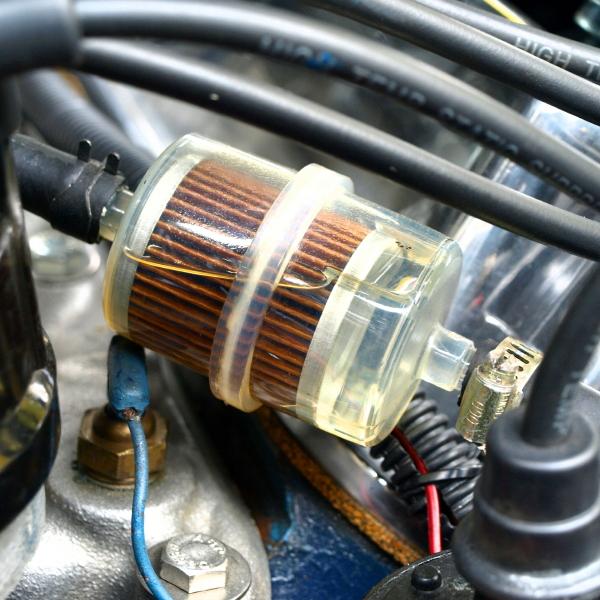
Find the fuel filter before beginning any work. Most cars have the fuel filter near the fuel tank or engine. Check under the car or inside the engine bay. Look for a small, cylindrical part connected to fuel lines. Your car’s manual can help you locate it quickly.
Ensuring Safety Precautions
Safety is important when working with fuel. Start by turning off the engine and letting it cool. Disconnect the battery to avoid sparks. Wear gloves and safety glasses to protect your skin and eyes. Work in a well-ventilated area to avoid inhaling fumes. Keep a fire extinguisher nearby, just in case.
Removing The Fuel Filter
Removing the fuel filter is a key step in cleaning it. This part helps keep dirt and debris out of the engine. Careful removal avoids spills and damage. Follow these simple steps to remove the fuel filter safely.
Relieving Fuel System Pressure
The fuel system holds pressure that can cause fuel spray. First, turn off the engine. Next, locate the fuel pump fuse or relay and remove it. Start the engine and let it run until it stops. This releases the pressure in the fuel lines.
Disconnecting Fuel Lines
Wear gloves and eye protection before handling fuel lines. Find the connectors on each side of the fuel filter. Use a wrench or special tool to loosen the fittings. Slowly disconnect the fuel lines to avoid fuel leaks. Keep a rag handy to catch any drips.
Taking Out The Filter
Check how the fuel filter is mounted. It may be held by clips or screws. Remove these carefully using the right tools. Gently pull out the old fuel filter. Avoid shaking it to prevent fuel spills. Place it on a rag or container for safe disposal.
Cleaning The Fuel Filter
Cleaning the fuel filter helps keep your engine running smoothly. Dirt and debris can block the filter. This stops fuel flow and lowers engine power. Regular cleaning removes these particles. It also helps the fuel system last longer.
The cleaning process is simple. It requires careful steps to avoid damage. Here is how to clean your fuel filter properly.
Using Cleaning Solutions
Start by removing the fuel filter from the vehicle. Use a container to catch any fuel that spills. Pour a special fuel filter cleaner into a small bowl. Avoid using harsh chemicals that can harm the filter.
Soak the fuel filter in the cleaning solution. Let it sit for about 15 minutes. This loosens dirt and grime inside the filter. Use a soft brush to gently scrub the surface. Do not apply too much pressure to avoid damage.
Drying And Inspecting
After cleaning, shake off excess liquid. Place the filter on a clean cloth. Let it air dry completely before reinstalling. Avoid using heat sources to speed drying.
Check the filter for cracks or damage. A damaged filter should be replaced, not cleaned. Look inside for any leftover dirt or debris. A clean, dry filter means your job is done.

Credit: www.wikihow.com
Reinstalling The Fuel Filter
Reinstalling the fuel filter is a crucial step after cleaning. It ensures your vehicle runs smoothly without fuel flow issues. Careful handling during this process prevents leaks and engine problems. Follow these steps to put the fuel filter back correctly and safely.
Proper Placement
Place the fuel filter in the same position as before. Align it with the fuel line direction. Most filters have an arrow showing fuel flow direction. Make sure the arrow points toward the engine. Secure the filter firmly in its bracket. Loose placement can cause fuel leaks or poor engine performance.
Reconnecting Fuel Lines
Attach the fuel lines carefully to the filter ends. Push the lines until they click or fit snugly. Use clamps or connectors if needed to hold lines tight. Avoid twisting or bending the fuel lines. Check that connections are secure to prevent leaks while driving.
Checking For Leaks
Turn the ignition on without starting the engine. This pressurizes the fuel system and reveals leaks. Look closely around the filter and connections. Tighten any loose clamps or fittings immediately. Repeat the check until no leaks appear. A leak-free filter means safe and efficient fuel flow.
Maintenance Tips
Proper maintenance keeps your fuel filter working well. It helps your engine run smoothly and saves repair costs. Knowing when and how to maintain the filter is key. Small steps make a big difference in vehicle health.
When To Clean Or Replace
Check your fuel filter every 12,000 to 15,000 miles. Signs of clogging include engine misfires, poor acceleration, and hard starts. Replace the filter if it looks dirty or damaged. Some filters can be cleaned, but many need full replacement.
Preventive Measures
Use clean fuel to protect the filter. Avoid filling gas tanks at dirty or unreliable stations. Change the filter regularly as part of routine vehicle care. Keep an eye on fuel system warning lights on your dashboard. Regular checks prevent costly breakdowns and keep your ride smooth.
Frequently Asked Questions
How Often Should I Clean My Fuel Filter?
You should clean your fuel filter every 20,000 to 30,000 miles. Regular cleaning prevents clogging and ensures optimal engine performance. Check your vehicle’s manual for specific intervals. If you notice reduced fuel efficiency or engine hesitation, clean the filter immediately to avoid damage.
What Tools Do I Need To Clean A Fuel Filter?
You need a wrench, screwdrivers, a container for fuel, and safety gloves. Some filters require special tools, so check your vehicle’s specifications. Always work in a well-ventilated area to avoid inhaling fumes. Proper tools make the cleaning process safe and efficient.
Can I Clean A Fuel Filter Myself Safely?
Yes, cleaning a fuel filter yourself is safe with proper precautions. Wear gloves and eye protection to avoid fuel contact. Work in a ventilated space and follow the vehicle’s manual instructions carefully. If unsure, consult a professional to prevent damage or injury.
What Are Signs Of A Dirty Fuel Filter?
Signs include engine misfires, poor acceleration, rough idling, and reduced fuel efficiency. A clogged filter restricts fuel flow, causing these issues. If your vehicle shows these symptoms, inspect and clean or replace the fuel filter promptly to maintain smooth engine operation.
Conclusion
Cleaning a fuel filter keeps your engine running smooth and strong. It stops dirt from reaching important parts. Regular care helps avoid costly repairs later. Take time to clean or replace the filter as needed. A clean fuel filter saves fuel and boosts performance.
Stay safe by following basic steps carefully. Keep your vehicle healthy with simple maintenance tasks. Small efforts now mean fewer problems down the road. Easy to do, worth the time. You’ll notice the difference in how your car drives.


