
Are you unsure about which fuel filter your L130 needs? Choosing the right fuel filter is crucial to keep your machine running smoothly and avoid costly repairs.
But with so many options out there, it’s easy to feel confused and overwhelmed. You’ll discover simple steps to identify the exact fuel filter for your L130. By the end, you’ll have the confidence to make the right choice and keep your equipment in top shape.
Keep reading—you don’t want to miss these essential tips!

Credit: www.amazon.com
Fuel Filter Basics
Understanding fuel filter basics helps you keep your L130 engine running smooth. The fuel filter cleans dirt and particles from the fuel before it reaches the engine. Clean fuel means better engine performance and longer life.
Role Of The Fuel Filter
The fuel filter stops dirt, rust, and debris from entering the engine. These particles can cause damage or block fuel flow. A clean filter ensures the engine gets the right amount of clean fuel. This helps the engine burn fuel efficiently and reduces wear.
Common Fuel Filter Types
There are different types of fuel filters. Paper filters are common and trap small particles well. Spin-on filters are easy to replace and often used in cars. Some engines use mesh filters that catch larger debris. Knowing your filter type helps you pick the right replacement for your L130.

Credit: mottogroupbuilders.com.au
Identifying L130 Fuel Filter
Identifying the right fuel filter for the L130 is important for engine health. The fuel filter keeps dirt and debris out of the fuel system. Using the wrong filter can cause engine problems. Knowing how to find the correct filter saves time and money. This guide helps you identify the L130 fuel filter clearly.
Checking Manufacturer Specifications
The first step is to check the L130’s manual. The manufacturer lists the exact fuel filter model needed. This information is usually in the maintenance section. It includes part numbers and filter types. Use this data to find the correct replacement. Manufacturer specs ensure you get a filter that fits perfectly.
Locating The Fuel Filter On L130
Next, find the fuel filter on your L130. It is often near the fuel tank or engine. The filter looks like a small canister or cartridge. Some models have a clear casing for easy inspection. Knowing its location helps with quick checks and changes. Always turn off the engine before inspecting the filter.
Signs Of Fuel Filter Issues
Fuel filters keep dirt and rust from reaching the engine. Over time, filters can get clogged. This causes problems with your vehicle’s fuel system. Knowing the signs of a bad fuel filter helps you act fast. It protects your engine and saves money on repairs.
Watch for changes in how your engine runs and how much fuel you use. These clues point to fuel filter issues. Catching them early keeps your car running smoothly.
Engine Performance Problems
A dirty fuel filter can cause rough idling and engine misfires. You might feel the engine hesitate when you press the gas. The car could stall or have trouble starting. These are signs fuel flow is blocked. The engine is not getting enough clean fuel to work well.
Fuel Efficiency Drops
Clogged fuel filters force the engine to work harder. This uses more fuel than usual. You will notice your car needs gas more often. Lower miles per gallon is a clear sign. Poor fuel flow reduces engine efficiency and wastes fuel.
Choosing The Right Replacement
Choosing the right replacement fuel filter for your L130 is important. The right filter keeps your engine clean and running smoothly. Using the wrong filter can cause damage or poor performance. You need to understand the difference between filter types and check compatibility carefully.
Oem Vs Aftermarket Filters
OEM filters come from the original equipment maker. They match the exact specifications of your L130. These filters fit perfectly and meet factory standards. Aftermarket filters are made by other companies. They often cost less but may vary in quality. Some aftermarket filters work well, but others might not last as long or fit as well. Choose based on your budget and trust in the brand.
Compatibility Considerations
Check your L130’s model number before buying. Not all fuel filters fit every engine. Look at size, shape, and connection type. The filter must handle the right fuel flow and pressure. Using an incompatible filter can block fuel or cause leaks. Always verify the filter matches your engine’s requirements. This step prevents future problems and keeps your L130 running efficiently.
Maintenance Tips
Proper maintenance keeps your fuel filter L130 working well. It helps your engine run smoothly. Clean fuel means better performance and fewer problems.
Following simple tips can save time and money. Regular checks protect your engine from dirt and damage. Knowing when and how to replace the filter is key.
When To Replace The Filter
Check your vehicle manual for the recommended interval. Usually, replace the filter every 12,000 to 15,000 miles. Signs like rough idling or poor acceleration mean it’s time. Dark or dirty fuel filter also shows replacement is needed. Don’t wait for engine problems to appear.
Safe Replacement Practices
Work in a well-ventilated area away from flames. Turn off the engine and let it cool down. Wear gloves and eye protection for safety. Relieve fuel system pressure before removing the filter. Use the right tools to avoid damage. Dispose of the old filter properly. Check for leaks after installing the new filter. Double-check that all connections are tight.
Troubleshooting Fuel Filter Problems
Troubleshooting fuel filter problems helps keep your engine running smoothly. A faulty fuel filter can cause poor engine performance. It can also lead to starting issues or stalling. Knowing how to spot and fix these problems saves time and money. This section explains common issues and how to handle them.
Common Installation Errors
Installing a fuel filter incorrectly causes many problems. One error is placing the filter backwards. Fuel flows in only one direction. The filter has arrows showing flow direction. Ignoring these arrows causes poor fuel flow and engine trouble.
Another mistake is not tightening the filter properly. A loose filter leaks fuel and air. This causes engine misfires and poor performance. Always use the right tools and follow the manual instructions.
Dealing With Clogs And Contaminants
Fuel filters trap dirt, rust, and other debris. Over time, these particles build up and clog the filter. A clogged filter reduces fuel flow and engine power. Signs include rough idling and hard starts.
Regular filter replacement keeps the fuel system clean. Use the correct filter type for your L130 model. If you notice clog symptoms, change the filter promptly. Using clean fuel also helps prevent clogs.
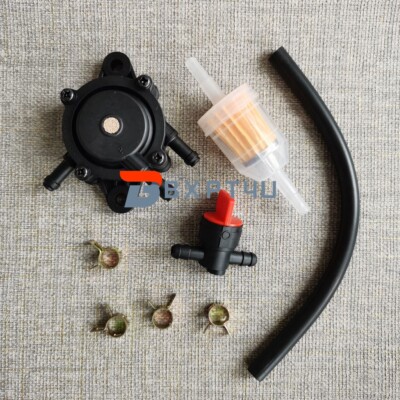
Credit: www.ebay.com
Frequently Asked Questions
What Type Of Fuel Filter Does L130 Require?
The L130 typically uses a specific fuel filter designed for its engine model. Refer to the owner’s manual or manufacturer guidelines for the exact filter type.
How Often Should I Replace The L130 Fuel Filter?
Replace the L130 fuel filter every 12 months or 12,000 miles, whichever comes first. Regular replacement ensures optimal engine performance.
Where Can I Find The L130 Fuel Filter Specifications?
Check the vehicle’s owner manual, manufacturer website, or authorized dealers for accurate L130 fuel filter specifications and part numbers.
What Are Signs Of A Clogged L130 Fuel Filter?
Symptoms include engine misfires, reduced power, and difficulty starting. These signs indicate the L130 fuel filter may need inspection or replacement.
Conclusion
Knowing the right fuel filter for your L130 keeps your engine clean. Check the model number and specs carefully. Use trusted parts that match your engine’s needs. Regular filter changes help avoid clogs and damage. Simple steps save you from costly repairs later.
Keep your L130 running smooth and strong. Clean fuel means better performance every time. Small effort, big difference. Stay informed and maintain your engine well.


