

Have you ever wondered how long it really takes to change a fuel filter? If you want to keep your vehicle running smoothly, understanding this simple maintenance task is key.
Knowing the time involved can help you plan better and avoid unexpected delays. You’ll discover exactly what to expect when changing your fuel filter—and why it’s easier and quicker than you might think. Keep reading to save time, protect your engine, and boost your confidence next time you tackle this job.
Fuel Filter Basics
A fuel filter keeps your car’s engine running smoothly. It stops dirt and rust from entering the fuel system. Clean fuel means better engine performance and longer vehicle life. Knowing the basics helps you understand why changing it on time matters.
Purpose Of A Fuel Filter
The fuel filter cleans the fuel before it reaches the engine. It traps dirt, dust, and rust particles. This prevents clogging in the fuel injectors and carburetor. A clean filter ensures proper fuel flow. It helps the engine run efficiently and saves fuel.
Types Of Fuel Filters
Fuel filters come in different styles. Some are inline filters located along the fuel line. Others are cartridge filters inside the fuel pump or tank. There are mechanical and paper-element types. Each type has the same job: to clean the fuel before it reaches the engine.
Signs Of A Clogged Fuel Filter
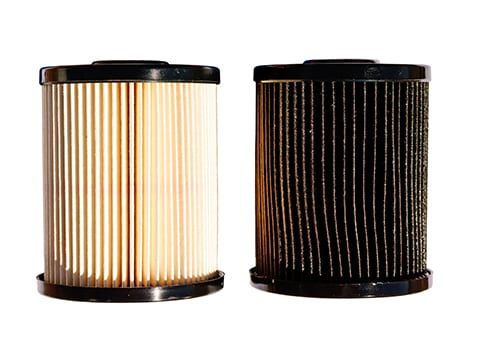
A clogged fuel filter can cause engine problems. The engine may stall or hesitate during acceleration. You might hear sputtering sounds or notice poor fuel economy. Starting the car could become difficult. These signs show the filter needs cleaning or replacement.
Tools And Materials Needed
Changing a fuel filter requires specific tools and materials. Having the right items ready makes the task easier and faster. It also helps avoid mistakes that can cause damage or injury.
Essential Tools
Start with basic hand tools like wrenches and screwdrivers. A socket set may be needed for some vehicles. Fuel line disconnect tools help remove the old filter safely. A container to catch fuel spills is useful. Clean rags will keep the area tidy.
Safety Equipment
Wear gloves to protect your hands from fuel and dirt. Safety glasses shield your eyes from splashes. Work in a well-ventilated area to avoid inhaling fumes. Keep a fire extinguisher nearby as a safety precaution. Avoid smoking or open flames near the work zone.
Choosing The Right Fuel Filter
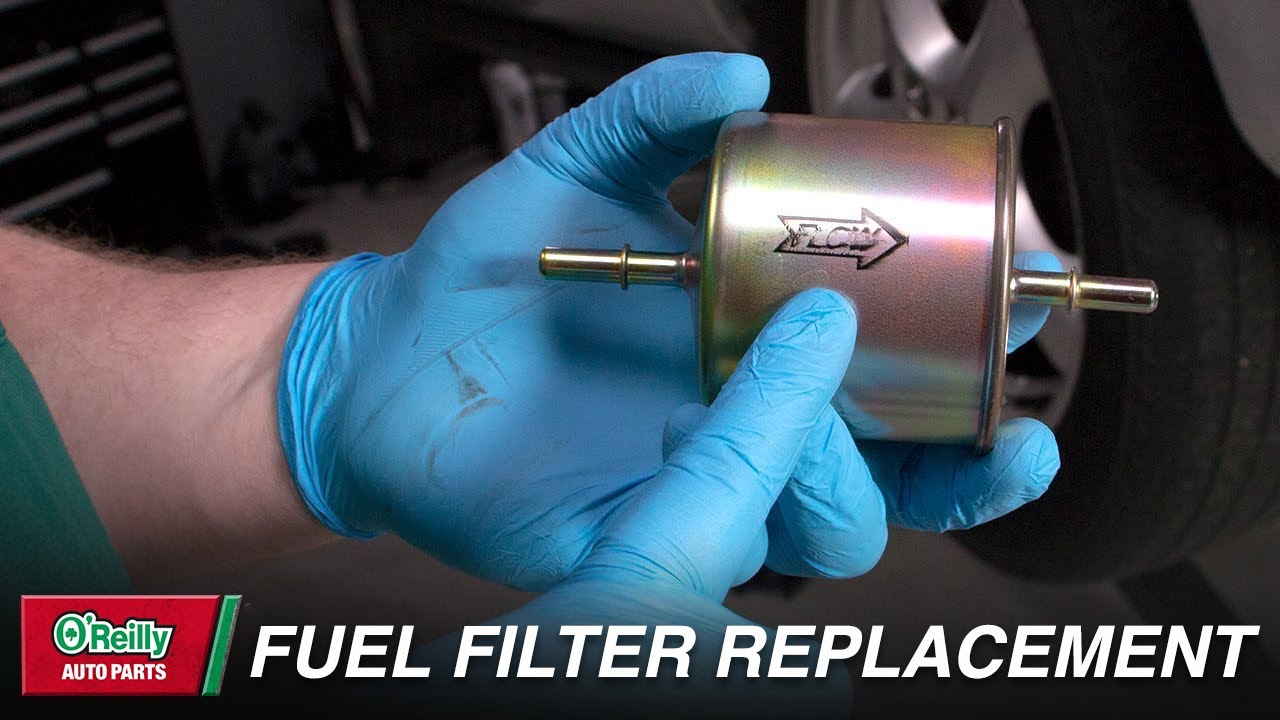
Check your vehicle’s manual to find the correct filter type. Filters vary by make, model, and engine size. Using the wrong filter can cause poor performance or damage. Buy filters from trusted brands for quality and reliability. Keep the new filter sealed until installation.
Step-by-step Replacement Process
Changing a fuel filter is a simple task that anyone can do with the right steps. This guide breaks down the process into easy parts. Follow each step carefully for a smooth replacement. Save time and avoid mistakes by preparing well.
Preparing Your Vehicle
Park your car on a flat surface. Turn off the engine. Let it cool down to avoid burns. Disconnect the negative battery cable. This stops sparks and accidents. Wear gloves and safety glasses for protection. Have a container ready for fuel spills.
Locating The Fuel Filter
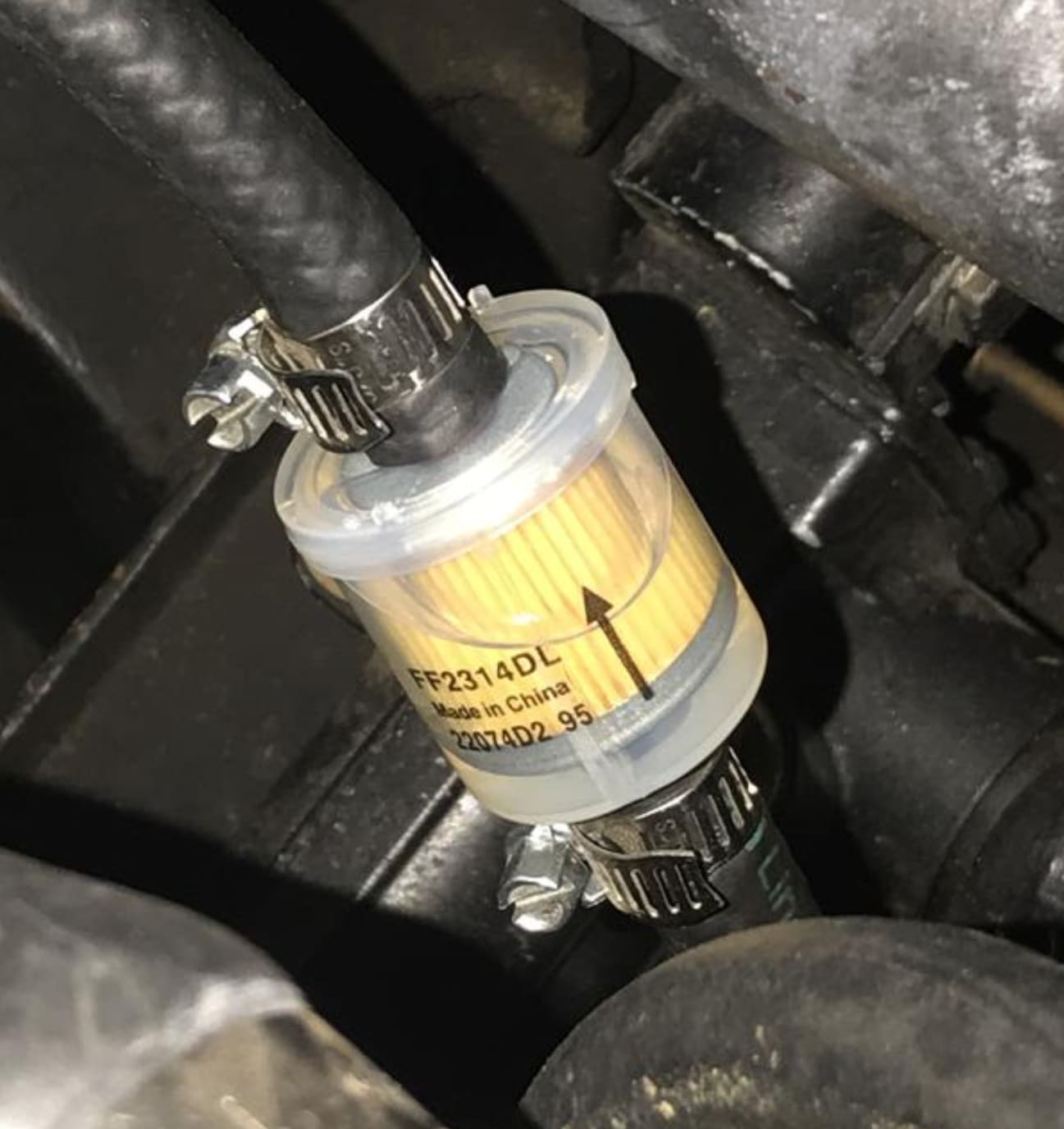
Check your vehicle manual for the filter’s location. Most filters sit along the fuel line. Look near the fuel tank or engine bay. The filter looks like a small cylinder. Make sure the area is clean before you start.
Removing The Old Filter
Release fuel system pressure by loosening the fuel cap. Use a wrench to remove the fuel lines from the filter. Be careful; some fuel may leak out. Remove any bolts holding the filter. Pull the old filter out gently. Dispose of it safely.
Installing The New Filter
Check the new filter for the correct flow direction. Slide it into place and secure bolts tightly. Reattach the fuel lines and tighten them well. Reconnect the negative battery cable. Start the engine and check for leaks. The job is done when the engine runs smoothly.
Credit: www.autozone.com
Time Estimates For Each Step
Changing a fuel filter involves several clear steps. Each step takes a different amount of time. Knowing these time estimates helps plan the task better. It also sets the right expectations for how long the job will take.
Preparation Time
Preparation includes gathering tools and safety gear. It also means locating the fuel filter in the vehicle. This step usually takes 10 to 15 minutes. Sometimes, it takes longer if the filter is hard to reach.
Filter Removal Time
Removing the old fuel filter can take 10 to 20 minutes. The time depends on the filter type and vehicle model. Some filters require loosening clamps or bolts. Others might need special tools to disconnect fuel lines.
Installation Time
Installing the new fuel filter usually takes 10 to 15 minutes. Make sure the filter fits correctly. Tighten clamps or bolts securely. Double-check connections to avoid leaks after installation.
Testing After Replacement
Testing ensures the new filter works well. This step takes 5 to 10 minutes. Start the engine and check for leaks. Listen for unusual sounds. Drive the vehicle briefly to confirm normal operation.
Tips For A Smooth Replacement
Changing a fuel filter can be quick and easy with the right tips. Preparation and care help avoid problems. Follow simple steps to make the process smooth. Keep tools ready and work in a safe area. Understanding common pitfalls saves time and effort.
Proper handling of the fuel system keeps your car running well. Knowing when to get expert help prevents damage. Use clear guidelines for the best results. This section shares key advice for a smooth fuel filter change.
Avoiding Common Mistakes
Turn off the engine before starting the job. Relieve fuel pressure to stop fuel leaks. Use the correct filter for your car model. Tighten fittings just enough to avoid leaks. Do not reuse old clamps or seals. Check the manual for special instructions. Work in a well-ventilated area to avoid fumes.
Maintaining Fuel System Health
Replace the fuel filter regularly based on mileage. Inspect fuel lines for cracks or wear. Keep the fuel tank clean and avoid dirt. Use quality fuel to protect the filter. Keep an eye on engine performance after replacement. Clean parts help the system last longer. Preventing clogs improves fuel flow and engine power.
When To Seek Professional Help
Call a mechanic if you see fuel leaks. Strange engine noises after replacement need checking. If unsure about the steps, ask for help. Problems with fuel pressure require expert tools. Avoid damage by trusting skilled professionals. Safety is key when handling fuel parts. Professionals ensure proper installation and system health.
Credit: www.waynesautocenter.com
Credit: www.youtube.com
Frequently Asked Questions
How Long Does It Take To Change A Fuel Filter?
Changing a fuel filter usually takes 30 to 60 minutes. Time depends on vehicle type and filter location. Experienced mechanics often finish faster. DIY may take longer due to tools and knowledge required.
How Often Should You Replace A Fuel Filter?
Fuel filters should be replaced every 20,000 to 40,000 miles. Check your vehicle’s manual for specific intervals. Regular replacement prevents engine issues and maintains fuel efficiency.
Can A Clogged Fuel Filter Cause Engine Problems?
Yes, a clogged fuel filter restricts fuel flow. This leads to engine misfires, stalling, and poor acceleration. Replacing the filter restores proper engine function and performance.
Is It Safe To Change A Fuel Filter Yourself?
Changing a fuel filter can be safe with proper tools and precautions. Always relieve fuel system pressure before starting. If unsure, consult a professional to avoid fuel leaks or injuries.
Conclusion
Changing a fuel filter usually takes about 30 to 60 minutes. It depends on the car model and your experience. Doing it yourself saves money and helps you understand your vehicle better. Clean fuel filters keep your engine running smoothly and improve fuel efficiency.
Regular changes prevent costly repairs later. Keep your car in good shape by checking the fuel filter often. A little time spent now can avoid big problems later. Simple steps, clear tools, and patience make the job easier. Ready to give it a try?


