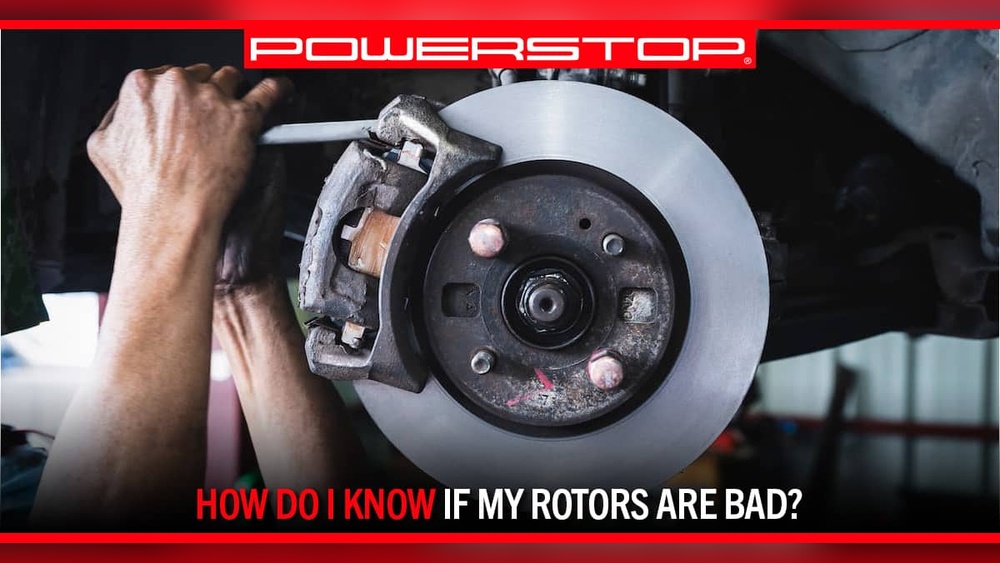
Your car’s brakes are one of the most important safety features you have. But how do you know if your brake pads or rotors are bad before they cause a serious problem?
If you’ve noticed strange noises, vibrations, or longer stopping distances, it’s time to pay attention. You’ll learn the simple signs that show when your brakes need a checkup or replacement. Keep reading to protect yourself, your passengers, and your vehicle from costly repairs and dangerous situations.
Signs Of Worn Brake Pads
Worn brake pads can cause safety problems. They reduce your vehicle’s ability to stop quickly. Recognizing the signs early helps avoid costly repairs and accidents. Pay attention to noises, feel, and visual checks. These signs show when brake pads need replacement.
Squealing Or Screeching Noise
A high-pitched squeal or screech often means brake pads are worn. This noise comes from a small metal indicator on the pads. It rubs against the rotor to alert you. Ignoring the sound can damage other brake parts.
Reduced Braking Performance
Your car takes longer to stop than before. Pressing the brake pedal feels less responsive. This happens because worn pads cannot grip the rotors well. Reduced braking power is a clear warning sign.
Brake Pad Thickness Check
Brake pads should have at least 3 millimeters of material. Less than that means they are too thin. You can check this by looking through the wheel spokes. Thin pads need replacement to keep braking safe.
Vibration When Braking
Feeling a vibration or pulsing in the brake pedal is a concern. This can happen if brake pads wear unevenly or rotors are damaged. Vibrations affect control and should be inspected quickly.
Indicators Of Damaged Rotors
Damaged rotors affect your vehicle’s braking power and safety. Recognizing the signs helps you act fast. Early detection prevents bigger problems and costly repairs. Watch for these clear indicators to know if rotors need attention.
Pulsating Brake Pedal
A brake pedal that pulses or vibrates during stopping signals rotor issues. Warped rotors cause uneven contact with brake pads. This unevenness creates a shaking feeling in the pedal. The vibration often increases with speed.
Visible Rotor Grooves Or Cracks
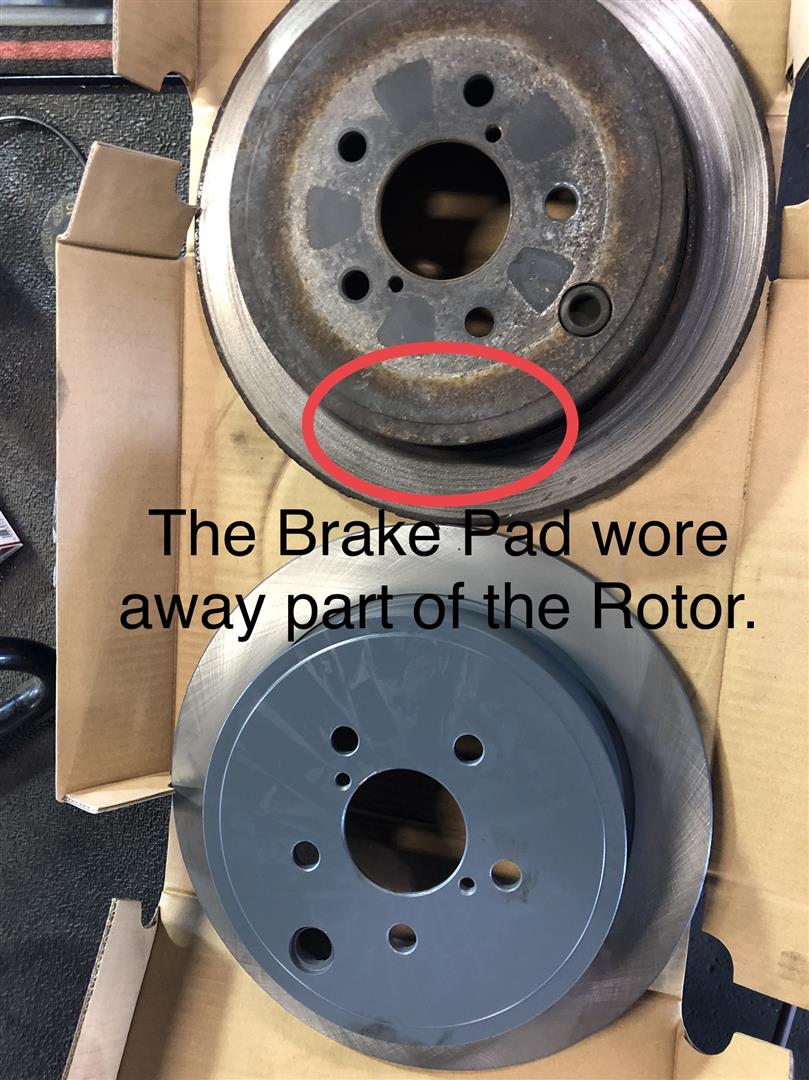
Check the rotor surface for grooves, ridges, or cracks. These marks show rotor wear or damage from heat and friction. Deep grooves reduce braking efficiency and can damage brake pads. Cracks are dangerous and need immediate replacement.
Burning Smell During Braking
A strong burning odor during braking may come from overheated rotors. Heat buildup damages the rotor and reduces braking power. The smell is a warning sign of rotor stress and possible failure. Stop driving and inspect your brakes.
Uneven Brake Pad Wear
Rotors in poor condition cause brake pads to wear unevenly. One pad may wear faster than the other. This uneven wear leads to poor braking and rotor damage. Regular inspection helps catch this problem early.
Common Causes Of Brake Wear
Brake pads and rotors wear out over time. Several common causes speed up this process. Knowing these causes helps keep your brakes safe and reliable. Understanding why brake parts wear out helps you spot problems early. It also helps plan timely maintenance to avoid bigger repairs.
Driving Habits Impact
Aggressive driving wears brakes faster. Hard stops and fast acceleration stress pads and rotors. Riding the brakes on long downhill drives causes heat buildup. Excessive heat can warp rotors and damage pads. Gentle braking and smooth driving extend brake life.
Environmental Factors
Road conditions affect brake wear. Driving in heavy traffic means more stopping and starting. Dust, dirt, and salt from roads cause corrosion. Moisture causes rust on rotors and metal parts. Cold weather can make brake materials brittle and less effective.
Quality Of Brake Components
Brake parts vary in quality and durability. Low-quality pads wear out quickly and unevenly. Cheap rotors may warp or crack under heat stress. High-quality components last longer and perform better. Investing in good parts saves money and improves safety.
Credit: www.ricksautoservice.org
When To Replace Brake Pads And Rotors
Knowing the right time to replace brake pads and rotors keeps your car safe and running well. Worn-out brake parts can cause noise, vibration, and longer stopping distances. Regular checks help avoid costly repairs and accidents. Understanding when to change these parts is key for every driver.
Mileage Guidelines
Brake pads usually last between 30,000 and 70,000 miles. Rotors often last longer but can wear out around 50,000 miles. These numbers depend on driving habits and road conditions. Check your car’s manual for specific recommendations. Don’t wait too long; replacing parts on time saves money.
Professional Inspection Tips
A mechanic can spot brake issues early. They measure pad thickness and rotor condition. Watch for signs like squealing or grinding sounds. Vibrations during braking also need attention. Regular professional checks keep brakes in good shape and improve safety.
Safety Considerations
Worn brake pads reduce stopping power. Thin pads or damaged rotors can cause brake failure. Always replace parts before they become dangerous. Brake problems increase accident risk. Prioritize safety by addressing brake issues immediately.
Preventive Maintenance Tips
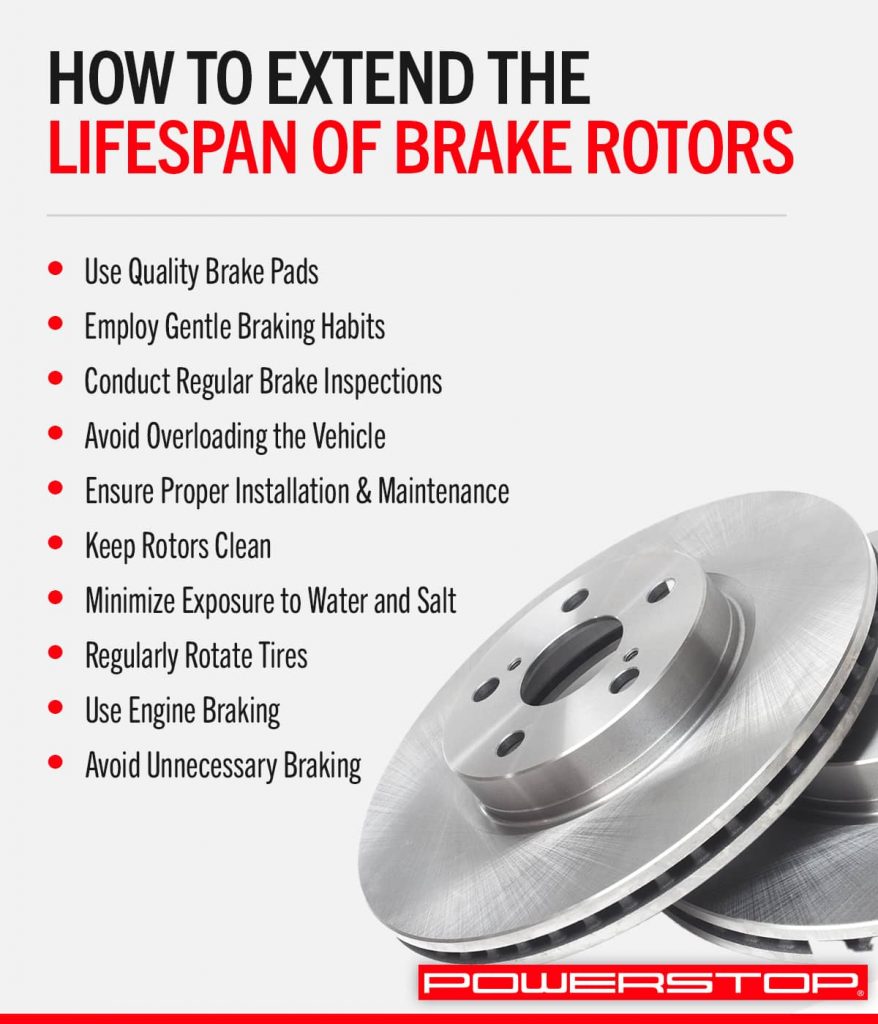
Preventive maintenance plays a key role in keeping brake pads and rotors in good condition. Early care helps avoid costly repairs and ensures safe driving. Simple steps can extend the life of your brakes and improve vehicle performance.
Regular Brake System Checks
Check your brake system often. Look for signs like unusual noises or vibrations. Inspect brake pads for thickness and wear. Rotors should be smooth, not scored or cracked. Regular checks catch problems before they get worse.
Proper Driving Techniques
Drive smoothly to reduce brake wear. Avoid sudden stops and hard braking. Use engine braking on downhill slopes. This lowers the stress on pads and rotors. Gentle driving helps your brakes last longer and work better.
Choosing Quality Parts
Select brake pads and rotors made from reliable materials. Cheap parts wear out quickly and can damage other components. Trusted brands offer better performance and durability. Quality parts ensure safer stops and fewer replacements.
Credit: www.powerstop.com

Credit: www.youtube.com
Frequently Asked Questions
How Can I Tell If Brake Pads Are Worn Out?
Brake pads are worn out if you hear squealing or grinding noises. Also, check for reduced braking performance or visible thinning of the pads.
What Are Common Signs Of Bad Brake Rotors?
Bad rotors cause vibrations or pulsations when braking. You may also see grooves, cracks, or rust on the rotor surface.
Can Bad Brake Pads Damage Rotors?
Yes, worn brake pads can damage rotors. Metal-to-metal contact causes grooves and reduces rotor lifespan, leading to costly repairs.
How Often Should Brake Pads And Rotors Be Inspected?
Brake pads and rotors should be inspected every 10,000 to 15,000 miles or during regular maintenance checks to ensure safety.
Conclusion
Knowing the signs of bad brake pads or rotors keeps you safe on the road. Strange noises, vibrations, or longer stopping times are clear warnings. Don’t ignore these signals; they mean your brakes need attention. Regular checks can catch problems early and save money.
Trust your senses and act quickly. Safe brakes mean safer drives. Keep your vehicle ready and avoid risks. Stay alert and protect yourself and others every time you drive.