Have you noticed strange noises or vibrations when you brake? Maybe your car isn’t stopping as smoothly as before.
These could be signs that it’s time to replace your brake rotors. But how do you know for sure? Understanding when your brake rotors need attention is key to keeping you and your loved ones safe on the road. You’ll discover clear, simple ways to spot the warning signs and know exactly when it’s time to act.
Don’t wait until a small problem becomes a big, costly repair—read on to protect your car and your peace of mind.

Credit: www.hawkperformance.com
Common Brake Rotor Issues
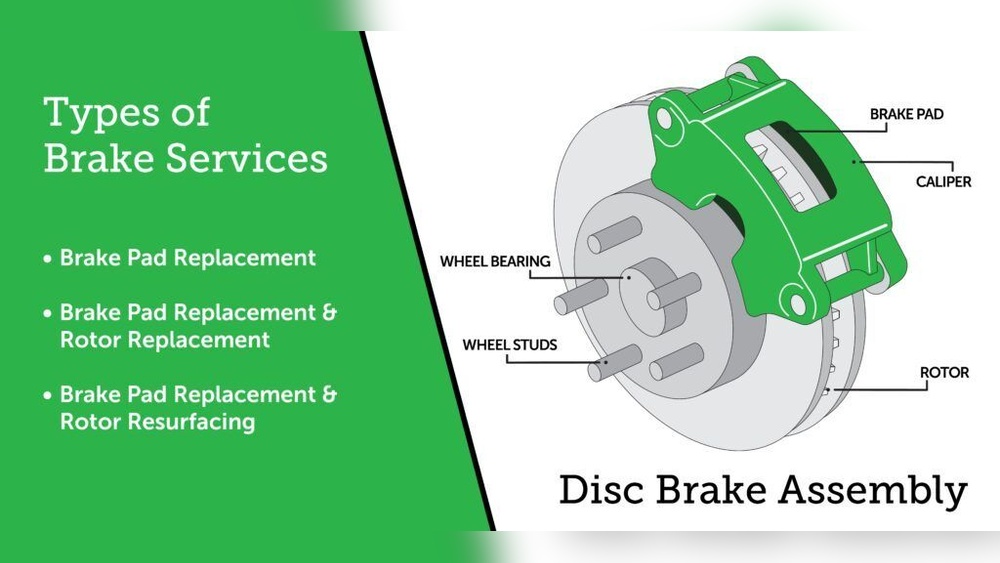
Brake rotors are a key part of your vehicle’s braking system. They work with brake pads to stop your car safely. Over time, rotors wear out or get damaged. This can reduce braking power and increase danger on the road. Knowing common rotor problems helps you decide when to replace them. Here are typical issues that affect brake rotors.
Warping And Vibration
Warped rotors cause vibration when braking. You may feel a shaking in the brake pedal or steering wheel. Heat from hard braking can make rotors bend or twist. Warping leads to uneven contact with brake pads. This reduces braking efficiency and comfort. Warped rotors need quick replacement to keep braking smooth.
Visible Cracks And Grooves
Cracks or deep grooves on rotor surfaces show damage. Cracks can form from extreme heat or stress. Grooves develop when brake pads press hard on worn rotors. These defects reduce rotor strength. They also increase brake noise and wear down pads faster. If you spot cracks or grooves, it is time to change rotors.
Excessive Thickness Loss
Rotors have a minimum thickness limit set by the manufacturer. Over time, friction wears down the rotor thickness. Thin rotors cannot absorb heat properly. This leads to poor braking and potential failure. Mechanics measure rotor thickness during inspections. Replace rotors if they are thinner than the safe limit.
Credit: www.reddit.com
Noise Indicators
Noise from your brakes can tell you a lot about their condition. Listening carefully helps spot problems early. Strange sounds often mean it’s time to check or replace brake rotors. These noises come from wear or damage to the rotors or pads. Paying attention to these sounds keeps your car safe and your brakes working well.
Squealing Or Screeching Sounds
Squealing or screeching sounds happen when brake pads wear down. The thin metal strip in pads rubs against the rotor. This noise warns you to replace the brake pads soon. Ignoring this sound can damage the rotors. The noise is sharp and high-pitched, easy to notice.
Grinding Noises While Braking
Grinding noises mean the brake pads are completely worn out. Metal parts of the brake rub directly on the rotors. This causes a rough, harsh sound. Grinding damages the rotors deeply and reduces braking power. Stop driving and check your brakes immediately if you hear grinding.
Performance Changes
Performance changes in your vehicle’s braking system often signal the need to replace brake rotors. These changes affect how well your car stops and feels when braking. Noticing these signs early can keep you safe on the road.
Longer Stopping Distances
Worn brake rotors can increase the distance your car takes to stop. You might press the brake pedal, but your car keeps moving further. This delay means the rotors are not gripping the brake pads properly. It is dangerous to ignore this change. Your safety depends on quick, reliable stops.
Pulsating Brake Pedal
A brake pedal that shakes or pulses when pressed often means the rotors are uneven. This unevenness causes vibrations felt through the pedal. It can make driving uncomfortable and unsafe. Smooth braking is important for control and confidence behind the wheel.
Credit: natesbrakes.com
Visual Inspection Tips
Visual inspection is a simple way to check your brake rotors. It helps you spot problems early. Regular checks keep your brakes safe and effective. You do not need special tools for a basic look. Just careful eyes and a little time.
Checking Rotor Surface Condition
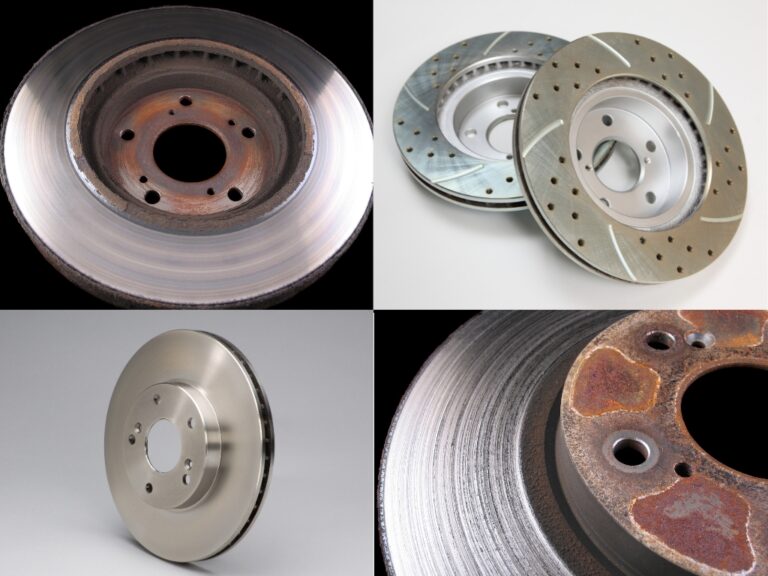
Look closely at the rotor surface. It should be smooth and clean. Deep grooves or cracks mean damage. Rust spots can cause rough braking. Uneven wear shows as shiny and dull patches. These signs suggest the rotors need attention or replacement.
Measuring Rotor Thickness
Rotors wear thin over time. Use a micrometer or rotor gauge to measure thickness. Check the minimum thickness marked on the rotor. If the rotor is thinner than this, replace it. Thin rotors can overheat and fail. Measuring ensures your brakes stay strong and safe.
When To Consult A Mechanic
Knowing when to call a mechanic for your brake rotors can save your car and your safety. Some problems need expert eyes and tools. Not all issues are easy to spot or fix by yourself. Trusting a professional helps avoid costly mistakes and keeps your brakes working well.
Signs Beyond Diy Checks
Some brake rotor problems are hard to see or feel. Warped rotors might cause a vibration that you cannot fix alone. Strange noises or burning smells need quick attention. If your brake pedal feels soft or sinks, it signals serious trouble. These signs mean a mechanic should inspect your rotors.
Professional Rotor Measurement
Mechanics use special tools to measure rotor thickness and surface. They check if rotors meet safety standards. Rotors that are too thin or uneven can fail quickly. A professional can also spot cracks or deep grooves. This precise check helps decide if rotors need replacing or resurfacing.
Preventive Maintenance
Preventive maintenance helps keep your brakes safe and working well. Regular care can stop big problems before they start. Knowing when to replace brake rotors saves money and avoids accidents. It also keeps your car’s braking system smooth and reliable.
Regular Brake System Checks
Check your brakes often to catch issues early. Look for noise, vibration, or pulling while braking. Inspect the brake pads and rotors visually for wear or damage. A small problem can turn into a big one without early checks. Regular checks help keep the rotors in good shape.
Rotors And Brake Pad Replacement Timing
Brake pads wear faster than rotors but both need attention. Replace pads every 20,000 to 50,000 miles, depending on driving. Rotors usually last longer but must be checked for thickness and warping. Replace rotors if they are too thin or cracked. Timely replacement keeps braking safe and effective.
Frequently Asked Questions
How Can I Tell If Brake Rotors Need Replacement?
Look for vibrations, squealing noises, or visible grooves on rotors. If braking feels uneven or the rotor thickness is below the minimum, replacement is necessary.
What Causes Brake Rotors To Wear Out Quickly?
Frequent hard braking, driving in hilly areas, or poor-quality brake pads can accelerate rotor wear. Regular maintenance helps extend rotor life.
How Often Should Brake Rotors Be Inspected?
Inspect brake rotors every 12,000 miles or during every brake pad change. Early inspection helps catch wear before safety is compromised.
Can I Replace Brake Rotors Myself Safely?
Yes, with proper tools and knowledge, rotor replacement is doable. However, if unsure, seek professional help to ensure safety.
Conclusion
Knowing when to replace brake rotors keeps you safe on the road. Listen for squealing or grinding sounds from your brakes. Check for vibrations or a pulsing brake pedal while driving. Thin or damaged rotors need quick attention to avoid bigger problems.
Regular brake inspections catch issues early and save money. Trust your senses and get help from a mechanic if unsure. Staying alert helps your brakes work their best and protects everyone. Don’t wait for trouble—act at the first signs of worn rotors.