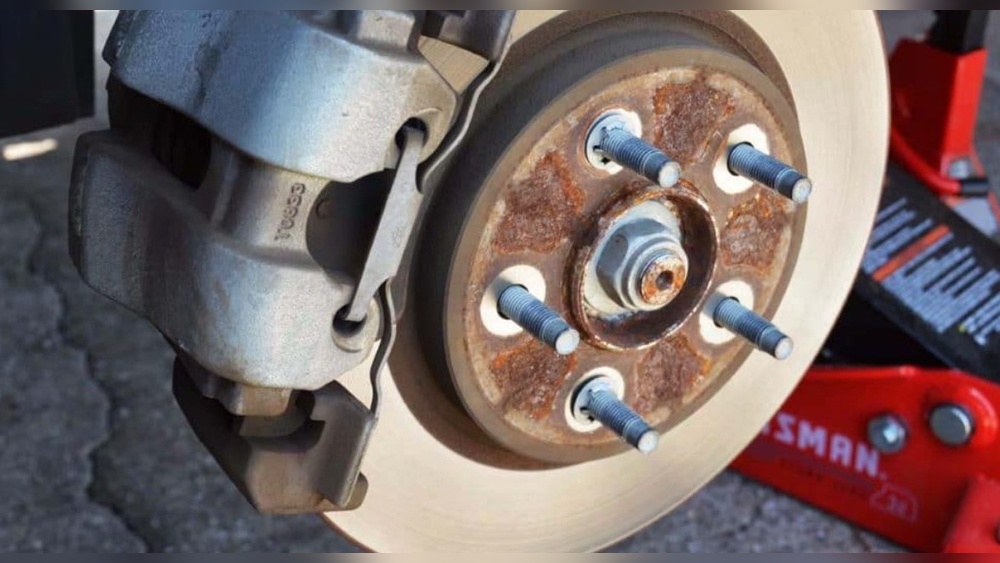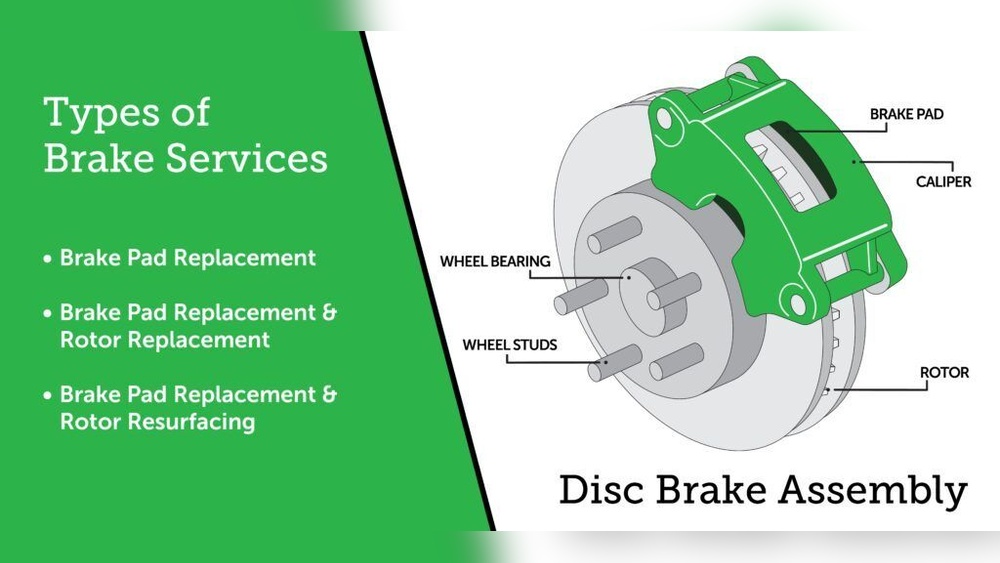
When was the last time you checked your brake pads and rotors? These parts might seem small, but they play a huge role in keeping you safe on the road.
Knowing how often to replace them isn’t just about maintenance—it’s about protecting yourself and your loved ones. If you wait too long, you risk costly repairs or even dangerous driving conditions. You’ll discover clear signs to watch for and simple tips to know exactly when it’s time to replace your brake pads and rotors.
Keep reading to stay safe and save money.
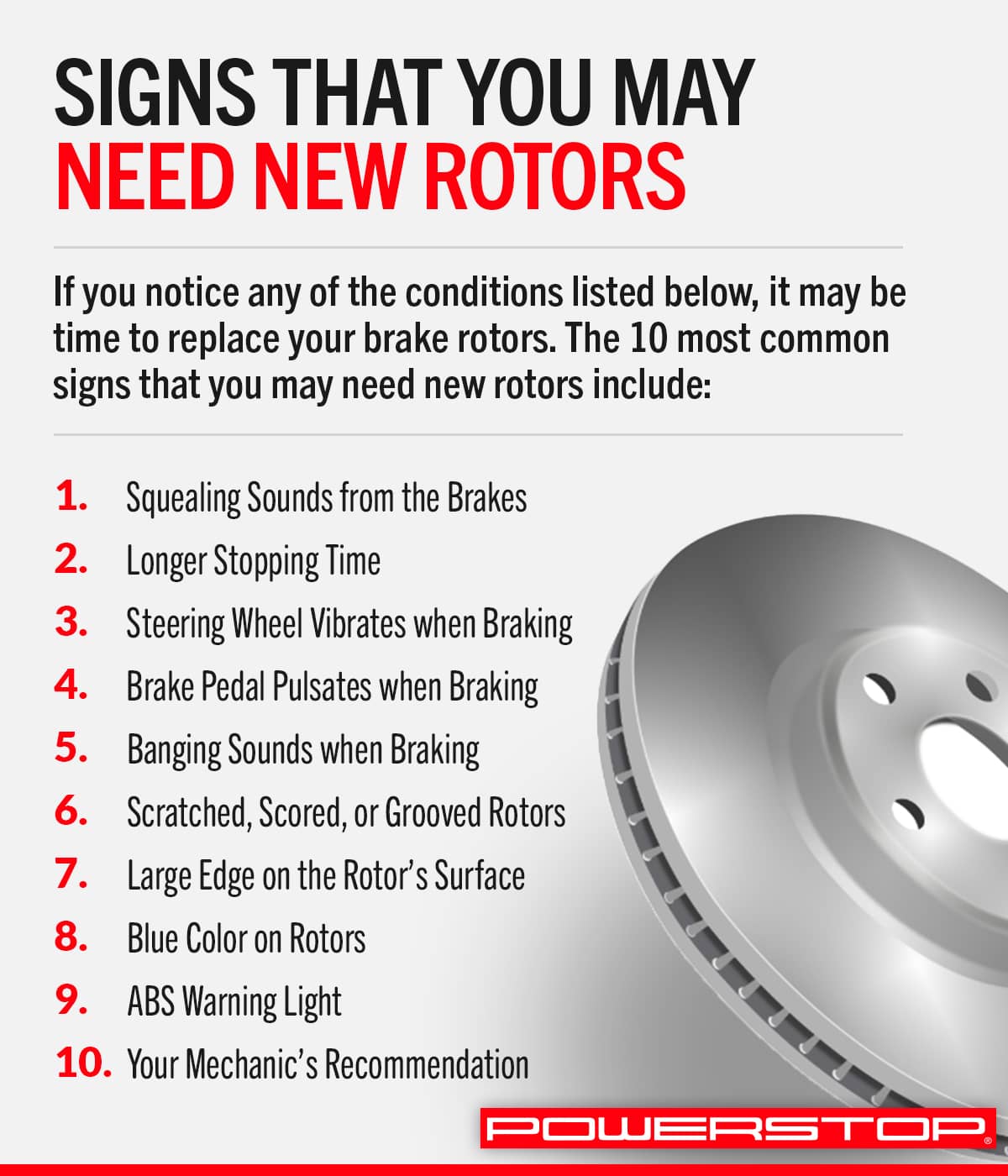
Credit: www.powerstop.com
Signs Brake Pads Need Replacement
Brake pads play a key role in keeping your car safe. Worn-out brake pads can cause accidents. Knowing the signs of brake pad wear helps you stay safe on the road. Pay close attention to sounds, performance, and visible signs.
Squeaking And Grinding Noises
Squeaking sounds often mean brake pads are thin. This noise comes from a small metal indicator. It warns you to replace the pads soon. Grinding noise is worse. It means the pads are gone. Metal parts touch the rotor. This can cause damage and needs fast repair.
Reduced Braking Performance
If your brakes feel weak or slow, pads might be worn. The car may take longer to stop. The brake pedal can feel soft or spongy. This reduces control and safety. Check your brakes regularly to avoid this problem.
Visible Wear Indicators
Some brake pads have small grooves or slots. When these wear down, it means pads are thin. You can see this by looking through the wheel spokes. If the pad looks less than a quarter inch thick, replace it. Don’t wait for noises or poor performance.

Credit: www.hawkperformance.com
When To Replace Rotors
Rotors play a key role in your vehicle’s braking system. They work with brake pads to stop your car safely. Knowing when to replace rotors keeps your brakes effective and your drives safe. Signs of rotor wear can show up in different ways. Watch for these key indicators to know when replacement is needed.
Warped Or Grooved Rotors
Rotors can warp from heat and pressure during braking. Warped rotors cause uneven contact with brake pads. Grooves may form due to worn pads or debris. Both issues reduce braking power and increase noise. Replace rotors that show deep grooves or warping to restore smooth braking.
Vibration During Braking
Feel a shake or vibration when you brake? This often means rotor problems. Warped rotors make the brake pedal pulse or shake. Vibrations reduce control and increase stopping distance. Check rotors if you notice this sensation during braking. Replace them to fix the issue and improve safety.
Minimum Thickness Requirements
Rotors wear down over time and get thinner. Each rotor has a minimum thickness limit set by manufacturers. Thin rotors cannot absorb heat well and may crack. Mechanics measure rotor thickness with special tools. Replace rotors that fall below the minimum thickness to avoid brake failure.
Typical Replacement Intervals
Knowing the typical replacement intervals for brake pads and rotors helps keep your car safe. These parts wear out over time and need checking. Regular maintenance avoids costly repairs and keeps your brakes working well. Below, learn about how long brake pads and rotors usually last and what can change their lifespan.
Brake Pad Lifespan
Brake pads usually last between 30,000 and 70,000 miles. Some pads wear faster, especially softer types. Harder pads last longer but may cause more rotor wear. It is best to check brake pads every 10,000 miles. Replace them if they are thinner than 3 millimeters. Worn pads reduce braking power and can damage rotors.
Rotor Lifespan Variations
Rotors last longer than brake pads, often 50,000 to 70,000 miles. Some rotors can last over 100,000 miles with careful use. Rotors wear unevenly and can warp from heat. Warped rotors cause vibration and noise when braking. Rotors should be checked during every brake service. Replace or resurface rotors if they are too thin or damaged.
Factors Affecting Wear
Driving style greatly affects brake wear. Frequent hard stops wear pads and rotors faster. City driving with many stops shortens their life. Highway driving is gentler on brake parts. Road conditions like hills and traffic also matter. Weather, such as rain or snow, can increase wear. Quality of brake parts impacts how long they last. Regular inspection helps catch wear early.
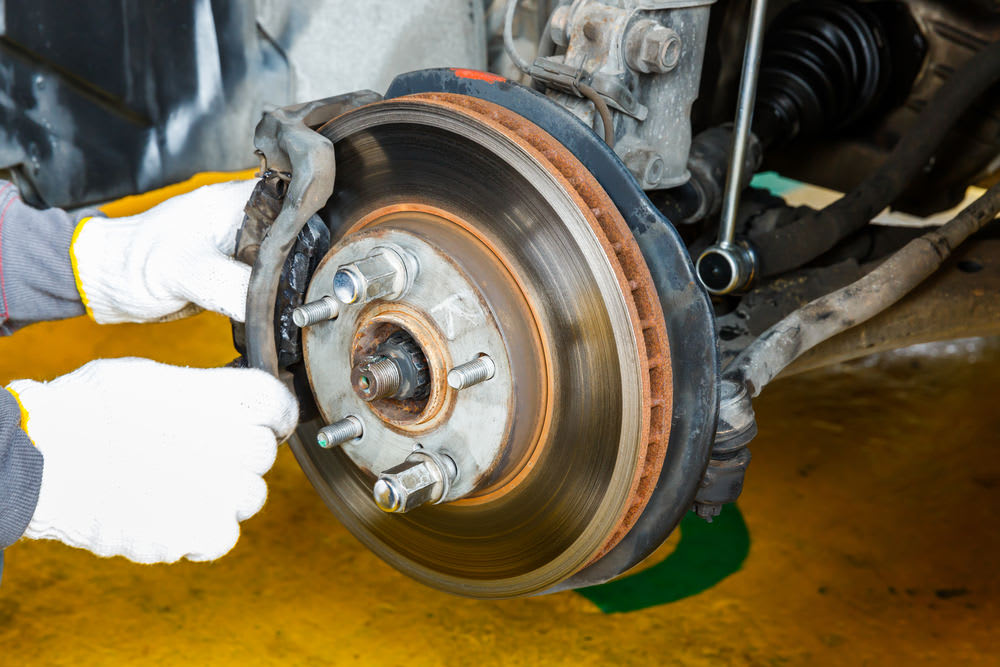
Credit: www.yourmechanic.com
Impact Of Driving Habits
Driving habits have a strong impact on how fast brake pads and rotors wear out. Different styles of driving can change the lifespan of these parts. Understanding this helps you know when to check or replace them. This knowledge keeps your car safe and running well.
City Vs Highway Driving
City driving means more stops and starts. Brakes work harder and wear faster in this setting. Frequent braking heats up pads and rotors quickly. Highway driving uses brakes less often. The parts last longer because there is less stopping.
Aggressive Braking Effects
Hard braking causes extra stress on brake parts. It wears down pads and rotors faster than gentle braking. Sudden stops create heat and friction. This can cause damage and shorten part life.
Load And Terrain Influence
Car weight affects brake wear. Heavier loads need more braking power. This wears pads and rotors faster. Driving on hills or rough roads also strains brakes. Uphill and downhill driving require more frequent braking. Rough surfaces increase friction and wear too.
Maintenance Tips To Extend Life
Brake pads and rotors wear down over time. Proper care can help them last longer. Simple maintenance steps keep your brakes working well. These tips save money and improve safety.
Regular Inspections
Check brake pads and rotors often. Look for signs of wear, like thinning pads or grooves on rotors. Early checks catch problems before they get worse. Inspect brakes every 10,000 miles or during oil changes.
Proper Brake Fluid Levels
Brake fluid moves pressure to your brakes. Low fluid can cause weak braking. Check the brake fluid level regularly. Fill it to the right mark using the correct fluid type. Change brake fluid every two years for best results.
Avoiding Overheating
Overheating damages brake parts fast. Avoid hard stops and long downhill braking. Use engine braking to slow down on slopes. Give brakes time to cool after heavy use. Cooler brakes last longer and work better.
Costs And Replacement Options
Brake pads and rotors wear out over time and need replacing. Costs vary widely based on parts and service choices. Understanding replacement options helps manage expenses and keep brakes safe.
Oem Vs Aftermarket Parts
OEM parts come from your vehicle’s manufacturer. They fit perfectly and meet original standards. Aftermarket parts are made by other companies. They often cost less but quality varies. Choose OEM for reliability. Aftermarket can save money but check reviews and warranties.
Diy Vs Professional Service
Replacing brake pads and rotors yourself saves labor costs. You need tools and some mechanical skills. Mistakes can be dangerous. Professionals have experience and tools for quick, safe work. They may spot other brake issues early. Weigh cost savings against safety and skill level.
Budgeting For Brake Maintenance
Plan brake maintenance costs in advance. Pads usually last 30,000 to 70,000 miles. Rotors last longer but may need resurfacing or replacing. Set aside money regularly for brake parts and service. Regular checks prevent costly repairs later. Good brakes protect you and your family.
Frequently Asked Questions
How Often Should Brake Pads Be Replaced?
Brake pads usually need replacement every 30,000 to 70,000 miles. However, driving habits and road conditions can affect this timing. Regular inspection helps detect wear early, ensuring safe braking performance and preventing rotor damage.
When Is It Time To Replace Brake Rotors?
Brake rotors should be replaced if they are warped, cracked, or below the minimum thickness. Typically, rotors last 50,000 to 70,000 miles, but heavy braking or poor maintenance may require earlier replacement.
Can You Replace Brake Pads Without Changing Rotors?
Yes, you can replace brake pads without changing rotors if the rotors are in good condition. However, worn or damaged rotors should be replaced to ensure optimal braking performance and safety.
What Are Signs Of Worn Brake Pads And Rotors?
Common signs include squeaking noises, reduced braking power, vibrations, and longer stopping distances. If you notice any of these, inspect your brake pads and rotors promptly to avoid accidents.
Conclusion
Brake pads and rotors wear out over time. Regular checks keep your car safe and smooth. Most brake pads last 30,000 to 70,000 miles. Rotors may need replacement every 50,000 miles or when damaged. Listen for squeaks or vibrations while driving.
These signs mean it’s time to inspect brakes. Timely replacement helps avoid costly repairs later. Stay on top of brake maintenance for safe driving. Simple care keeps your brakes working well longer. Don’t wait for serious problems to appear.