

You’ve got a beautiful waxed amaryllis, and now you want to keep it looking fresh and vibrant for as long as possible. But how do you care for this unique plant so it stays healthy and stunning?
If you’ve ever wondered about the best way to water, light, or even handle your waxed amaryllis, you’re in the right place. Keep reading to discover simple, effective tips that will help your plant thrive and brighten up your space day after day.
Choosing The Right Spot
Choosing the right spot for your waxed amaryllis is very important. This plant needs a place that meets its light and temperature needs. The right location helps the plant grow strong and bloom beautifully. Small changes in its spot can affect its health and flowers. Understanding where to place it can make a big difference.
Light Requirements
Waxed amaryllis loves bright, indirect light. It should not sit in direct sunlight. Too much sun can burn its leaves and flowers. A spot near a window with filtered light works well. If indoors, place it where it gets light but not harsh sun rays. Bright light helps the plant make food and bloom.
Temperature Preferences
This plant prefers moderate temperatures. Keep it away from cold drafts or hot air vents. The ideal range is between 60°F and 75°F (15°C to 24°C). Sudden temperature drops can harm the plant. Stable, mild temperatures help it stay healthy and bloom longer. Avoid placing it near heaters or air conditioners.
Watering Essentials
Watering is key to keeping your waxed amaryllis healthy. Proper water helps the plant grow strong leaves and flowers. Too much or too little water can harm it. Understanding how often and how much to water is important. Watch your plant closely to learn its needs.
Frequency And Amount
Water your waxed amaryllis once a week. Use enough water to moisten the soil. Avoid soaking the soil completely. Let the top inch of soil dry before watering again. In winter, reduce watering to every two weeks. Adjust watering based on the plant’s environment and temperature.
Signs Of Overwatering
Leaves turning yellow or soft means too much water. Soil that stays wet for days can cause root rot. Watch for wilting even when soil is wet. Mold or a bad smell from the soil also signals overwatering. Cut back on water and improve drainage if these signs appear.
Soil And Potting Tips
Proper soil and potting care keeps your waxed amaryllis healthy and vibrant. This plant needs the right soil and pot size to grow strong roots and beautiful flowers. Choosing suitable soil and knowing how to repot helps the plant thrive indoors.
Best Soil Types
Use well-draining soil to prevent root rot. A mix of potting soil and sand or perlite works well. Avoid heavy or clay soils that hold too much water. The soil should stay moist but not soggy. Good airflow around roots helps the plant breathe and grow.
Repotting Guidelines
Repot the waxed amaryllis every 2 to 3 years. Choose a pot slightly larger than the current one. Make sure the new pot has drainage holes. Gently remove the plant from its old pot. Loosen the roots a little before placing it in fresh soil. Water the plant after repotting to settle the soil.
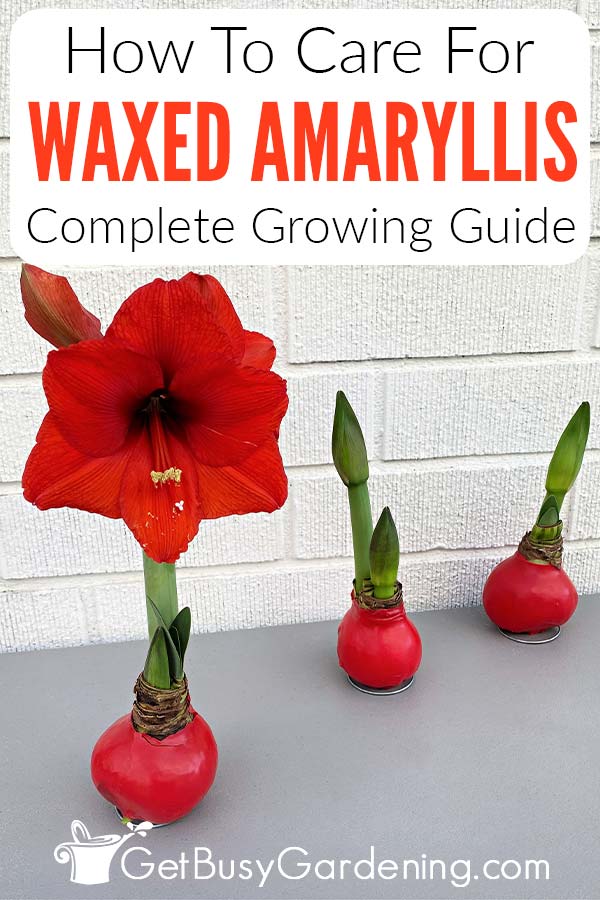
Credit: getbusygardening.com
Fertilizing Your Amaryllis
Fertilizing your waxed amaryllis helps it grow strong and bloom beautifully. Proper feeding gives the plant the nutrients it needs. It supports healthy leaves and vibrant flowers. Knowing the right time and type of fertilizer is important for good care.
When To Fertilize
Start fertilizing after the amaryllis has sprouted leaves. Feed every 2 to 4 weeks during the growing season. Stop fertilizing once the flowers fade. Avoid feeding when the plant is dormant. This helps prevent nutrient buildup and keeps the plant healthy.
Recommended Fertilizers
Use a balanced fertilizer with equal parts nitrogen, phosphorus, and potassium. A 10-10-10 or 20-20-20 formula works well. Liquid fertilizers are easy to apply and absorb fast. Slow-release pellets also provide steady nutrients over time. Avoid high nitrogen fertilizers to prevent weak stems.
Maintaining Bloom Health
Maintaining the health of your waxed amaryllis blooms keeps the plant vibrant. Healthy blooms last longer and look bright. Proper care helps the flower use energy well. This section focuses on key steps to keep your blooms strong and beautiful.
Deadheading Techniques
Remove faded flowers to help the plant focus on new growth. Cut the flower stem near the base, above the first leaf. Use clean scissors to prevent damage or disease. Deadheading stops the plant from wasting energy on old blooms. This simple step encourages fresh flowers to open faster.
Supporting Flower Stems
Waxed amaryllis flowers can be heavy and cause stems to bend. Use a small stake or support stick to hold the stem upright. Tie the stem gently with soft string or plant ties. Support prevents breakage and keeps the flower visible. Proper support helps blooms last longer and look their best.

Credit: www.jacksonandperkins.com
Managing Pests And Diseases
Managing pests and diseases is key to keeping your waxed amaryllis healthy. These plants can attract bugs and develop infections that harm their growth. Early care helps stop problems from getting worse.
Regular checks for signs of trouble make a big difference. Look closely at leaves and stems for any unusual spots or bugs. Clean plants stay strong and better resist pests and diseases.
Common Pests
Waxed amaryllis often face pests like aphids, spider mites, and mealybugs. Aphids are tiny green or black insects that suck plant juice. Spider mites are tiny, hard to see, and leave fine webbing. Mealybugs look like small cotton balls on leaves and stems.
These pests cause leaves to yellow and curl. They weaken the plant by taking essential nutrients. Watch for sticky residue or powdery substances on leaves. These signs mean pests might be present.
Preventative Measures
Keep your waxed amaryllis in clean pots and fresh soil. Avoid overwatering, which creates a damp environment for pests. Use a gentle spray of water to wash off bugs regularly. This method helps remove pests without chemicals.
Place plants where air circulates well to stop mold and mildew. Remove dead or damaged leaves quickly to prevent disease. Use natural insect sprays like neem oil if pests appear. Early action keeps your plant healthy and beautiful.
Post-bloom Care
After your waxed amaryllis finishes blooming, it still needs special care. This stage is important for the plant’s health. Proper post-bloom care helps the bulb grow strong for next year’s flowers. Follow simple steps to support your amaryllis during this time.
Encouraging Dormancy
Once flowers fade, cut off the flower stalk near the base. Leave the leaves alone. They feed the bulb by making food through sunlight. Keep watering the plant moderately. Give it bright, indirect light. Stop fertilizing the plant now. After 8 to 10 weeks, the leaves will yellow and die back naturally. This is a sign the plant is entering dormancy. Reduce watering during dormancy. Keep the bulb in a cool, dry place for about 2 to 3 months.
Preparing For Next Cycle
After dormancy, bring the bulb back to a warm spot. Start watering again to wake the bulb up. Move the plant to a bright window. Begin feeding with a balanced liquid fertilizer every two weeks. Repot the bulb if needed, using fresh soil. This helps the roots grow better. Soon, new growth will appear. Keep caring for the amaryllis to encourage blooming again.
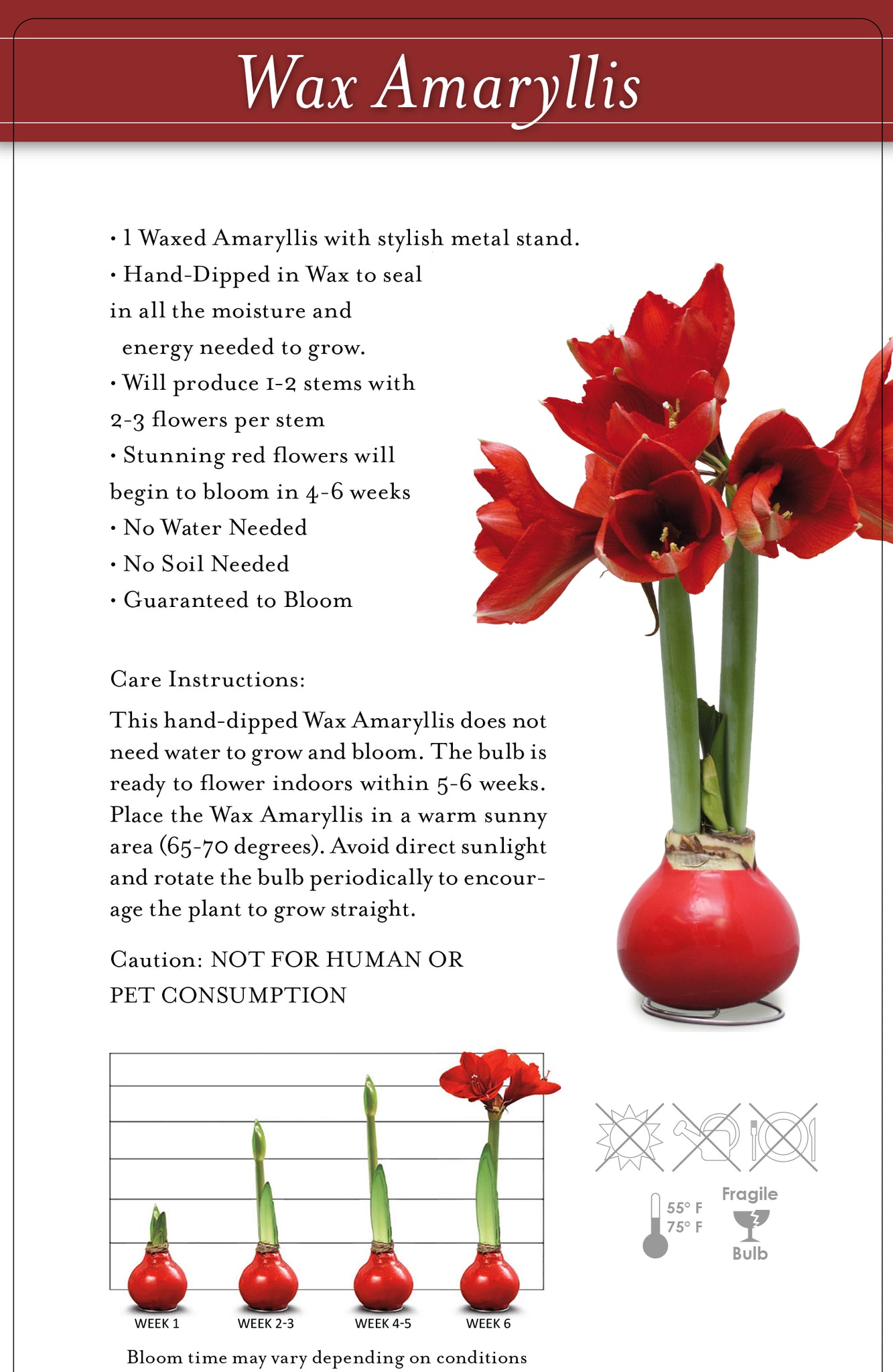
Credit: hollandbeauty.com
Frequently Asked Questions
How Often Should I Water A Waxed Amaryllis?
Water your waxed amaryllis sparingly, about once every 7-10 days. Ensure the soil is dry before watering to prevent root rot. Avoid overwatering to maintain the wax coating and keep the plant healthy.
What Lighting Conditions Suit A Waxed Amaryllis?
Place your waxed amaryllis in bright, indirect sunlight. Direct sunlight can damage the wax coating and cause leaf burn. A well-lit spot indoors or near a window is ideal for healthy growth.
Can I Fertilize My Waxed Amaryllis?
Yes, use a balanced, diluted liquid fertilizer once a month during the growing season. Avoid heavy feeding as it can harm the wax coating. Proper fertilization supports strong blooms and overall plant health.
How Do I Prevent Mold On A Waxed Amaryllis?
Ensure good air circulation and avoid excess moisture around the plant. Water the soil, not the leaves, and keep the plant in a dry, well-ventilated area. This helps prevent mold growth on the waxed surface.
Conclusion
Caring for a waxed amaryllis is simple and rewarding. Keep the plant in a bright spot but out of direct sunlight. Water it sparingly to avoid root rot. Remove any dead leaves to keep it healthy. With a little care, your waxed amaryllis will stay beautiful for weeks.
Enjoy its vibrant colors and unique look. Small efforts bring great results. This plant adds charm to any space. Easy care makes it a perfect choice for beginners.


