

Changing the fuel filter in your 2003 Silverado might seem tricky, but it’s easier than you think. If your truck is struggling to run smoothly or feels less powerful, a clogged fuel filter could be the cause.
By learning how to replace it yourself, you can save money, avoid delays, and keep your Silverado running like new. In this guide, you’ll get clear, step-by-step instructions that anyone can follow—no special tools or skills needed. Ready to take control of your truck’s performance?
Let’s get started.

Credit: www.youtube.com
Locate The Fuel Filter
Finding the fuel filter in your 2003 Silverado is the first step to changing it. The fuel filter cleans dirt and rust from the fuel before it reaches the engine. A clogged filter can cause poor engine performance or stalling. Knowing where it sits helps you replace it quickly and safely.
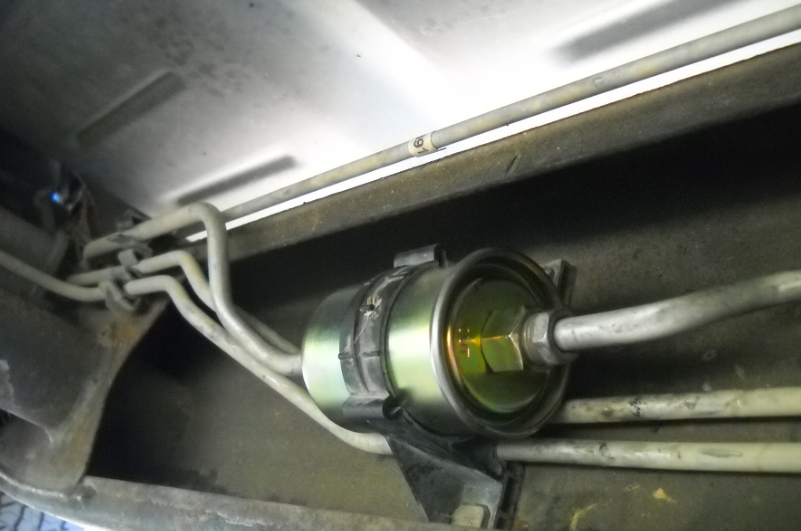
The fuel filter is usually near the fuel tank or along the fuel lines under the vehicle. It looks like a small metal or plastic cylinder with fuel lines attached. Take your time to find the exact spot before starting the replacement process.
Check Under The Vehicle
Get under the truck with a flashlight to locate the fuel filter. Look near the frame rail on the driver’s side, close to the fuel tank. It may be attached to the frame or mounted on a bracket. The fuel filter is often cylindrical and about the size of a soda can.
Look for a metal or plastic case with fuel lines running into it. Dirt and grime can hide the filter, so clean the area carefully. Be sure the engine is off and the vehicle is on level ground before crawling underneath.
Identify Fuel Lines
Fuel lines connect the fuel tank to the engine through the filter. They are usually metal or rubber hoses. Follow these lines from the tank to find the filter’s exact location. The lines have clamps or fittings where they connect to the filter.
Note the direction of fuel flow marked on the filter. This ensures you install the new filter correctly. Be careful not to damage the fuel lines or spill fuel. Use rags or a catch pan to manage any leaks during removal.

Credit: us.haynes.com
Gather Necessary Tools
Start by gathering all tools needed for the job. This includes a wrench, screwdrivers, and a new fuel filter. Having everything ready saves time and avoids hassle during the process.
List Of Required Tools
Before you start changing the fuel filter on your 2003 Silverado, gather the right tools. Having everything ready saves time and effort. You will need a wrench set, a flathead screwdriver, and a socket set. A fuel line disconnect tool is important to remove fuel lines safely. Prepare a container to catch any fuel that might spill. Also, keep some rags handy for cleaning up.
Safety Equipment
Safety is key when working with fuel. Wear safety glasses to protect your eyes from splashes. Use gloves to keep your hands safe from fuel and sharp parts. Work in a well-ventilated area to avoid breathing harmful fumes. Keep a fire extinguisher nearby just in case. Proper safety gear helps prevent accidents and injuries.
Relieve Fuel System Pressure
Relieving the fuel system pressure is a key step before changing the fuel filter in your 2003 Silverado. Fuel pressure builds up in the lines and can spray fuel when disconnected. This step helps avoid spills and keeps you safe. Follow these simple steps carefully.
Disconnect Battery
Start by opening the hood and locating the battery. Use a wrench to disconnect the negative terminal first. This stops electrical flow and reduces fire risk. Keep the cable away from the battery to prevent contact. Never skip disconnecting the battery before working on fuel parts.
Release Fuel Pressure Safely
Locate the fuel pump fuse or relay inside the fuse box. Remove the fuse or relay to stop the fuel pump from running. Start the engine and let it run until it stalls. This uses up the fuel in the lines, lowering pressure.
Turn the ignition off and wait a few minutes. This allows leftover pressure to drop completely. Now, the fuel system is safe to work on. Use a rag to catch small fuel drips when removing fuel lines.
Remove Old Fuel Filter
Removing the old fuel filter from your 2003 Silverado is a key step. It ensures clean fuel reaches the engine. This helps your truck run smoothly and prevents damage. Follow these steps carefully to avoid fuel leaks or damage.
Wear safety glasses and gloves. Fuel can be dangerous if it spills or splashes. Work in a well-ventilated area to avoid breathing fuel fumes.
Loosen Fuel Line Connections
Start by locating the fuel filter under the truck. It usually sits along the fuel line near the frame rail. Use a wrench to loosen the nuts on the fuel line connections. Turn the wrench counterclockwise gently. Be ready for a small amount of fuel to drip out. Use a rag to catch any spills. Do not force the connections, or you may damage the fittings.
Take Out The Filter
Once the fuel lines are loose, carefully remove the old fuel filter. Pull it straight out from its bracket or holder. Check the filter for cracks or damage. Place the old filter in a safe container to avoid spills. Inspect the mounting bracket and clean any dirt or debris before installing the new filter.
Install New Fuel Filter
Installing the new fuel filter in your 2003 Silverado is a key step. It ensures clean fuel reaches the engine. This helps your truck run smoothly and efficiently.
Take care during installation to avoid leaks and damage. Follow these simple steps to set the filter correctly and secure the fuel lines.
Position The Filter Correctly
Check the new filter for directional arrows. These arrows show the flow of fuel. Align the arrow with the fuel flow direction in your truck.
Place the filter in the bracket firmly. Make sure it sits snug without forcing it. A proper fit prevents fuel leaks and filter movement.
Secure Fuel Lines
Attach the fuel lines to the filter’s connectors. Push them firmly until they click or fit tight. Loose lines can cause fuel leaks and engine problems.
Use clamps or clips to lock the fuel lines in place. Double-check all connections for tightness. Safety and performance depend on secure fuel lines.
Credit: www.newgmparts.com
Check For Leaks
After replacing the fuel filter in your 2003 Silverado, checking for leaks is crucial. Fuel leaks can cause serious safety hazards and damage your vehicle. Take your time to inspect every connection and fitting.
Leaks often appear as wet spots or fuel smell around the filter. Look closely at the fuel lines and filter housing. Tighten any loose clamps or fittings you find. A thorough check ensures your truck runs smoothly and safely.
Reconnect Battery
Before checking for leaks, reconnect the truck’s battery. This step restores power to the fuel pump. It allows fuel to flow through the new filter for inspection. Secure the battery terminals tightly to avoid electrical issues.
Start Engine And Inspect
Start the engine and let it run for a few minutes. Watch closely around the fuel filter area. Look for any signs of fuel dripping or wet spots. Smell for fuel odor, which may indicate a small leak. If you find leaks, turn off the engine immediately and fix the problem.
Tips For Maintenance
Proper maintenance of the fuel filter in your 2003 Silverado helps keep the engine running smoothly. Regular care prevents dirt and debris from clogging the filter. This saves you from costly repairs and keeps fuel flow steady. Follow these tips for maintenance to extend your vehicle’s life.
Changing the fuel filter at the right time is key. Also, knowing the signs of a clogged filter helps you act quickly. Both steps improve your truck’s performance and fuel efficiency.
When To Replace Fuel Filter
Replace the fuel filter every 30,000 miles or as suggested in the owner’s manual. If you drive in dusty areas, change it more often. Old filters block fuel flow and reduce engine power. Staying on schedule avoids breakdowns and costly fixes.
Signs Of A Clogged Filter
Watch for slow engine start or rough running. Engine may stall or hesitate during acceleration. You might notice poor fuel economy or unusual engine noises. These symptoms point to a dirty fuel filter. Replace it promptly to restore smooth driving.
Frequently Asked Questions
How Often Should I Change The Fuel Filter In A 2003 Silverado?
The fuel filter should be replaced every 30,000 miles or as recommended in your owner’s manual. Regular changes keep fuel flow steady and engine performance optimal.
What Tools Are Needed To Change A 2003 Silverado Fuel Filter?
You need a wrench, screwdrivers, and possibly fuel line disconnect tools. Safety gloves and eye protection are also recommended during the replacement process.
Where Is The Fuel Filter Located In A 2003 Silverado?
The fuel filter is typically located along the fuel line near the fuel tank or under the vehicle. Consult your manual for the exact position in your Silverado.
Can I Change The Fuel Filter Myself On A 2003 Silverado?
Yes, with basic mechanical skills and the right tools, you can replace the fuel filter safely. Follow step-by-step instructions and take safety precautions to avoid fuel leaks.
Conclusion
Changing the fuel filter in a 2003 Silverado keeps your engine running smooth. Clean fuel means better performance and fewer problems. Follow the steps carefully and take your time. No need to rush or guess. A new filter helps your truck last longer and saves money on repairs.
Now you know how to do it yourself. Drive with confidence and enjoy your Silverado’s power. Simple task, big benefits.


