

When was the last time you thought about your car’s fuel filter? If you’re like most drivers, it’s probably not often.
But here’s the truth: changing your fuel filter regularly can save you from costly repairs and keep your engine running smoothly. Wondering how often you should replace it? You’ll discover the simple signs to watch for and the best schedule to follow.
Keep reading—you’ll learn exactly what your car needs to stay in top shape.
Credit: www.paulsauto.com
Fuel Filter Basics
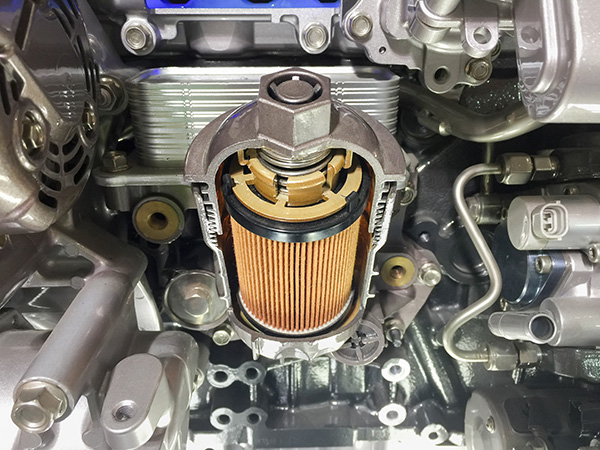
Understanding the fuel filter is key for car care. It keeps the fuel clean by removing dirt and rust. Clean fuel helps the engine work smoothly. A bad fuel filter can cause problems like poor engine start or low power.
Fuel filters are small but important parts. They stop harmful particles from reaching the engine. This helps the engine last longer and saves money on repairs.
Role In Vehicle Performance
The fuel filter blocks dirt and rust from the fuel. Clean fuel allows the engine to burn fuel well. This leads to better fuel efficiency and power. A clogged filter reduces fuel flow. This causes the engine to run rough or stall.
Changing the fuel filter keeps the engine healthy. It prevents costly damage to fuel injectors and pumps. It also helps reduce harmful emissions from the car.
Types Of Fuel Filters
There are mainly two types of fuel filters. Inline filters sit on the fuel line outside the tank. They are easy to replace and inspect. Cartridge filters are inside the fuel tank. They need more work to change but last longer.
Some cars have fuel filters built into the fuel pump. These filters are not serviceable and need pump replacement if clogged. Knowing your car’s filter type helps with proper maintenance.
Signs Of A Clogged Fuel Filter
A clogged fuel filter can cause several problems in your car. It blocks the flow of fuel to the engine. This blockage affects how your car runs and feels. Knowing the signs helps you catch the problem early. It can save you from costly repairs and keep your car running smoothly.
Engine Performance Issues
Your engine may run rough or stall. It might lose power during acceleration. The car could hesitate or jerk when you press the gas pedal. These happen because the engine gets less fuel than it needs.
Fuel Efficiency Drops
You might notice your car uses more fuel. The clogged filter makes the engine work harder. This extra work burns more fuel. Your fuel economy goes down without any other changes.
Starting Problems
The car may take longer to start or not start at all. A clogged fuel filter limits fuel reaching the engine. This makes ignition difficult or impossible. Frequent starting issues point to a possible fuel filter clog.
Recommended Replacement Intervals
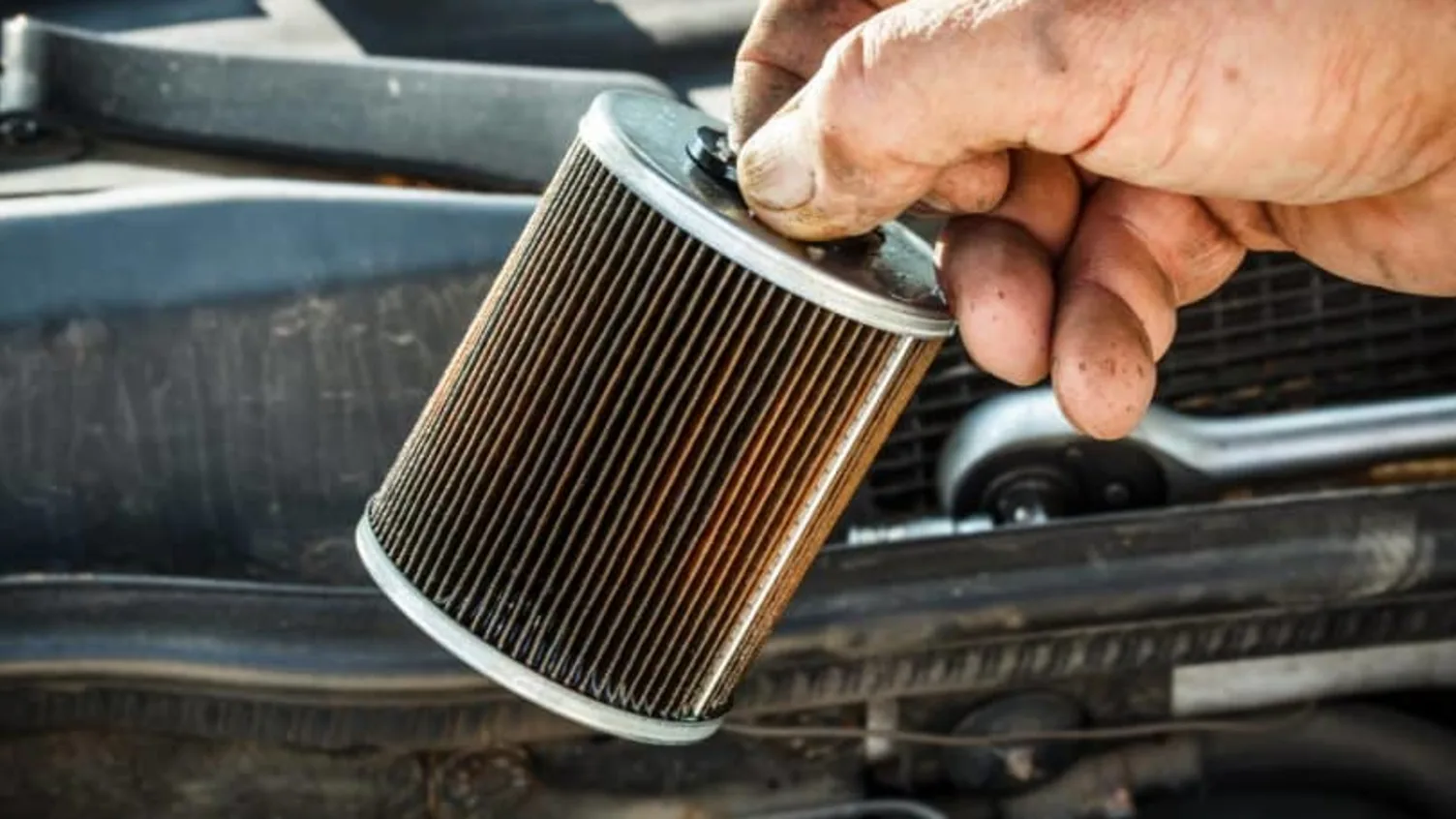
Knowing when to change your car’s fuel filter helps keep the engine healthy. The fuel filter stops dirt and rust from reaching the engine. Over time, it can get clogged and reduce fuel flow. This affects how well your car runs. Changing it at the right time avoids engine problems and saves money on repairs.
Manufacturer Guidelines
Car makers set rules for fuel filter changes. These rules appear in the owner’s manual. Usually, the filter should be changed every 20,000 to 40,000 miles. Some newer cars have filters that last longer or are built into the fuel pump. Following these guidelines keeps the engine clean and efficient. Check your manual for exact intervals and tips.
Driving Conditions Impact
Driving style and road conditions affect how fast the filter clogs. Dusty roads or heavy traffic cause more dirt to enter the fuel system. Short trips where the engine doesn’t fully warm up also affect filter life. In tough conditions, change the filter more often than recommended. This prevents fuel flow problems and keeps the engine running smoothly.
Credit: www.bigboxcars.com.au
Diy Vs Professional Replacement
Changing the fuel filter keeps your car running smoothly. You can do it yourself or hire a pro. Each choice has its pros and cons. Knowing what tools you need and safety tips helps you decide.
Tools Needed
For a DIY fuel filter change, you need a few basic tools. A wrench or socket set fits the filter bolts. A screwdriver helps remove clips or covers. You also need a container to catch fuel drips. Clean rags are useful for wiping spills. If unsure, check your car’s manual for specific tools.
Safety Precautions
Fuel is highly flammable. Work in a well-ventilated area outside. Wear gloves to protect your skin. Safety goggles keep fuel from your eyes. Keep a fire extinguisher nearby. Avoid open flames and sparks. Disconnect the car battery before starting. Take your time to prevent mistakes.
Consequences Of Neglecting Filter Changes
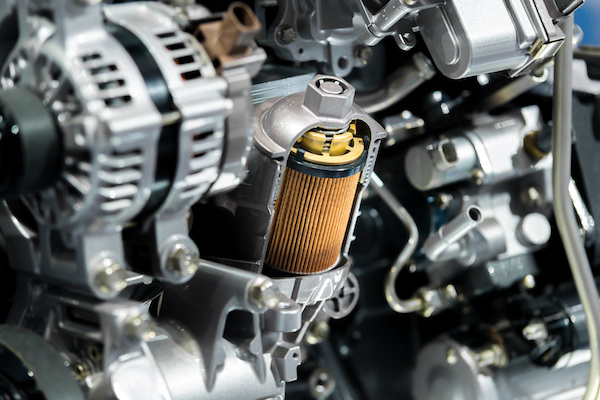
Neglecting to change your car’s fuel filter causes serious problems. Dirt and debris build up, blocking fuel flow. This puts extra strain on your engine and fuel system. Over time, this neglect can lead to costly repairs and poor car performance.
Engine Damage Risks
A clogged fuel filter stops clean fuel from reaching the engine. Dirty fuel damages engine parts and reduces power. The engine may misfire or stall often. Long-term damage can cause the engine to fail. Repairing or replacing engine parts costs a lot.
Increased Emissions
A dirty fuel filter causes incomplete fuel burning. This raises harmful emissions from your car. More pollution affects the environment and air quality. Your car may fail emissions tests needed for registration. Clean filters help your car run cleaner and greener.
Credit: www.nergersautoexpress.com
Additional Fuel System Maintenance Tips
Maintaining your car’s fuel system extends beyond just changing the fuel filter. Proper care helps the engine run smoothly and saves repair costs. Small steps can make a big difference in fuel efficiency and engine life.
Here are some important tips to keep your fuel system in good shape.
Fuel Injector Care
Fuel injectors spray fuel into the engine for combustion. Over time, they can get clogged with dirt or deposits. Use a fuel injector cleaner every few months to keep them clean. This helps maintain smooth engine performance and better fuel economy. Avoid skipping this step to prevent engine misfires and rough idling.
Using Quality Fuel
Always fill up with good quality fuel. Cheap or low-grade fuel can contain impurities that clog the fuel filter and injectors. Clean fuel reduces the risk of damage to the entire fuel system. Choose trusted fuel stations and avoid running the tank too low. This keeps the fuel pump and filter working efficiently.
Frequently Asked Questions
How Often Should I Change My Car’s Fuel Filter?
Typically, change your car’s fuel filter every 20,000 to 40,000 miles. Check your vehicle’s manual for specific intervals.
What Are Signs Of A Clogged Fuel Filter?
Common signs include engine misfires, poor acceleration, and difficulty starting. These indicate the fuel filter needs replacement.
Can A Dirty Fuel Filter Damage My Engine?
Yes, a dirty fuel filter restricts fuel flow, causing engine performance issues and possible damage over time.
Is It Necessary To Replace The Fuel Filter Annually?
Not always. Replace based on mileage or if symptoms appear. Consult your car manual for guidance.
Conclusion
Changing your car’s fuel filter regularly keeps the engine healthy. It stops dirt from reaching the fuel system. Most cars need a change every 20,000 to 40,000 miles. Check your owner’s manual for exact advice. Clean fuel filters help your car run smoothly and save money.
Ignoring this simple step can cause engine problems. Stay on top of maintenance for better performance. A clean fuel filter means a longer car life. Simple but important. Don’t forget it.

