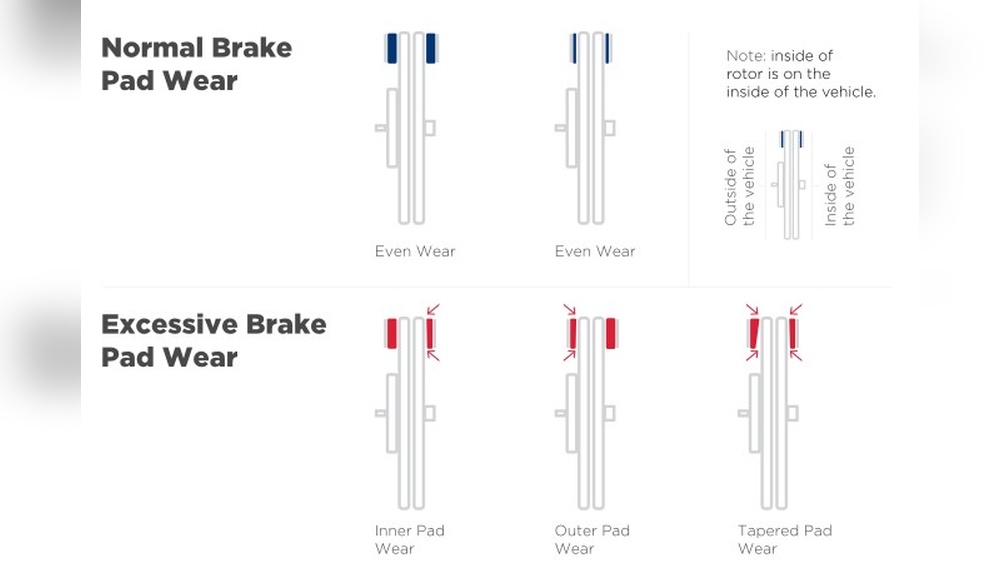
Have you ever wondered just how hot your brake rotors get when you’re driving? Understanding this can help you take better care of your car and stay safe on the road.
Your brake rotors work hard every time you press the pedal, and knowing their temperature can reveal a lot about your braking system’s health. You’ll discover the surprising heat levels your rotors reach and why it matters for your vehicle’s performance.
Keep reading to find out what’s happening beneath your wheels every time you slow down.
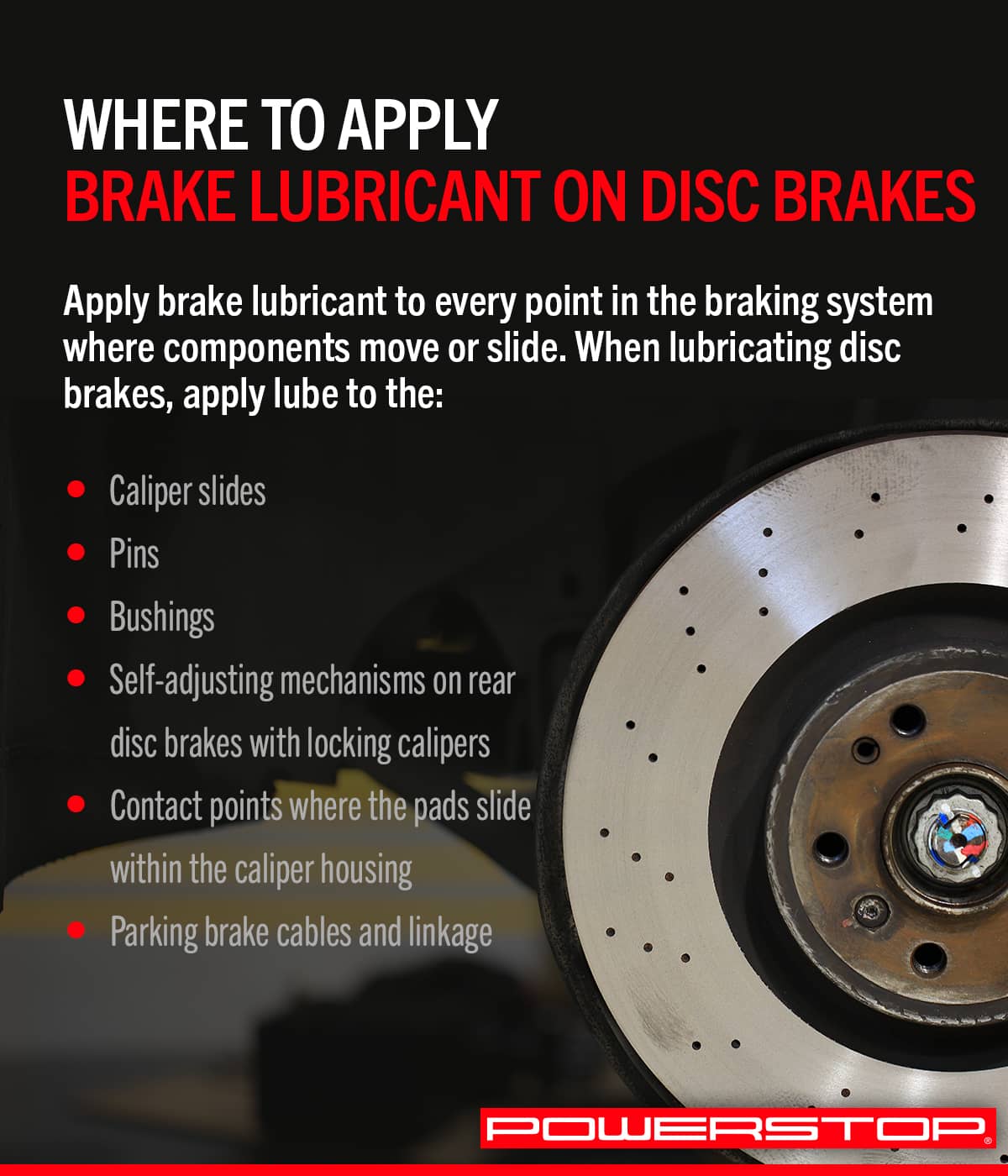
Credit: www.powerstop.com
Brake Rotor Heat Basics
Brake rotors play a key role in stopping your vehicle safely. They work by converting motion into heat. Understanding how hot brake rotors get helps you maintain your car better. It also helps you drive with more care and awareness.
Rotors heat up quickly during driving. This heat comes from the friction between brake pads and rotors. Knowing the basics of brake rotor heat lets you avoid damage and improve safety.
What Causes Brake Rotor Heat
Brake rotor heat is caused by friction. When you press the brake pedal, pads press against the rotors. This action slows down your wheels. The friction creates heat energy. The harder you press, the hotter the rotors get.
Driving downhill or stopping often also raises rotor temperature. Long or heavy braking produces more heat. Heat builds up if the rotors do not cool down quickly. This can affect braking performance and rotor life.
Typical Temperature Ranges
Brake rotors usually run between 200°F and 500°F during normal driving. City driving with frequent stops can push temperatures higher. Racing or emergency stops can heat rotors above 1000°F.
At high temperatures, rotors may glow red and warp. Most cars are designed to handle heat within safe limits. Monitoring rotor temperature helps prevent damage and maintains braking power.
Factors Impacting Rotor Temperature
Brake rotors get hot during driving. The heat level depends on many things. Understanding these factors helps you know how brakes work. It also shows why rotors heat up more in some cases.
Heat comes from friction when brake pads press on rotors. The harder and longer you brake, the hotter the rotors get. Different conditions and parts affect this heat.
Driving Conditions And Terrain
Steep hills make rotors hotter. Braking often on slopes creates more friction. Stop-and-go traffic also raises rotor temperature. Constant braking in traffic heats the rotors quickly. Smooth highways keep rotor heat lower. Less braking means cooler rotors.
Vehicle Weight And Speed
Heavy vehicles push brakes harder. More weight means more heat in rotors. Driving fast also raises rotor temperature. High speed needs stronger braking. Both speed and weight increase friction and heat. Lighter cars and slow driving keep rotors cooler.
Brake System Design
Some brakes cool better than others. Ventilated rotors have holes or slots. These help air flow and cool the rotors fast. Solid rotors hold heat longer. Brake pad material also matters. Some pads create more heat. Good design lowers rotor temperature during use.
Heat Levels During Normal Driving
Brake rotors heat up every time you use your brakes. The amount of heat depends on how and where you drive. Understanding heat levels during normal driving helps you know how your brakes perform. It also helps you spot signs of brake wear early.
City Vs Highway Driving
City driving makes brake rotors hotter. Frequent stops and starts cause the brakes to work hard. This creates more friction and heat. Brake rotors can reach temperatures between 300°F and 500°F in the city.
Highway driving keeps brake rotors cooler. You brake less often, so rotors have time to cool down. Typical highway brake rotor temperatures stay around 200°F to 300°F. This helps extend rotor life and brake performance.
Effect Of Frequent Braking
Frequent braking raises brake rotor temperature quickly. Each brake press builds more heat. When brakes are used continuously, rotors can reach 600°F or higher. High heat may cause brake fade and reduce stopping power.
Light, steady braking keeps heat levels lower. It helps rotors cool between stops. Managing how you brake protects rotors and improves safety.

Credit: www.autonationmobileservice.com
Extreme Heat Situations
Brake rotors can reach very high temperatures in extreme heat situations. These conditions push the braking system to work harder and generate intense heat. Understanding these scenarios helps drivers recognize the stress on their brakes and the importance of proper maintenance.
Emergency Braking
Emergency braking causes rotors to heat up quickly. The brake pads press hard and fast against the rotors. This friction creates a lot of heat in seconds. Temperatures can exceed 500 degrees Fahrenheit in some cases. Such heat can wear down brake parts faster. It also reduces braking efficiency if repeated often.
Track And Performance Driving
Track driving heats rotors to extreme levels. Drivers brake aggressively and repeatedly during laps. This constant braking raises rotor temperatures above 1000 degrees Fahrenheit. High heat helps slow the car but strains the braking system. Racing rotors often use special materials to handle this heat. Normal rotors may warp or crack under these conditions.
Downhill Driving Impact
Long downhill drives make brakes work hard for a long time. Continuous braking prevents the car from speeding up. This constant friction causes rotors to get very hot. Temperatures can stay high for a long period. Overheated brakes can lose power and cause safety risks. Using engine braking helps reduce heat buildup on rotors.
Consequences Of Excessive Heat
Excessive heat in brake rotors causes many problems. It affects the braking system’s function and safety. Understanding these consequences helps drivers recognize issues early. Heat must be managed to keep brakes working well and safe.
Brake Fade And Performance Loss
Brake fade happens when brakes get too hot. The brake pads lose grip on the rotor. This makes it harder to stop the car quickly. Drivers may feel the brake pedal go soft. Stopping distance becomes longer, increasing risk on the road.
Rotor Warping And Damage
High heat can warp brake rotors. Warping means the rotor bends or twists out of shape. This causes vibrations during braking. Warped rotors wear out brake pads faster. Damaged rotors need replacement, which can be costly.
Safety Risks
Overheated rotors reduce braking power. This can lead to accidents in critical moments. Brake failure is a serious safety hazard. Drivers may lose control on steep hills or in emergencies. Maintaining proper rotor temperature helps prevent these dangers.
Cooling Techniques For Brake Rotors
Brake rotors can get very hot during driving. High heat can reduce braking power and damage parts. Cooling techniques help keep rotors at safe temperatures. These methods improve safety and rotor life.
Different designs and habits work together to cool brake rotors. This section explains some key ways to manage heat effectively.
Ventilated Rotors
Ventilated rotors have air channels between two surfaces. These channels let air pass through the rotor. Airflow cools the rotor quickly during driving. This design lowers the risk of overheating. Most modern cars use ventilated rotors for better cooling.
Heat Dissipation Materials
Some rotors use special materials that spread heat fast. Metals like carbon composites and ceramic blends are common. These materials absorb heat and release it quickly. This keeps rotors cooler under heavy braking. Using better materials helps prevent warping and cracking.
Driving Habits To Reduce Heat
Gentle braking reduces rotor heat buildup. Avoid riding the brakes on long downhill drives. Use engine braking by shifting to lower gears. Give brakes time to cool between stops. These habits help keep rotors cooler and last longer.
Measuring Rotor Temperatures
Brake rotors get very hot during driving. Knowing their temperature helps understand brake performance and safety. Measuring rotor temperature is key for drivers and mechanics. It shows how hard the brakes work and if the rotors risk damage.
Several tools measure rotor heat. Each tool has its benefits and limits. Choosing the right method depends on the situation and accuracy needed.
Infrared Thermometers
Infrared thermometers read heat from a distance. They detect infrared light given off by hot surfaces. Point the device at the rotor to get a quick temperature reading.
These tools are easy to use and fast. No contact is needed, so they avoid affecting the rotor’s heat. They work well for rough temperature checks during or after driving.
Infrared thermometers may not be precise on curved or shiny rotor surfaces. The reading reflects only the spot aimed at. Still, they give a useful estimate of rotor heat.
Thermocouples And Sensors
Thermocouples attach directly to the rotor or brake parts. They measure temperature through direct contact. These sensors provide very accurate and real-time data.
Mechanics use thermocouples in testing and racing. They help monitor how brakes respond under heavy use. Thermocouples can detect sudden temperature spikes that risk rotor damage.
These devices need installation on the rotor surface. They are less convenient for casual checks but best for detailed temperature tracking. The data helps improve brake design and maintenance.
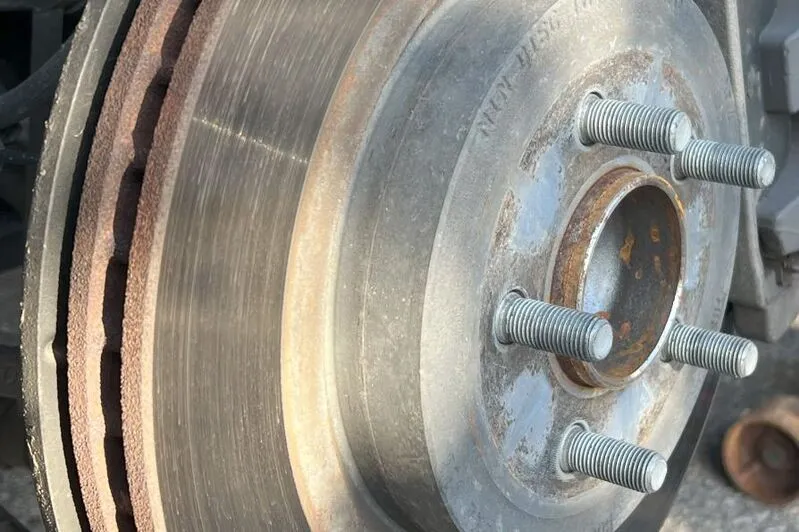
Credit: www.allrotors.com
Maintenance Tips To Manage Heat
Brake rotors get very hot during driving. Managing this heat is key to keeping brakes safe and working well. Proper maintenance helps avoid damage from high temperatures. Simple care steps can keep your brakes cool and extend their life.
Brake Pad Selection
Choose brake pads made for your driving style. Some pads handle heat better than others. High-quality pads reduce heat build-up and wear slower. Avoid cheap pads that can cause more rotor heat. Good pads improve braking and keep rotors cooler.
Rotor Inspection And Replacement
Check rotors regularly for cracks or warping. Heat can cause rotors to change shape or crack. Replace rotors if they show damage or are too thin. Thin rotors can overheat and fail quickly. Regular inspection stops brake problems early.
Proper Brake Fluid Use
Use the right brake fluid for your vehicle. Brake fluid helps transfer pressure and resists heat. Old or low-quality fluid can boil, causing brake failure. Change brake fluid as recommended to keep brakes reliable. Fresh fluid improves heat management inside the braking system.
Frequently Asked Questions
How Hot Do Brake Rotors Get During Normal Driving?
Brake rotors can reach temperatures between 200°F to 400°F under regular driving conditions. This heat is generated from friction when braking. Proper cooling prevents damage and maintains braking efficiency.
Can Brake Rotors Overheat And Cause Damage?
Yes, brake rotors can overheat, especially during aggressive driving or downhill braking. Excessive heat can cause warping, reduced braking performance, and rotor cracks, leading to costly repairs.
What Affects Brake Rotor Temperature While Driving?
Rotor temperature depends on driving style, brake pad material, vehicle weight, and road conditions. Frequent or hard braking raises heat levels, while smooth driving helps keep rotors cooler.
How Does Rotor Temperature Impact Braking Performance?
High rotor temperatures can reduce brake pad effectiveness, causing brake fade. This results in longer stopping distances and decreased safety. Proper rotor cooling ensures consistent brake performance.
Conclusion
Brake rotors can get very hot during driving, especially in heavy traffic or steep hills. High temperatures affect how well your brakes work. Keeping rotors cool helps your brakes last longer and stay safe. Watch for signs like brake fade or strange smells—they mean rotors are too hot.
Regular brake checks keep your car in good shape. Understanding rotor heat helps you drive smarter and safer every day.