Have you ever wondered how hot is too hot for your brake rotors? If you push your brakes hard, the heat can build up fast.
But what happens when they get too hot? Knowing the right temperature limits can save you from costly repairs and keep you safe on the road. You’ll discover the signs that your rotors are overheating and what you can do to protect them.
Keep reading to find out how to keep your brakes working smoothly, no matter how tough the drive gets.

Credit: www.reddit.com
Brake Rotor Temperature Limits
Brake rotors face extreme heat during braking. This heat affects their performance and lifespan. Knowing the temperature limits helps keep brakes safe and effective.
Brake rotors work best within certain temperature ranges. Too much heat causes damage and brake fade. Understanding these limits helps prevent costly repairs and accidents.
Typical Operating Ranges
Most brake rotors operate well between 200°F and 600°F (93°C to 315°C). This range allows good braking without losing strength or shape. Normal city driving usually keeps rotors within this range. Light highway braking also stays safe here.
Maximum Safe Temperatures
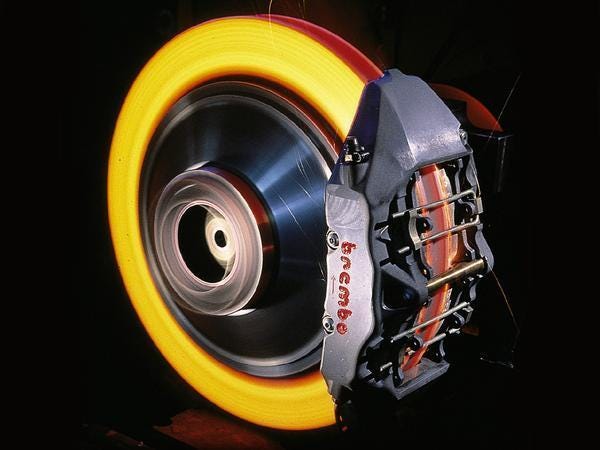
Brake rotors can handle short bursts up to 1200°F (650°C). Beyond this, metal warping or cracks may occur. Racing or heavy towing can push rotors near these limits. Staying below max temperature extends rotor life and keeps braking reliable.
Factors Affecting Heat Build-up
Brake rotor heat depends on speed, weight, and braking force. Steep hills and frequent stops raise temperatures fast. Rotor size and material also affect heat absorption. Good airflow around rotors helps cool them down quickly.
Signs Of Overheated Rotors
Brake rotors can get very hot during driving. This heat is normal but too much heat causes problems. Overheated rotors lose their ability to stop the car safely. Recognizing signs of overheated rotors helps keep your car safe.
Heat changes the metal in rotors. This leads to damage and poor braking. Knowing what to watch for can save time and money on repairs. Here are common signs that your brake rotors are too hot.
Visual Indicators
Look closely at your brake rotors. Overheated rotors often show clear marks. You may see blue or purple discoloration on the surface. These colors mean the metal got too hot. Cracks or warping are also common signs. Warped rotors look uneven or bent. These issues reduce braking power.
Unusual Noises
Listen for strange sounds during braking. Overheated rotors can cause squealing or grinding noises. These sounds happen because the rotor surface is damaged. The brakes may also make a metallic scraping sound. Noise is a clear warning to check your brakes soon.
Performance Changes
Notice if your brakes feel different. Hot rotors often cause a spongy or soft brake pedal. Your car may take longer to stop. In some cases, the brakes might grab or pull to one side. These changes show the rotors are not working well. Drive carefully and have the brakes inspected immediately.
Risks Of Excessive Heat
Brake rotors work hard to stop your vehicle safely. But too much heat can cause serious problems. Excessive heat affects how well the brakes perform and how long the rotors last. Understanding these risks helps keep your vehicle safe and your brakes working properly.
Warping And Cracking
High heat makes brake rotors expand unevenly. This can cause the rotors to warp or bend out of shape. Warped rotors create vibrations when braking. Cracks may also form on the rotor surface. Cracked rotors are weaker and can fail suddenly. Both warping and cracking reduce braking safety.
Brake Fade
Brake fade happens when heat lowers braking power. The brake pads and rotors get too hot. This causes the pads to lose grip on the rotors. Your brakes will feel weak or soft. It takes longer to stop the vehicle. Brake fade is dangerous, especially on steep hills or long drives.
Reduced Lifespan
Excess heat shortens the life of brake rotors. Constant high temperatures wear down the metal faster. Rotors may need replacing much sooner. This increases maintenance costs and downtime. Proper cooling and driving habits help extend rotor life.
Credit: rossbentley.substack.com
Preventing Rotor Overheating
Brake rotors can get very hot during driving. Too much heat can damage them. Preventing rotor overheating helps keep brakes working well. It also makes driving safer. Simple steps can lower the risk of damage and extend rotor life.
Proper Driving Techniques
Drive smoothly to avoid sudden stops. Use engine braking on long downhill roads. This reduces pressure on brake rotors. Avoid riding the brakes while driving. Let the brakes cool after heavy use. These habits keep rotors cooler and last longer.
Regular Maintenance
Check brake pads and rotors often. Worn pads increase heat and wear on rotors. Replace pads before they get too thin. Clean rotors to remove dirt and dust. Inspect for cracks or warping. Regular maintenance prevents overheating and costly repairs.
Cooling Methods
Allow air to flow around brakes after hard stops. Park in shaded areas to avoid extra heat. Use brake cooling ducts if your vehicle has them. Some drivers add cooling fans for track use. Cooling helps rotors lose heat faster and stay safe.
Safety Tips For Hot Brakes
Hot brakes can be dangerous. They affect your car’s stopping power and safety. Knowing how to manage hot brakes helps prevent accidents. It also protects your brake system from damage. Follow these safety tips to keep control on the road.
When To Stop And Cool Down
Stop driving if your brakes feel weak or smell burnt. Find a safe place to park away from traffic. Let the brakes cool for at least 20 minutes. Avoid pouring water on hot brakes. Sudden cooling can crack the rotors. Stay patient. Cooling down is key to brake safety.
Handling Brake Failure
Brake failure can happen if rotors get too hot. Stay calm and don’t panic. Pump the brake pedal gently to build pressure. Use the emergency brake slowly to reduce speed. Shift to a lower gear for extra control. Look for a safe spot to stop the car. Call for help if needed.
Choosing Quality Brake Components
Use brake parts made for your vehicle’s needs. High-quality rotors and pads resist heat better. They last longer and perform safely under pressure. Avoid cheap parts that wear out quickly. Check for proper fit and material before buying. Good components keep brakes cooler and safer.

Credit: www.youtube.com
Frequently Asked Questions
How Hot Can Brake Rotors Safely Get?
Brake rotors can safely reach temperatures up to 600°F (315°C) during regular driving. Beyond this, overheating risks warping or cracking. Track or heavy braking can push temps higher, so monitoring heat is crucial for safety and rotor longevity.
What Happens If Brake Rotors Get Too Hot?
Excessive heat causes brake rotors to warp, crack, or glaze. This reduces braking efficiency and increases stopping distances. Overheated rotors may also lead to brake fade, where brakes lose responsiveness, compromising vehicle safety significantly.
Can Hot Brake Rotors Cause Brake Failure?
Yes, extremely hot brake rotors can cause brake failure. Heat weakens rotor material and brake pads, reducing friction. This leads to brake fade and loss of stopping power, creating dangerous driving conditions.
How To Prevent Brake Rotors From Overheating?
Prevent overheating by avoiding hard, continuous braking and using engine braking on descents. Regularly check brake fluid and pads. Upgrading to high-performance rotors helps manage heat better, especially during aggressive or prolonged braking.
Conclusion
Brake rotors get very hot during driving. Too much heat can cause damage and reduce safety. Keeping rotor temperature under control helps your brakes work well. Watch for signs like warping or brake fade. Cooling down your brakes after hard use protects them.
Proper care extends rotor life and keeps you safe on the road. Remember, hot brakes need attention to avoid costly repairs. Stay alert and maintain your vehicle regularly for best results.