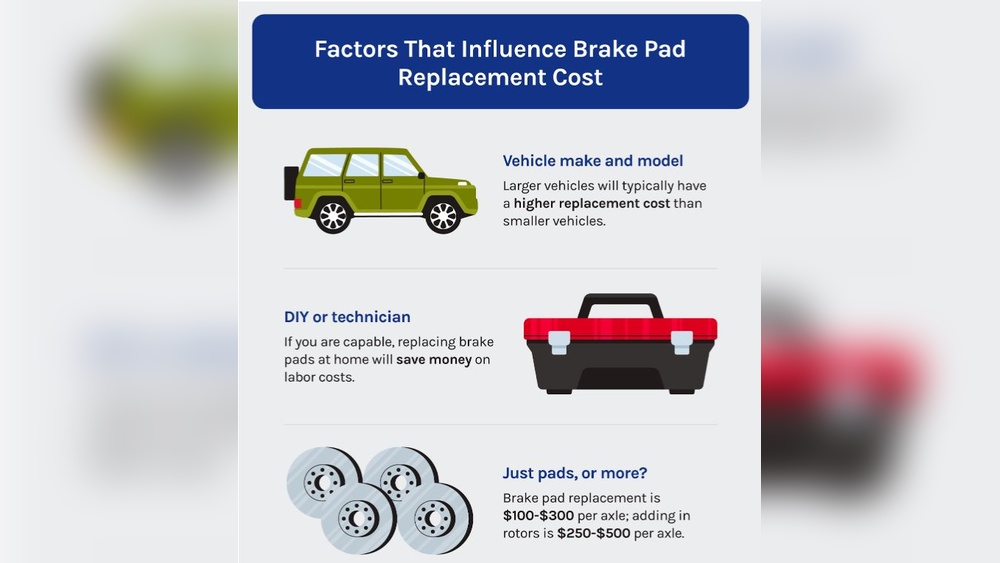
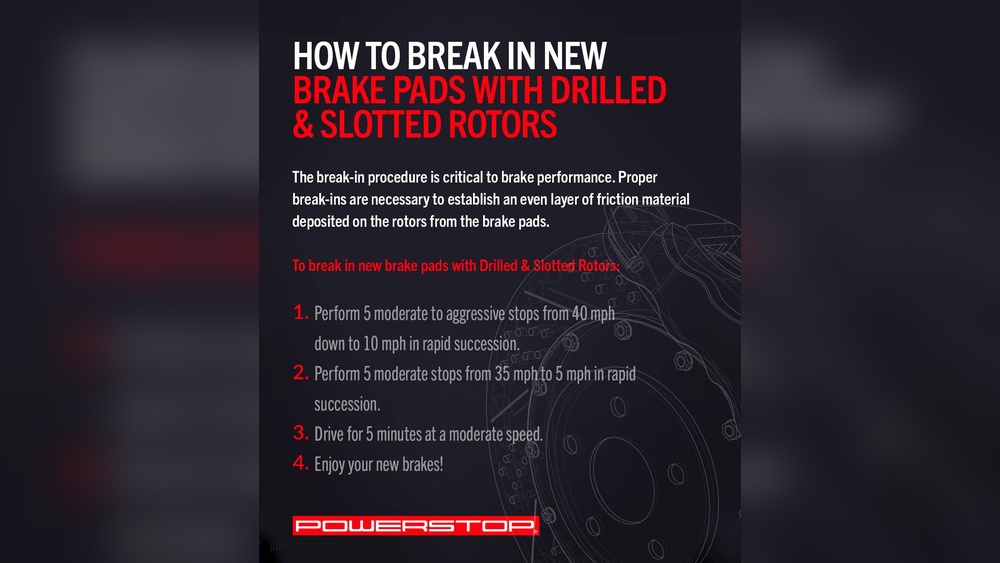
Have you ever felt a strange noise or vibration when you press your brakes and wondered, “Is it my brakes or the rotors?” Knowing the difference is crucial for your safety and your wallet. Ignoring these signs can lead to bigger problems down the road.
You’ll learn simple ways to tell if the issue is with your brake pads or your rotors—without needing to be a car expert. Keep reading to protect your car and stay safe on the road.

Credit: www.youtube.com
Brake System Basics
The brake system is vital for vehicle safety. It helps slow down or stop the car safely. Understanding basic parts of brakes and rotors can help spot problems early.
Knowing how these parts work together makes it easier to tell what needs fixing. This knowledge can save money and avoid accidents.
Components Of Brakes And Rotors
Brakes mainly consist of brake pads, calipers, and brake rotors. Brake pads press against rotors to create friction. Calipers hold the brake pads and push them onto the rotors.
Rotors are flat discs attached to the wheel. They spin with the wheel and slow it down when brake pads press on them.
How Brakes And Rotors Work Together
When you press the brake pedal, calipers squeeze the brake pads. The pads press against the rotors. This action creates friction.
Friction slows the rotors, which slows the wheels. The car then reduces speed or stops. Both parts must work well for safe braking.
Common Brake Problems
Brakes are vital for safe driving. Problems with brakes or rotors affect stopping power. Understanding common brake problems helps identify issues early. This keeps you safe and avoids costly repairs.
Brake problems often show clear signs. Knowing these signs helps decide if the issue is with pads or rotors. Both parts wear out but behave differently when damaged.
Signs Of Worn Brake Pads
Brake pads wear down with use. A squealing noise when braking is a common warning. This sound comes from a small metal strip that alerts you.
If your brakes feel less responsive, pads might be thin. You may notice the car takes longer to stop. Sometimes, the brake pedal feels soft or sinks down.
Visual checks can help. Thin or missing brake pad material means replacement is needed. Pads usually last between 30,000 and 70,000 miles.
Symptoms Of Rotor Issues
Rotors can warp or get damaged over time. Shaking or vibration during braking often points to rotor problems. You may feel this in the steering wheel or brake pedal.
Grinding noises suggest rotors are worn or scored. This happens when brake pads wear down completely. Rotors with grooves or cracks need attention.
Brake rotors usually last longer than pads but still wear out. Regular inspection helps catch rotor problems before they worsen.
Noise Indicators
Noise is a clear sign something is wrong with your brakes or rotors. Different sounds point to different problems. Listening closely helps you spot trouble early. Acting fast can keep your car safe and avoid costly repairs.
Squealing Or Screeching Sounds
Squealing or screeching usually means brake pads are worn. Brake pads have a small metal piece that makes noise when thin. This noise warns you to replace the pads soon. The sound is high-pitched and sharp. It often happens when you start braking.
Sometimes dirt or dust causes squealing. Cleaning the brakes can stop the noise. If the sound stays, check the brake pads. Worn pads need replacing to protect the rotors.
Grinding Or Thumping Noises
Grinding noise means the brake pads are gone completely. Metal parts rub against the rotors. This causes damage and loud, rough sounds. Driving with grinding brakes is unsafe. Stop and fix the problem quickly.
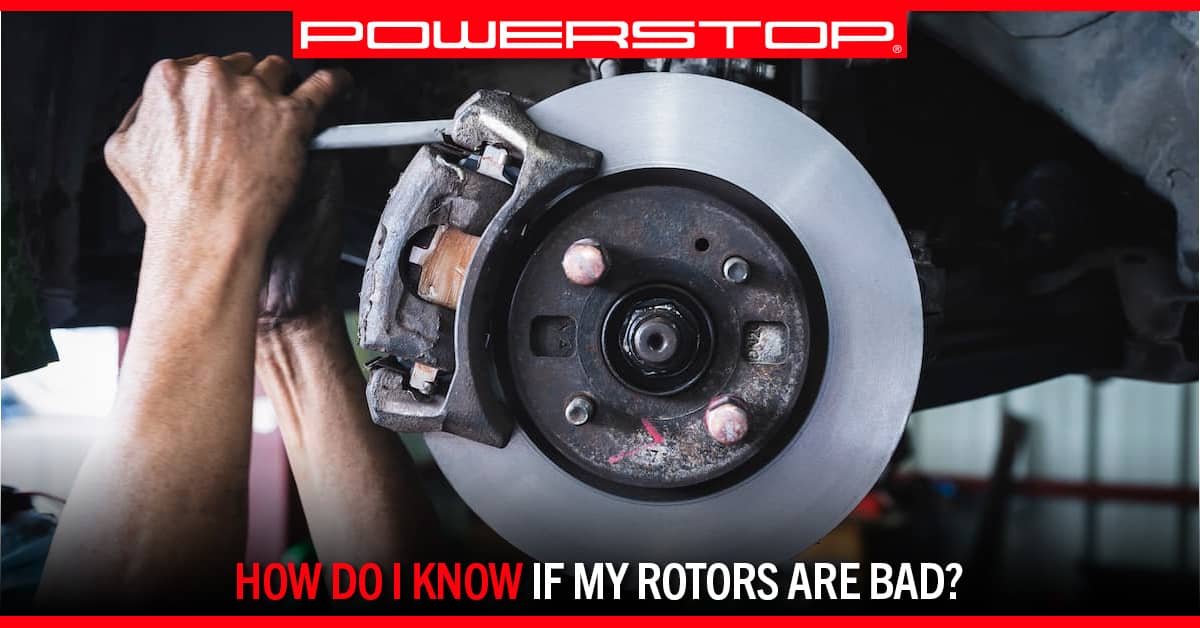
Thumping noises may come from warped rotors. Rotors can bend from heat or wear. The thump feels like a pulse when braking. It can shake the steering wheel or pedal. Warped rotors need resurfacing or replacement.
Credit: www.powerstop.com
Vibration And Pulsation
Vibration and pulsation are common signs that your braking system needs attention. These sensations can tell you whether the problem lies with the brakes or the rotors. Understanding these clues helps keep you safe on the road. The feel of the vibration changes depending on the part causing the issue. Pay close attention to where and when you feel the shaking.
When Pedal Vibrates
A vibrating brake pedal often points to worn or warped rotors. Rotors can become uneven over time due to heat and use. When you press the brake, the pedal may shake or pulse. This happens because the brake pads hit the uneven rotor surface. The vibration usually grows stronger with more braking force. It feels like a thumping or pulsing under your foot. This is a clear sign to check your rotors soon.
Steering Wheel Feedback
If the steering wheel shakes while braking, the issue likely involves the rotors near the front wheels. The vibration moves through the steering system. You may feel a wobble or shimmy in your hands. This happens because the rotor’s uneven surface causes uneven braking. It can make driving unsafe, especially at higher speeds. Steering wheel vibration means the rotors need inspection or replacement. Brake pads alone rarely cause this kind of feedback.
Visual Checks
Visual checks help you spot brake or rotor problems fast. They show signs of wear or damage before issues get worse. This step saves money and keeps you safe on the road.
Inspecting Brake Pads
Brake pads wear down over time. Check the thickness through the wheel spokes. Pads thinner than 3mm need replacement. Look for cracks or uneven wear on the pads. Damaged pads reduce braking power and cause noise.
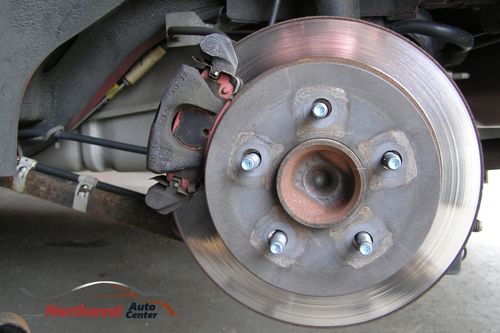
Checking Rotor Condition
Rotors work with brake pads to stop your car. Look for grooves or scoring on the rotor surface. Deep grooves mean the rotor is worn out. Rust on the rotor edges is normal but avoid heavy rust. Warped rotors cause vibrations during braking and need attention.
Credit: northwestautohouston.com
Performance Changes
Performance changes in your vehicle’s braking system signal problems. These changes can help identify whether the issue lies with the brakes or the rotors. Paying attention to how your car stops is key. Notice any differences in braking feel or response. These clues guide you to the source of the problem quickly.
Longer Stopping Distances
Your car takes more space to stop than usual. This often means the brake pads are worn out. Worn pads cannot grip the rotors properly. Sometimes, warped rotors cause uneven contact, increasing stopping distance. Both issues reduce braking power and make stopping unsafe.
Brake Fade And Soft Pedal
The brake pedal feels soft or sinks to the floor. This can happen if the brake fluid leaks or air gets in the lines. Another cause is overheated brakes, leading to brake fade. Brake fade means brakes lose power after repeated use. Rotors that are cracked or damaged may also cause this problem.
When To See A Mechanic
Knowing when to see a mechanic for your brakes or rotors can save you from costly repairs and keep you safe. Brake problems often start small but get worse fast. Catching issues early helps prevent accidents and bigger damage. Pay close attention to how your car feels and sounds when braking. Any unusual signs mean it is time to get a professional check.
Urgent Warning Signs
Listen for squealing or grinding noises when braking. These sounds usually mean worn brake pads or damaged rotors. Feel for vibrations or pulsing in the brake pedal. This often points to warped rotors. Notice if your car pulls to one side while stopping. This could signal uneven brake wear. Also, check if the brake pedal feels soft or sinks. This might indicate brake fluid leaks or air in the brake lines. Any of these signs need urgent mechanic attention. Do not wait or drive long with these problems.
Routine Maintenance Tips
Regular brake inspections help spot problems early. Replace brake pads before they wear out completely. Clean brake parts to avoid dust build-up. Check brake fluid levels and change fluid as recommended. Have a mechanic inspect rotors for warping or damage every 12,000 miles. Follow your vehicle’s maintenance schedule strictly. Routine care keeps brakes and rotors working well. It also extends their lifespan and ensures safe driving.
Frequently Asked Questions
How Can I Tell If Brakes Or Rotors Need Replacing?
Listen for squealing or grinding noises and feel for vibrations when braking. Squealing often means worn brake pads, while vibrations suggest warped rotors. Check for visible rotor grooves or brake pad thickness to confirm.
What Causes Brake Vibration: Pads Or Rotors?
Brake vibration usually comes from warped rotors. When rotors are uneven, they cause a pulsing feel in the brake pedal. Worn pads rarely cause vibration but can lead to noise instead.
Can Worn Brake Pads Damage Rotors?
Yes, worn brake pads expose the metal backing, which can grind against rotors. This contact can cause grooves and damage rotor surfaces, leading to costly repairs or replacements.
How Long Do Brake Rotors Typically Last?
Brake rotors usually last between 30,000 to 70,000 miles. Lifespan varies by driving habits and conditions. Regular inspections help catch rotor wear before it affects braking safety.
Conclusion
Knowing the signs helps you spot brake or rotor problems early. Listen for noises like squealing or grinding. Feel for vibrations or pulling while braking. These clues tell you what needs fixing. Acting fast keeps your car safe on the road.
Regular checks prevent bigger, costly damage later. Trust your senses and check often. Stay alert, and your brakes will work well longer. Simple steps keep driving smooth and safe every day.