

Have you ever noticed strange noises or vibrations when you press your brakes? These could be signs that your brake rotors are wearing out.
Knowing when your brake rotors are bad is crucial for your safety and your car’s performance. If you ignore the warning signs, you might face costly repairs or, worse, dangerous driving conditions. You’ll discover the key signs to watch for and learn how to keep your brakes in top shape.
Keep reading—you don’t want to miss these important tips that could save you time, money, and stress.
Signs Of Worn Brake Rotors
Brake rotors are a key part of your car’s braking system. They work with brake pads to stop your vehicle safely. Over time, rotors wear out and need replacement. Knowing the signs of worn brake rotors helps keep you safe on the road.
Squealing Or Grinding Noises
Squealing sounds often mean worn brake pads, but grinding noises point to bad rotors. When rotors wear down, metal parts rub together. This creates harsh, grinding sounds during braking. Ignoring these noises can cause more damage and higher repair costs.
Vibrations When Braking
Feel shaking or vibrations in the brake pedal or steering wheel? This usually means warped or damaged rotors. Uneven rotors cause the brakes to grab or pulse. Vibrations make it hard to control your car and can signal rotor problems.
Visible Grooves Or Cracks
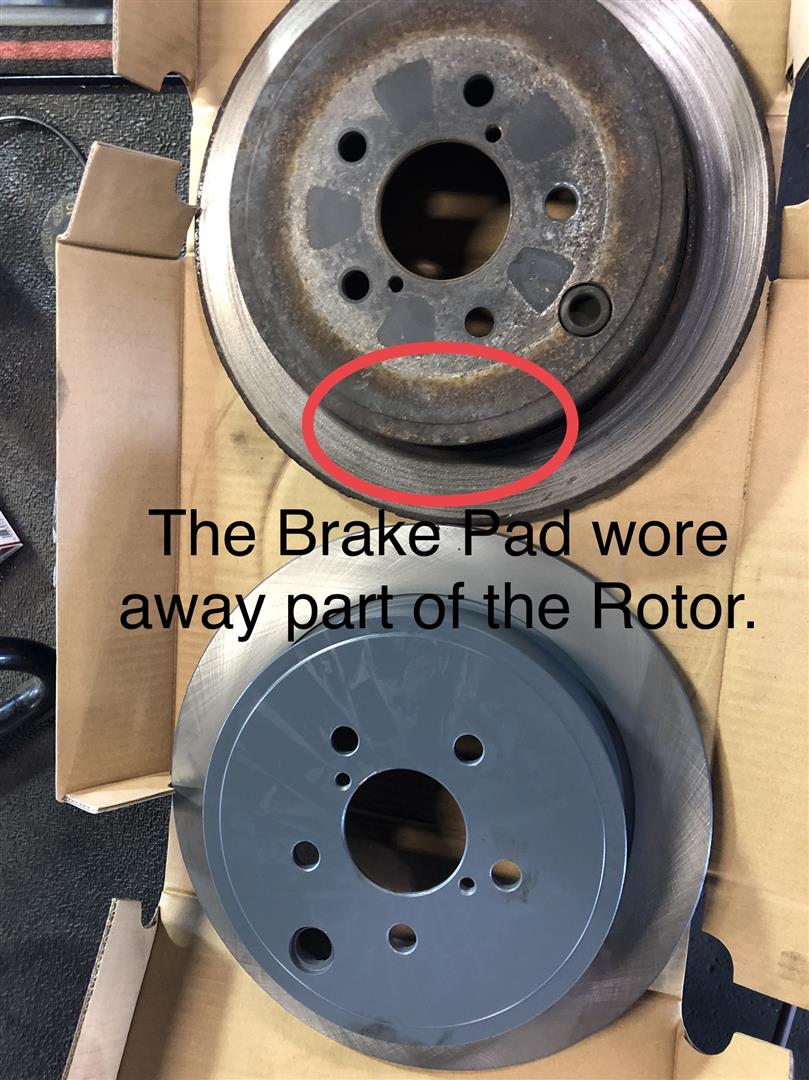
Look closely at your rotors. Deep grooves, scoring, or cracks show wear and damage. These marks reduce braking efficiency and increase the chance of rotor failure. Rotors must be smooth to provide proper stopping power.
Increased Stopping Distance
Notice your car takes longer to stop? Worn rotors reduce braking force. This means you need more distance to slow down or stop completely. Increased stopping distance is dangerous and requires immediate attention to your braking system.
Credit: www.ricksautoservice.org
Causes Of Rotor Damage
Brake rotors face many challenges during their use. These challenges can cause damage that affects braking performance. Understanding the causes helps you spot problems early. It also guides proper maintenance to keep brakes safe and effective.
Heat Buildup And Warping
Brakes create friction to stop your car. This friction produces heat. Too much heat can warp the rotors. Warped rotors cause vibration during braking. This makes stopping uneven and unsafe.
Corrosion And Rust
Moisture and road salt cause rust on rotors. Rust weakens the metal surface. This can lead to uneven braking and rotor damage. Regular cleaning helps reduce corrosion risks.
Improper Brake Pad Installation
Wrong brake pad fitting causes uneven rotor wear. Pads that do not sit correctly damage the rotor surface. This reduces braking efficiency and shortens rotor life.
Driving Habits Impact
Hard braking and riding brakes wear rotors quickly. Frequent stop-and-go driving heats rotors excessively. Gentle braking extends rotor life and improves safety.
Inspection Tips For Brake Rotors
Inspecting brake rotors is important for vehicle safety. Regular checks help spot problems early. Simple tests can show if rotors need repair or replacement. Here are key tips to inspect your brake rotors effectively.
Checking Rotor Thickness
Measure rotor thickness using a micrometer or caliper. Compare measurements to the minimum thickness listed in your vehicle manual. Thin rotors can cause brake fade and reduce stopping power. Replace rotors if they are below the recommended thickness.
Looking For Surface Irregularities
Examine rotor surfaces for grooves, cracks, or rust. Rough spots make brakes noisy and less effective. Minor grooves can sometimes be smoothed by resurfacing. Deep cracks or heavy rust mean it is time to replace the rotors.
Measuring Rotor Runout
Rotor runout means the rotor wobbles when spinning. Use a dial indicator to measure side-to-side movement. Excessive runout causes vibrations and uneven brake wear. If runout exceeds limits, rotors need machining or replacement.
When To Consult A Professional
Seek expert help if unsure about rotor condition or measurements. Professionals have tools and knowledge to diagnose problems accurately. Proper inspection ensures brake safety and avoids costly repairs later.
Credit: www.powerstop.com
Risks Of Ignoring Bad Rotors
Ignoring bad brake rotors brings serious risks. These risks affect your car’s braking ability and overall safety. Brake rotors play a key role in stopping your car smoothly and quickly. Damaged rotors reduce this ability. This section explains the main dangers of driving with bad rotors.
Reduced Braking Performance
Worn or damaged rotors cause your brakes to work less effectively. Your car may take longer to stop. This increases the chance of accidents. Uneven or warped rotors can make the brake pedal feel soft or vibrate. These signs show your brakes are struggling. Slower stopping times are a clear risk.
Damage To Other Brake Components
Bad rotors put extra stress on brake pads and calipers. This can cause them to wear out faster. Brake pads may crack or break. Calipers might not work properly. Repair costs rise as more parts get damaged. Ignoring rotor problems creates a chain reaction of damage.
Safety Hazards On The Road
Faulty rotors reduce your control over the car. This is dangerous in emergencies or bad weather. Your car may skid or pull to one side. Sudden brake failure can cause crashes. Driving with bad rotors puts you and others at risk. Safety should always come first.
Rotor Maintenance And Replacement
Rotor maintenance and replacement are key to keeping your brakes safe and efficient. Rotors wear down over time and can cause problems if ignored. Proper care helps avoid costly repairs and keeps your car running smoothly. Learn when to resurface or replace rotors and how to extend their life.
When To Resurface Rotors
Resurfacing rotors means sanding the surface to remove grooves and rough spots. This can fix minor damage and restore smooth braking. If rotors are too thin or deeply scored, resurfacing is not safe. Always check rotor thickness before deciding to resurface. A mechanic can measure to confirm if resurfacing is possible.
Choosing Replacement Rotors
Replacement rotors come in different types and qualities. Plain rotors are basic and cost less. Slotted or drilled rotors help with heat and water removal. Choose rotors that match your car’s make and model. Quality rotors last longer and improve brake performance. Avoid cheap rotors that wear out quickly.
Diy Vs Professional Replacement
Replacing rotors yourself saves money but needs tools and knowledge. You must remove wheels, calipers, and old rotors carefully. Incorrect installation can cause brake failure. Professionals have experience and equipment to do the job right. Choose a trusted mechanic if unsure about doing it yourself.
Tips For Extending Rotor Life
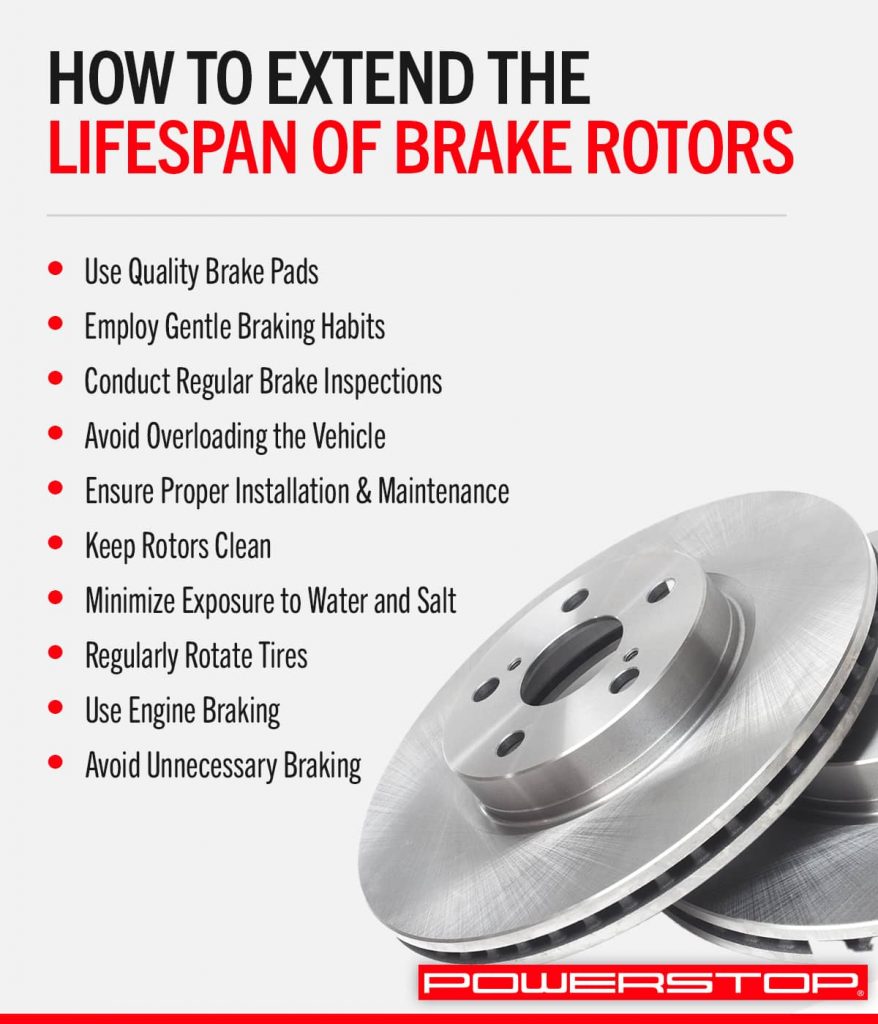
Drive gently to reduce rotor wear. Avoid hard braking unless necessary. Keep brake pads in good condition to protect rotors. Regularly check rotors for damage or thickness. Clean rotors if dirt or rust builds up. Routine brake inspections help catch problems early.

Credit: www.wikihow.com
Frequently Asked Questions
How Can I Tell If My Brake Rotors Are Worn Out?
Worn brake rotors often cause vibrations or pulsations when braking. You may also hear squealing or grinding noises. Visual inspection can reveal grooves, cracks, or rust. If braking performance decreases, rotors might need replacement. Regular checks help maintain safe driving conditions.
What Are The Signs Of Bad Brake Rotors?
Signs include brake pedal vibration, unusual noises, and increased stopping distance. You might feel a pulsing sensation while braking. Visible rotor damage like scoring or warping also indicates wear. Prompt rotor replacement prevents further brake system damage.
Can Bad Brake Rotors Cause Brake Noise?
Yes, damaged rotors often cause squealing or grinding sounds. Irregular rotor surfaces create noise during brake pad contact. Ignoring these sounds can lead to costly repairs. Timely rotor maintenance ensures quiet and effective braking.
How Often Should Brake Rotors Be Replaced?
Brake rotor lifespan varies but typically lasts 30,000 to 70,000 miles. Factors include driving habits, road conditions, and rotor quality. Regular inspections help decide replacement timing. Replace rotors if warped, cracked, or excessively worn.
Conclusion
Bad brake rotors can cause noise, vibration, and poor braking. Watch for signs like squealing sounds or a pulsing brake pedal. Regular checks help keep your car safe on the road. Don’t wait until problems get worse or cost more to fix.
Taking care early saves money and stress. Stay alert and trust your senses while driving. Your safety depends on good brakes. Keep them in top shape for peace of mind every time you drive.

