

Are you hearing strange noises when you hit the brakes? Or maybe your car feels different when you slow down?
These could be signs that your brake system needs attention. But how do you know if it’s your brake pads or rotors causing the problem? Understanding the difference can save you money and keep you safe on the road. You’ll learn the key signs to watch for and how to tell exactly what your brakes need.
Keep reading—you don’t want to miss these important tips that could protect you and your vehicle.
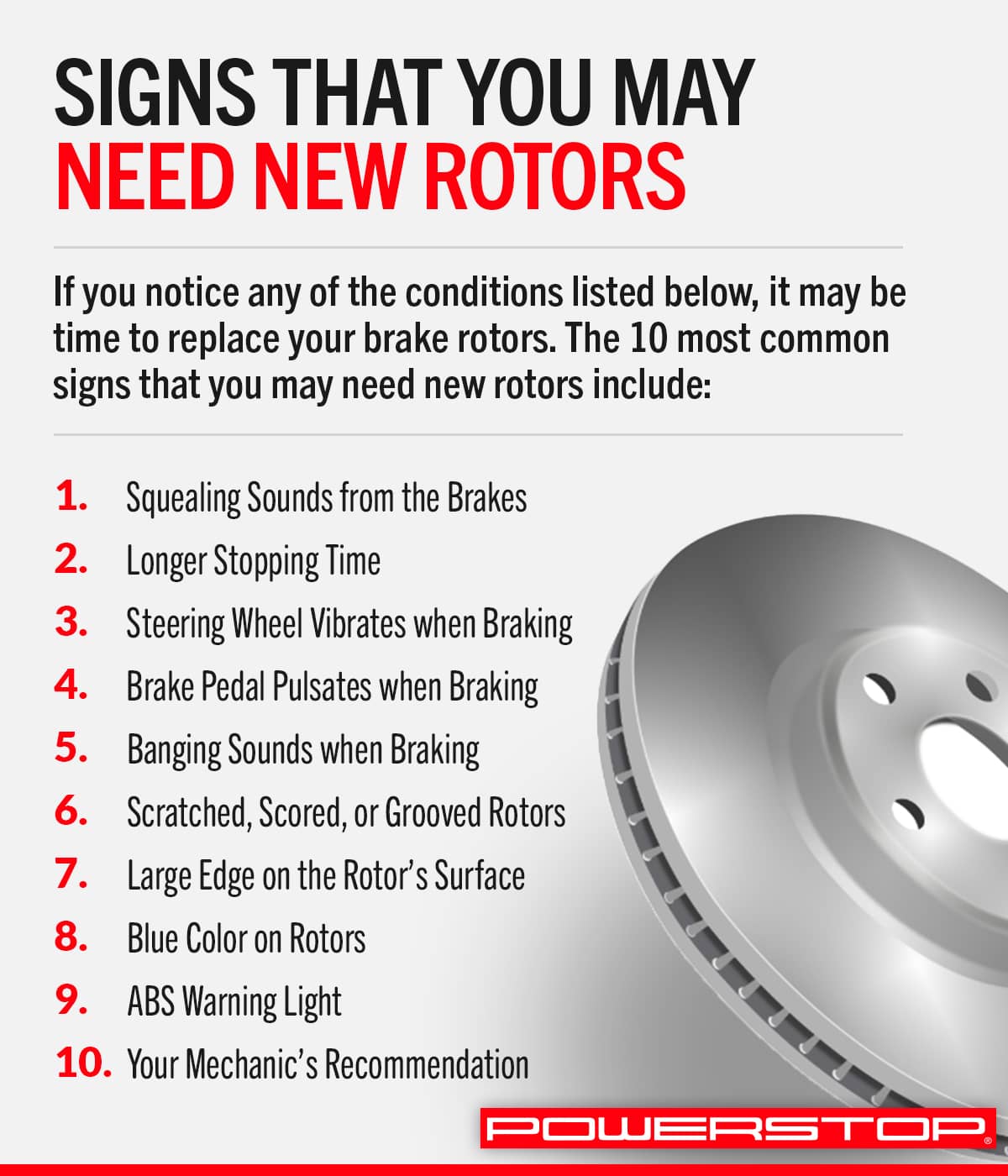
Credit: www.powerstop.com
Signs Of Worn Brake Pads
Worn brake pads can cause serious safety issues. They need to be checked regularly. Recognizing the signs early helps avoid costly repairs. It also keeps your vehicle safe on the road.
Squeaking And Squealing Noises
A high-pitched sound when braking often means worn pads. This noise comes from a small metal indicator. It rubs against the rotor to warn you. Ignoring this sound can lead to rotor damage.
Reduced Braking Performance
Your car may take longer to stop. The brake pedal might feel soft or less responsive. This happens because the pads are thin. Reduced braking power is dangerous and needs quick attention.
Vibration When Braking
Feeling a shake or vibration in the pedal is a sign. It may mean the brake pads are uneven or worn out. This can also signal rotor problems. Check your brakes as soon as you notice this feeling.

Credit: vatire.com
Indicators Of Damaged Rotors
Damaged rotors affect your vehicle’s braking power and safety. Recognizing the signs early helps avoid costly repairs. Certain symptoms clearly show rotor problems. These signs mean it’s time to check your rotors closely.
Visible Grooves And Scoring
Rotors should have a smooth surface. Deep grooves or lines show wear and damage. These marks happen from worn brake pads or debris. Grooves reduce braking efficiency and cause noise. Inspect your rotors for any visible scratches or rough spots.
Brake Pedal Pulsation
A shaking or vibrating brake pedal signals rotor issues. Warped or uneven rotors cause this pulsation. You feel it when pressing the brake firmly. This effect lowers your control and can be dangerous. Notice any unusual pedal movement during stops.
Overheating And Warping
Rotors can overheat from heavy braking or long downhill drives. Excess heat changes their shape, causing warping. Warped rotors create uneven braking and noise. You might smell a burning odor after hard stops. Overheated rotors need immediate attention to avoid failure.
Comparing Brake Pads And Rotors Wear
Brake pads and rotors work together to stop your car safely. Both parts wear out over time. Knowing how each wears helps you decide what to replace. This keeps your brakes strong and your drives safe.
Understanding the difference in wear between brake pads and rotors saves money and trouble. It also helps keep your car in good shape.
Lifespan Differences
Brake pads wear out faster than rotors. Pads have friction material that rubs against rotors. This material thins with use. Rotors last longer but can get damaged or warped. Pads may need replacing every 30,000 to 70,000 miles. Rotors often last about twice as long. Driving habits and road conditions affect this lifespan.
Cost Implications
Brake pads cost less than rotors. Pads are smaller and easier to replace. Rotors are bigger and more complex. Changing rotors costs more in parts and labor. Replacing only pads saves money. But if rotors are worn, replacing both is better. This avoids extra work and keeps brakes smooth.
When To Replace Both Together
Replace pads and rotors together if rotors are thin or damaged. Warped or cracked rotors cause vibration or noise. If rotors are uneven, new pads wear out quickly. Changing both parts at once gives better brake performance. It also prevents uneven wear and costly repairs later.
Diy Inspection Tips
Checking your brakes at home can save time and money. Simple inspections help find problems early. You do not need to be a mechanic. Basic tools and careful observation work well. Here are easy steps to check brake pads and rotors yourself.
Checking Brake Pad Thickness
Brake pads wear down with use. Thin pads cause poor braking and noise. Look through the wheel spokes to see the pads. They should be at least 1/4 inch thick. Thinner than that means it is time to replace them. Listen for a squealing sound. It signals worn pads that need attention.
Inspecting Rotor Surface
Rotors should be smooth and even. Rough spots or grooves show wear. Use a flashlight to see the rotor’s surface clearly. Deep grooves or cracks mean the rotor might need replacing. Light scoring is normal but large damage affects braking. Warped rotors cause vibrations when braking. Check for shaking or pulsing in the brake pedal.
Tools Needed For Inspection
A few simple tools make inspection easier. A flashlight helps see inside the wheel area. A tire iron or wrench removes the wheel if needed. A ruler or caliper measures pad thickness. Gloves protect your hands from dirt and sharp parts. No fancy tools required for this basic check.
Professional Brake Service
Professional brake service ensures your car stops safely and smoothly. Skilled mechanics can spot problems you might miss. They use special tools to check brake parts carefully. This service can save you money by fixing small issues early. Trusting experts keeps your vehicle in good shape longer.
When To Seek Expert Help
Listen for strange noises when braking. Feel if the brake pedal is soft or hard. Notice if your car pulls to one side while stopping. If any signs appear, visit a mechanic soon. Don’t wait until brakes fail completely.
What Mechanics Check
Mechanics inspect brake pads for thickness and wear. They measure rotor surfaces for smoothness and damage. They test brake fluid levels and check for leaks. They also examine calipers and brake lines. These checks ensure all parts work well together.
Benefits Of Regular Maintenance
Regular brake checks prevent costly repairs later. They improve your car’s stopping power and safety. Maintenance extends the life of brake pads and rotors. It gives peace of mind on every trip. Stay safe by scheduling brake service regularly.

Credit: www.reddit.com
Preventive Measures For Brake Longevity
Taking care of your brakes helps them last longer and keeps you safe. Small actions can stop early wear and save money on repairs. Focus on habits and checks that protect brake pads and rotors.
Driving Habits To Reduce Wear
Drive smoothly and avoid hard stops. This reduces stress on brake parts. Keep a safe distance from other cars. It helps you brake gently and less often. Avoid riding the brakes on hills. Use lower gears to slow down instead.
Regular Brake Fluid Checks
Brake fluid moves pressure to your brakes. Old or low fluid can cause problems. Check the fluid level every few months. Change the fluid as your car manual says. Clean fluid helps brakes work well and last longer.
Scheduling Routine Inspections
Have a mechanic check your brakes regularly. Inspections find small problems early. Mechanics check pads, rotors, and fluid. Fixing issues early prevents big damage. Set reminders to inspect brakes every 10,000 miles or once a year.
Frequently Asked Questions
How Do I Tell If Brake Pads Need Replacing?
Listen for squealing or grinding sounds when braking. Check if the brake pedal feels soft or if stopping distance increases. Visually inspect brake pads for thickness less than 3mm. These signs indicate worn brake pads needing replacement.
What Are Signs Of Worn Brake Rotors?
Look for vibrations or pulsations in the brake pedal when stopping. Notice any grooves, scoring, or uneven wear on the rotor surface. Burning smells during braking may also indicate rotor issues. These symptoms suggest rotors may need resurfacing or replacement.
Can Bad Brake Pads Damage Rotors?
Yes, worn brake pads can cause rotor damage. Thin pads expose metal to metal contact, leading to rotor scoring and warping. Replacing brake pads promptly helps protect rotors and maintain safe braking performance.
How Often Should Brake Pads And Rotors Be Checked?
Brake pads and rotors should be inspected every 10,000 to 15,000 miles. Regular checks help detect wear early and prevent costly repairs. Always follow your vehicle manufacturer’s maintenance schedule for best results.
Conclusion
Knowing when to replace brake pads or rotors keeps your car safe. Listen for squeaking or grinding sounds while braking. Notice if your car pulls to one side or vibrates. Check your brake pads for thinness and your rotors for grooves or cracks.
Regular checks help avoid costly repairs and accidents. Stay alert to these signs and keep your brakes in good shape. Driving safely starts with well-maintained brakes. Don’t ignore warning signs—act before problems grow. Your safety depends on it.


