
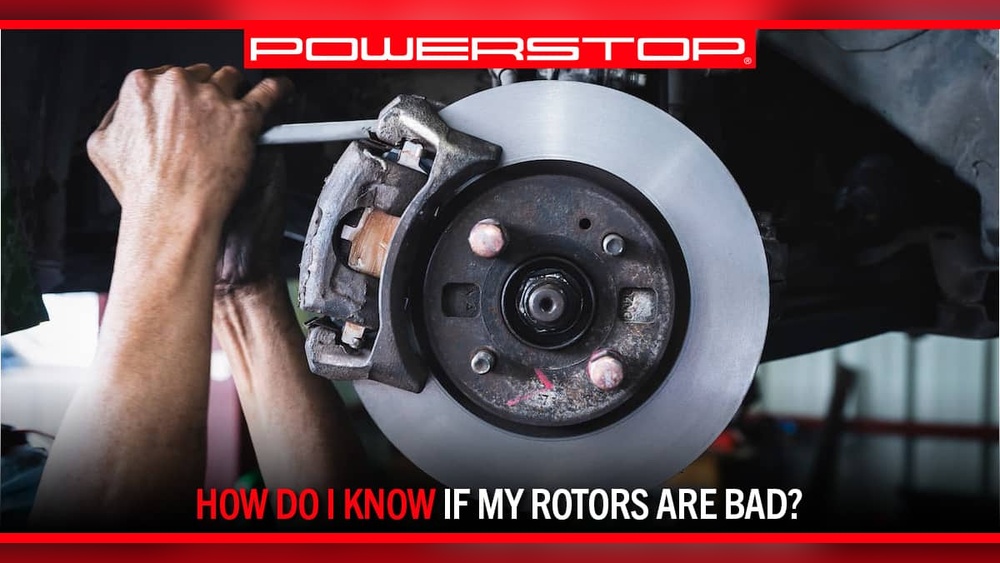
Have you ever felt your car shaking when you hit the brakes? Or maybe you hear strange noises every time you slow down?
These could be signs that your brake rotors are bad. Knowing when your brake rotors need attention is crucial for your safety and your car’s performance. You’ll discover the clear signs to watch for and what to do next. Keep reading—your safety depends on it.
Credit: www.powerstop.com
Common Symptoms Of Worn Rotors
Worn brake rotors cause several noticeable problems. These symptoms help you spot rotor issues early. Acting fast can prevent bigger, costly repairs. Knowing these signs keeps your car safe and reliable.
Vibrations When Braking
Feel shaking in the steering wheel or brake pedal? This usually means the rotors are uneven or warped. Vibrations get worse as you press the brakes harder. It can affect control and comfort while driving.
Squealing Or Grinding Noises
Listen for high-pitched squeals or harsh grinding sounds. These noises often come from worn rotors rubbing against brake pads. The sound grows louder with braking force. Ignoring noise risks damage to the braking system.
Visible Rotor Damage
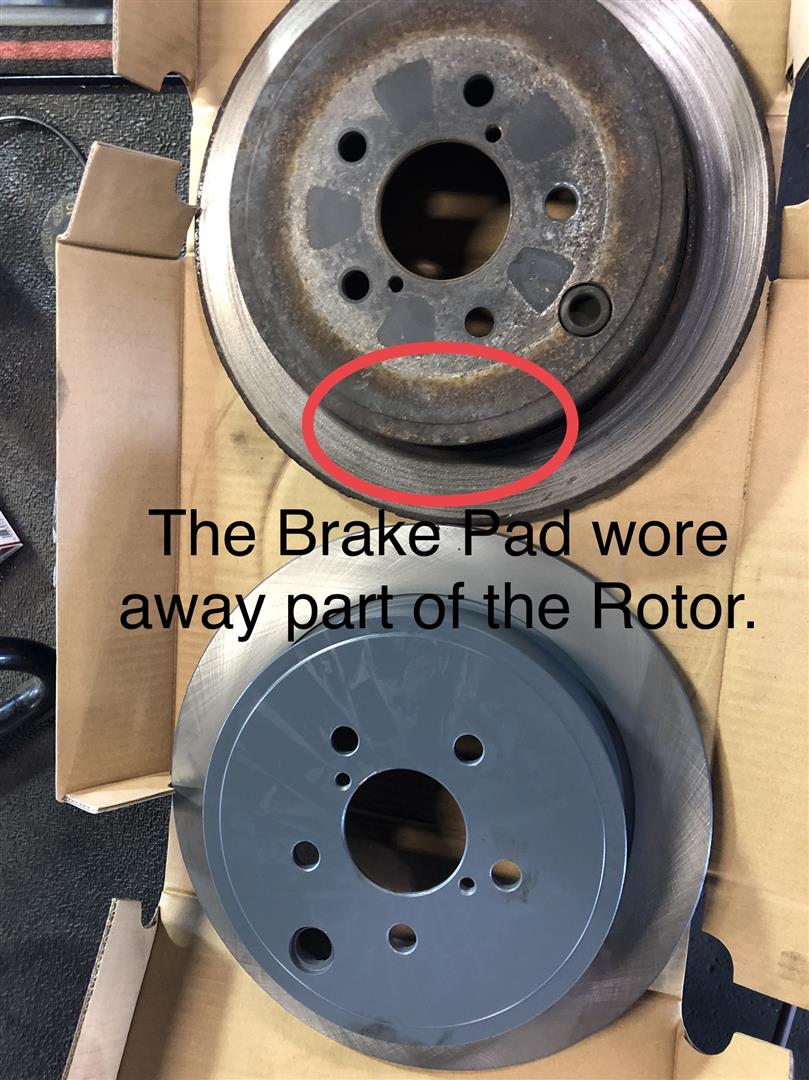
Check your rotors through the wheel spokes or during a tire change. Look for deep grooves, cracks, or rust patches. These signs indicate the rotor surface is damaged. Damaged rotors reduce braking power and increase stopping distance.
Credit: www.ricksautoservice.org
Impact On Braking Performance
Bad brake rotors can seriously affect how your car stops. They change the way the brakes work and make driving unsafe. Understanding these changes helps keep you safe on the road.
Longer Stopping Distances
Worn or damaged rotors cause your car to take more time to stop. The brakes do not grip the road as well. This means you need more space to halt your vehicle. Longer stopping distances increase the risk of accidents. Do not ignore this sign of bad rotors.
Brake Pedal Response Issues
Bad rotors can make your brake pedal feel strange. You might feel a vibration or pulsing when pressing it. The pedal may also feel soft or hard. These changes mean the rotors are uneven or warped. Such problems reduce your control over the car’s braking.
Visual Inspection Tips
Visual inspection is a simple way to check your brake rotors’ condition. It helps find problems before they get worse. You can do this at home with basic tools. A good look can save money and keep driving safe.
Checking For Cracks And Grooves
Start by cleaning the rotor surface. Dirt can hide damage. Look closely at the rotor for cracks. Small cracks can grow and cause failure.
Also, watch for grooves or deep scratches. These marks mean the rotor is worn. They make braking less smooth and safe. Light grooves may be okay, but deep ones need attention.
Measuring Rotor Thickness
Use a micrometer or caliper to measure thickness. Check the rotor thickness at several spots. Compare your readings to the manufacturer’s minimum thickness.
Rotors thinner than the limit are unsafe. Thin rotors can overheat and warp. Replace them to keep braking reliable and safe.

Credit: www.wikihow.com
Causes Of Rotor Wear
Brake rotors wear out for several reasons. Knowing these causes helps you spot problems early. It also helps keep your car safe and your brakes working well. Here are the main causes of rotor wear.
Normal Wear And Tear
Brake rotors wear down with regular use. Every time you press the brake, the pads rub against the rotors. This friction slowly thins the rotor surface. Over time, the rotors can become too thin and weak. This is a natural process and happens to all vehicles.
Driving Habits
How you drive affects rotor wear. Hard braking causes more heat and stress on rotors. Riding the brakes or braking too often can wear rotors faster. Driving in stop-and-go traffic also increases wear. Gentle, steady braking helps rotors last longer.
Poor Brake Pad Quality
Low-quality brake pads can damage rotors quickly. Cheap pads may wear unevenly or create more heat. This leads to grooves or warping on the rotor surface. Using good brake pads protects your rotors and improves braking.
When To Replace Brake Rotors
Brake rotors play a vital role in your vehicle’s stopping power. Knowing when to replace them keeps your drives safe and smooth. Rotors wear out over time and need timely replacement to avoid brake failure.
Manufacturer Recommendations
Car makers set specific guidelines for rotor replacement. These often depend on mileage or rotor thickness. Check your vehicle’s manual for exact details. Following these recommendations helps keep brakes efficient and safe. Some manufacturers suggest rotor checks every 30,000 to 70,000 miles.
Signs It’s Time For Replacement
Listen for squealing or grinding noises when braking. These sounds often mean rotor damage or wear. Notice if your car vibrates or pulses during braking. This can indicate warped rotors. Also, visually inspect rotors for deep grooves or cracks. Thin rotors or rust spots also need replacement. Timely action prevents costly brake repairs and ensures road safety.
Preventing Rotor Damage
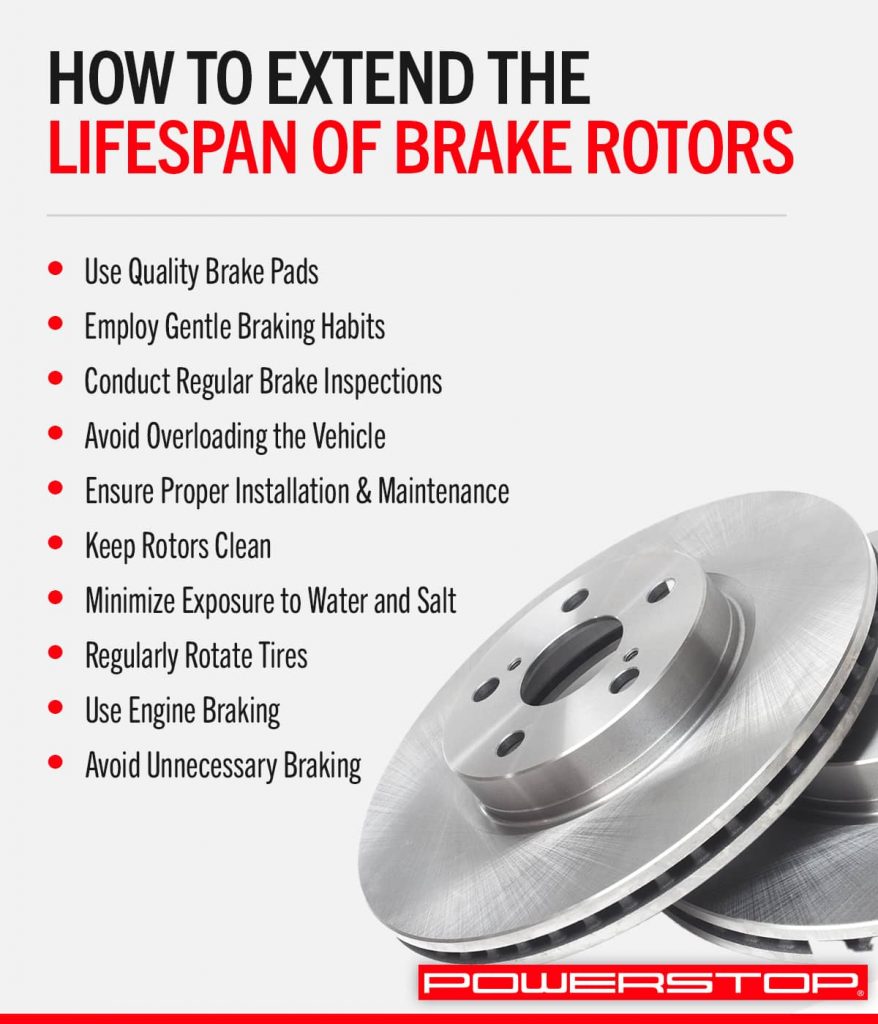
Preventing rotor damage saves money and keeps driving safe. Brake rotors wear out over time but slow damage with care. Simple habits protect rotors and extend their life. Focus on regular checks and good driving habits. Both reduce stress on your brake parts.
Regular Maintenance
Check brake pads and rotors often. Worn pads harm rotors fast. Replace pads before they wear too thin. Inspect rotors for cracks, grooves, or rust. Clean brakes to remove dust and dirt. Use quality parts during repairs. Follow your car’s service schedule closely.
Safe Driving Practices
Drive smoothly and avoid sudden stops. Hard braking heats rotors and causes warping. Keep a safe distance to brake gently. Slow down before turns and stop signs. Avoid riding the brake pedal on hills. These habits reduce rotor wear and keep brakes cooler.
Frequently Asked Questions
How Can I Tell If My Brake Rotors Are Worn?
Worn brake rotors often cause vibrations or pulsations when braking. You may also hear squealing or grinding noises. Visual inspection reveals grooves or cracks on the rotor surface. Uneven rotor thickness can reduce braking efficiency and safety.
What Symptoms Indicate Bad Brake Rotors?
Symptoms include brake pedal vibration, longer stopping distances, and unusual noises. You might feel a pulsing sensation when applying brakes. Brake warning lights can also signal rotor issues. Early detection prevents further damage and ensures safe driving.
Can Bad Brake Rotors Cause Brake Noise?
Yes, damaged or warped rotors commonly produce squealing or grinding sounds. These noises occur due to uneven rotor surfaces contacting brake pads. Ignoring the noise can lead to costly repairs and compromised braking performance.
How Often Should Brake Rotors Be Replaced?
Brake rotor replacement frequency depends on driving habits and rotor quality. Typically, rotors last 30,000 to 70,000 miles. Regular inspections during brake service help determine rotor condition and replacement timing.
Conclusion
Bad brake rotors can affect your safety and car’s performance. Watch for noise, vibration, or longer stopping times. Regularly check your brakes to catch problems early. Fixing rotors on time saves money and stress later. Trust your senses and don’t ignore warning signs.
Keeping rotors in good shape helps you drive safely every day. Stay alert, act fast, and enjoy smoother rides ahead.

