

If you’re passionate about cars or just want your vehicle to perform better, understanding how your brakes work is key. Floating brake rotors might sound complicated, but they play a crucial role in keeping your car safe and responsive.
Ever wondered why some rotors have a bit of movement or what makes them different from regular ones? This article will break down exactly how floating brake rotors work and why they matter for your driving experience. By the end, you’ll see your brakes in a whole new light—and that knowledge could save you time, money, and stress on the road.
Keep reading to find out more!
Basics Of Floating Rotors
Floating brake rotors are a special type of brake rotor used in many vehicles. They help improve braking performance and reduce problems like warping. Understanding their basics helps you see why they are popular in high-performance and heavy-duty cars.
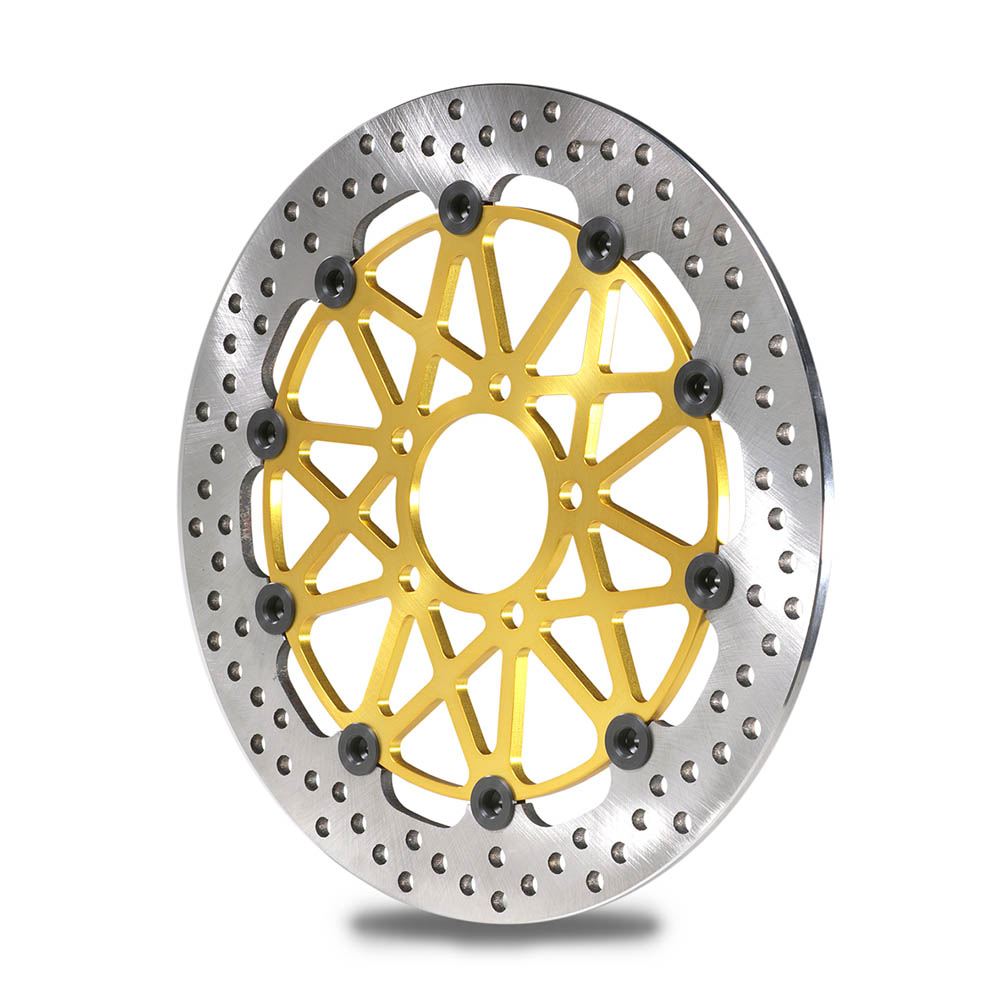
Floating rotors have two main parts: the rotor ring and the rotor hat. These parts connect but can move slightly. This design allows the rotor to expand and contract with heat without causing stress. It helps keep braking smooth and consistent.
Design Features
The rotor ring is the outer part that touches the brake pads. It is attached to the rotor hat by small pins or buttons. These pins allow the ring to “float” or move slightly side to side. This movement reduces the chance of the rotor cracking or warping under high heat.
The rotor hat connects to the vehicle’s wheel hub. It holds the rotor ring in place but lets it expand when hot. This design balances strength and flexibility, improving brake life and performance.
Materials Used
Floating rotors use materials that handle heat well. The rotor ring is often made from cast iron or carbon composite. Cast iron is common for its heat resistance and durability. Carbon composite is lighter and cools faster but is more expensive.
The rotor hat is usually made from aluminum or steel. Aluminum is lightweight and helps reduce the vehicle’s unsprung weight. Steel is stronger but heavier. Both materials help manage heat and maintain rotor shape during braking.

Credit: www.youtube.com
How Floating Rotors Function
Floating brake rotors are a type of brake disc that moves slightly within its mounting. This design improves braking performance and durability. Understanding how these rotors work helps to see why they are popular in high-performance and heavy-duty vehicles.
Movement Mechanism
Floating rotors consist of two parts: the rotor hat and the rotor ring. The ring is the part that the brake pads press against. It is attached to the hat by small pins or bobbins. These pins allow the ring to move or “float” slightly around the hat.
This small movement helps the rotor adjust as it heats up and expands. It prevents warping and keeps the rotor aligned with the brake pads. The floating action reduces stress on the rotor and brake system parts.
Heat Dissipation Benefits
When brakes are used, the rotor heats up quickly. Floating rotors help heat escape more efficiently. The small gap between the hat and ring allows air to flow through.
This airflow cools the rotor faster than solid rotors. Faster cooling reduces the chance of brake fade. Brake fade happens when brakes lose power due to heat. Floating rotors keep braking strong and consistent.
Performance Advantages
Floating brake rotors offer key benefits that improve vehicle braking. These rotors consist of two main parts: the rotor ring and the central hub. The design allows slight movement between these parts. This movement provides several performance advantages over fixed rotors.
Improved Brake Response
Floating rotors adjust better to the brake pads. This leads to faster and more even contact. The result is a quicker brake response. Drivers feel the car slow down immediately. This helps in critical situations requiring sudden stops.
Reduced Warping
Heat causes many rotors to warp over time. Floating rotors handle heat better. The small movement between the parts lets the rotor expand safely. This reduces the chance of warping. Warped rotors often cause vibrations and poor braking.
Enhanced Durability
Floating rotors last longer than solid rotors. The design reduces stress on the rotor ring. Less stress means fewer cracks and breaks. This durability saves money on repairs and replacements. It also keeps braking consistent for a longer time.

Credit: www.youtube.com
Comparing To Fixed Rotors
Comparing floating brake rotors to fixed rotors reveals key differences in design and function. These differences affect how each rotor handles heat, wear, and braking power. Understanding these aspects helps choose the right rotor type for your vehicle.
Structural Differences
Fixed rotors are one solid piece of metal. The rotor surface and hub are connected tightly. Floating rotors have two parts: the rotor ring and the hat. These parts are joined by small pins or buttons. This allows the rotor ring to expand and contract separately from the hub. The design helps manage heat better during braking.
Performance Impact
Floating rotors handle heat more efficiently. They reduce the risk of warping under extreme braking. Fixed rotors can overheat and lose braking power faster. Floating rotors also improve brake feel and response. They allow slight movement, which helps keep the brake pads evenly pressed. This leads to smoother braking and less noise.
Installation And Maintenance Tips
Floating brake rotors need careful installation and regular care. Proper steps ensure they work well and last longer. This section explains key tips for installing and maintaining these rotors effectively.
Proper Installation Practices
Start by cleaning the hub and rotor surfaces thoroughly. Dirt or rust can cause poor contact and vibrations. Use a torque wrench to tighten bolts to the exact specifications. Over-tightening can warp the rotor, while under-tightening may cause loosening. Always follow the manufacturer’s instructions. Check that the floating pins move freely. This allows the rotor to expand and contract under heat. Avoid using old bolts or hardware; always use new parts for safety. Test the rotor spin before final assembly to ensure smooth rotation.
Routine Maintenance
Inspect the rotors regularly for cracks or warping signs. Replace rotors if you see deep grooves or uneven wear. Clean the floating pins and slides to prevent dirt build-up. Lubricate pins lightly with high-temperature grease. Avoid over-lubrication, which can attract dust. Check brake pads for wear and replace them timely. Monitor brake fluid and bleed the system if needed. Regular checks keep the braking system safe and responsive.
Credit: spearsenterprises.com
Applications In Motorsports And Daily Driving
Floating brake rotors serve important roles in both motorsports and daily driving. Their design helps improve braking performance and durability. This makes them popular among racers and regular drivers alike.
In motorsports, these rotors handle high heat and stress better. For daily driving, they offer smoother braking and longer rotor life. Let’s explore their specific uses in each area.
Racing Benefits
Floating rotors reduce warping during heavy braking. The floating design allows the rotor to expand evenly. This keeps braking consistent under extreme conditions.
They also improve heat dissipation. This prevents brake fade on long or fast tracks. Racers gain better control and faster lap times with these rotors.
Their lighter weight helps reduce unsprung mass. Cars respond faster and handle better on corners. This gives racers an edge on tight or technical tracks.
Everyday Use Cases
Floating rotors improve brake feel and pedal response. Drivers notice smoother stops in city and highway driving. They also reduce noise and vibration during braking.
The rotors last longer due to less heat damage. This means fewer replacements and lower maintenance costs. They suit cars that face stop-and-go traffic or frequent braking.
These rotors also help maintain brake performance in varied weather. Wet or dry, floating rotors provide reliable stopping power. This adds safety and confidence for daily drivers.
Common Issues And Troubleshooting
Floating brake rotors improve braking performance but can have common issues. Knowing these problems helps keep your brakes safe and effective. Troubleshooting is key to fixing small issues early.
Noise Problems
Noises often signal a problem with floating rotors. Squealing or grinding sounds may mean worn pads or dirt caught in the rotor. Sometimes, noise comes from rotor movement or loose parts. Tightening bolts and cleaning the rotor can reduce noise. Worn brake pads need replacement to stop grinding sounds. Regular checks prevent noise from getting worse.
Wear Patterns
Uneven wear on floating rotors affects brake performance. Warping or uneven pad contact causes vibrations when braking. This wear happens if the rotor does not move freely. Sticking rotors or dirt buildup cause uneven wear. Inspect rotors for grooves or discoloration as signs of wear. Replacing or resurfacing rotors helps restore smooth braking. Keeping rotors clean and properly installed avoids uneven wear.
Frequently Asked Questions
What Are Floating Brake Rotors Used For?
Floating brake rotors improve heat dissipation and reduce warping. They enhance braking performance, especially in high-stress conditions like racing or heavy towing.
How Do Floating Brake Rotors Differ From Fixed Rotors?
Floating rotors have a two-piece design with a floating hat. This allows expansion and contraction, reducing stress and increasing durability compared to fixed one-piece rotors.
Why Do Floating Brake Rotors Reduce Brake Fade?
They allow better heat expansion and airflow, preventing overheating. This keeps braking consistent and reduces brake fade during intense or prolonged use.
Are Floating Brake Rotors More Expensive Than Standard Rotors?
Yes, floating rotors typically cost more due to their complex design. However, they offer better performance and longer lifespan, making them cost-effective over time.
Conclusion
Floating brake rotors help improve braking by allowing slight movement. This movement reduces warping and heat build-up during driving. They offer better performance than fixed rotors in tough conditions. Cars with floating rotors can stop more smoothly and safely. Understanding how they work can help you choose the right parts.
Better brakes mean safer rides for everyone on the road. Simple design, big impact. Floating rotors keep your braking system working well longer.


