
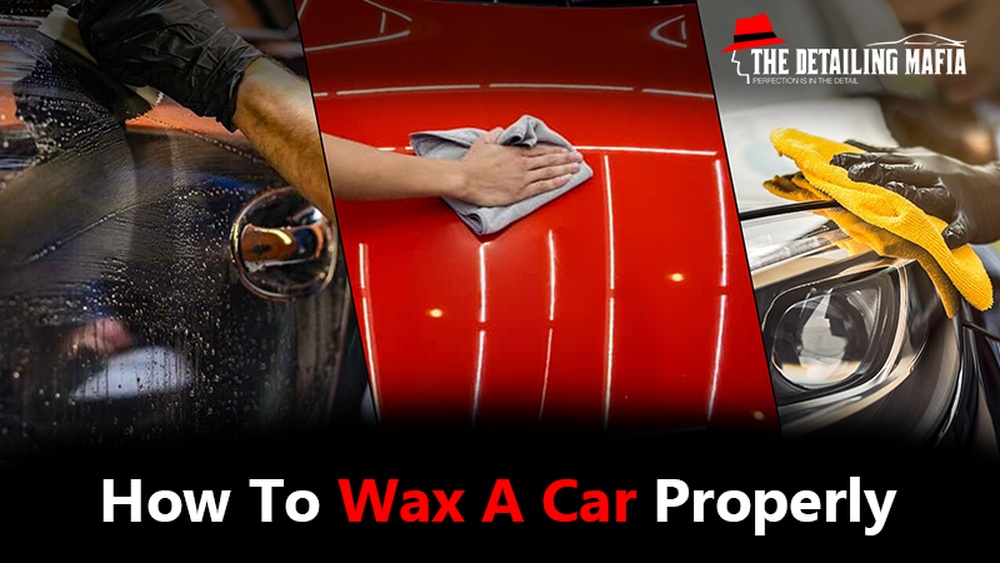
Want your car to shine like new and turn heads wherever you go? Properly waxing your car is the secret to protecting its paint and boosting its shine.
But if you’ve ever wondered how to do it right without wasting time or money, you’re in the right place. You’ll discover simple, step-by-step tips that make waxing easy and effective—even if you’ve never tried it before. Keep reading, and you’ll learn how to give your car that smooth, glossy finish that lasts.
Preparing Your Car
Preparing your car for waxing is a key step. It helps the wax stick better and last longer. This process starts with gathering the right tools. Then, your car needs a deep clean. Finally, check the surface for any issues. Each step helps protect your paint and gives a smooth finish.
Gathering Supplies
Collect all materials before you start. You will need car wax, microfiber cloths, a bucket, car soap, and a hose. Have a soft sponge or wash mitt ready. A clay bar and detailing spray can help, too. Keep everything close for easy access.
Washing And Drying
Wash your car thoroughly with car soap and water. This removes dirt, dust, and grime. Use a soft sponge to avoid scratches. Rinse well to remove all soap residue. Dry the car with a clean microfiber towel to prevent water spots.
Inspecting The Surface
Look carefully at your car’s paint. Find scratches, swirl marks, or dirt spots. Use a clay bar to remove stuck particles. This step smooths the surface for better wax application. Fix small paint issues before waxing for the best results.

Credit: www.turtlewax.com
Choosing The Right Wax
Choosing the right wax is a key step in properly waxing your car. The right wax protects your car’s paint and makes it shine. Different waxes fit different needs. Knowing what wax to pick helps you get the best results. This section explains the main types of wax, how to select based on finish, and how weather affects your choice.
Types Of Car Wax
Car wax comes in three main types: natural, synthetic, and hybrid. Natural wax is made from carnauba. It gives a deep, warm shine. Synthetic wax is made from polymers. It lasts longer and protects better. Hybrid wax combines natural and synthetic waxes. It offers good shine and durability.
Selecting Based On Finish
Choose wax based on your car’s paint finish. For older or dull paint, natural wax adds warmth and depth. For newer cars with clear coats, synthetic wax gives better protection. Matte finishes need special waxes made for matte paint. Using the right wax keeps your car’s finish looking its best.
Considering Weather Conditions
Think about your local weather before choosing wax. Hot, sunny areas need wax that protects from UV rays. In rainy or humid places, pick wax that repels water well. Cold regions benefit from wax that resists salt and grime. The right wax helps your car withstand weather effects better.
Applying The Wax
Applying wax to your car is a key step to protect and shine its paint. Doing it right helps the wax stick well and last longer. This step needs care and patience. Apply the wax evenly and gently. Follow these tips for the best results.
Using Applicator Pads
Use a soft applicator pad to spread the wax. Foam pads work well for smooth, even coverage. Dab a small amount of wax on the pad. Avoid using too much wax at once. This helps prevent streaks and clumps.
Applying In Small Sections
Work on one small area at a time. About two feet by two feet is a good size. This helps you focus and apply wax evenly. It also makes it easier to buff the wax later. Finish each section before moving on.
Avoiding Overlapping
Do not overlap too much between sections. Overlapping causes uneven layers and streaks. Apply wax close to edges but keep the layers thin. Smooth, continuous motions help avoid marks. This keeps the finish clean and polished.

Credit: www.youtube.com
Buffing The Wax
Buffing the wax is the final step to make your car shine beautifully. This process removes excess wax and polishes the surface to a smooth finish. Doing it right helps protect your paint and gives a glossy look. Let’s explore how to buff wax properly for the best results.
Choosing A Cloth
Use a clean, soft cloth for buffing. Microfiber cloths work best because they do not scratch the paint. Avoid rough or dirty fabrics that can cause damage. Select a cloth that feels gentle to touch. Keep several cloths handy to change when one gets too waxy.
Buffing Techniques
Start buffing with light pressure and small circular motions. Move slowly to spread the wax evenly. Use a fresh section of the cloth to avoid smearing wax back onto the surface. Work on one area at a time to maintain control. Stop buffing once the surface looks smooth and clear.
Ensuring Even Shine
Check your work under natural light to see any missed spots. Buff those areas again with a clean cloth. Make sure the shine looks consistent across the entire car. Avoid leaving streaks or hazy patches. An even shine means your wax job is complete and effective.
Post-wax Care
Proper care after waxing keeps your car looking shiny longer. This step is as important as the waxing itself. It helps protect the wax and your car’s paint. Follow simple tips to avoid damage and keep the shine bright.
Drying Time
Let the wax dry completely before touching the car. Drying usually takes 10 to 15 minutes. Avoid wiping the wax off too soon. If wax feels sticky, wait longer. Patience ensures a smooth, even finish.
Avoiding Water Spots
Water spots can ruin your hard work. Avoid parking under trees or near sprinklers. If the car gets wet, dry it quickly. Use a soft microfiber towel. Gently blot the water, do not rub hard.
Regular Maintenance Tips
Wash your car gently with mild soap. Use a soft cloth or sponge. Avoid harsh chemicals that strip wax. Wax your car every three months. This keeps the paint protected and shiny.

Credit: www.turtlewax.com
Common Mistakes To Avoid
Waxing your car protects its paint and keeps it shiny. Avoid mistakes for the best results. Some errors can ruin your work or damage the surface. Learn the common pitfalls to save time and effort.
Waxing In Direct Sunlight
Wax dries too fast under direct sunlight. This makes it hard to spread evenly. It can leave streaks and spots on your paint. Work in the shade or during cooler parts of the day. This helps the wax cure properly.
Skipping Surface Prep
Wax sticks poorly to dirty or rough surfaces. Dust, dirt, and old wax layers reduce shine. Always wash and dry your car first. Use a clay bar if needed. Clean surfaces ensure smooth and lasting wax coverage.
Using Too Much Wax
More wax does not mean better protection. Thick layers take longer to dry and buff off. Excess wax can leave a cloudy finish or residue. Apply thin, even coats for a smooth, glossy look. Less is often more in waxing.
Frequently Asked Questions
How Often Should You Wax Your Car?
Wax your car every three months for optimal protection. This frequency maintains shine and shields paint from damage. Regular waxing prevents oxidation and keeps your car looking new.
What Type Of Wax Is Best For Cars?
Carnauba wax offers a deep, natural shine and durable protection. Synthetic waxes last longer but may lack the glossy finish. Choose based on your preference for shine or longevity.
Can I Wax My Car In Direct Sunlight?
Avoid waxing your car in direct sunlight. Heat causes wax to dry too quickly, making it hard to remove. Work in a shaded, cool area for best results.
Should I Wash My Car Before Waxing?
Always wash your car thoroughly before waxing. Dirt and debris can scratch paint during waxing. Clean surfaces ensure wax adheres properly and enhances shine.
Conclusion
Properly waxing your car keeps its paint shiny and protected. Clean the car well before applying wax for best results. Use small, circular motions to spread wax evenly. Let the wax dry until it hazes, then buff gently. Regular waxing helps prevent damage from sun and dirt.
It also makes washing your car easier. Take your time and enjoy the process. Your car will look great and last longer with care. Simple steps bring big benefits to your vehicle’s appearance.


