

Are you excited about your beautiful waxed amaryllis bulb but unsure how to keep it healthy and blooming year after year? Taking care of this unique plant might seem tricky, but with the right steps, you can enjoy its stunning flowers again and again.
You’ll discover simple, effective tips to help your waxed amaryllis thrive. Keep reading to unlock the secrets that will make your bulb flourish and brighten your home like never before.
Choosing The Right Bulb
Choosing the right waxed amaryllis bulb is the first step to growing a beautiful flower. The bulb’s quality affects how well it will bloom and grow. Picking a healthy bulb ensures a strong and vibrant plant. Spend time selecting the best bulb for your needs.
Selecting Quality Waxed Amaryllis
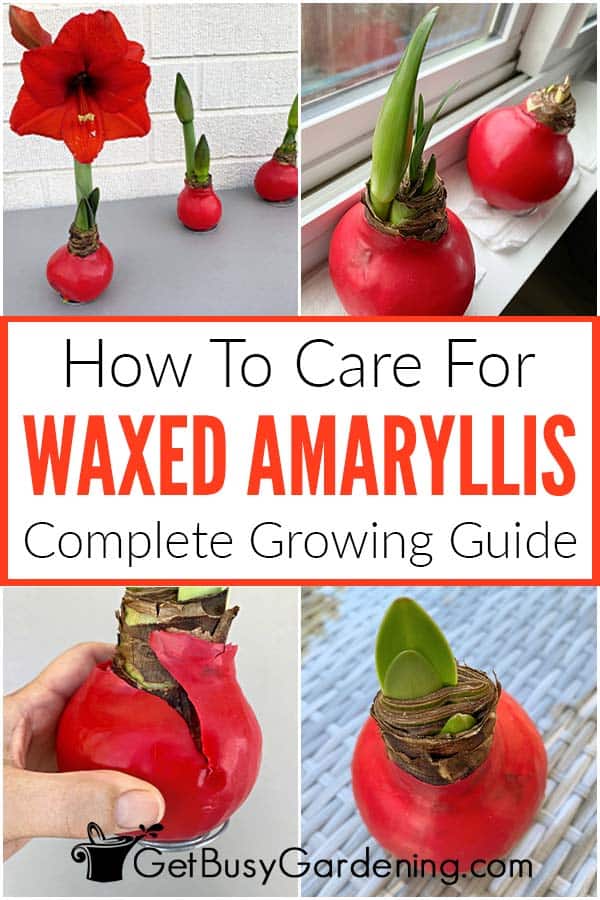
Choose bulbs that look firm and full. Avoid bulbs with soft spots or cracks. A good bulb is heavy for its size. The wax coating should be smooth and even. This coating helps protect the bulb and keeps moisture inside.
Checking For Healthy Bulbs
Inspect the bulb for signs of damage or mold. Healthy bulbs have no dark or mushy patches. The base of the bulb should be dry and intact. Avoid bulbs with sprouting roots or green shoots. These signs mean the bulb is old or weak.
Preparing For Planting
Preparing for planting a waxed amaryllis bulb is an important step. Proper preparation helps the bulb grow strong and healthy. It ensures the plant will bloom beautifully. Taking time now will make your efforts worth it.
Choosing The Perfect Pot
Select a pot that fits the bulb size well. The pot should be about 1-2 inches wider than the bulb. It needs drainage holes to prevent water buildup. A heavy pot helps keep the plant steady. Avoid pots that are too large or too small. The right size supports healthy root growth.
Using Suitable Soil Mix
Use a light, well-draining soil mix for planting. A mix of potting soil and sand or perlite works best. This blend lets water drain quickly and keeps roots healthy. Avoid heavy or clay soils that hold too much moisture. Good soil helps the bulb breathe and grow strong roots.
Planting The Bulb
Planting a waxed amaryllis bulb starts the journey to beautiful blooms. This step is important for the bulb’s health and growth. Proper planting helps the bulb settle and prepare for flowering. Follow simple steps to give your bulb the best start.
Proper Bulb Placement
Choose a pot with drainage holes. Place the bulb so its top is just above the soil surface. Use well-draining potting mix to avoid water buildup. Position the bulb in a bright, cool spot with indirect sunlight. Avoid deep planting to prevent rotting. Give the bulb enough room to grow roots below.
Watering After Planting
Water the bulb lightly right after planting. Keep the soil moist but not soaked. Too much water can cause bulb rot. Water again only when the top inch of soil feels dry. Proper watering helps the bulb wake up and start growing roots. Avoid letting the bulb sit in water.
Watering And Humidity Tips
Taking care of a waxed amaryllis bulb needs special attention to watering and humidity. These two factors help the bulb grow strong and bloom beautifully. Too much or too little water and humidity can harm the bulb. Proper care keeps the bulb healthy and vibrant.
Maintaining Moisture Levels
Keep the soil slightly moist but not soggy. Check the top inch of soil daily. Water the bulb only when this soil feels dry to touch. Use a small amount of water each time. This prevents the bulb from drying out or rotting.
Place the bulb in a spot with moderate humidity. Normal room humidity is usually enough. If the air feels very dry, mist the bulb lightly once a day. This helps keep the bulb’s skin soft and healthy.
Avoiding Overwatering
Overwatering is the main cause of bulb rot. Never let water sit in the bulb’s base or container. Drain any extra water immediately after watering. Make sure the pot has good drainage holes.
Watch for signs of too much water. Yellowing leaves or soft, mushy bulb parts mean overwatering. Cut back on watering if these signs appear. Better to water less than too much.
Lighting Requirements
Lighting plays a key role in keeping your waxed amaryllis bulb healthy. It helps the bulb grow strong and bloom beautifully. Giving the right amount of light keeps the plant happy and vibrant.
Ideal Indoor Light Conditions
Place the waxed amaryllis in a bright spot. A window with east or west sunlight works well. Avoid direct midday sun, which can burn the leaves. Bright, indirect light is best for steady growth. Low light can slow down the bulb’s development.
Adjusting Light During Growth
As the amaryllis grows, check its light needs. If leaves start to droop or look pale, increase light exposure. Move the plant closer to the window or use a grow light. When the flower blooms, keep it in bright light to help flowers last longer. After blooming, reduce light gradually to let the bulb rest.

Credit: www.jacksonandperkins.com
Temperature And Environment
Taking care of a waxed amaryllis bulb means paying close attention to temperature and environment. These factors affect the bulb’s growth and blooming. The right conditions help the bulb stay healthy and produce beautiful flowers. Too cold or too hot can harm the bulb. The air around the bulb should also be stable. Avoid places with big temperature changes.
Optimal Temperature Range
Waxed amaryllis bulbs grow best between 60°F and 70°F. This temperature keeps the bulb active but not stressed. Cooler temperatures below 50°F can slow growth. Warmer than 75°F may dry the bulb out. Keep the bulb away from heating vents or direct sunlight. A steady, moderate temperature helps the bulb bloom well.
Protecting From Drafts
Drafts can shock the amaryllis bulb and cause damage. Cold air from windows or doors can slow growth. Hot air from heaters can dry the bulb quickly. Place the bulb in a spot with steady air flow. Avoid areas near fans or air conditioners. Protect the bulb from sudden temperature changes for best results.
Feeding And Fertilizing
Feeding and fertilizing your waxed amaryllis bulb helps it grow strong and bloom beautifully. Good nutrition supports healthy leaves and vibrant flowers. It also keeps the bulb ready for the next season. Choosing the right fertilizer and feeding at the right time are key.
Choosing The Right Fertilizer
Select a balanced fertilizer with equal parts nitrogen, phosphorus, and potassium. A 10-10-10 or 20-20-20 fertilizer works well. Avoid high nitrogen fertilizers as they promote leaf growth over flowers. Use water-soluble or slow-release fertilizers for easy feeding. Organic options like compost or fish emulsion also benefit the bulb.
Feeding Schedule For Growth
Start feeding when the first green shoots appear. Feed every two weeks with a diluted fertilizer solution. Stop feeding once the flowers bloom to avoid stressing the plant. After blooming, reduce feeding to once a month while the leaves stay green. This keeps the bulb healthy and ready for next bloom.
Credit: getbusygardening.com
Encouraging Blooming
Encouraging blooming in waxed amaryllis bulbs is a key step to enjoy their beautiful flowers. Proper care helps the bulb grow strong and produce vibrant blooms. It requires attention to the bulb’s needs and gentle support as the flower develops.
Signs Of Readiness To Bloom
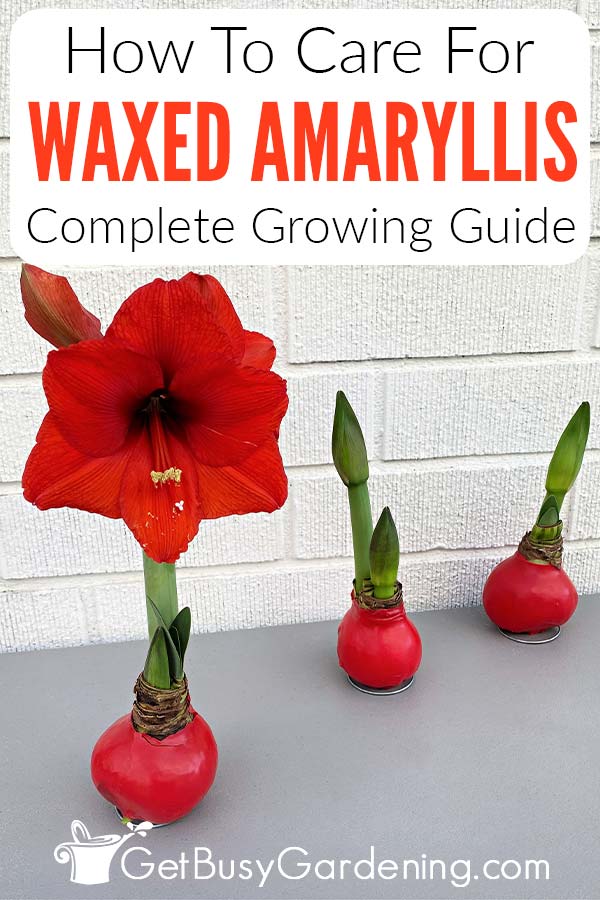
Watch for a thick, green stalk emerging from the bulb. This shows the bulb is ready to bloom. The stalk should be firm and about 6 inches tall before flowers appear. A slight bend at the top means the flower buds are forming. If the bulb stays green and strong, blooming is near.
Supporting Flower Stalks
Flower stalks can become heavy as buds grow. Use a small stake or stick to support the stalk. Tie gently with soft string or twist ties. This prevents bending or breaking, keeping the stalk upright. Proper support helps flowers open fully and last longer.
Post-bloom Care
After your waxed amaryllis bulb finishes blooming, proper care is key. Post-bloom care helps the bulb regain strength for next season. It also keeps the plant healthy and ready to grow again. Follow simple steps to care for the foliage and prepare the bulb for dormancy.
Caring For Foliage After Flowers Fade
Do not cut the leaves right after flowers fade. Leaves keep making food for the bulb. They use sunlight to create energy through photosynthesis. Let the leaves stay green and healthy for 8 to 12 weeks. Water the plant moderately, keeping the soil slightly moist. Avoid overwatering as it can cause root rot. You can feed the plant with a balanced liquid fertilizer every two weeks. Stop watering and feeding only when the leaves turn yellow and die back.
Preparing Bulbs For Dormancy
Once the leaves die, reduce watering gradually. Let the soil dry out completely. Remove dead foliage carefully to prevent pests and diseases. Store the bulb in a cool, dry place for about 8 to 10 weeks. Ideal storage temperature is between 50 and 60 degrees Fahrenheit. Do not store bulbs in dark, damp areas. After dormancy, you can start watering again to encourage new growth. This rest period helps the bulb bloom again next season.
Common Issues And Solutions
Waxed amaryllis bulbs are beautiful but need careful care. Some common problems can affect their growth. Knowing these issues helps keep your plant healthy. Here are typical problems and easy ways to fix them.
Dealing With Pests
Pests like aphids and spider mites may attack waxed amaryllis. They suck the plant’s juice, making leaves weak and spotted. Check your plant often for tiny bugs or sticky residue. Use a soft cloth with water to wipe leaves gently. Spray insecticidal soap if pests persist. Keep the plant in clean, fresh air. This stops bugs from coming back.
Preventing Bulb Rot
Bulb rot happens if the amaryllis stays too wet. It makes the bulb soft and smelly. To prevent rot, avoid overwatering your plant. Let the soil dry between waterings. Use well-draining soil and pots with holes. Remove any yellow or soft leaves quickly. Good air flow around the bulb also helps keep it dry and healthy.
Credit: getbusygardening.com
Frequently Asked Questions
How Often Should I Water A Waxed Amaryllis Bulb?
Water a waxed amaryllis bulb sparingly. Keep the soil moist but not soggy. Water once the top inch dries out to avoid root rot and promote healthy growth.
Can Waxed Amaryllis Bulbs Bloom Indoors?
Yes, waxed amaryllis bulbs can bloom indoors. Place them in bright, indirect sunlight and maintain a warm temperature for best flowering results.
How Do I Store A Waxed Amaryllis Bulb After Blooming?
Store the bulb in a cool, dry place after blooming. Let the foliage die back naturally before storage to help the bulb rest for future growth.
Should I Fertilize A Waxed Amaryllis Bulb?
Fertilize the bulb lightly during its active growth phase with a balanced, water-soluble fertilizer every 2-4 weeks. Avoid over-fertilizing to prevent bulb damage.
Conclusion
Taking care of a waxed amaryllis bulb is simple and rewarding. Keep it in a bright spot but avoid direct sunlight. Water it sparingly to prevent rotting. Check the bulb regularly for any signs of damage. With proper care, your bulb will bloom beautifully.
Enjoy the bright flowers and the fresh look it brings to your space. Patience and attention make all the difference. Your waxed amaryllis can thrive for many seasons. Just a little care goes a long way.


