

Have you ever wondered if your car’s fuel filter might be causing trouble? A bad fuel filter can sneak up on you, leading to poor engine performance and unexpected breakdowns.
But how do you tell if your fuel filter is bad before it turns into a bigger problem? You’ll discover simple signs to watch for and easy steps to check your fuel filter. Keep reading, because knowing this could save you time, money, and a lot of frustration on the road.

Credit: oilchangers.com
Signs Of A Failing Fuel Filter
The fuel filter plays a key role in keeping your car’s engine clean. It stops dirt and debris from reaching the engine. Over time, the fuel filter can get clogged and stop working well. This causes several problems that affect how your car runs. Recognizing these signs helps you fix the issue early. It prevents more damage and saves money.
Engine Performance Issues
A bad fuel filter makes the engine run poorly. You may notice less power while driving. The engine might feel weak or slow. It can also cause uneven acceleration. This happens because the engine does not get enough fuel. A clogged filter blocks the fuel flow.
Starting Difficulties
The car may take longer to start or not start at all. This is a common sign of a bad fuel filter. The engine struggles to get enough fuel to ignite. You might have to try starting the car several times. This problem usually gets worse over time.
Stalling Or Hesitation
The engine might suddenly stop while driving or hesitate to move. This happens because the fuel supply is interrupted. A bad fuel filter cannot send fuel smoothly. The car may stall at low speeds or stop at traffic lights. Hesitation during acceleration is another sign.
Unusual Engine Noises
Strange sounds from the engine can indicate a fuel filter problem. You may hear sputtering or coughing noises. These noises happen when the engine struggles to burn fuel. The filter stops the fuel from flowing freely. Pay attention to any new or odd engine sounds.
Fuel Economy Changes
Fuel economy changes often point to a fuel filter problem. The fuel filter cleans dirt and debris from fuel before it reaches the engine. When it clogs, fuel flow slows down. This affects how the engine performs and uses fuel. Watch for signs like poor mileage and higher fuel use. These help spot a bad fuel filter early.
Decreased Mileage
One clear sign of a bad fuel filter is decreased mileage. Your car may not travel as far on a full tank. The clogged filter limits fuel flow, making the engine work harder. This leads to less efficient fuel use. You might notice your usual routes need more fuel than before. Tracking mileage helps detect filter issues fast.
Increased Fuel Consumption
Increased fuel consumption is another warning. A dirty filter forces the engine to use more fuel to run well. This wastes gas and raises costs. Your car may need refilling more often without more driving. This change can be sudden or gradual. Keep an eye on fuel use to catch problems early.
Visual And Physical Checks
Visual and physical checks are the first step to know if a fuel filter is bad. These checks help find obvious problems without special tools. A quick look and touch can tell a lot about the filter’s condition. This saves time and helps avoid bigger engine issues.
Inspecting The Fuel Filter
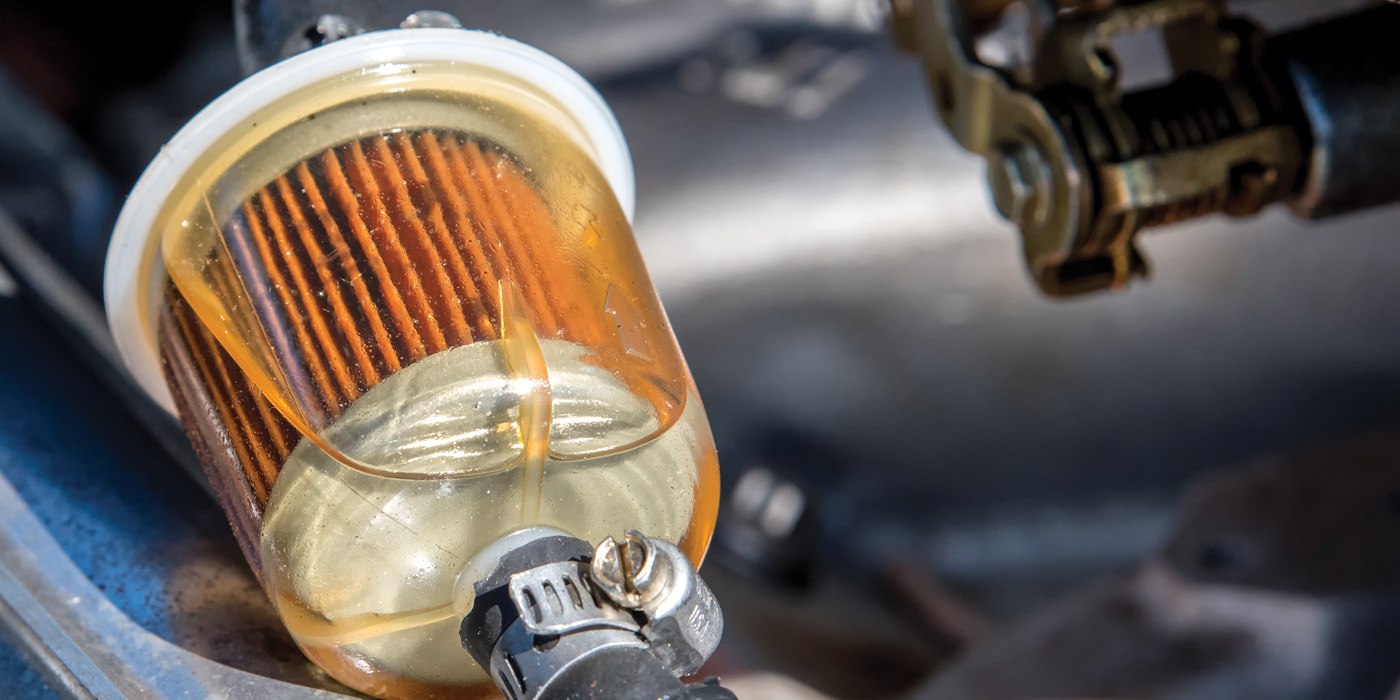
Start by looking closely at the fuel filter’s body. Check for cracks, dents, or rust. Any damage means the filter might fail soon. The filter should look clean and dry outside. Dirt or grime can block fuel flow or hide damage. Look inside if the filter is clear. Dark or cloudy fuel shows the filter is dirty. Replace the filter if fuel looks contaminated.
Checking For Fuel Leaks
Fuel leaks around the filter are a clear warning sign. Look for wet spots or strong fuel smells near the filter. Leaks can happen at the joints or from cracks in the filter. Gently touch the area to feel any wetness. Even small leaks can cause poor engine performance. Fix leaks immediately by tightening connections or replacing the filter. Never ignore fuel leaks for safety reasons.

Credit: www.youtube.com
Diagnostic Tools And Tests
Diagnostic tools and tests help find problems with a fuel filter. They show if the filter blocks fuel flow or causes engine trouble. Using the right tools saves time and money. You get clear answers about your car’s fuel system. Here are two common ways to check a fuel filter’s health.
Using A Fuel Pressure Gauge
A fuel pressure gauge measures the fuel pressure in the system. Low pressure can mean the fuel filter is clogged. Attach the gauge to the fuel rail or fuel line. Start the engine and watch the gauge. Compare the reading to your car’s normal fuel pressure. A lower reading signals a bad fuel filter. This test is quick and gives a clear result.
Scanning For Error Codes
Modern cars store error codes when the engine has problems. A scanner reads these codes from the car’s computer. Codes related to fuel delivery may point to a bad fuel filter. Plug the scanner into the OBD-II port under the dashboard. Follow the scanner’s instructions to read the codes. Note any codes about fuel pressure or injector issues. This tool helps find hidden fuel system problems fast.
When To Replace The Fuel Filter
Knowing when to replace your fuel filter is important for your vehicle’s health. A bad fuel filter can cause poor engine performance and fuel system problems. Changing it at the right time helps keep your car running smoothly and saves you from costly repairs.
Manufacturer Recommendations
Car makers provide specific advice on fuel filter replacement. Check your owner’s manual for the exact schedule. Follow these guidelines closely. They are designed to protect your engine and fuel system.
Ignoring these recommendations can lead to clogged filters. This reduces fuel flow and causes engine trouble. Always trust the manufacturer’s advice to maintain your vehicle’s efficiency.
Mileage And Time Intervals
Most fuel filters should be replaced every 20,000 to 40,000 miles. Some filters last longer, depending on the car model. It also helps to change the filter every 2 years, even if mileage is low.
Regular replacement prevents dirt build-up inside the filter. A clean filter ensures proper fuel flow and engine power. Keep track of your mileage and time to avoid problems.
Preventive Maintenance Tips
Keeping your fuel filter in good shape helps your engine run smoothly. Preventive maintenance stops problems before they start. Small, regular efforts save money and time on repairs.
Watch for signs of a bad fuel filter. Dirt and debris can block fuel flow. This causes poor engine performance and lower fuel efficiency. Follow these simple tips to protect your fuel system.
Regular Fuel System Checks
Check your fuel filter often. Look for dirt, rust, or damage. Replace the filter if it looks clogged or worn. Inspect fuel lines for leaks or cracks. Clean fuel injectors for better spray and fuel use.
Schedule fuel system checks at least twice a year. A quick inspection helps catch issues early. Use a trusted mechanic or learn to check parts yourself. Keep a record of maintenance dates and filter changes.
Using Quality Fuel
Choose clean, high-quality fuel for your vehicle. Low-quality fuel can contain dirt and water. These contaminants damage the fuel filter and engine. Fill up at trusted gas stations with good reviews.
Add fuel stabilizers in stored vehicles to prevent fuel breakdown. Avoid running on almost empty tanks. Dirt at the bottom of the tank can clog the filter. Good fuel keeps the filter cleaner longer.
Credit: www.import-car.com
Frequently Asked Questions
How Do I Know If My Fuel Filter Is Clogged?
A clogged fuel filter causes engine hesitation, poor acceleration, and rough idling. You may also notice reduced fuel efficiency and difficulty starting the car. Checking these symptoms early helps prevent further engine damage.
What Are Common Signs Of A Bad Fuel Filter?
Common signs include engine misfires, stalling, and decreased power. Your vehicle might also experience frequent engine surges and increased fuel consumption. These signs indicate restricted fuel flow due to a faulty filter.
How Often Should A Fuel Filter Be Replaced?
Typically, replace your fuel filter every 20,000 to 40,000 miles. However, check your vehicle’s manual for specific intervals. Regular replacement ensures optimal engine performance and prevents fuel system blockages.
Can A Dirty Fuel Filter Cause Engine Problems?
Yes, a dirty fuel filter restricts fuel flow, causing engine misfires and poor performance. It can lead to stalling and difficulty starting. Cleaning or replacing it resolves these issues and maintains engine health.
Conclusion
A bad fuel filter can cause many car problems. It may make the engine run rough or lose power. You might notice trouble starting the vehicle. Watching for these signs helps keep your car healthy. Regular checks and timely replacement protect your engine.
Clean fuel filters help your car run smooth and strong. Don’t ignore unusual noises or performance drops. Simple care saves money and avoids bigger repairs. Stay alert to your car’s needs. Taking action early keeps your ride safe and reliable.


